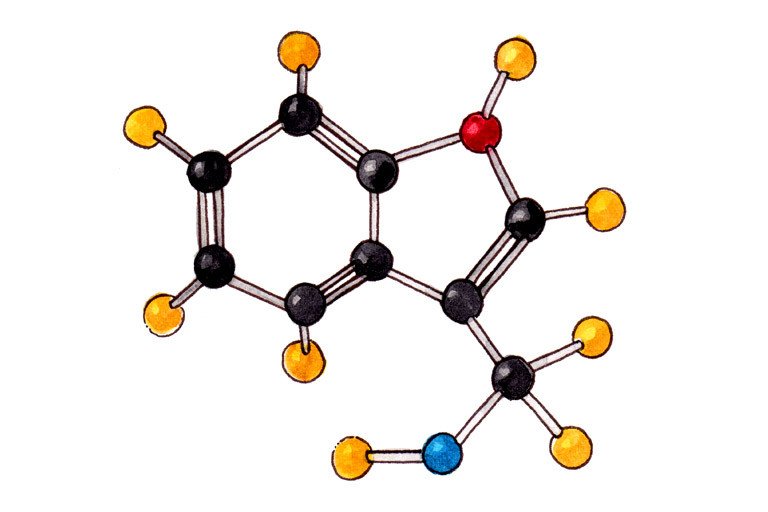
Common Names
- I3C
- Indole-3-methanol
- 3-(Hydroxymethyl)indole
- 3-Indolylcarbinol
- Indolylmethanol
For Patients & Caregivers
Tell your healthcare providers about any dietary supplements you’re taking, such as herbs, vitamins, minerals, and natural or home remedies. This will help them manage your care and keep you safe.
Indole 3-carbinol has cancer-preventive effects, but it has not been shown to treat cancer in humans.
Indole-3-carbinol, also called I3C, is a resulting compound that comes from eating vegetables such as Brussels sprouts, cabbage, cauliflower, broccoli, and kale. It is known to stimulate detoxifying enzymes in the gut and liver. Because diets high in these vegetables slow cancer growth in animals, I3C is thought to be a good candidate for cancer prevention.
Lab studies suggest that I3C may have activity across various tumor types, or enhance activity of some chemotherapy drugs. However, other animal studies suggest that I3C might also promote tumor growth. Additional studies and human clinical trials are needed to determine the circumstances under which I3C might be suitable for cancer prevention.
- To prevent cancer
Lab studies suggest that I3C may protect against a variety of cancers, but some animal studies suggest that I3C supplementation might have tumor-promoting effects. More studies including clinical trials are needed. - To treat viral infections
Lab studies suggest immune function and antiviral effects, but no studies have been conducted in humans.
- Skin rash
Do Not Take if:
- You are taking cytochrome P450 1A2 substrate drugs: Lab studies suggest I3C may reduce the effectiveness of these drugs. Clinical relevance has yet to be determined.
For Healthcare Professionals
Indole-3-Carbinol (I3C) is a phytochemical derived from the breakdown of glucosinolates found in cruciferous vegetables including Brussels sprouts, kale, broccoli, cabbage, and cauliflower (26). Epidemiologic studies suggest that a diet high in cruciferous vegetables is associated with protective effects and lower cancer risk (27).
Preclinical studies suggest antimicrobial (28) (29), anti-inflammatory (30) (31) (32), anti-estrogenic (33) , and antiangiogenic (21) (22) effects. Potential activity against human breast (34) (35) (36) (37), prostate (38), melanoma (39), endometrial (40) , liver (41) (42), and pancreatic cancer cells (43), as well as animal models of lung (12) (23) (44), laryngeal (45), and nasopharyngeal carcinoma (46) have also been exhibited. In addition, preliminary experiments suggest I3C may enhance effects of vorinostat (69), bortezomib (25) (47), tamoxifen (48), doxorubicin (49) (50), vemurafenib (51), fludarabine (52), gemcitabine (24) (43), or acetylsalicylic acid (53), and may reverse toxicities of dexamethasone (54) or doxorubicin (50). However, these effects have not been confirmed in humans and some models suggest that I3C may also promote tumor growth (55) (56) (57) (58) (59) (60) (61). Additional studies are needed to determine under what conditions I3C could be a suitable chemopreventive agent in humans.
Data from early phase clinical trials suggested that I3C is effective against precancerous cervical dysplasia (2) and vulvar intraepithelial neoplasia (3). In premenopausal women, a supplement containing I3C and 7-hydroxymatairesinol, a dietary ingredient, increased the urinary 2:16-hydroxyestrone ratio, a known biomarker for the reduction of breast cancer risk (4). More recently, an RCT of a diindolylmethane formulation (DIM, an active I3C metabolite) in breast cancer patients on tamoxifen suggest it encourages beneficial changes in estrogen metabolism and circulating sex hormone-binding globulin levels (67).
I3C is generally well tolerated when taken orally, but it is unclear if I3C supplementation can benefit humans due to its mixed effects in preliminary studies and its ability to induce cytochrome P450 enzymes (14) (62), which may cause interactions with several medications. In addition, a recent study to measure Brassica consumption in humans suggests that the chemopreventive effects derived from cruciferous vegetable consumption may plateau and not require eating large quantities or taking high-dose supplements (68).
Broccoli, Brussels sprouts, cabbage, cauliflower, collards, kale, kohlrabi, mustard greens, rapeseed, rutabaga, turnips
- Cancer prevention
- Detoxification
- Viral infections
I3C is derived from the breakdown of glucobrassicin produced in cruciferous vegetables (39). Some health-protective effects are attributed to epigenetic mechanisms (63). I3C counteracted HPV16 immune evasion by antagonizing E6 repression of E-cadherin (64). It decreased proinflammatory cytokine production and T-cell activation by acting as histone deacetylase class I inhibitors (31). Hepatoprotective mechanisms include immunomodulation and inhibition of proinflammatory cytokines and chemokines (66), decreased miR-31 expression, and subsequent T-cell apoptosis (32).
In cancer cells, I3C at higher doses induced apoptosis, while lower doses inhibited cell growth and cyclin E and CDK2 expression (27). Antiproliferative effects may occur by regulating microRNAs that regulate gene expression (65) and upregulation of apoptotic enzymes (48). Other observed activities include estrogen receptor modulation (15) (34) and reductions in MMP-2/9 and aromatase expression (16) (36) (37). In lung carcinoma cells, I3C induced G0/G1 apoptosis and cell cycle arrest (12). In gemcitabine-resistant pancreatic cancer cells, chemosensitizing occurred via downregulated microRNA-21 (43), lower LD50 of gemcitabine, and reactivation of the p16INK4a tumor suppressor gene (19). In melanoma cells, G1 apoptosis/arrest occurred via stabilization of wild-type PTEN expression (39). In prostate cancer cells, I3C inhibits Akt activation, androgen-dependent pathways, and inflammation (8) (38). In murine models, it reduced proinflammatory and procarcinogenic proteins (44).
I3C coadministration with doxorubicin potentiated cytotoxic effects compared with either agent alone in pre-B acute lymphoblastic leukemia cells (49). Along with vorinostat, it modulated re-expression of critical receptors in certain triple negative breast cancer subtypes (69). I3C with genistein produced synergy of apoptosis and TRAIL in endometrial cancer cells (40). It reversed dexamethasone cytotoxicity via ROS inhibition and enhanced Nrf2 expression (54).
Some animal studies suggest that I3C is both an inhibitor and promoter of carcinogenesis with strong induction of placental glutathione S-transferase foci in the liver (57), and modulatory activity that included apoptotic inhibition in colon tumors (55). In addition, I3C may promote endometrial adenocarcinoma through hepatic CYP1 induction and estrogen metabolism modulation (56).