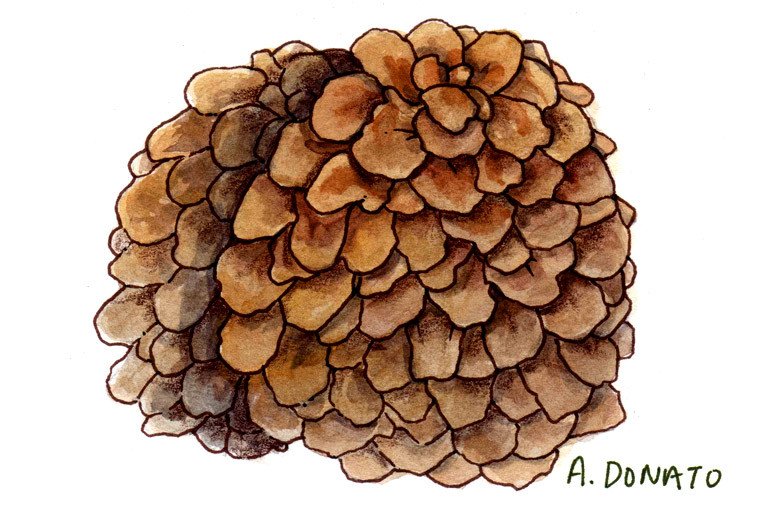
Common Names
- King of mushrooms
- Dancing mushroom
- Cloud mushroom
- Hen of the woods
For Patients & Caregivers
Tell your healthcare providers about any dietary supplements you’re taking, such as herbs, vitamins, minerals, and natural or home remedies. This will help them manage your care and keep you safe.
Maitake is a fungus that has many nutrients. It’s used to help with health issues in traditional Asian medicine.
It also comes as dietary supplements in capsules, powders, and liquid extracts.
Maitake is used to:
- Manage diabetes
- Lower high cholesterol levels
- Reduce high blood pressure
- Boost the immune system
Maitake has other uses, but doctors haven’t studied them to see if they work.
It’s generally safe to eat maitake in food. Talk with your healthcare provider before taking maitake supplements. Herbal supplements are stronger than the herbs you would use in cooking.
Supplements can also interact with some medications and affect how they work. For more information, read the “What else do I need to know?” section below.
Side effects of maitake may include:
- Higher white blood cell count
- Talk with your healthcare provider if you’re on blood thinners such as warfarin (Coumadin®, Jantoven®). Maitake can increase your risk of bleeding.
- Talk with your healthcare provider if you’re taking medications to lower your blood sugar. Maitake can also lower blood sugar so taking both at the same time may not be safe.
For Healthcare Professionals
Maitake is an edible mushroom consumed widely in Asia as food and used in traditional medicine to treat diabetes and hypertension. Its extracts are commercially available as dietary supplements marketed to “enhance immune function” and to treat AIDS and cancer. Beta 1,6-glucan, a protein-bound polysaccharide, has been identified as the active constituent.
In preclinical studies, various formulations suggest protective effects against parasites (32), high insulin and lipid levels (12) (34), and inflammation (19). Antitumor potential (13) (16) (20) (30) (31), enhanced bone marrow colony formation, reduced doxorubicin toxicity (11), and enhanced interferon activity (18) have also been shown. In murine models, orally administered extracts promoted maturation of hematopoietic cells to functionally active myeloid cells, enhanced peripheral blood leukocyte recovery following chemotoxic bone marrow injury (17), and protected against cyclophosphamide-induced immunosuppression (33).
Data in humans are limited. In a small case series, tumor regression or significant improvements in symptoms were observed in some subjects who took maitake extract (5). In small trials, oral maitake extract appeared to have immunomodulatory effects in postmenopausal breast cancer patients (14), and enhanced neutrophil and monocyte function in patients with myelodysplastic syndrome (25). More studies are underway to evaluate maitake’s anticancer potential.
Maitake mushroom is an edible fungus. The whole mushroom can be fried or boiled.
- Diabetes
- High cholesterol
- Hypertension
- Immunostimulation
Preclinical studies suggest antidiabetic effects with alpha-glucan via increased insulin sensitivity on insulin receptors and decreased insulin resistance in peripheral target tissues (12). Antilipidemic effects with maitake polysaccharides occurred by modulating gut microbial phylotypes and regulating genes involved in hepatic lipid and cholesterol metabolism (34).
In other experiments, maitake activated various effector cells such as macrophages, NK and T cells, IL-1, and superoxide anions (2) (3) (4) (13). It may modulate antigen presentation by protecting against tumor implantation following transfer of dendritic cells from tumor-bearing mice treated with maitake (15). Maitake D fraction demonstrated antitumor activity by upregulating proapoptotic BAK-1 (23), blocking tumor invasiveness, and reducing angiogenesis (26). It also enhanced growth and differentiation of mouse bone marrow cells treated with doxorubicin (11). Maitake polysaccharides induced apoptosis via the mitochondrial-dependent apoptotic pathway in human breast cancer cells (27). The beta glucan GFPBW1 activated macrophages via the Dectin-1/Syk/NF-κB signaling pathway (24), and oral alpha-glucan activated dendritic cells and macrophages in small intestine lymphoid tissue, inducing a systemic antitumor T-cell response (28).
Maitake may not be appropriate for those taking hypoglycemic medications because it can have synergistic effects (9).
Asymptomatic eosinophilia (25).
Maitake may lower blood glucose levels (9).