History & Overview Annual Report President's Pages Center News Community Affairs
Make a Gift Cycle for Survival Fred's Team Rock & Run on the River Yankees Universe Fund Thomas Blake Sr. Memorial Research Fund Donating Blood & Platelets Volunteering Thrift Shop Park Avenue Potluck CELEBRATIONS
Press Releases In the News Information for Journalists News@MSKCC
Manhattan New Jersey Long Island Westchester
Working at Memorial Sloan-Kettering Work Sites College Recruitment About Nursing Job Fairs & Career Days IS Careers Job Search & Apply Online
Making an Appointment
Search About Herbs:

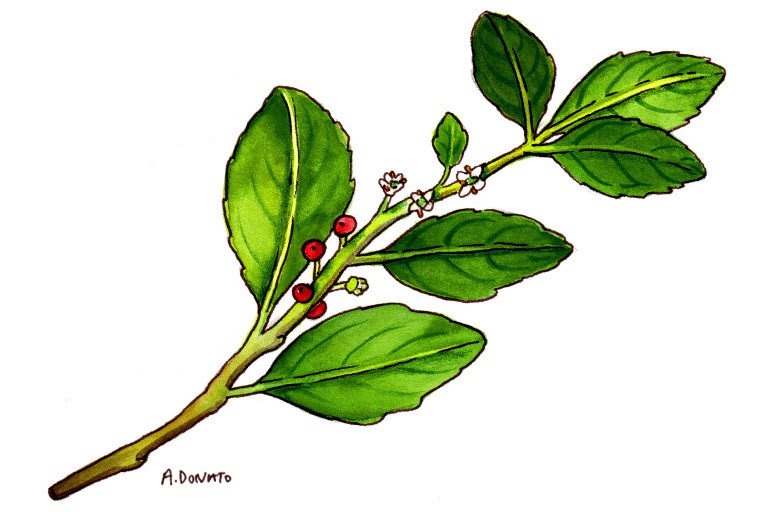
Mate

How It Works

Bottom Line: Regular consumption of mate is associated with increased risk of developing lung, bladder, esophageal, and head and neck cancers.

Mate contains compounds that are thought to have stimulant effects. Mate products have been used for weight loss and for cancer prevention. While laboratory studies suggest mate has antioxidant effects and inhibitory effects on certain cancer cells, it has not been shown to be effective for cancer prevention or as a cancer treatment in humans. There is evidence that use of mate drinks can increase the risk of developing cancers.

Purported Uses

  • To lose weight
    There is one small clinical study showing a formula containing mate can help to lose weight and delay stomach emptying. However, it is unclear if mate alone has the same effect.
  • As a stimulant
    Because of its caffeine content, mate is a known stimulant.
  • To treat depression
    No scientific evidence supports this use.
  • To treat headaches
    Caffeine may increase the effect of some medications for headache.
  • To relieve fatigue
    Because of its caffeine content, mate is a known stimulant. However, the increased risk of certain cancers likely outweighs any benefits.
  • To promote urination
    Mate contains caffeine, which is a diuretic.
  • To treat cancer
    Constituents in mate can inhibit certain cancer cells in the lab. But this has not been studied in humans.

  • Research Evidence

    No clinical studies have been conducted to evaluate the usefulness of taking mate. However, several population studies in countries in which mate drinking is very common have found a link between mate and certain cancers. A few of these studies are described below:
  • To test the hypothesis that mate drinkers have high risks of upper digestive and respiratory tract cancers, researchers studied a group of men from Southern Brazil. Compared to men who did not drink mate, those who did had a higher risk of cancer of the mouth and larynx. (As a side note, coffee and tea drinking were not associated with an increased cancer risk). The author concluded that due to a high prevalence of mate drinking in South America, mate tea might be linked to as many as 20% of all cancer cases in this region.
  • Reseachers examined lung cancer rates in heavy mate drinkers compared to light mate drinkers in Uruguay. After adjusting for cigarette smoking (another lung cancer risk), men who were heavy mate drinkers were 1.6 times more likely to develop non-small cell lung cancers compared with light drinkers. In general, the more mate consumed, the greater the risk.
  • In a second study of make mate drinkers in Uruguay, heavy mate drinkers were seven times more likely to develop bladder cancer than light mate drinkers (after adjustments for age, tobacco smoking and social class).

  • Warnings

  • High doses and prolonged consumption of mate tea are associated with an increased risk of certain cancers (bladder, oral, esophageal, and lung).
  • Due to the caffeine content in mate, the following lab tests may be altered: blood pressure, catecholamine levels, and bleeding time as measured by PT, PTT, or INR.
  • This product is regulated by the FDA as a dietary supplement. Unlike approved drugs, supplements are not required to be manufactured under specific standardized conditions. This product may not contain the labeled amount or may be contaminated. In addition, it may not have been tested for safety or effectiveness.

  • Do Not Take If

  • You have high blood pressure, a heart condition, or anxiety.
  • You are pregnant or breast-feeding.
  • You take benzodiazepines (The effects of benzodiazepines are reduced by the caffeine content in mate).
  • You take beta-adrenergic agonists (The effects of beta-adrenergic agonists are increased by mate).
  • You take CNS stimulants (Mate may increase their effects).
  • You take theophylline (Because mate contains theophylline, it may have additive effects and possibly cause toxicity).
  • You take diuretics (Mate may have an additive effect).
  • You regularly take aspirin (Mate may increase the absorption and blood levels of aspirin; take with caution).
  • You are taking chemotherapy drugs (Mate may interfere with the actions of some drugs).

  • Side Effects

  • Headache
  • Insomnia
  • Anxiety
  • Tremor
  • Restlessness and agitation
  • Nausea and vomiting
  • Palpitations
  • One case of liver failure was reported in a heavy mate drinker.

  • Scientific Name

    Ilex paraguariensis

    Common Name

    Yerba mate, St. Bartholomew's tea, Jesuit's tea, ilex, hervea, guyaki Paraguay tea

    Clinical Summary

    Mate is a plant native to South America. It is consumed in the form of a beverage in a social setting and is also used in traditional medicine. It is valued for its stimulatory effects and is promoted as a dietary supplement for weight loss, for cardivascular diseases, and for cancer prevention.

    Mate demonstrated antioxidant activity (11) and cardioprotective effects via regulation of nitric oxide (12) in vitro. In addition, constituents of mate exhibited proteasome (13) and topoisomerase (16) inhibitory properties. But no large scale clinical studies have evaluated its efficacy in humans. Epidemiologic data from the last decade indicate that chronic mate drinkers are at an increased risk of bladder (1)(2)(3), esophageal (4), lung (5), and head and neck cancers (9).

    Frequently reported adverse effects include insomnia, restlessness, agitation, nausea, vomiting, and headache (6). Yerba mate may interact with prescription medications. Due to its antioxidant activity, mate may interfere with some chemotherapy drugs. Patients with hypertension, anxiety, or women who are pregnant or breast feeding should not consume yerba mate.

    Purported uses

  • Appetite suppression
  • Central nervous system stimulation
  • Depression
  • Fatigue Headaches
  • Pain
  • Promote urination

  • Constituents

  • Xanthene alkaloids: 1-2% caffeine, 0.45-0.9% theobromine, 0.05% theophylline
  • Tannins: 4-16% caffeic and chlorogenic acids
  • Amines: Choline and trigonelline
  • Amino acids
  • Flavonoids: Kaemferol, quercetin, and rutin ยท Volatile Oils
  • Other constituents: Ursolic acid (antitumor agent), vitamins B2, B6, C, niacin, pantothenic acid
    (8)

  • Mechanism of Action

    Mate's stimulant effects are due to its caffeine, theophylline, and theobromine components. A product containing Mate was found to delay gastric emptying (10). However, it is unclear if that contributes to mate's weight loss effects. In vitro studies showed that mate has antioxidant activity, (11) which is thought to be due to its polyphenolic content, (17) and exhibits cardioprotective effects via regulation of nitric oxide (12). Research on anticancer activities demonstrated that mate extract inhibits proteasome (13) and topoisomerase (16). It also reduced DNA damage from oxidative stress (11). However, other studies show mate drinks have high concentration of carcinogenic compounds, such as polycyclic aromatic hydrocarbons (15). In addition, the high temperature of water used to steep mate is thought to facilitate solubility and absorption of these substances (9), which may explain its association with incidence of cancer.


    Warnings

    High doses and prolonged consumption of mate tea are associated with an increased risk of certain cancers.

    Contraindications

    Patients with hypertension, cardiac disorders, and anxiety should not consume mate. Women who are pregnant or breast feeding should not consume mate.

    Adverse Reactions

    Reported: Insomnia, anxiety, tremor, restlessness, agitation, nausea and vomiting, palpitations, and headache.
    (6) (14)

    Herb-Drug Interactions

    Aspirin: Mate may increase absorption and bioavailability.
    Acetaminophen: Pain relief of acetaminophen is increased due to caffeine content in mate.
    Benzodiazepines: Effects of benzodiazepines are reduced by caffeine content in mate.
    Beta-Adrenergic Agonists: Effects of beta-adrenergic agonists are increased by mate.
    Theophylline: Mate may increase effects and lead to possible toxicity.
    Diuretics: Mate may cause an additive effect.
    (7)
    Chemotherapy: Due to its antioxidant activity, mate may interfere with some chemo drugs (11).

    Lab Interactions

    Due to the caffeine content in mate, the following lab tests may be altered: blood pressure, catecholamine levels, and bleeding time as measured by PT, aPTT, or INR.

    Literature Summary and Critique

    Pintos J, et al. Mate, coffee, and tea consumption and risk of cancers of the upper aerodigestive tract in southern Brazil. Epidemiology 1994;5:583-90.
    To test the hypothesis that mate drinkers are more at risk for developing upper aerodigestive tract cancers, a case-control study was conducted in Southern Brazil that included 378 patients with aerodigestive tract cancers and 756 control patients. The unadjusted relative risk of developing all upper aerodigestive tract cancers was 2.1, and after controlling for tobacco use, alcohol, and coffee or tea drinking, the relative risk was 1.6. Most of the excess risk for mate drinkers was for oral and laryngeal cancers. No association between coffee and tea drinking and risk of upper aerodigestive tract cancers was detected. The authors concluded that high consumption of mate tea may be associated with as many as 20% of all cases of upper aerodigestive tract cancers that occur in South America.

    De Stefani E, et al. Mate drinking and risk of lung cancer in males: a case control study from Uruguay. Cancer Epidemiol Biomarkers Prev 1996;5:515-9.
    Because mate drinking has been associated with increased risk of developing upper aerodigestive tract cancers, this case-control study sought to determine an association between mate drinking and lung cancer. It included 497 patients with lung cancer and 497 non-cancer control patients. After adjusting for pack years of cigarette smoking, a dose responsive relationship between mate consumption and lung cancer risk was detected. Compared with light drinkers, heavy mate drinkers had a 1.6-fold increase in risk of developing lung cancer. Specifically, both the amount and duration of mate consumption were associated with increased risk of small cell lung cancer whereas pulmonary adenocarcinoma was not.

    De Stefani E, et al. Black tobacco, mate and bladder cancer. A case-control study from Uruguay. Cancer 1991;67:536-40.
    In a case-control study of 111 patients with bladder cancer and 222 non-cancer control patients, the association between mate tea drinking and bladder cancer risk was determined. After adjustments for age, tobacco smoking, social class and other characteristics, a seven-fold increase in risk of bladder cancer was seen among the heavy mate tea drinkers.


    References

    1. De Stefani E, Correa P, Fierro L, et al. Black tobacco, mate, and bladder cancer. A case-control study from Uruguay. Cancer. Jan 15 1991;67(2):536-540.
    2. De Stefani E, Boffetta P, Deneo-Pellegrini H, et al. Non-alcoholic beverages and risk of bladder cancer in Uruguay. BMC Cancer. 2007;7:57.
    3. Bates MN, Hopenhayn C, Rey OA, et al. Bladder cancer and mate consumption in Argentina: a case-control study. Cancer Lett. Feb 8 2007;246(1-2):268-273.
    4. Pintos J, Franco EL, Oliveira BV, et al. Mate, coffee, and tea consumption and risk of cancers of the upper aerodigestive tract in southern Brazil. Epidemiology. Nov 1994;5(6):583-590.
    5. De Stefani E, Fierro L, Correa P, et al. Mate drinking and risk of lung cancer in males: a case-control study from Uruguay. Cancer Epidemiol Biomarkers Prev. Jul 1996;5(7):515-519.
    6. Schulz V, Rudolf H, Tyler V. Rational Phytotherapy: A Physician's Guide to the Use of Herbs and Related Remedies. 3rd ed. Berlin (Germany): Springer; 1998.
    7. Brinker F. Herb Contraindications and Drug Interactions. 3rd ed. Sandy (OR): Eclectic Medical Publications; 2001.
    8. Bisset N. Herbal Drugs and Phytopharmaceuticals. Stuttgart (Germany): CRC Press; 1994.
    9. Goldenberg D, Lee J, Koch WM, et al. Habitual risk factors for head and neck cancer. Otolaryngol Head Neck Surg. 2004;131(6):989-93.
    10. Andersen T, Fogh J. Weight loss and delayed gastric emptying following a South American herbal preparation in overweight patients. J Hum Nutr Diet 2001 Jun;14(3):243-50.
    11. Miranda DD, Arcari DP, Pedrazzoli J Jr, et al. Protective effects of mate tea (Ilex paraguariensis) on H2O2-induced DNA damage and DNA repair in mice. Mutagenesis 2008 Jul;23(4):261-5. Epub 2008 Feb 27.
    12. Schinella G, Fantinelli JC, Mosca SM. Cardioprotective effects of Ilex paraguariensis extract: evidence for a nitric oxide-dependent mechanism. Clin Nutr 2005 Jun;24(3):360-6.
    13. Arbiser JL, Li XC, Hossain CF, et al. Naturally occurring proteasome inhibitors from mate tea (Ilex paraguayensis) serve as models for topical proteasome inhibitors. J Invest Dermatol. 2005 Aug;125(2):207-12.
    14. Martin I, Lopez-Vilchez MA, Mur A, et al. Neonatal withdrawal syndrome after chronic maternal drinking of mate. Ther Drug Monit 2007 Feb;29(1):127-9.
    15. Kamangar F, Schantz MM, Abnet CC, et al. High levels of carcinogenic polycyclic aromatic hydrocarbons in mate drinks. Cancer Epidemiol Biomarkers Prev. 2008 May;17(5):1262-8.
    16. Gonzalez de Mejia E, Song YS, Ramirez-Mares MV, Kobayashi H. Effect of yerba mate (Ilex paraguariensis) tea on topoisomerase inhibition and oral carcinoma cell proliferation. J Agric Food Chem. 2005 Mar 23;53(6):1966-73.
    17. Chandra S, De Mejia Gonzalez E. Polyphenolic compounds, antioxidant capacity, and quinone reductase activity of an aqueous extract of Ardisia compressa in comparison to mate (Ilex paraguariensis) and green (Camellia sinensis) teas. J Agric Food Chem. 2004 Jun 2;52(11):3583-9.


    Last Updated: Mar. 11, 2009
    E-mail your questions and comments to aboutherbs@mskcc.org.
    Bookmark and SharePrintEmail This Page