History & Overview Annual Report President's Pages Center News Community Affairs
Make a Gift Yankees Universe Fund Fred's Team Cycle for Survival Thomas Blake Sr. Memorial Research Fund Donating Blood & Platelets Volunteering Thrift Shop Park Avenue Potluck Cookbook
Press Releases Information for Journalists News@MSKCC
Manhattan New Jersey Long Island Westchester
Working at Memorial Sloan-Kettering Work Sites College Recruitment About Nursing Job Fairs & Career Days Job Search & Apply Online
Making an Appointment
Search About Herbs:

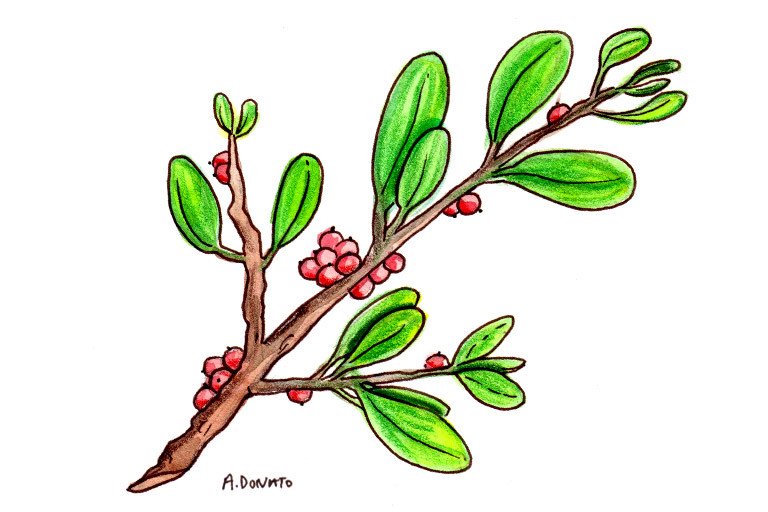
Mistletoe (European)

How It Works

Bottom Line: Because there is no solid proof that it works, mistletoe should not be used to treat cancer, hepatitis, or any other disease.

Extensive laboratory research has been performed with mistletoe, its extracts, and the product Iscador®. These experiments show that mistletoe extracts are able to stimulate the activity of several cells and factors of the immune system. In addition, mistletoe extracts show anti-tumor activity in mice implanted with cancers of the lung, colon, and breast. Researchers think this may be due to mistletoe's ability to prevent healthy cells from turning into cancer cells (differentiation). Mistletoe has been observed to lower blood pressure, but researchers are unsure exactly how this effect takes place.

Purported Uses

  • To calm muscle spasms
    No scientific evidence supports this use.
  • To slow the heart rate
    No scientific evidence supports this use.
  • To lower high blood pressure
    Laboratory data supports this use, but there is no proof from clinical trials that this effect occurs in humans.
  • To treat arthritis
    No scientific evidence supports this use.
  • To treat cancer
    Laboratory and animal studies show some anti-cancer activity, but clinical trials have not been able to confirm the same effect in humans. In general, clinical trials do not support this use, and those that do have major design flaws.
  • To treat hepatitis
    Clinical trials show conflicting results.
  • To treat HIV and AIDS
    No scientific evidence supports this use.
  • As an immune stimulant
    Laboratory and animal studies support this use, but these results are not always transferable to the human body. There is no proof from clinical trials that mistletoe can help the body fight infections or disease.
  • For sedation
    No scientific evidence supports this use.

  • Research Evidence

    Overall, most of the clinical trials studying the effectiveness of mistletoe as a cancer treatment have been poorly designed or lack a placebo group to which the patients taking mistletoe could be compared. Therefore, it is still uncertain whether mistletoe works.

    Cancer treatment
    A clinical trial in Europe used mistletoe (Eurixor®) in combination with mainstream therapies to treat patients with head and neck cancer. Patients were split into four groups: 105 patients had just surgery, 97 patients underwent surgery and received injections of mistletoe twice a week; 137 patients received surgery and radiotherapy alone, and 138 patients received surgery, radiotherapy, and twice weekly mistletoe injections. At the end of the study, mistletoe had no detectable effect on clinical response, quality of life, or survival, but did result in a greater number of side effects (e.g., injection site reaction, muscle pain, mild fever, fatigue, and sneezing). This trial does not support the use of mistletoe in head and neck cancers.

    A large survey in Germany assayed the survival of 1668 patients with various forms of cancer who underwent mainstream therapy combined with mistletoe (Iscador®) injections. When the survival of these patients was compared to that of a group of similar patients who only used mainstream cancer therapy, they were found to live on average a half a year to almost 2 years longer. This survival benefit applied to all types of cancer studied. This type of matched-patient study is not as reliable as a "blinded" randomized controlled trial, in which the researcher is unaware which patients are taking mistletoe and therefore can make unbiased analysis of the data.

    Hepatitis C
    The use of mistletoe (Iscador®) to treat hepatitis C was examined in five patients. Patients received 5 mg of Iscador® in a subcutaneous injection three times a week for twelve months. Two patients showed long-lasting improvements in liver function, viral load, and quality of life, while Iscador® therapy seemed to have no effect in the other three patients. These results are very preliminary; larger clinical trials are needed to verify if mistletoe is generally helpful in treating hepatitis C.

    Warnings

  • This product is regulated by the FDA as a dietary supplement. Unlike approved drugs, supplements are not required to be manufactured under specific standardized conditions. This product may not contain the labeled amount or may be contaminated. In addition, it may not have been tested for safety or effectiveness.
  • Mistletoe berries and leaves are highly poisonous - more than two berries or three leaves can produce toxic effects.

  • Do Not Take If

  • You are pregnant (Some compounds in mistletoe can stimulate the uterus to contract, which can increase the risk of abortion). 
  • You are taking medicine to lower your blood pressure (In theory, mistletoe may lower your blood pressure even more). 
  • You are taking digoxin (In theory, mistletoe may lessen its effects). 
  • You are taking antiarrhythmics (In theory, mistletoe may lessen its effects).

  • Side Effects

  • Headache
  • Chills 
  • Fever 
  • Leukocytosis (abnormal elevation of the white blood cell count)
  • Chest pain 
  • Orthostatic hypotension (low blood pressure upon sitting from reclining) 
  • Bradycardia (low heart rate) 
  • Diarrhea, vomiting 
  • Hypersensitivity 
  • Signs of toxicity include: Low blood pressure, coma, seizures, myosis (long-continued contraction of the pupil of the eye), and death

  • Special Point

    Although orally administered mistletoe products are available, all clinical trials have evaluated only the injected forms of mistletoe, which are not approved for use in the United States by the Food and Drug Administration.

    Scientific Name

    Viscum album, Viscum coloratum

    Common Name

    Viscum, all-heal, birdlime

    Brand Name

    Helixor®, Iscador®, Iscador Qu®, Lektinol™, Eurixor®

    Clinical Summary

    Derived from the aerial parts, except berries, of the plant. Patients use mistletoe preparations for a variety of conditions including cancer, HIV, hepatitis, and degenerative joint disease. Polypeptides, including lectins and viscotoxins, are thought responsible for in vitro immune stimulant and tumor inhibition activity (5). Although orally administered products are available, all research reported in the literature has evaluated parenteral formulations of mistletoe, which are not approved for use in the United States by the Food and Drug Administration. The body of published research suggesting efficacy for the treatment of cancer lacks well-designed randomized trials. Data are available only from small, uncontrolled trials and case reports. A meta-analysis analyzed 11 of these clinical trials conducted before 1994 and showed no benefit from mistletoe (5). A recent epidemiologic study suggested a possible survival advantage following treatment with mistletoe, but this has not been confirmed in controlled trials (10). An injectable form of mistletoe lectins has been shown to reduce the frequency and intensity of clinical signs and symptoms in patients with hepatitis C (9). Confirmed efficacy for any other proposed claims is lacking (8) (12). Possible adverse effects from treatment include injection site reactions (13), chills, fever, headache, leukocytosis, chest pain, orthostatic hypotension, bradycardia, diarrhea, and vomiting (3) (4). Toxic doses of mistletoe can produce coma, seizures, and death (2). Possible drug interactions include additive hypotensive effect from antihypertensives and antagonism of cardiac glycosides or antiarrhythmics.


    Purported uses

    • Arthritis
    • Cancer treatment
    • Hepatitis
    • HIV and AIDS
    • Hypertension
    • Immunostimulation
    • Sedation
    • Spasms

    Constituents

  • Acids: Oleic, palmitic, anisic, caffeic, para-coumaric, quinic, vanillic
  • Amines: Acetycholine, choline, histamine, tyramine
  • Flavonoids: Quercetin
  • Lectins: Lectins I, II, and III (high molecular weight polypeptides)
  • Terpenoids: Beta-amyrin, resin acids, beta-sitosterol, stigmasterol, sterol A
  • Viscotoxins: Viscotoxins A2, A3, and B (low molecular weight polypeptides)
  • Others: Mucilage, mannitol, inositol, fructose, glucose, starch, syringin, tannin
    (2)

  • Mechanism of Action

    Immunologic action of mistletoe is attributed to lectins. Lectins induce macrophage cytotoxicity, stimulate phagocytosis of immune cells, increase cytokine secretion (TNF-alpha, IL-1, IL-2, IL-6), and enhance cytotoxicity effects on various cell lines in vitro (3) (6). Hypotensive effect is thought to be mediated by acetylcholine, histamine, GABA, tyramine, and flavones, although the exact mechanism of action is unknown. Lectins and alkaloids have produced conflicting data about in vitro and animal model inhibition of cancer cell growth with mouse and human cell lines. Controlled clinical trials in human also yield mixed results on mistletoe's effects (7) (8) (9) (12).

    Warnings

    Mistletoe berries and leaves are highly poisonous - more than 2 berries or 3 leaves can produce toxic effects.
    (3)

    Contraindications

    Pregnant women should not consume mistletoe due to uterine stimulant activity of tyramine and unidentified constituents.

    Adverse Reactions

    Common: Chills, fever, headache, leukocytosis, chest pain, orthostatic hypotension, bradycardia, diarrhea, vomiting, hypersensitivity, subcutaneous infiltrates (3) (4) (13)
    Toxicity: Hypotension, coma, seizures, myosis, and death (2)


    Herb-Drug Interactions

    Antihypertensives: Theoretically mistletoe may have an additive hypotensive effect.
    Digoxin: Theoretically mistletoe may have antagonize effects due to its negative inotropic property.
    Antiarrhythmics: Theoretically mistletoe may have antagonize effects due to its negative inotropic property.

    Literature Summary and Critique

    Literature about mistletoe preparations consist primarily of uncontrolled trials, case report series, or studies with questionable designs. Several recent publications indicate possible survival advantage with various effects on quality of life.

    Steuer-Vogt MK, et al. The effect of an adjuvant mistletoe treatment programme in resected head and neck cancer patients: a randomized controlled clinical trial. Eur J Cancer 2001;37:23-31.
    A prospective evaluation of head and neck cancer patients stratified based on intervention (surgery with or without radiotherapy) and randomized to receive either placebo or mistletoe 1ng/kg Eurixor® subcutaneously twice a week for up to 60 weeks. A total of 447 patients were enrolled: Group A consisted of 105 patients receiving surgery alone compared to 97 receiving surgery and mistletoe; Group B contained 137 patients receiving surgery and radiotherapy compared to 138 receiving concomitant mistletoe. The study did not demonstrate any difference in lymphocyte subsets, quality of life, efficacy, or survival for either Group A or B. Injection site reactions were noted in 45% of all patients receiving mistletoe. Other reactions noted included myalgia, mild fever, fatigue, and sneezing. Sixteen percent of patients in Group A and 20% in Group B discontinued mistletoe due to adverse events. The authors failed to find any benefit for mistletoe injections for head and neck cancer.

    Grossarth-Maticek R, et al. Use of Iscador, an extract of European mistletoe (Viscum album) in cancer treatment: prospective nonrandomized and randomized matched-pair studies nested within a cohort study. Altern Ther Health Med 2001;7:57-78.
    A large epidemiologic matched-pair evaluation of survival in patients receiving standard chemotherapy with or without mistletoe for the treatment of various oncologic diagnoses. Patients received treatment between 1971 and 1988 throughout Germany. A total of 1668 patients received Iscador® brand mistletoe injections in combination with standard chemotherapy. The authors matched patients for comparison in an unblinded fashion allowing no more than 2 minor deviations in criteria between patients. Final data analysis revealed a statistically significant survival advantage for patients receiving Iscador®. All types of cancer appeared to benefit with added survival ranging from 0.48 to 1.72 years. The authors make no mention of adverse events or toxicity. The authors also did not match for the type or number of previous chemotherapy regimens that patients received.

    Tusenius KJ, Spoek JM, Kramers CW. Iscador Qu for chronic hepaptis C: an exploratory study. Complement Ther Med 2001;9:12-6.
    A case report series of 5 patients administered 5 mg Iscador® subcutaneously three times a week for 12 months. All patients had serologically confirmed Hepatitis C. Changes in viral load and improvement in liver function tests were noted in two patients, but elevated viral load and stable or elevated liver functions tests were noted in another 3 patients. The only side effect reported was injection site reaction. Improvements in quality of life were shown after treatment and persisted up to 6 months following treatment. Additional studies are needed to confirm this effect.

    References

    1. Foster S, et al. Tyler's Honest Herbal: A Sensible Guide to the Use of Herbs and Related Remedies, 4th ed. New York: Hawthorn Herbal Press; 1999.
    2. Newall CA, et al. Herbal medicines: A Guide for Health Care Professionals. London: Pharmaceutical Press; 1996.
    3. Schulz V, et al. Rational Phytotherapy: A Physician's Guide to Herbal Medicine, 4th ed. New York: Springer; 2001.
    4. Gorter RW, et al. Subcutaneous infiltrates induced by injection of mistletoe extracts (Iscador). Am J Ther 1998;5:181-7.
    5. Kleijnen J, Knipschild P. Mistletoe treatment for cancer: Review of controlled trials in humans. Phytomedicine 1994;1:255-60.
    6. Goebell P, et al. Evaluation of an unconventional treatment modality with mistletoe lectin to prevent recurrence of superficial bladder cancer: a randomized phase II trial. J Urol. 2002 Jul;168(1):72-5.
    7. Mengs U, Gothel D, Leng-Peschlow E. Mistletoe extracts standardized to mistletoe lectins in oncology: review on current status of preclinical research. Anticancer Res 2002;22:1399-407.
    8. Steuer-Vogt MK, et al. The effect of an adjuvant mistletoe treatment programme in resected head and neck cancer patients: a randomised controlled clinical trial. Eur J Cancer 2001;37:23-31.
    9. Huber R, et al. Effects of a mistletoe preparation with defined lectin content on chronic hepatitis C: an individually controlled cohort study. Eur J Med Res 2001;6:399-405.
    10. Grossarth-Maticek R, et al. Use of Iscador, an extract of European mistletoe (Viscum album) in cancer treatment: prospective nonrandomized and randomized matched-pair studies nested within a cohort study. Altern Ther Health Med 2001;7:57-78.
    11. Tusenius KJ, Spoek JM, Kramers CW. Iscador Qu for chronic hepaptis C: an exploratory study. Complement Ther Med 2001;9:12-6.
    12. Kleeberg UR, et al. Final results of the EORTC 18871/DKG 80-1 randomised phase III trial. rIFN-alpha2b versus rIFN-gamma versus ISCADOR M versus observation after surgery in melanoma patients with either high-risk primary (thickness >3 mm) or regional lymph node metastasis. Eur J Cancer. 2004 Feb;40(3):390-402.
    13. Finall AI, McIntosh SA, Thompson WD. Subcutaneous inflammation mimicking metastatic malignancy induced by injection of mistletoe extract. BMJ 2006:333:1293-4.

    Last Updated: Dec. 11, 2007
    E-mail your questions and comments to aboutherbs@mskcc.org.
    PrintEmail This Page