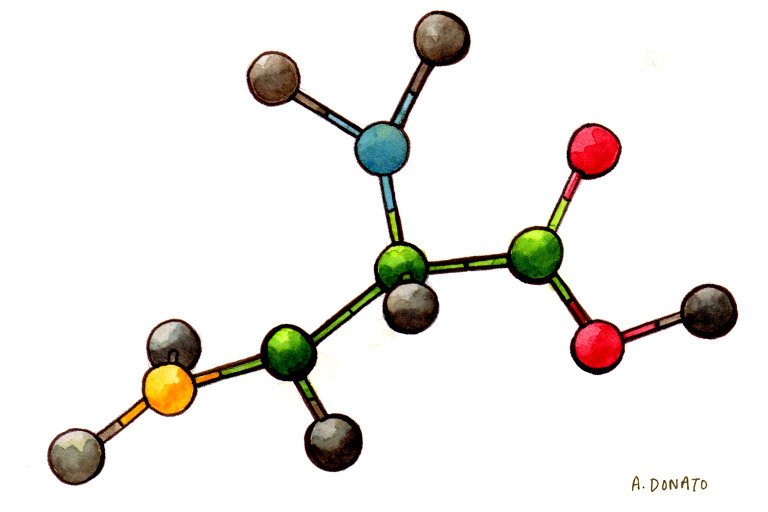
Common Names
- Acetylcysteine
- NAC
- N-acetyl-cysteine
For Patients & Caregivers
Tell your healthcare providers about any dietary supplements you’re taking, such as herbs, vitamins, minerals, and natural or home remedies. This will help them manage your care and keep you safe.
N-acetylcysteine is used as a drug for acetaminophen overdose and to help break up mucus. It has not been proven to be an effective treatment for cancer.
N-acetylcysteine (NAC) is a dietary supplement derived from the amino acid L-cysteine. It is used as an antidote for acetaminophen overdose. As an antioxidant, it is thought to reduce DNA damage. NAC is also marketed for its liver-protective properties and to support healthy immune functioning.
In humans, NAC can dissolve and loosen mucus caused by some respiratory disorders. It has also been studied for several psychiatric disorders with limited success. Small trials suggest potential to reduce cancer-treatment toxicities, but it has not been shown to treat cancer. Additional studies are needed to determine safety and efficacy of NAC for various conditions.
- To treat drug-induced liver toxicity
NAC is an effective treatment for acetaminophen poisoning, which can be life-threatening. If liver toxicity is suspected, seek immediate medical attention for proper treatment. - To treat chronic lung disease
Study results are mixed. Some trials suggest it may reduce inflammation, flare-ups, or improve lung function, but benefits were not observed in other trials. - To treat depression
Results with NAC as add-on therapy for depression are mixed. Additional studies are needed. - To prevent and treat cancer
Small studies suggest this supplement might prevent certain pre-cancerous damage, but there is no proof that it can prevent cancer. - To reduce cancer treatment side-effects
A few initial studies suggest possible benefit, but more studies are needed to determine safety and effectiveness. One study cited unpleasant odor that was partly masked by diluting the product.
- Stomach upset
- Diarrhea
- Nausea
- Vomiting
- Fatigue
- Eye irritation
- Skin rash
Less common: Low blood pressure, anaphylactic shock, asthma attacks, headache
Case reports
Light sensitivity: Occurred in pulmonary fibrosis patients taking NAC in combination with pirfenidone. The reaction could not be explained by other variables such as location, season, or other medications taken at the same time.
Patient Warnings:
- NAC is used as an antidote for liver toxicity caused by acetaminophen poisoning, which can be life-threatening. If acetaminophen overdose is suspected, seek immediate medical attention for proper treatment.
Do Not Take if:
- You are taking nitroglycerin: In humans, NAC can further reduce blood pressure and cause severe headaches.
Special Point:
- It is controversial whether antioxidants like NAC can lessen or negate cancer treatment effects. Because some cancer therapies work by creating free radicals that kill cancer cells, high levels of antioxidants may neutralize these effects and protect cancer cells from these therapies. So what protects healthy cells may protect cancer cells as well. Patients who are interested in taking antioxidants during therapy should consult with their oncologist.
For Healthcare Professionals
N-acetylcysteine (NAC) is an antioxidant that is used as a prescription drug and as a dietary supplement. As a drug, it is given parenterally or orally to treat acetaminophen overdose. It also has other clinical applications. For example, the inhalant and oral solution forms have a mucolytic effect, and are used to relieve obstructions in bronchial diseases and in tracheotomy procedures. The oral capsule is marketed as a dietary supplement for its liver-protective properties and to support healthy immune functioning.
Clinical studies show that NAC can treat drug-induced hepatotoxicity (1) (2). For prevention of contrast-induced acute kidney injury, a meta-analysis found misleading beneficial associations that were lost when analysis was restricted to larger studies (52), and mechanistic studies showed that oral NAC is poorly absorbed with no renoprotective effects (53).
Results with NAC for chronic lung disease are mixed. Some studies suggest it can reduce exacerbations (5) (44), inflammation (45), and help improve or maintain lung function (6) (38), but such benefits were not observed in other trials (7) (8) (37) (39) (54). In addition, a meta-analysis suggests it is not the most effective mucolytic agent for COPD (45).
There has also been interest in using NAC to improve psychiatric conditions, but studies are mixed on whether it can help conditions such as compulsive disorders (13) (14) (55) or depression (47) (48) (49) (56).
Although small studies suggest that NAC may inhibit cancer biomarker development (15) (16), a large trial found it did not inhibit formation of secondary head and neck or lung tumors (17). Other preliminary findings suggest NAC may help reduce cancer treatment-related side effects such as liver toxicity (4), neuropathy (18) (57), mucositis (43) (50), or poor hematopoietic function (58), but it did not reduce oxidative stress (42) or cisplatin toxicities (51). It is also unclear whether NAC, as an antioxidant, may alter cancer treatment effectiveness.
Gastrointestinal side effects have been reported (19) and unpleasant product odor that required masking has been noted (50). Although it is generally known for its safety profile, NAC supplementation in an animal model appeared to accelerate lung cancer growth (36). Therefore additional studies are needed to determine safety, feasibility, and efficacy.
- Liver toxicity
- Chronic lung disease
- Depression
- Cancer
- Treatment side effects
NAC is a precursor to glutathione (GSH). It is used as both an antidote for acetaminophen-induced hepatotoxicity, and as a mucolytic agent for respiratory diseases. NAC reduces disulphide bonds to sulfhydryl bonds to reduce mucus formation (20). Its hepatoprotective action may occur by cytokine-mediated mechanisms as well as GSH replenishment (21). NAC crosses the blood-brain barrier, increases brain GSH levels, and acts as a glutamine modulator (11).
In vitro, NAC improved ifosfamide benefits by decreasing nephrotoxicity without reducing antitumor effects (26). NAC altered doxorubicin-induced NF-κB activity via concentration-dependent anti- and pro-oxidant mechanisms (27). This biphasic effect was also time-dependent (28). In androgen-independent human prostate cancer PC-3 cells, antiproliferative effects were attributed to upregulated Cyr61 protein expression (28).
Other mechanistic studies show that oral NAC is poorly absorbed with no renoprotective effects (53). In an animal model, NAC increased lung cancer cell proliferation due to its antioxidant activity by reducing ROS, DNA damage, and p53 expression (36).
Common (Oral): Gastrointestinal disturbance, diarrhea, nausea, vomiting, fatigue, conjunctival irritation, skin rash (26) (28)
Other: Hypotension, anaphylaxis, asthma attacks, headache (29)
Case reports
Photosensitivity not attributable to location, season, or concomitant medication: Occurred among pulmonary fibrosis patients more frequently with acetylcysteine than placebo in combination with pirfenidone (39).