Human Oncology & Pathogenesis Program
The David Solit Lab
Research

David B. Solit, MD
Co-Director, Marie-Josée & Henry R. Kravis Center for Molecular Oncology
Our research is based on the underlying hypothesis that the ability to inhibit an oncogenic pathway and block cancer growth will vary based on cell lineage and the complement of mutations within the tumor. To design rational therapeutic studies, we must define not only the spectrum of genetic changes within particular tumor types but also the mechanisms by which these alterations support tumor growth, survival, metastasis, and other hallmarks of cancer.
Research Projects

Featured News
Physician-scientist David Solit was interviewed about exceptional responders, patients who defy all expectations by responding dramatically to a drug t...
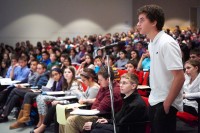
Event
Every year, MSK gives high school students and their teachers the opportunity to learn about cutting-edge biomedical research from our scientists.
Feature
Memorial Sloan Kettering’s vision is nothing less than to revolutionize the treatment of cancer. Learn about some of the ways we’re doing it.
People
David B. Solit, MD
Co-Director, Marie-Josée & Henry R. Kravis Center for Molecular Oncology
- Physician-scientist David Solit studies human oncology and pathogenesis, genomics, oncogenes and tumor suppressors, cancer therapeutics, and clinical trials.
- MD, University of Pennsylvania
- [email protected]
- Email Address
- View physician profile
- Physician profile
Members


Research Lab Manager
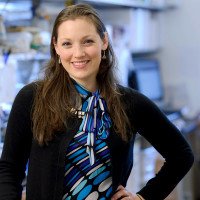
Assistant Lab Member

Administrative Assistant
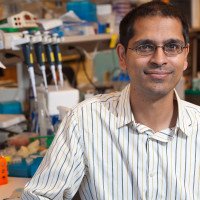
Assistant Attending, Genitourinary Oncology Service
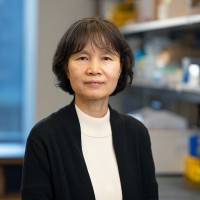
Associate Attending Biologist

Scientific Research Lead

GSK Graduate Student
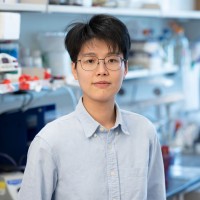
Weill Cornell BCMB Graduate Student

Weill Cornell Graduate Student

Computational Biologist I

Associate Attending Pathologist, Memorial Hospital

Senior Research Scientist

Senior Research Scientist
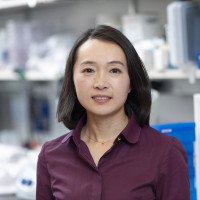
Research Associate

Scientific Research Lead

Medical Student

Assistant Attending Pathologist

Computational Biologist

Senior Research Technician

Bioinformatics Software Engineer

Graduate Research Assistant

Research Technician

Research Technician
Research Associate

GSK Graduate Student


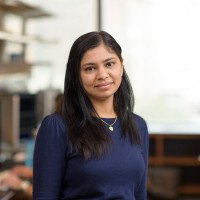
Senior Computational Biologist
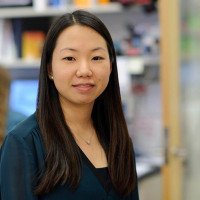
Senior Computational Biologist

Research Technician
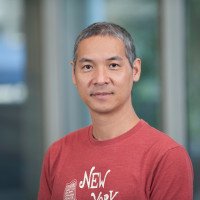
Research Associate
Research Fellow
Program Assistant
Research Fellow
Senior Research Technician
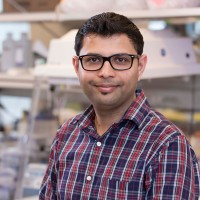
Research Assistant
Urology Fellow
Fellow
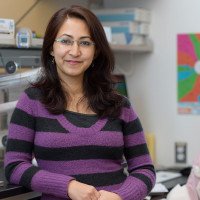
Research Associate
Senior Research Scientist
Visiting Investigator
Urology Fellow
Visiting Investigator
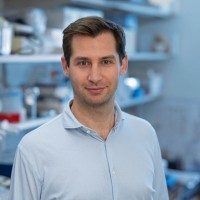
Visiting Investigator
Fellow

Research Fellow
Research Technician
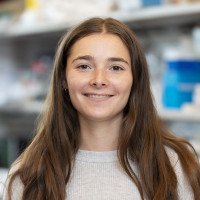
Research Technician
Research Technician

Associate Director, CMO
Medical Student
Research Technician
Bioinformatics Software Engineer
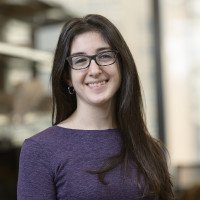
Lead, CCS Analyst
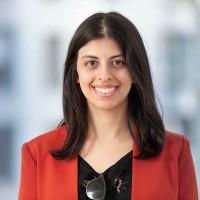
Bioinformatics Software Engineer
Urology Fellow
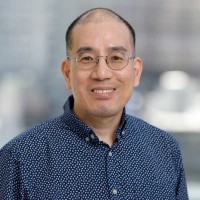
Senior Computational Biologist
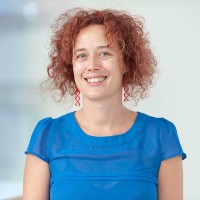
Senior Computational Biologist
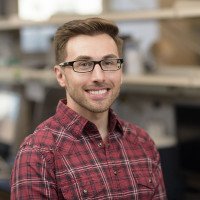
Senior Computational Biologist
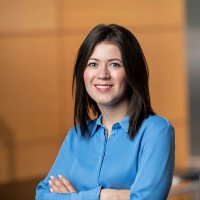
Senior Computational Biologist
Senior Computational Biologist
Lead, TEMPO Pipeline
Research Technician
Research Technician
Urologic Oncology Fellow
Urology Fellow
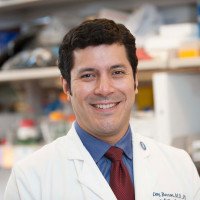
Radiation Oncology Resident
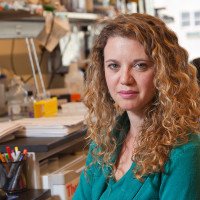
Research Fellow
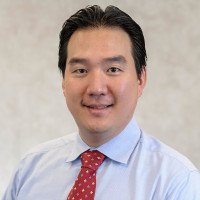
Assistant Attending, Urologic Oncology
Fellow
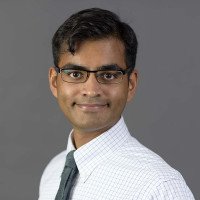
Urologic Oncology Fellow
Resident in Radiation Oncology

Computational Biologist
Senior Technician
Research Fellow
Urologic Oncology Fellow

Research Associate
Fellow
Clinical Research Fellow
Urology Fellow
Urology Fellow
Urology Fellow
Scientific Relations Manager, OncoKB
Computational Biologist
Cornell University Graduate Student
Urology Fellow

Assistant Attending, Gynecologic Medical Oncology Service
Research Fellow

Administrative Assistant
Assistant Attending Pathologist
Manager, Clinical Data at Flatiron Health, New York, NY
Research Fellow
Medical Student
Graduate Research Assistant
Research Fellow
Research Technician
Achievements
- Member, American Society for Clinical Investigation (2011)
- Louise and Allston Boyer Young Investigator Award for Basic Research, Memorial Sloan Kettering Cancer Center (2007)
- Kimmel Scholar, Sidney Kimmel Foundation for Cancer Research (2007)
- Career Development Award, American Society of Clinical Oncology (2002)
- Young Investigator Award, American Society of Clinical (2001)
- Doris Duke Translational Award, Doris Duke Foundation (2001)
- Clinical Scholars Research Fellow, National Institutes of Health (2000)