Human Oncology & Pathogenesis Program
The Emily Cheng Lab
Research

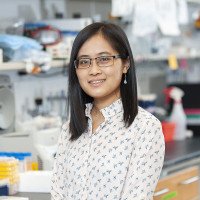
Emily H. Cheng, MD, PhD
Attending Pathologist, Department of Pathology; Member, Human Oncology and Pathogenesis Program
The focus of the Cheng laboratory is to elucidate the molecular mechanisms of cell death with an overarching goal of directly translating cell death mechanisms into novel anti-cancer therapeutic strategies that can effectively trigger cancer cell death and enhance anti-cancer immunity.
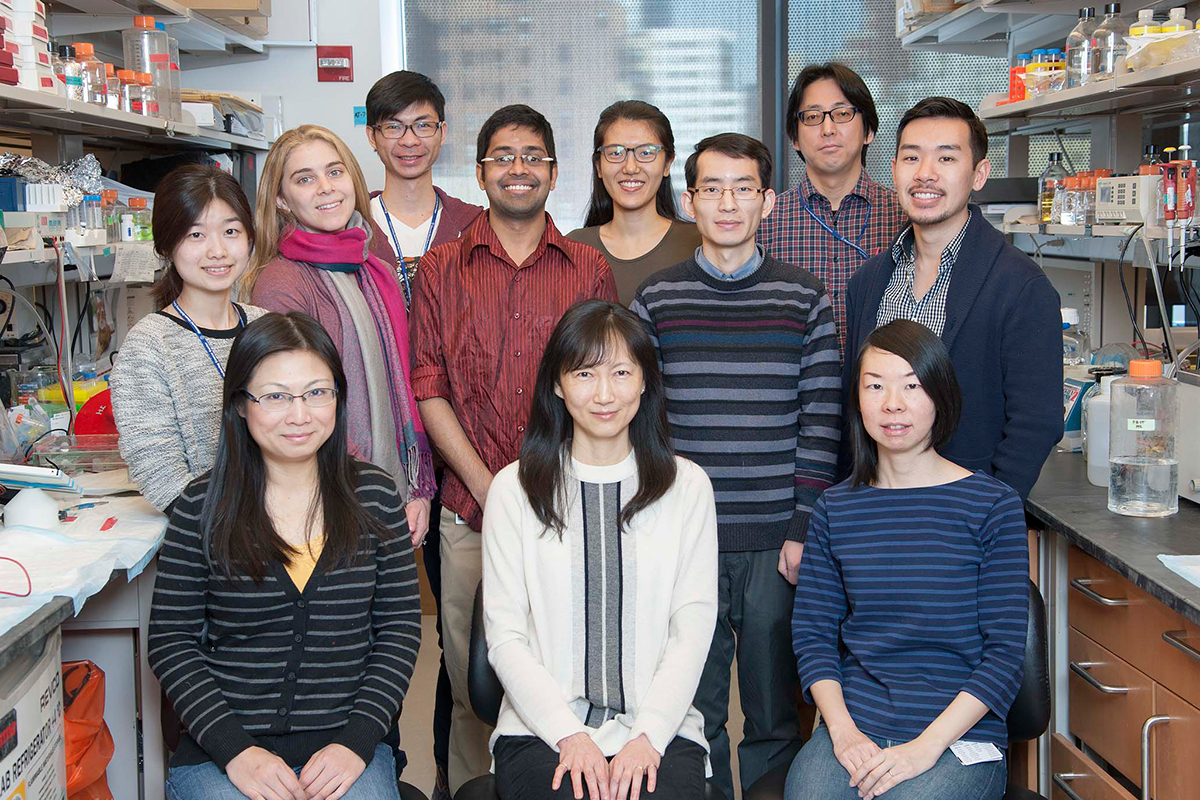
People
Emily H. Cheng, MD, PhD
Attending Pathologist, Department of Pathology; Member, Human Oncology and Pathogenesis Program
- Physician-scientist Emily Cheng studies the molecular mechanisms of cell death and their implications in tumorigenesis, tumor-microenvironment interactions, targeted therapy, and immunotherapy.
- MD, Taipei Medical University
- PhD, Johns Hopkins University School of Medicine
- [email protected]
- Email Address
- 646-888-3258
- Office Phone
Members

Research Fellow
Research Technician
Senior Research Technician
Research Associate
Senior Research Scientist
Research Fellow
Research Fellow


Graduate Research Assistant

Research Technician
Research Fellow
Research Fellow
Research Assistant

Research Fellow
Graduate Student
Research Fellow
Research Technician
Graduate Research Assistant
Research Fellow
Research Fellow
Research Technician
Research Technician
Program Assistant
Graduate Research Assistant
Research Technician
Research Technician
Data Scientist at Audible, Inc., Newark, NJ
Graduate Student
Achievements
- Distinguished Investigator Award, Washington University School of Medicine (2010)
- Searle Scholar Award (2005)
- Howard Temin Award, National Cancer Institute (2003)