Developmental Biology Program
The Eric Lai Lab
Research

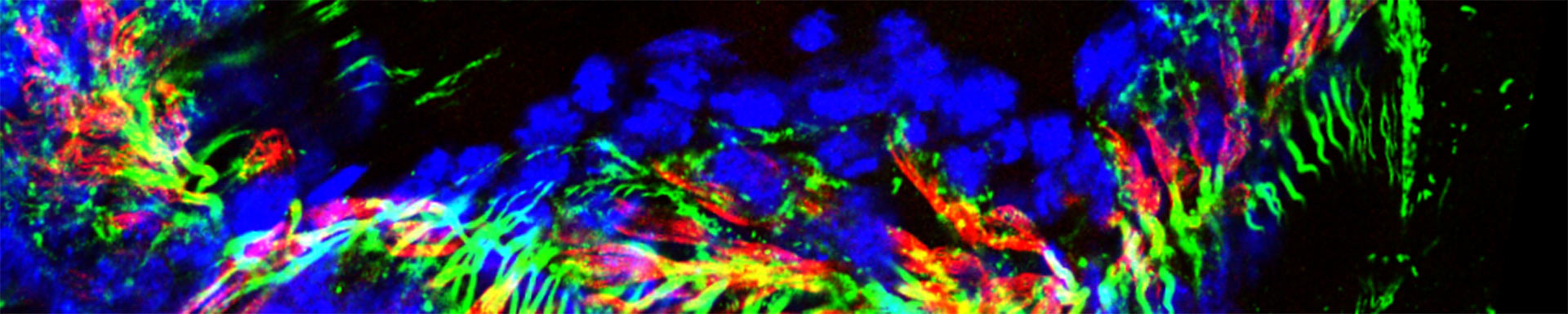
As a laboratory of developmental biology, our guiding interest is to comprehend how complex biological patterns can be assembled with stereotyped precision. This requires a detailed understanding of how cells come to execute appropriate behaviors — be it adoption of specific cell fates, proliferation, or apoptosis — and do so at the right times, in the right places, and in the right numbers. Dysfunction of processes that direct normal tissue patterning results not only in developmental disorder but also underlies adult disease. Tellingly, many factors whose mutation is relevant to human cancer were first identified and characterized with respect to development in model organisms. To study these topics, we utilize integrative approaches, combining genetics, biochemistry, and genomewide approaches, to elucidate detailed molecular mechanisms and use these to understand in vivo biology as well as decipher genomic regulatory networks.
Research Projects

Featured News

People
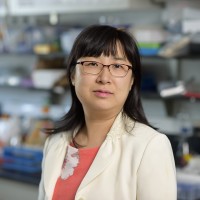
Eric C. Lai, PhD
- The Lai laboratory integrates genetics, biochemistry, and genomewide approaches to study diverse regulatory networks during patterning and behavior.
- BA, Harvard College
- PhD, University of California, San Diego
- [email protected]
- Email Address
- 212-639-5578
- Office Phone
- Download CV
- PDF File
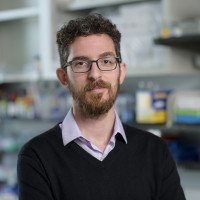
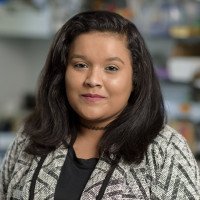
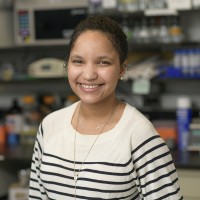
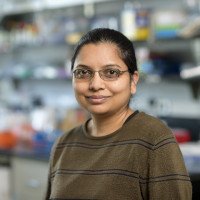
Members












Achievements
- Louise and Allston Boyer Young Investigator Award for Basic Research, Memorial Sloan Kettering Cancer Center (2009)
- Kimmel Scholar, Sidney Kimmel Foundation for Cancer Research (2007-2009)
- V Scholar, V Foundation for Cancer Research (2006-2008)
- Career Award in the Biomedical Sciences, Burroughs Wellcome Fund (2005)
- Special Fellow, Leukemia and Lymphoma Society (2004-2006)
- Fellow, Damon Runyon Cancer Research Foundation (2000-2003)
- First elucidation of the major basis of miRNA-target recognition
- Discovery of novel transcription and signaling and factors that regulate neural development