The Samuel Singer Lab
Research

Soft tissue sarcoma is a heterogeneous disease with more than 50 histological subtypes, which have diverse biological behavior and – in many cases – unique genetics. Many sarcoma subtypes respond poorly to chemotherapy, so there is an urgent need for better treatment options for patients whose disease cannot be cured surgically. The major focus of my research is the discovery of genetic and epigenetic alterations in sarcoma to gain insight into sarcoma biology and find new targets for therapy.
The immediate goal of our research is to increase our understanding of sarcoma biology by discovering the alterations in DNA and RNA that cause sarcomas to develop and progress. These findings allow us to improve both the accuracy of diagnosis and the accuracy of predicting treatment outcome and survival for individual patients. These better predictions, in turn, will make it possible for patients to be given the treatment (such as a specific targeted therapy, chemotherapy, or radiation) most likely to be effective for their particular tumor.
Another goal of the research is to find new targeted therapies aimed specifically at alterations in particular tumor types. Examples of targeted therapies that I have been actively involved in developing and designing include anti-angiogenesis therapy for soft tissue sarcoma, imatinib (Gleevec®) for gastrointestinal stromal sarcoma, and cell cycle kinase inhibitor therapies (CDK4, AURKA, and PLK1), demethylating agents, HDAC inhibitors, and PPAR gamma ligands for various liposarcomas.
I am optimistic that this research will ultimately improve survival and quality of life for patients with soft tissue sarcoma.

People
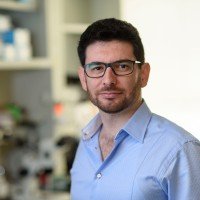
Samuel Singer, MD, FACS
Chief, Gastric and Mixed Tumor Service; Vincent Astor Chair of Clinical Research and Director, Sarcoma Center at Memorial Sloan Kettering
- Physician-scientist Samuel Singer studies the genomic alterations that define new targets for therapy in sarcoma. I am a surgical oncologist who specializes in the diagnosis and treatment of soft tissue sarcoma. I have extensive experience with this group of cancers, and am one of just a few surgeons in the world focused solely on treating sarcoma patients. My years of experience have enabled me to devise surgical techniques that improve the ability to completely remove these tumors. In addition to my clinical sarcoma practice, I conduct laboratory research to develop new methods to improve the diagnosis and treatment of sarcoma. I lead both a National Cancer Institute Specialized Program in Research Excellence (SPORE) and the Sarcoma Genome Project.
- MD, Harvard Medical School
- View physician profile
- Physician profile
Members