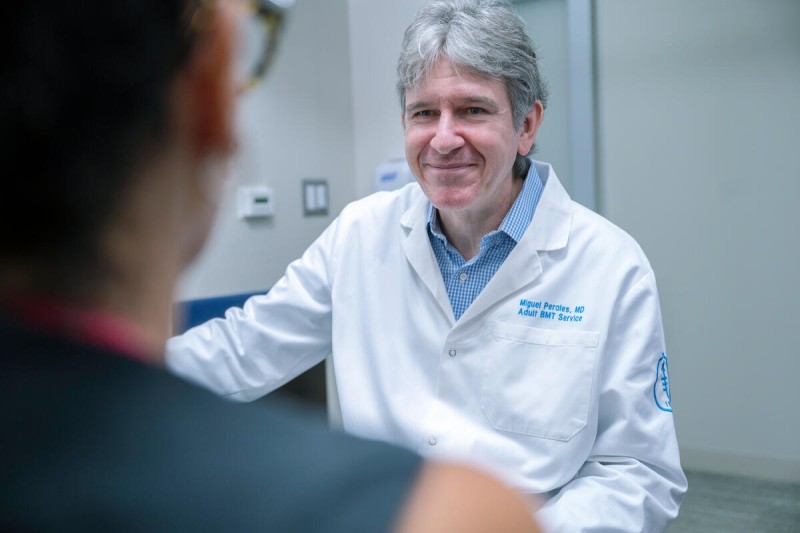
What Is a Stem Cell Transplant and What Can They Treat?
A stem cell transplant is a treatment for some kinds of cancer. This includes blood cancers such as leukemia, lymphoma, and multiple myeloma. A stem cell transplant also can be used to treat some genetic conditions and blood diseases that are not cancer.
You may hear your transplant called a stem cell transplant or a bone marrow transplant.
How Do Stem Cell Transplants Work?
In a stem cell transplant, new stem cells are added into the bloodstream to replace unhealthy cells. The stem cells are taken from either the bone marrow or the bloodstream.
Transplantation is performed in the hospital or in an outpatient (ambulatory) setting. We’re now doing more transplants in an outpatient setting. Your care team will help decide what is best for you.
How Do Bone Marrow Transplants Work?
A bone marrow transplant is a kind of stem cell transplant. In this procedure, the stem cells are taken from the bone marrow.
What Are Stem Cells?
Stem cells are immature cells that grow into all the blood cells in your body. Your stem cells are always dividing and changing into different types of blood cells. Most stem cells are in bone marrow. That’s the soft tissue in the spaces in the center of mostly larger bones. A few stem cells are also found in your bloodstream.
Who Can Have a Stem Cell Transplant?
Stem cell transplants have been done for many years. We can now give transplants to some people who could not have them in the past. This includes people who are older or who have other health conditions.
Stem cell transplants can be hard on many people. The process to get a person ready for the procedure has side effects. They include nausea (feeling like throwing up), diarrhea (watery poop), mouth sores, and fatigue (feeling very tired).
Your immune system is your body’s defense against infection and disease. It is suppressed for a long time after a transplant. That means it’s weakened and stops working as well. During that time, you’re at a higher risk for many types of infections.
Because of possible complications, a stem cell transplant is not right for everyone.
Why Choose MSK for a Stem Cell Transplant?
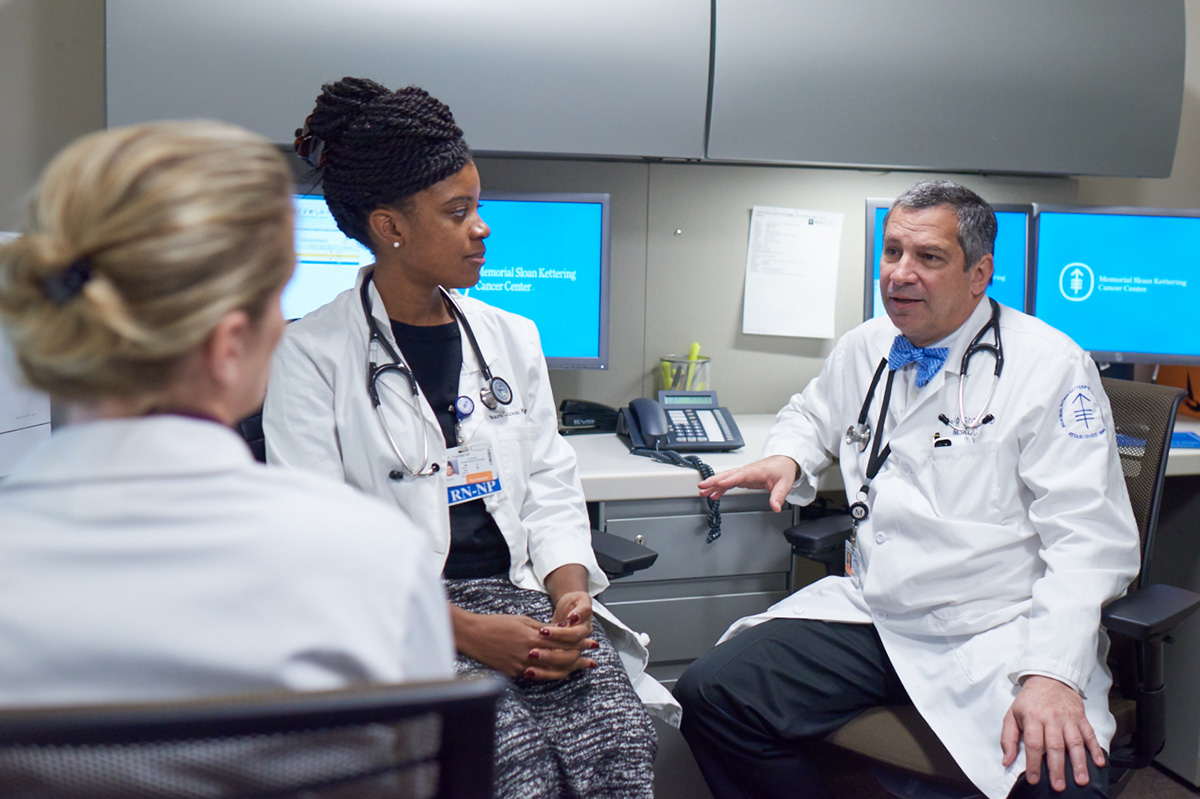
Our Experience Since 1973
Memorial Sloan Kettering Cancer Center (MSK) is one of the largest centers for stem cell and bone marrow transplants in the country. In 1973, our doctors did the world’s first successful transplant between a patient and an unrelated donor.
Since then, MSK has been a leader in stem cell transplantation. We developed many of the transplant methods widely used today. MSK has done more than 10,000 transplants.
Our Research to Improve Treatment Results
MSK doctors and care teams never stop improving the care we deliver. Our stem cell transplant researchers always work to lower the chances of complications (problems) from transplants. We’re also working to make stem cell transplants available to more people.
Your Transplant Care Team
We give each person who needs a transplant the best care possible. Our highly skilled transplant doctors, nurses, and nurse practitioners work with many other experts. They include immunologists, gastroenterologists, kidney specialists, radiologists, psychiatrists, psychologists, physical and occupational therapists, rehabilitation doctors, and social workers.
Support Services for MSK Patients
We understand you may be overwhelmed by the idea of having a stem cell transplant. You may also be worried about the complications of other diseases you may have. For those reasons, MSK offers many resources and supportive care services. They’re available before, during, and after the procedure.
They can help you and your caregivers with the challenges you face, and improve your quality of life. Also, our Adult Survivorship Program can help you adjust during and after cancer treatment. Watch a video to learn more about MSK’s Adult Survivorship Program.
Learn about our Health Information Policy.


