History & Overview Annual Report President's Pages Center News Community Affairs
Make a Gift Cycle for Survival Fred's Team Rock & Run on the River Yankees Universe Fund Thomas Blake Sr. Memorial Research Fund Donating Blood & Platelets Volunteering Thrift Shop Park Avenue Potluck CELEBRATIONS
Press Releases In the News Information for Journalists News@MSKCC
Manhattan New Jersey Long Island Westchester
Working at Memorial Sloan-Kettering Work Sites College Recruitment About Nursing Job Fairs & Career Days IS Careers Job Search & Apply Online

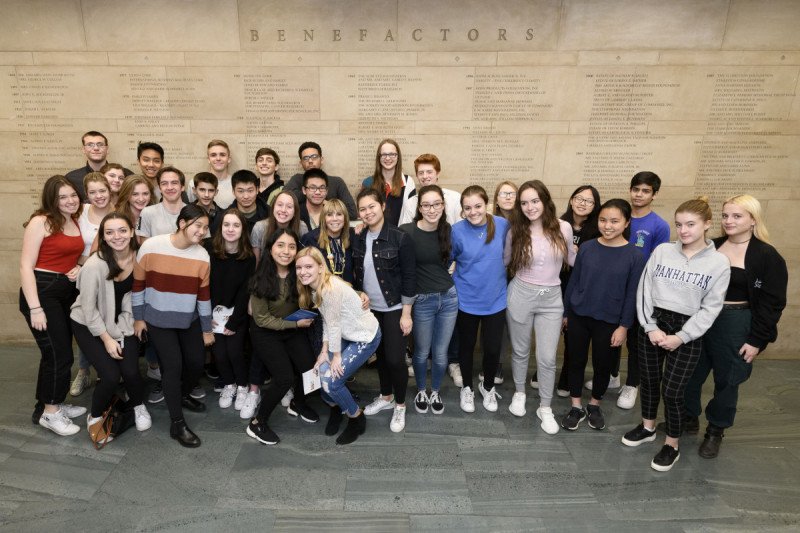
At Memorial Sloan-Kettering Cancer Center, one of our goals is to shape and inspire future scientists -- by fostering an enthusiasm for science and providing innovative tools to enhance secondary school science education.

Join Us on November 5
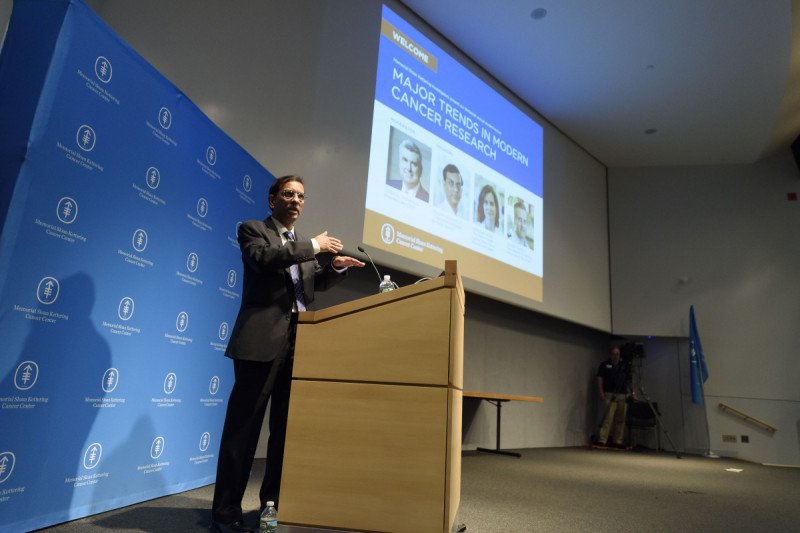
Major Trends in Modern Cancer Research will be held on Thursday November 5

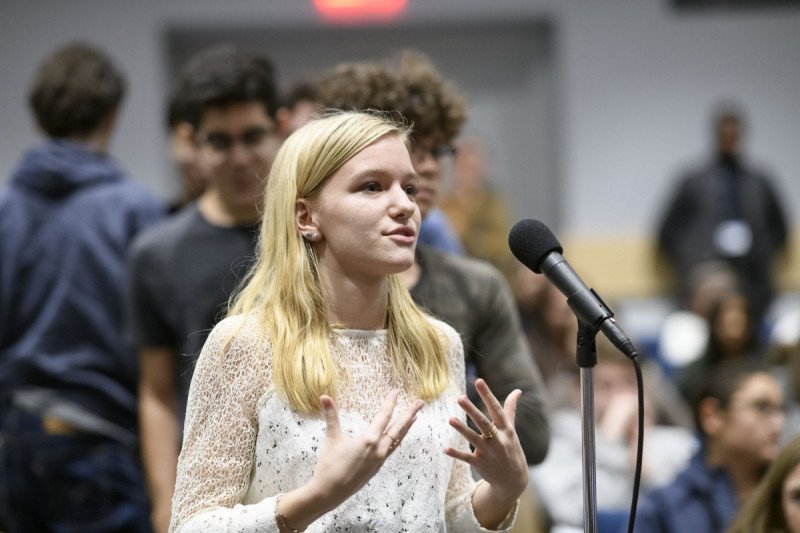
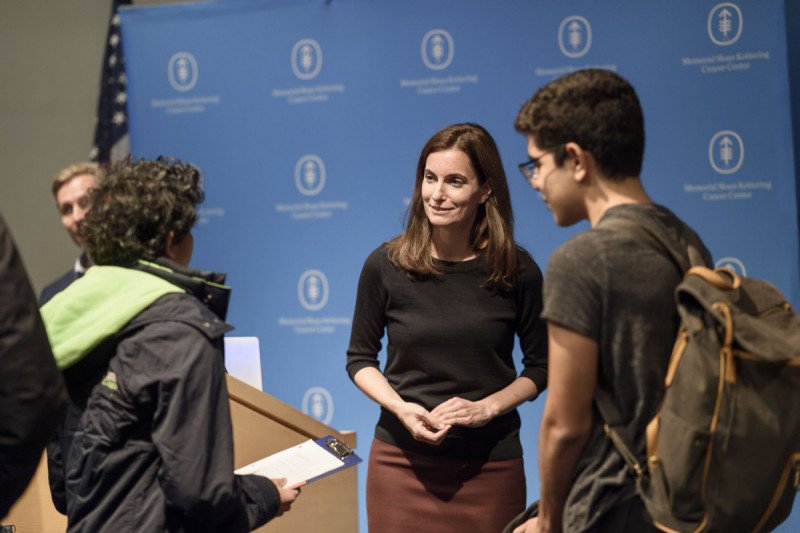
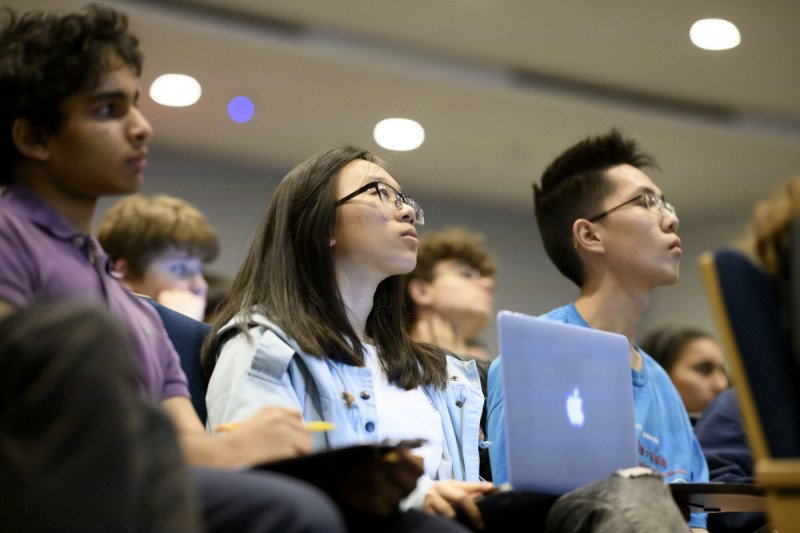
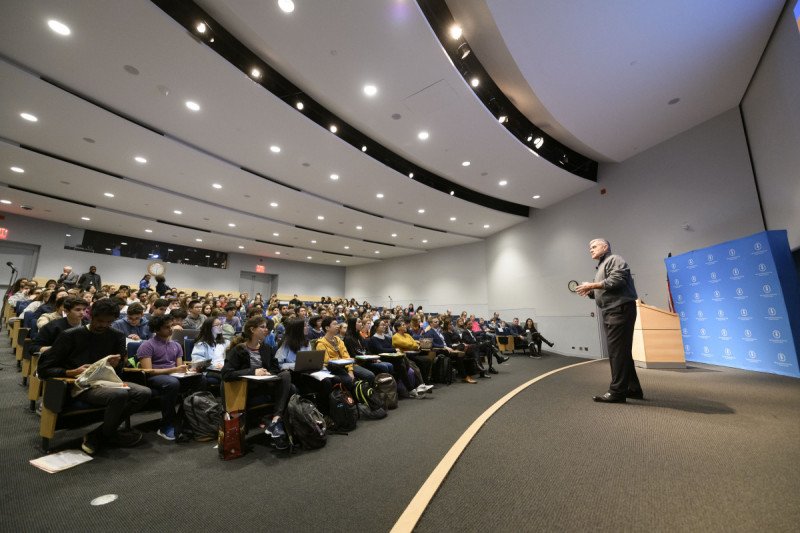
Our annual seminar, Major Trends in Modern Cancer Research, features a group of our leading scientists presenting their work to high school students and secondary school science teachers, offering a chance for them to interact and ask questions about Memorial Sloan-Kettering's research and the latest advances in biomedical research.

For more information, e-mail outreach@mskcc.org, or call 212-639-3629.

Videos of Past Lectures

  • 2008 Lecture
    Memorial Sloan-Kettering leading researchers -- Harold Varmus, Kathryn Anderson, Prasad Jallepalli, and Kenneth Offit -- highlight current trends in cancer research -- explaining cancer mutations, cell division, and clinical genetics.
  • 2007 Lecture
    Three of Memorial Sloan-Kettering's leading researchers -- Harold Varmus, Johanna A. Joyce, and James Allison -- explain how the latest developments in various areas of science contribute to better treatments for cancer patients.
  • 2006 Lecture
    Four of Memorial Sloan-Kettering's leading researchers -- Harold Varmus, Joan Massagué, David Scheinberg, and Charles Sawyers -- highlight current cancer research, explaining how the latest developments in genetics, chemistry, and other areas of science contribute to better treatments for cancer patients.

Bookmark and SharePrintEmail This Page