The Alex Kentsis Lab
Research

We study the biology of cancers that affect children and young adults ranging from embryonal tumors in infants, leukemias and brain tumors in children, and sarcomas in young adults. Scientists in our group use inter-disciplinary experimental tools as they work to understand the fundamental causes of cancer and to develop definitive therapies for their control.
Developmental origins of cancer. How do cancer-causing mutations arise early in life? We investigate how developmentally regulated mechanisms of genome remodeling generate oncogenic DNA rearrangements. Our work has identified the transposase-derived protein PGBD5 as a mediator of site-specific mutations in childhood solid tumors. We study its functions in normal development and tumorigenesis, the chromatin and cellular factors that regulate its activity, and the relationship between developmental cell states and susceptibility to transformation. These studies also reveal therapeutic opportunities: we seek to exploit dependencies on DNA damage repair and epigenetic regulation to selectively target cancers driven by developmental mutators.
Gene regulation, cell plasticity, and therapy resistance. We investigate how signaling pathways and transcriptional complexes control malignant cell identity, survival, and response to treatment. A central question is whether cancer cells deploy normal molecular machinery in inappropriate contexts or depend on structurally aberrant regulatory assemblies. In acute myeloid leukemia, our studies connect kinase signaling with transcription factors such as MEF2C and MYB and define how altered transcriptional coactivator complexes sustain oncogenic gene expression. We develop chemical and peptidomimetic probes to disrupt these interactions and test strategies for therapeutic reprogramming. Complementary studies examine the epigenetic mechanisms of leukemia stem-cell quiescence and persistence, with the goal of overcoming resistance and preventing disease relapse.
Functional proteomics and therapeutic technologies. We develop high-sensitivity, quantitative mass spectrometry and integrative proteogenomic methods to measure the molecular activities of cancer cells, not simply their genetic alterations. Newly developed methods, including the Quantitative Cell Proteomics Atlas and ProteomeGenerator, connect protein abundance, regulatory modifications, and non-canonical protein products with cellular function. We use these approaches to investigate cancer-specific proteomes, discover biomarkers and therapeutic targets, and define signaling dependencies in patient specimens. In parallel, we develop proteomic barcoding and modular macromolecular delivery technologies, including bio-orthogonal conjugates, to support molecular screening and the selective delivery of therapeutic agents.
Biophysical principles and computational biology. Underlying these efforts is an interest in the principles governing the organization of biological molecules, genomes, and cells. We integrate biophysical theory, statistical mechanics, molecular simulations, computational genomics, and systems biology to investigate molecular recognition and regulatory organization. These approaches inform the design of agents that perturb disease-associated protein interactions and help connect molecular mechanisms with developmental and cancer phenotypes.
With colleagues, we wrote Developmental Oncology: Principles and Therapy of Cancers of Children and Young Adults, a book that redefines them as diseases rooted in specific developmental cell states and early‑life mutational processes, spurring the development of rational and precise clinical therapies targeting this distinct biology.
Learn more at alexkentsis.net.

Featured News


People
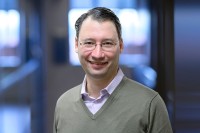
Alex Kentsis, MD, PhD
Director of the Tow Center for Developmental Oncology
- Cancer biologist and pediatric oncologist Alex Kentsis leads research in the functional proteomics and molecular pharmacology of refractory childhood cancers.
- MD, Mount Sinai School of Medicine
- PhD, New York University
- [email protected]
- Email Address
- 1-646-888-2593
- Office Phone
- View physician profile
- Physician profile
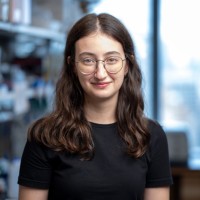
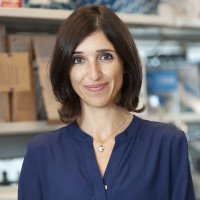
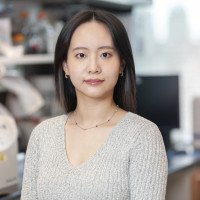
Members









Achievements
- Louise and Allston Boyer Award for Clinical Research
- Terry Ann Krulwich Physician-Scientist Alumni Award
- Pershing Square Sohn Prize
- Leukemia & Lymphoma Society Scholar Award
- Josie Robertson Investigator (2013-2018)
- St. Baldrick’s Robert J. Arceci Innovation Award
- Elected Member of American Society for Clinical Investigation
- Society for Pediatric Research Young Investigator Award
- Rita Allen Foundation Scholar Award
- Damon Runyon Cancer Research Foundation Clinical Investigator Award
- American Society of Hematology Scholar Award
- Burroughs Wellcome Fund Career Award for Medical Scientists
- Pediatric Hematology-Oncology Fellowship, Dana-Farber Cancer Institute
- Residency in Pediatrics, Boston Children’s Hospital, Harvard Medical School
- MD, PhD, Mount Sinai School of Medicine and New York University
- AB, SM, University of Chicago