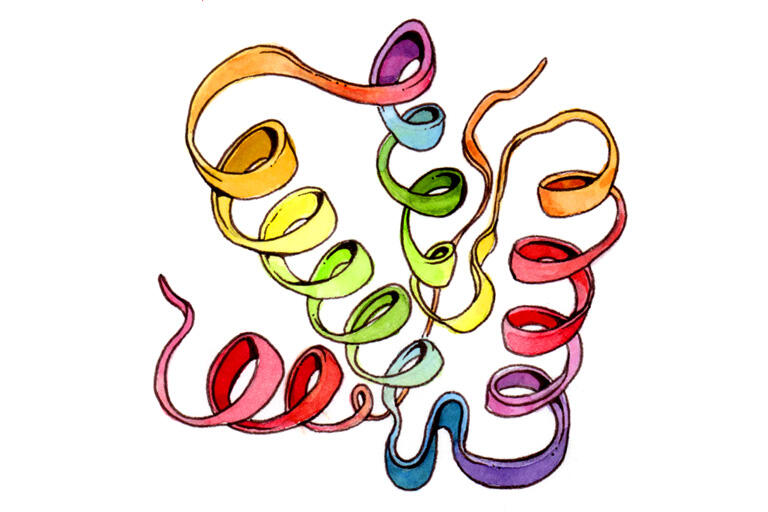
Superoxide Dismutase
Purported Benefits, Side Effects, and More
Common Names
- Dismuzyme
- rh-SOD
- Orgotein superoxide
- Bovine superoxide dismutase
For Patients & Caregivers
Tell your healthcare providers about any dietary supplements you’re taking, such as herbs, vitamins, minerals, and natural or home remedies. This will help them manage your care and keep you safe.
What is it?
Superoxide dismutase supplements have not been shown to confer any health benefits.
Superoxide dismutase (SOD) is an enzyme found in all cells of the human body. It breaks down superoxide radicals, which are toxic to living cells and cause DNA mutations, into harmless components consisting of oxygen and hydrogen peroxide. The theory behind taking SOD as a supplement is that it will confer extra protection against cellular and DNA damage, but this does not hold true because SOD cannot be absorbed into the bloodstream when taken orally.
What are the potential uses and benefits?
- As an anti-aging supplement
There is no research to back this claim. - To prevent bladder inflammation
A few studies support the use of superoxide dismutase injections to prevent cystitis. More research is needed. No studies support the use of oral superoxide dismutase supplements for this use. - To reduce inflammation
This claim has no supporting research. - To treat osteoarthritis
One clinical trial supports the use of superoxide dismutase injections into the knee for osteoarthritis, but more research is needed. The long-term effectiveness and safety of such injections is not known. - To treat scleroderma
No scientific evidence supports this use. - To treat urinary tract disorders
There are no data to back this claim.
For Healthcare Professionals
Clinical Summary
Superoxide dismutase (SOD) is an enzyme that is present throughout the body. It is available in the form of supplements, but these are not absorbed following oral administration (1). There are no data to support claims of improved health or anti-aging benefit with SOD supplementation. Animal studies suggest that oral administration of a standardized SOD extract combined with wheat gliadin may protect against oxidative stress-induced cell death (8) and impaired cognitive function (9). However, there is no supporting literature on the benefits of sublingual SOD.
The parenteral formulation, Orgotein, is classified by the FDA as an orphan drug, not as a dietary supplement, for the treatment of familial amyotrophic lateral sclerosis. Studies of possible effects of Orgotein in treating radiation-induced cystitis have yielded mixed results (3) (5) (6). A topical SOD formulation did not significantly improve postradiation fibrosis (12).
Purported Uses and Benefits
- Antiaging
- Cystitis
- Inflammation
- Osteoarthritis
- Scleroderma
- Urinary tract disorders
Mechanism of Action
The enzyme superoxide dismutase (SOD) catalyzes the breakdown of superoxide radicals that are toxic to living cells into harmless components consisting of oxygen and hydrogen peroxide (2), but because SOD1 also protects cancer cells and is overexpressed in lung cancer cells, it was identified as a therapeutic target for anti-lung cancer compounds (10).
In a laboratory study, inhibition of superoxide dismutase 1 (SOD1) was shown to induce cell death in various non-small cell lung cancer (NSCLC) cells (11).
Herb-Drug Interactions
None reported.
References
- DerMarderosian A, editor. The Review of Natural Products. St. Louis: Facts and Comparisons; 1999.
- McCord JM, Fridovich I. Superoxide dismutase. An enzymic function for erythrocuprein (hemocuprein). J Biol Chem 1969;244:6049-55.
- Sanchiz F, et al. Prevention of radioinduced cystitis by orgotein: a randomized study. Anticancer Res 1996;16:2025-8.
- Land W, et al. The beneficial effect of human recombinant superoxide dismutase on acute and chronic rejection events in recipients of cadaveric renal transplants. Transplantation 1994;57:211-7.
- McIlwain H, et al. Intra-articular orgotein in osteoarthritis of the knee: a placebo-controlled efficacy, safety, and dosage comparison. Am J Med 1989;87:295.
- Nielsen OS, et al. Orgotein in radiation treatment of bladder cancer. A report on allergic reactions and lack of radioprotective effect. Acta Oncol 1987;26:101-4.
- Kadrnka F. Results of a multicenter orgotein study in radiation induced and interstitial cystitis. Eur J Rheumatol Inflamm 1981;4:237-43.
- Vouldoukis I, Conti M, Krauss P, et al. Supplementation with gliadin-combined plant superoxide dismutase extract promotes antioxidant defences and protects against oxidative stress. Phytother Res. 2004 Dec;18(12):957-62.
- Nakajima S, Ohsawa I, Nagata K, et al. Oral supplementation with melon superoxide dismutase extract promotes antioxidant defences in the brain and prevents stress-induced impairment of spatial memory. Behav Brain Res. 2009 Jun 8;200(1):15-21.
- Somwar R, Erdjument-Bromage H, Larsson E, et al. Superoxide dismutase 1 (SOD1) is a target for a small molecule identified in a screen for inhibitors of the growth of lung adenocarcinoma cell lines. Proc Natl Acad Sci U S A. 2011 Sep 27;108(39):16375-80.
- Glasauer A, Sena LA, Diebold LP, Mazar AP, Chandel NS. Targeting SOD1 reduces experimental non–small-cell lung cancer. J Clin Invest. 2014 Jan 2;124(1):117-28.
- Landeen KC, Spanos WC, Gromer L. Topical superoxide dismutase in posttreatment fibrosis in patients with head and neck cancer. Head Neck. Jul 2018;40(7):1400-1405.