There’s no doubt about it: Cancer is scary. But the fear of cancer, sometimes called “carcinophobia,” can cause significant distress.
You may be afraid of developing cancer. You may have just been diagnosed. In either case, it’s important to remember that there are ongoing advances in the field of cancer, from precision diagnostic tools like MSK-ACCESS® to new immunotherapy drugs that have dramatically expanded treatment options.
Patients generally experience better outcomes and higher survival rates when treated at Memorial Sloan Kettering Cancer Center (MSK) and other National Cancer Institute–designated centers. Cancer deaths in the United States continue to decline, according to the American Cancer Society, thanks to earlier detection, improved treatment, and a decline in smoking rates.
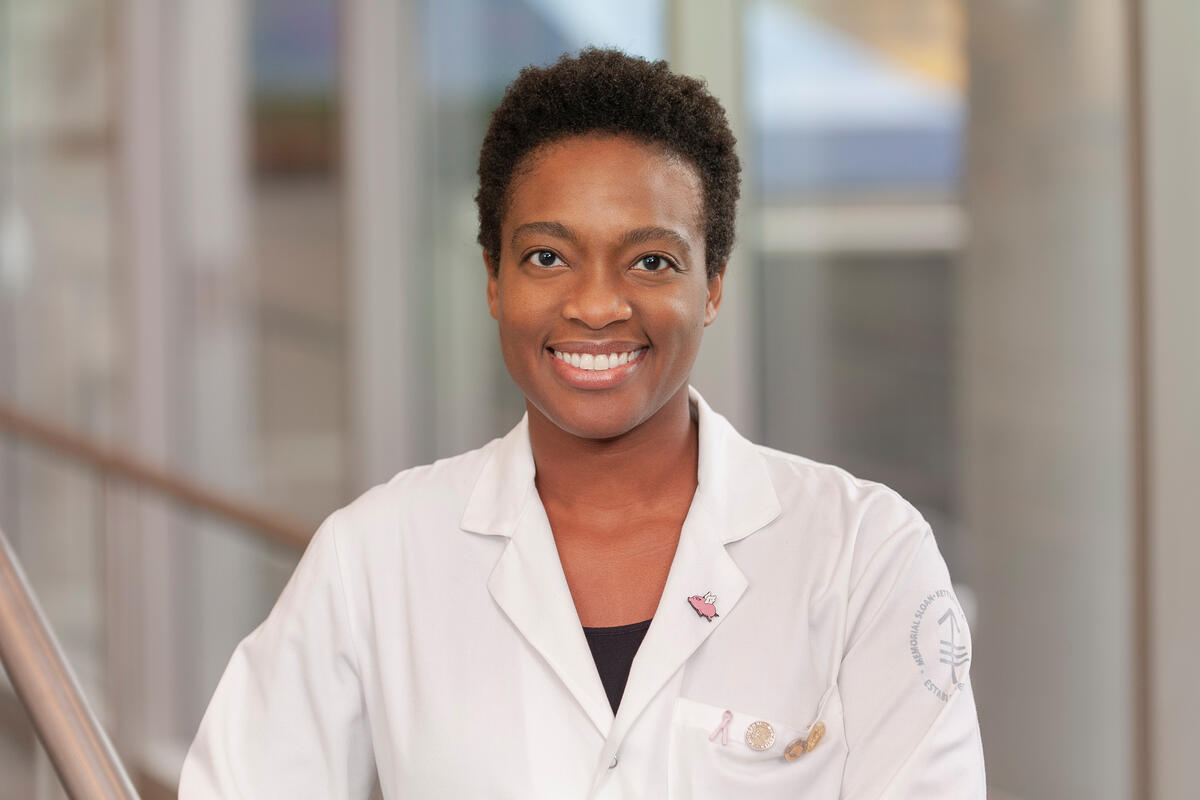
Still, it’s completely normal to be worried about cancer, says MSK psychiatrist, Monique C. James, MD, who helps patients and their family members deal with cancer fears. “Stepping into the cancer world can be an overwhelming experience,” she says, “but a diagnosis of cancer doesn’t have to equal severe fear and anxiety. Nor should the fear of getting cancer be paralyzing.”
Dr. James shares five essential strategies for anyone coping with a fear of cancer.
1. Find a doctor you can count on.
The key to stopping cancer fears before they stop you is to find a primary care provider you trust. “This is actually the most essential thing,” Dr. James says. A good relationship with a primary care provider is built over time as they get to know you, your family history, your typical symptoms, and your risk for cancer. “Most importantly,” she says, “find someone who can listen to your worries and concerns.”
Your primary care provider can guide you through the current standards for cancer screening tests and explain what’s appropriate for you.
If getting a scan or a test makes you feel worried or afraid, you are not alone. Many people experience “scanxiety,” but there are resources available to help you manage it.
2. Accept that you may not need a test.
You may wrongly assume that bloodwork, scans, and tests are always needed to rule out cancer.
If you have a specific concern, don’t hesitate to share it with your doctor. Understanding cancer risk can be complicated. It’s a big umbrella term, says Dr. James, and it’s the healthcare provider’s job “to help whittle down information into bite-size pieces.”
She emphasizes the importance of consulting with a trusted doctor who can be your partner in decision-making and offer guidance about which tests are right for you. “Our job is to make sure you understand what you need,” Dr. James says, “and to give you peace of mind that you’re doing what you should to stay ahead of cancer.”
3. Use the internet wisely.
Using “Dr. Google” to learn more about symptoms is a double-edged sword. On the one hand, online research can provide useful information about a condition you have, such as diabetes, and trustworthy sources can help you prepare questions for your doctor. But scrolling, in the absence of medical guidance, can drive you into a tailspin, especially if you haven’t talked to a doctor about your symptoms. Dr. James advises limiting online searches to 20 minutes and trying to stop scrolling at least two hours before bed.
“These days, there is so much misinformation about cancer on the internet,” says Dr. James. “Wading through all that can actually add to the anxiety.”
AI-generated health answers can be wrong, and users should be skeptical. “Rely on good sources like cancer organizations and medical centers,” Dr. James recommends, “and look for the evidence to back up controversial claims.”
4. Be proactive. Know your family history of cancer.
You’ve heard it before, but it bears repeating: Eat well, exercise, don’t drink too much alcohol, and don’t smoke. If you are at the recommended age for any screenings, take advantage of them, as cancer is often easier to treat when found early.
When it comes to family history, plan a get-together with your biological family to make a list of who got cancer, what kind of cancer, and the age at which people were diagnosed. Give this information to your doctor for your risk assessment, to guide when to start cancer screenings or undergo genetic testing. There are several free apps to help build a cancer family tree and track family health history.
For people worried about a family history of breast cancer, there’s MSK’s RISE (Risk Assessment, Imaging, Surveillance, and Education) Program. MSK’s team of experts takes into account a combination of factors to determine if you’re at increased breast cancer risk and, if you are, to shape a long-term, customized surveillance plan.
Dr. James underscores that most genetic findings are a guide to risk, not a guarantee that cancer is in your future. “I always remind patients that your cancer story will be different than your sister’s, your mother’s, or your next-door-neighbor’s,” she says. “You are a unique individual.”
5. How to overcome carcinophobia. Don’t worry alone.
Some people are so afraid of cancer that they avoid or postpone seeing a doctor, hoping a worrisome symptom goes away on its own. Unfortunately, the fear of cancer has become its own cancer threat. Many cancers, especially when detected early, can be managed as chronic diseases or cured outright, and delays in seeking help can be deadly.
Dr. James tells her patients that she never wants them to worry alone. “Let me worry with you,” she offers. When a person doesn’t get feedback from others, it can amplify feelings of isolation and make it harder for them know how realistic their fear is or how to decipher medical information. “That’s why having good providers is the cornerstone of stopping fear before it goes too far,” Dr. James says.
Consider talking with a mental health professional if you are worried about cancer most of the time, most of the day, or if cancer fears are getting in the way of things that you like to do or should be taking care of.
“How we get through these kinds of fears and concerns,” says Dr. James, “is by being kind to ourselves. These are normal, natural worries.”


