
Leadership in the New Frontier for Fighting Cancer
For more than a century, Memorial Sloan Kettering Cancer Center (MSK) has been at the forefront of discovering smarter, more precise ways to treat cancer. Today, our scientists and doctors are transforming cancer care through precision immuno-oncology — tailoring immunotherapy treatments to the unique biology of each patient's cancer.
From the first discoveries in cancer immunology to today’s cutting-edge clinical trials, MSK continues to set the standard — developing treatments that not only extend lives but improve quality of life. The result is a future where cancer care is increasingly personalized, powerful, and precise.
If the first era of immunotherapy was about proving that the immune system can be a powerful weapon against cancer, this new era aims to make that armament more precise and durable, and available to far more people.
Cancer Vaccines: The Most Personal Medicine Ever Made
Imagine a treatment designed specifically for your cancer — not your cancer type, but the precise biological makeup of the tumor inside your body. That is what precision cancer vaccines do.
Using breakthrough RNA technology and AI-powered analysis, MSK researchers are developing vaccines that train each patient's immune system to recognize the unique signals on their own cancer cells — and eliminate them. Early results, including in pancreatic cancer, one of the deadliest cancers we face, have been genuinely extraordinary.
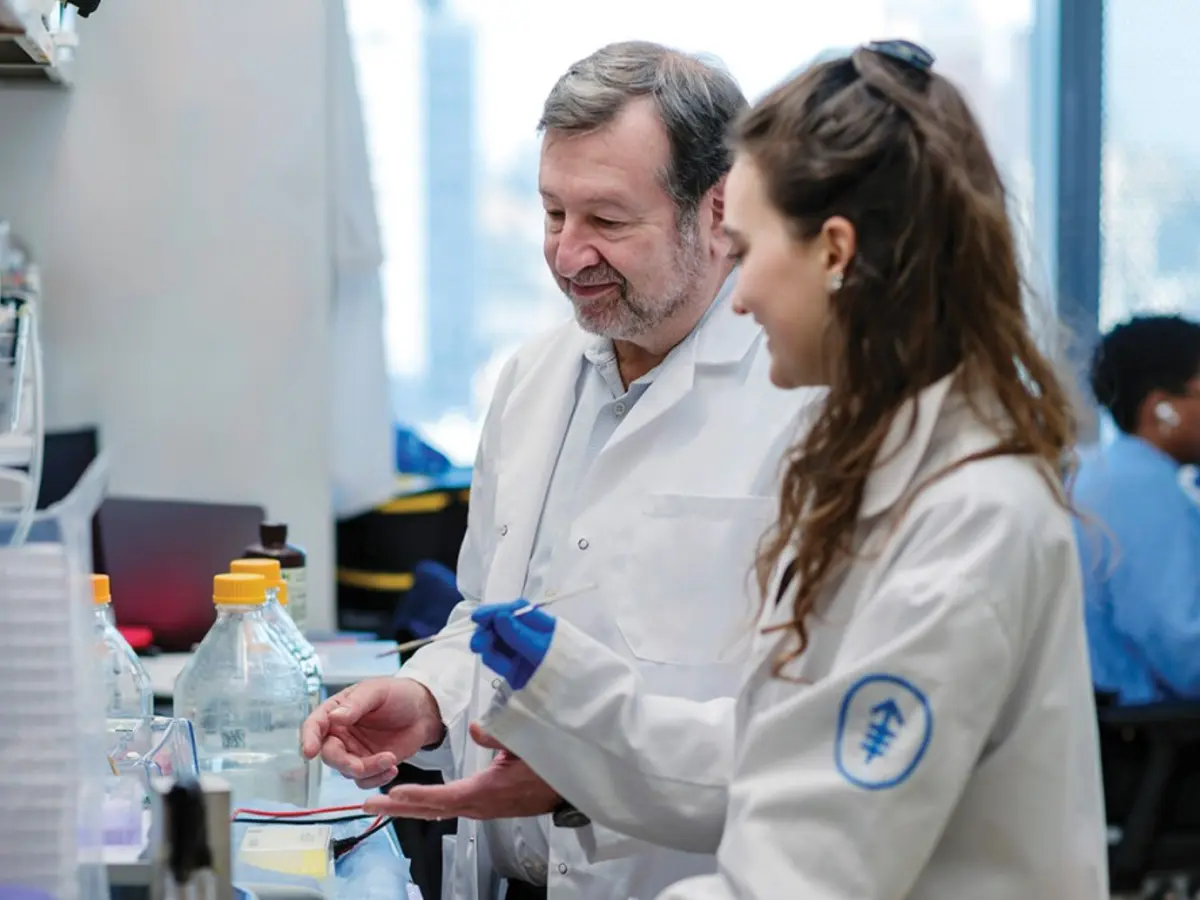



Every cancer breakthrough begins years before it offers patients new hope. Our series Saved by Science takes you inside MSK's world-class research labs, where you'll see patients meet the scientists whose discoveries not only changed their lives but are transforming cancer care for patients around the world.
I reached a point where it was getting increasingly more and more difficult to enjoy the things that I normally enjoy.
Maureen had two stem cell transplants that put her into remission for only a short period of time.
I was very excited to tell her that indeed, there was one more option.
CAR T cells are when we take out patients’ T cells from their own body, and then they are trained in a lab to really knock out patients’ cancers.
I was like, OK, if Dr. Landau says this is the thing to do, I'm doing it.
I had no concept whatsoever that such a fast response was even possible.
Took your trip?
I was doing all the hiking that I never thought I would do there.
It will bring me great joy to show you the lab where CAR T cells started at MSK.
I’ve been lucky enough to inherit this space and there’s a lot of history here. Kind of where it all began. It’s very exciting, so let me show you around.
This laboratory is where it all began. It’s where a lot of the earliest experiments in CAR T cells took place. This room.
Each of these little dots represents a CAR T cell. And you had excellent CAR T cells.
Well, yeah.
We see people like Maureen who had really excellent results.
And so we're trying to take the same thing that Maureen was able to benefit from and bring it to everybody.
This is hundreds of millions of T cells floating around in there.
And we can take a look, we can look through the microscope and we can actually see them.
So those little bubble-like things...
Those little bubble-like things. Those are CAR T cells. Those have been changed, they’ve been modified so that they’re cancer fighters.
Really, it's those cells that come into this bag and into you and really made you so well today.
And all the work that goes on behind that. All the people like you guys that make it happen. It's incredible.
It was amazing being here in the lab and to see what’s actually going on behind the scenes.
We need the research. That's the roots of where I am today.

Personalizing Treatment With Precision Science
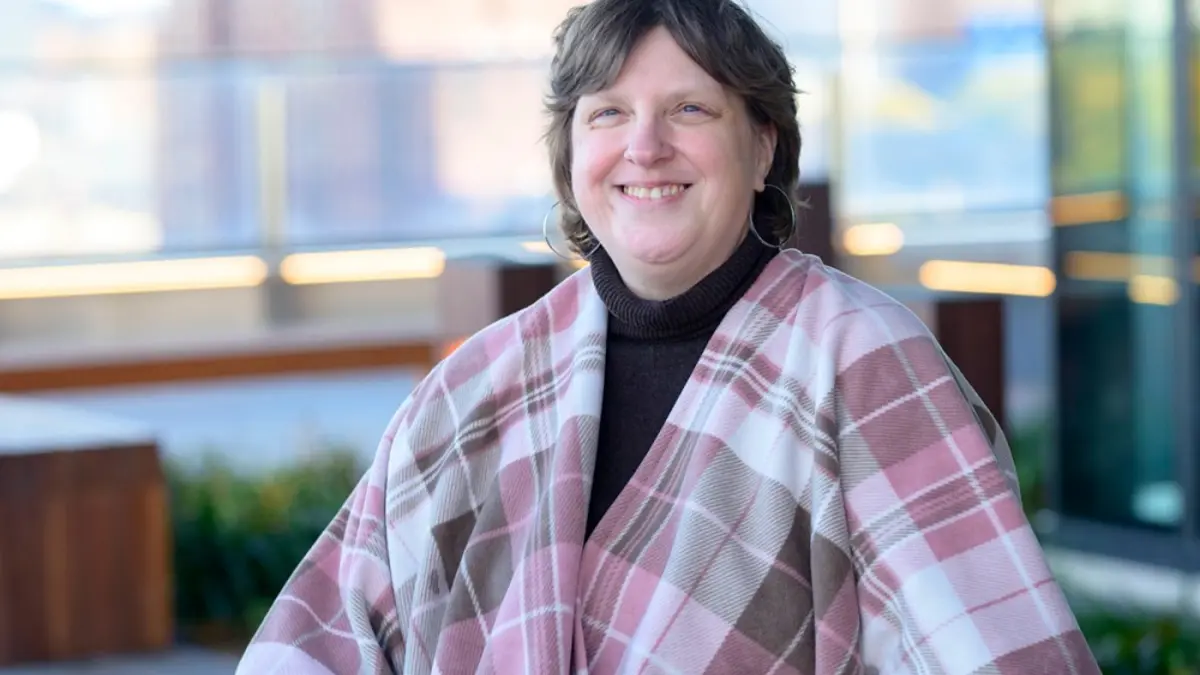
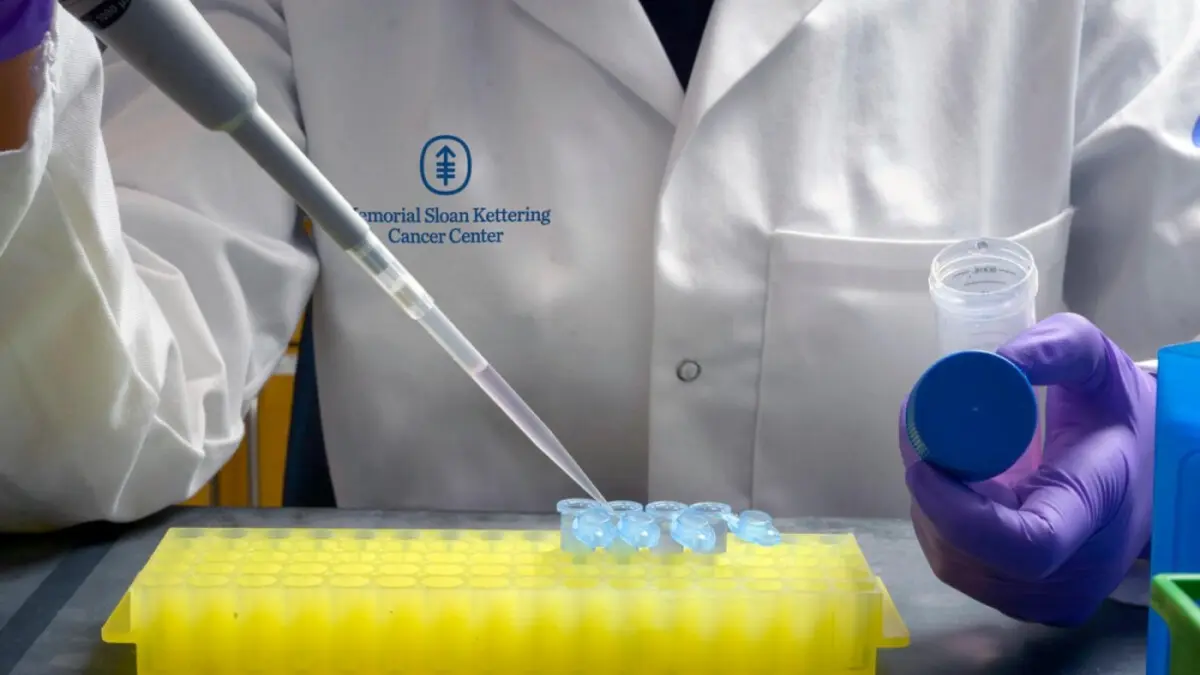
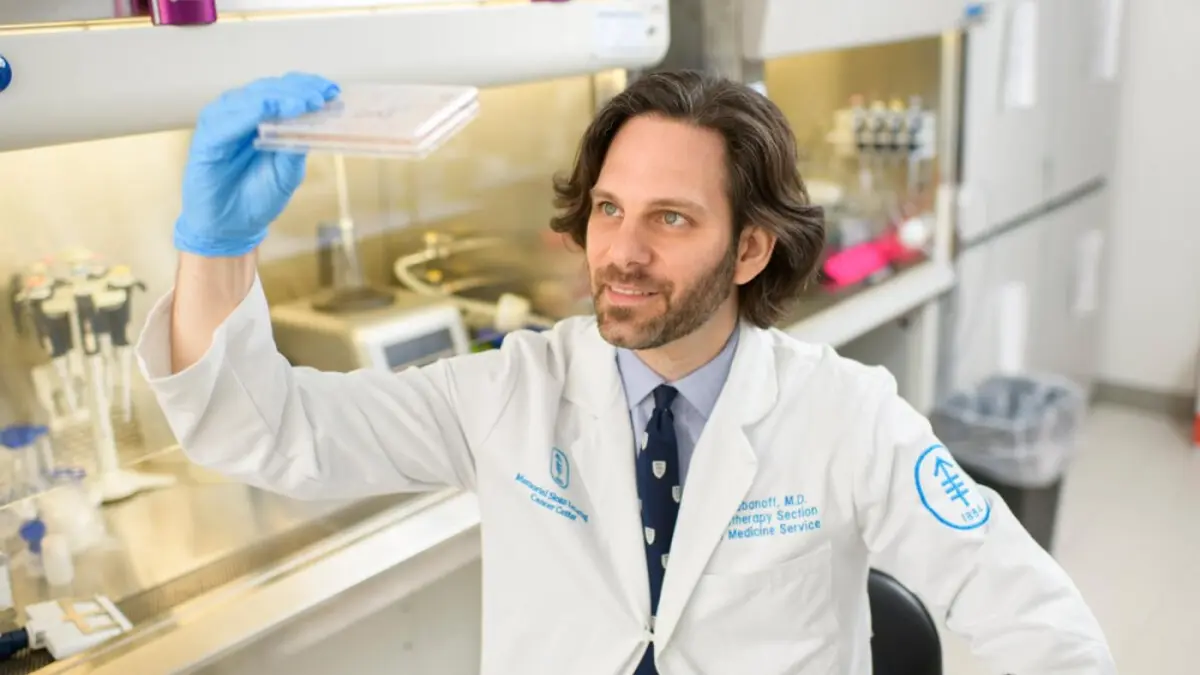
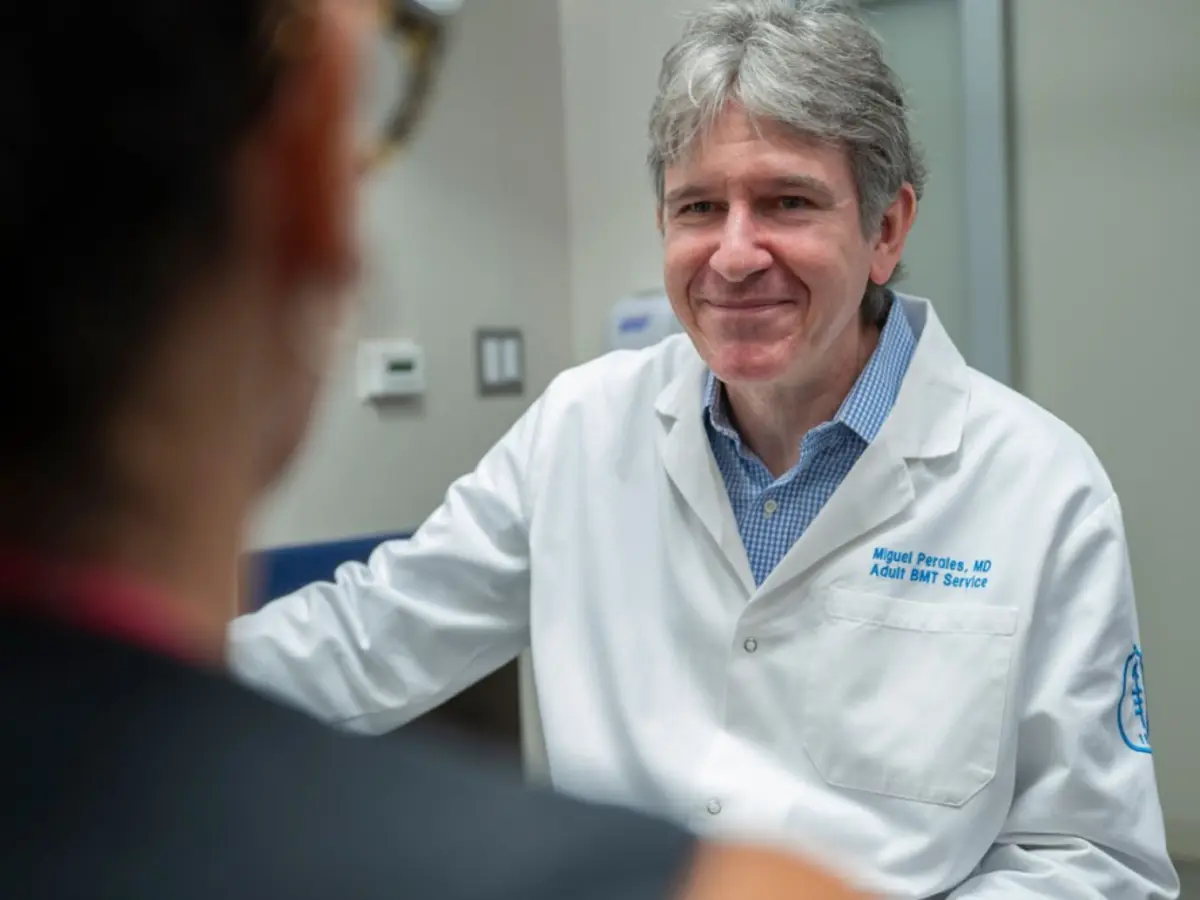
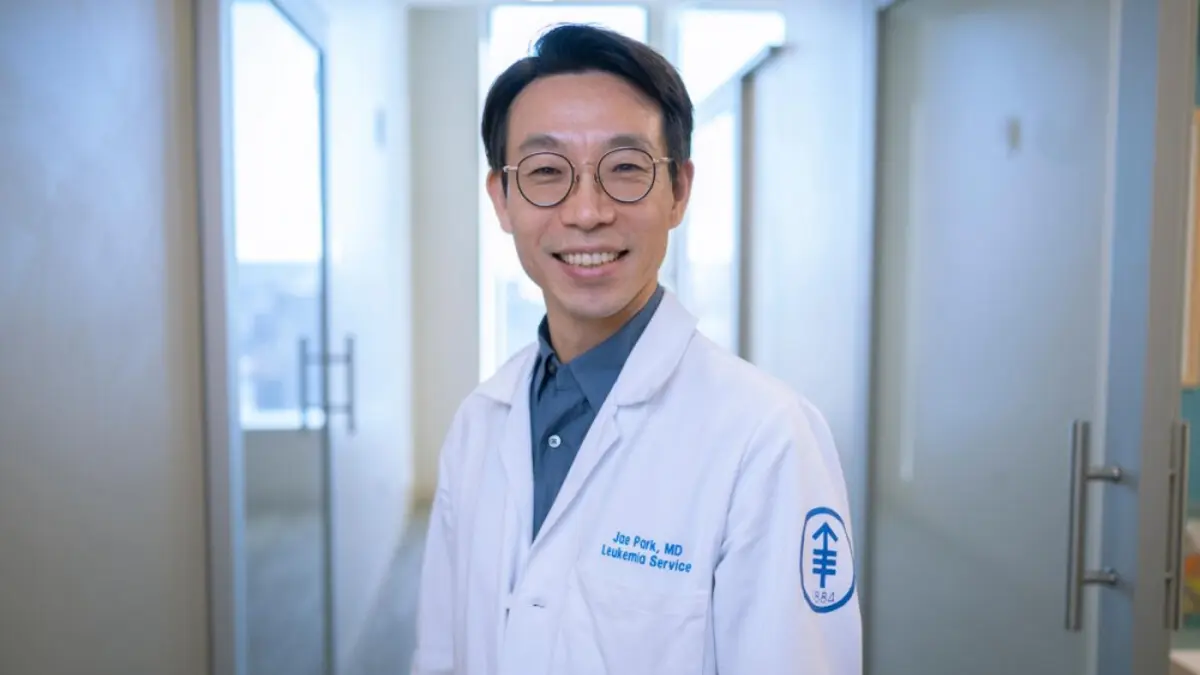
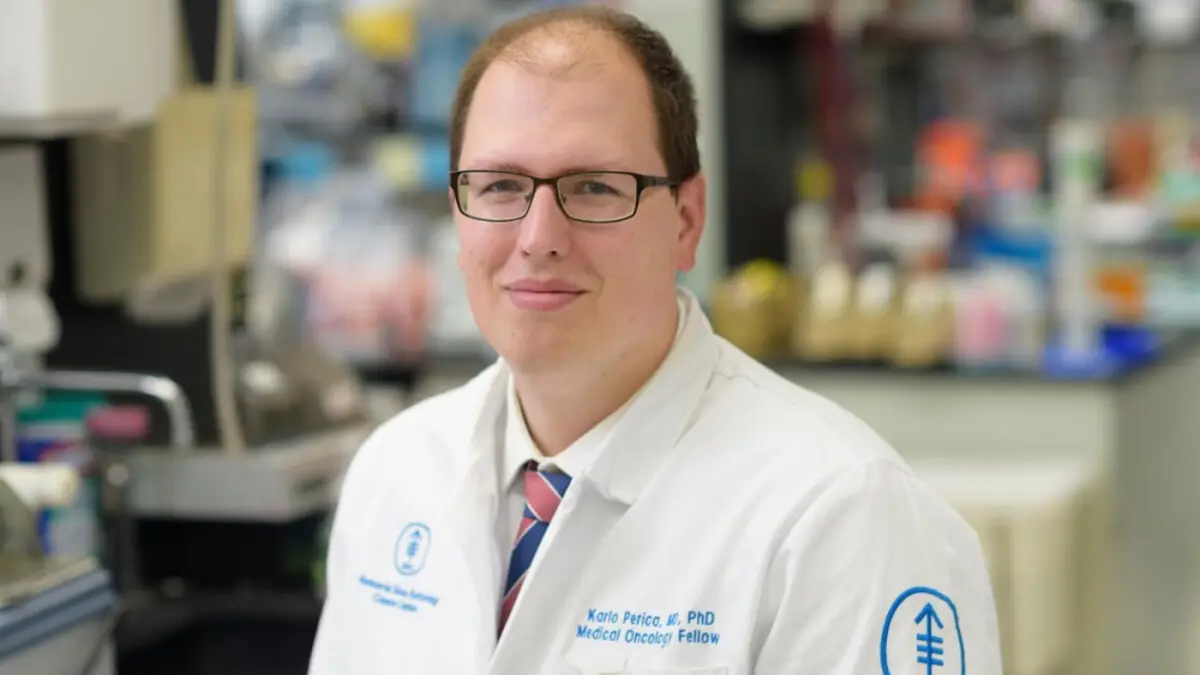
MSK is developing tools that help predict which therapies will work best for patients, based on understanding their cancer at the molecular level.


In the News

Scientific American (Nov. 2025)
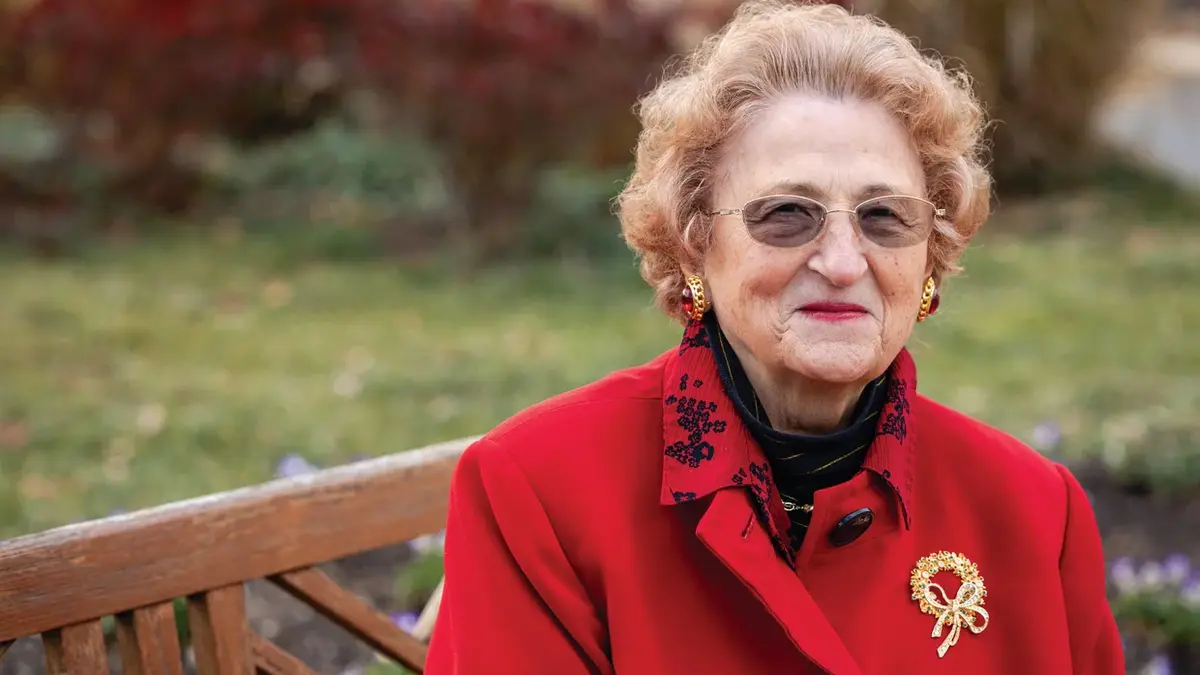
CBS News (Feb. 2025)

NBC News (April 2025)
The Urgency Is Now
Cancer does not wait. And neither does MSK.
The convergence of AI, RNA medicine, and decades of immuno-oncology research has created a genuine, time-limited opportunity to change the trajectory of cancer care. At MSK, we are not standing at the edge of this moment watching it unfold. We are in the middle of it, building the tools, training the systems, and forging the partnerships that will determine how quickly these treatments reach the patients who need them most.
If you or someone you love is facing a cancer that has not responded to other treatments, we want you to know: this work is for you. The Precision Project exists because we refuse to accept that the most exciting treatments in cancer medicine should only be available to a few.