
Two Memorial Sloan Kettering Cancer Center (MSK) researchers were elected to the 2026 class of the American Academy of Arts and Sciences.
Developmental biologist Anna-Katerina Hadjantonakis, PhD, and physician-scientist Robert Farese, Jr., MD, were among the 252 leaders in academia, the arts, industry, journalism, philanthropy, policy, research, and science elected this year. Both are members of MSK’s Sloan Kettering Institute, a hub for basic science and translational research within MSK.
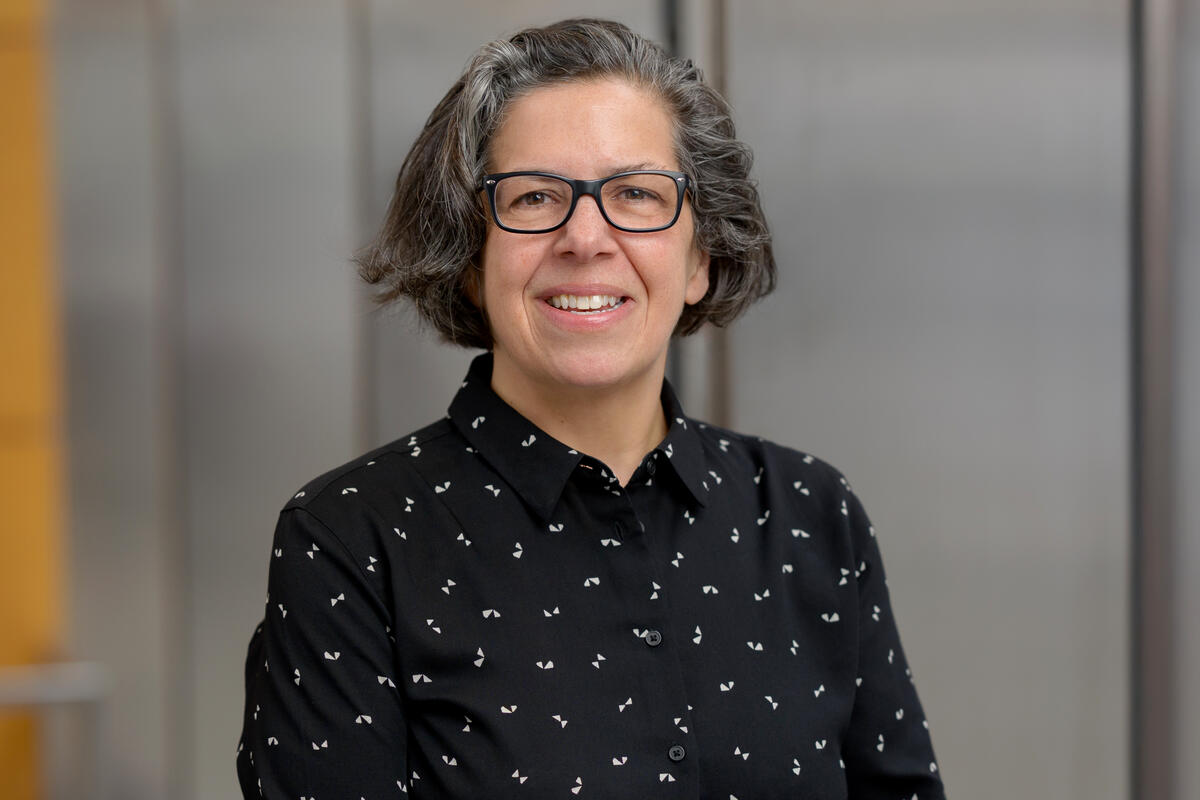
Dr. Hadjantonakis and her lab study how cells form tissues. Her research focuses on how cells become specialized and how they collaborate at the population level to collectively build organs. The lab’s focus is on the endoderm, the progenitor tissue that gives rise to the respiratory and digestive tracts and associated organs such as the lung, liver and pancreas. The overarching goal of the research is to understand how endodermal organs form — in time and space — from populations of uncommitted progenitor cells in the embryo.
Cancers in endodermal tissues and organs are some of the most aggressive, with the poorest prognosis. Because cancer arises when cells undergo an identity crisis, understanding how cells assemble into tissues with normal organization and function during embryonic development can provide important insights into the fundamental biological processes that become deregulated in cancer.
Dr. Hadjantonakis is also Scientific Director of the Starr Foundation Program for Discovery Science.

Meanwhile, Dr. Farese, now affiliated with the laboratory of Tobias Walther, has focused on cellular lipid and energy metabolism, particularly the mechanisms and physiology of neutral lipid synthesis and storage in lipid droplets.
For more than 12 years, Drs. Farese and Walther have operated as a closely integrated scientific partnership, jointly leading a research program focused on how cells regulate lipid abundance, store lipids to buffer fluctuations in nutrient availability, and coordinate these processes with membrane biology and cell physiology. Their work has further illuminated how defects in these pathways contribute to diseases including cancer, metabolic disorders, and neurodegeneration.
“We celebrate the achievement of each new member and the collective breadth and depth of their excellence — this is a fitting commemoration of the nation’s 250th anniversary,” Academy President Laurie Patton said in a press release. “The founding of the nation and the Academy are rooted in the inextricable links between a vibrant democracy, the free pursuit of knowledge, and the expansion of the public good.”
The Academy, chartered in 1780, was established to recognize accomplished individuals and engage them in addressing the greatest challenges facing the young republic. The first members elected to the Academy include George Washington, who said — in his first annual message to Congress in 1790 — “Knowledge is in every country the surest basis of public happiness.”
Dr. Hadjantonakis is an Alfred P. Sloan Chair.
Dr. Farese is an Alfred P. Sloan Chair.