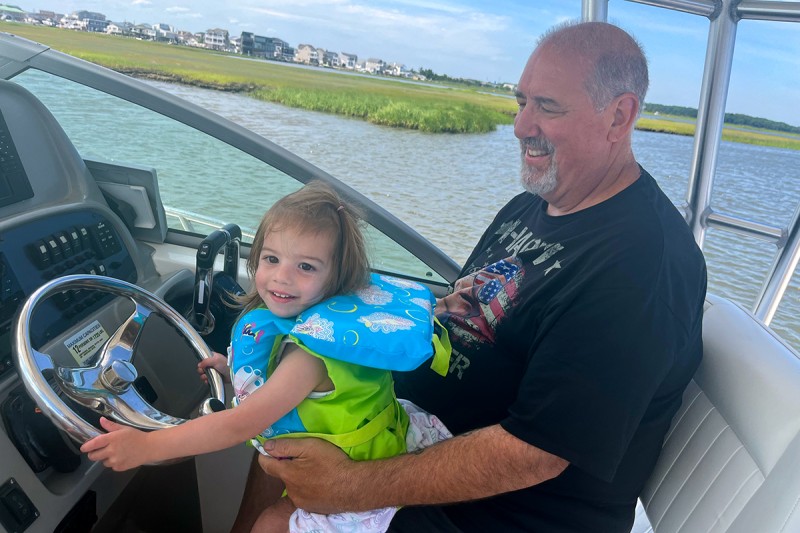
Retired New York City police officer Michael T. had grown used to getting bad news about the follicular lymphoma that he had been living with for more than 20 years.
“I have a relapse about every five years,” says Michael, who was a 9/11 first responder and worked at Ground Zero. Follicular lymphoma is a slow-growing, stubborn type of blood cancer that affects B cells in the lymph nodes, causing symptoms like fatigue, night sweats, and fever.
Michael had relapsed for the fourth time in 2024 and was dreading more chemotherapy. But this time, his doctor at Memorial Sloan Kettering Cancer Center (MSK) told him he qualified for a clinical trial that would allow him to avoid chemotherapy. The new treatment for follicular lymphoma, which combines two older immunotherapy drugs with a new drug called epcoritamab (EpkinlyTM), received approval from the U.S. Food and Drug Administration (FDA) on November 18, 2025, based on the trial that Michael enrolled in.
The latest results from that follicular lymphoma clinical trial have shown the three-drug combination — rituximab (Rituxan®) and lenalidomide (Revlimid®), along with epcoritamab — works better than using the two immunotherapy drugs alone. The findings were presented at the American Society of Hematology Annual Meeting (ASH) on December 7, 2025. They were also published in The Lancet.
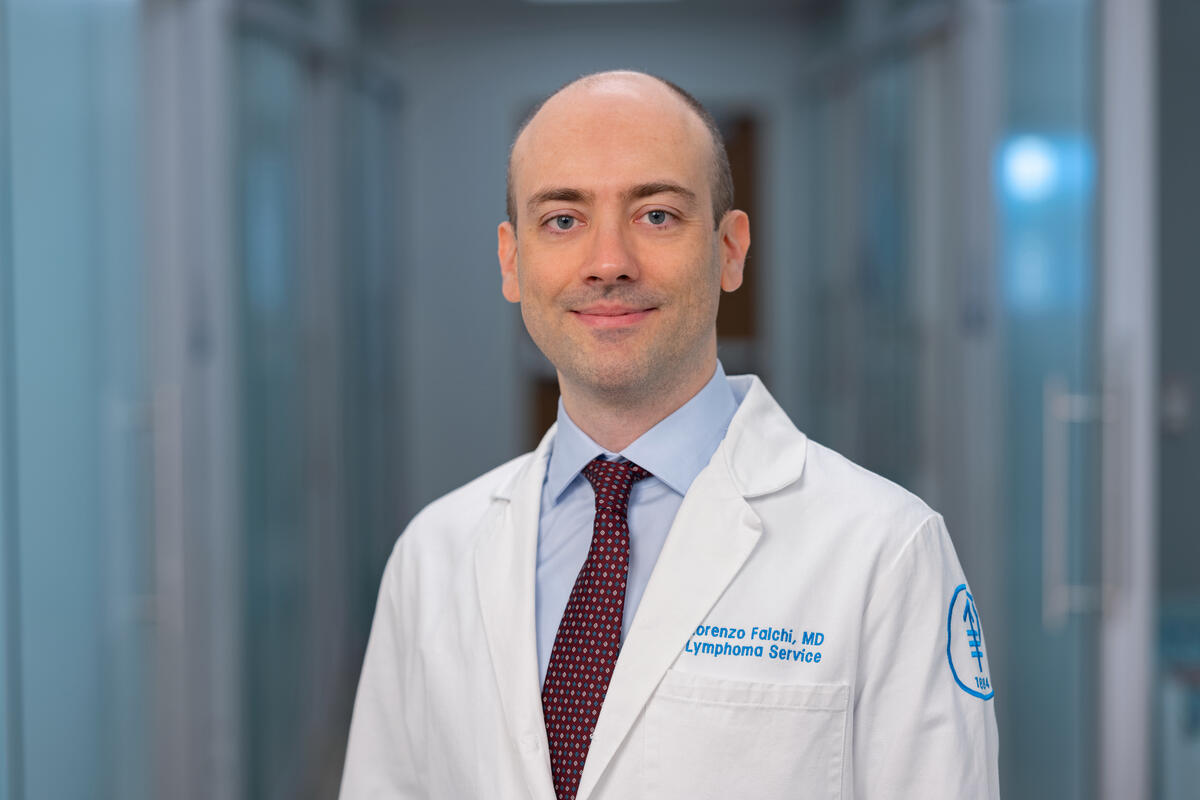
“This study focused on finding ways to prolong the benefit that patients receive from immunotherapy while also allowing them to avoid chemotherapy,” says MSK lymphoma specialist Lorenzo Falchi, MD, who led the international phase 3 trial and presented the findings at ASH. “It’s too soon to say whether this treatment will result in a cure, but it appears to be the beginning of a new era in lymphoma treatment.”
Clinical Trial Results Adding Epcoritamab to Rituximab and Lenalidomide Immunotherapy
The study included 488 patients with relapsed follicular lymphoma who were randomized to receive the standard treatment (rituximab and lenalidomide) or the standard treatment plus epcoritamab.
- Of the patients who got all three drugs, more than 95% had their cancer significantly shrink, versus about 79% of those who got the standard treatment.
- More than 79% of patients in the experimental group had no trace of disease after treatment, versus about 50% of those in the standard treatment group.
- At the 16-month mark, 85% of patients in the experimental group still had no signs of the cancer growing again, versus only 40% in the standard treatment group.
“These findings show a substantial benefit for patients,” Dr. Falchi says. “This three-drug combination could become a new standard of care for people whose follicular lymphoma has relapsed. New treatments like this are needed, because we currently have limited options for these patients.”
What Is Epcoritamab?
Epcoritamab is a type of drug called a T cell-engaging, bispecific antibody. This new form of immunotherapy binds cancer cells to a patient’s immune cells, making it easier for the immune system to destroy the cancer.
Rituximab and lenalidomide are older types of immunotherapy that have been used for many years.
- Rituximab works by knocking out B cells, a type of immune cell that is cancerous in follicular lymphoma.
- Lenalidomide works by increasing the production of certain immune cells that kill cancer.
Each of the drugs is given in a different way:
- Rituximab is given as an infusion through an IV.
- Lenalidomide is taken at home as a pill.
- Epcoritamab is given as an injection.
Treating Cancer in a 9/11 First Responder
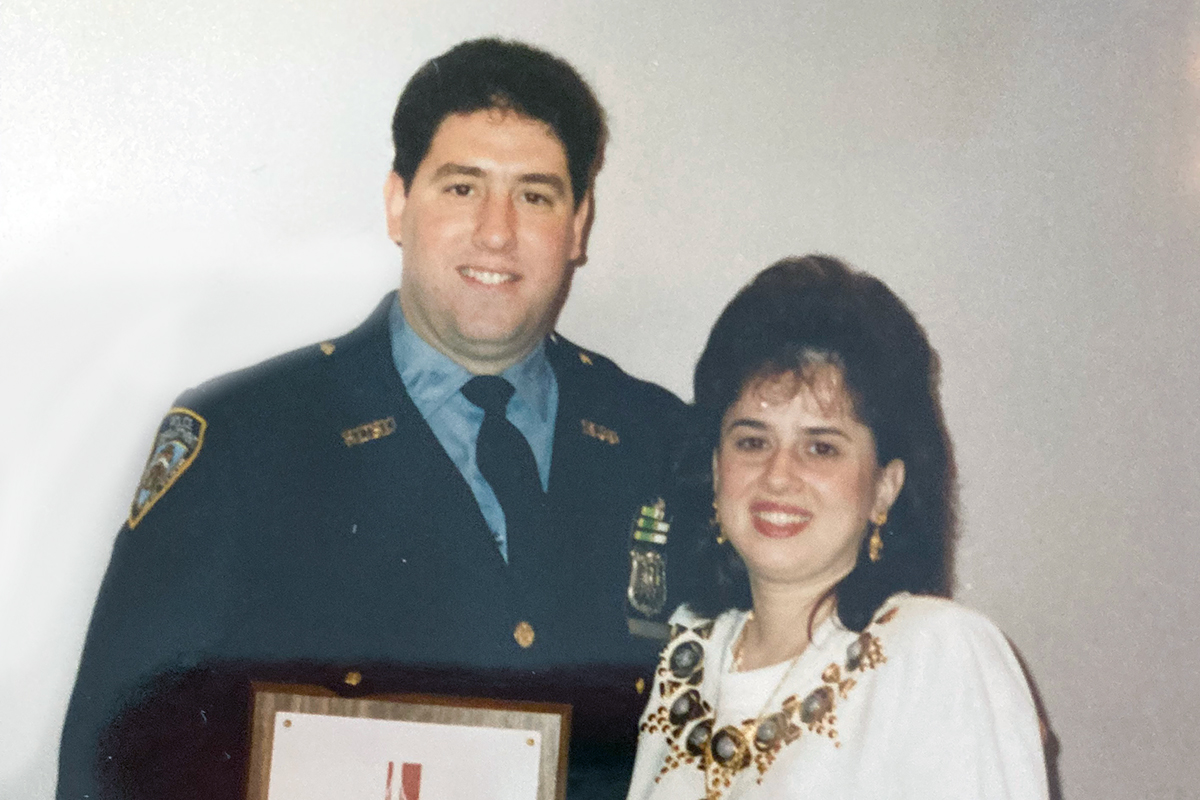
Michael, now 59, was first diagnosed with follicular lymphoma, a type of non-Hodgkin lymphoma, in 2003. A member of the New York City Police Department, he was among the first responders to the terror attacks on September 11, 2001.
“I worked at Ground Zero as part of the recovery efforts there,” he says. “A couple of years later, I got sick.”
Although it’s difficult to definitively prove that a cancer was caused by exposure to hazardous materials at Ground Zero, Michael’s medical team saw a strong connection.
“I was only 36 years old when I got sick, and this was a type of cancer that usually affects people in their 60s and 70s,” he says.
Michael immediately sought care at MSK. “I lived in New York, so I knew MSK was one of the best, if not the best, in the world,” he says. “Why wouldn’t I go there for treatment?”
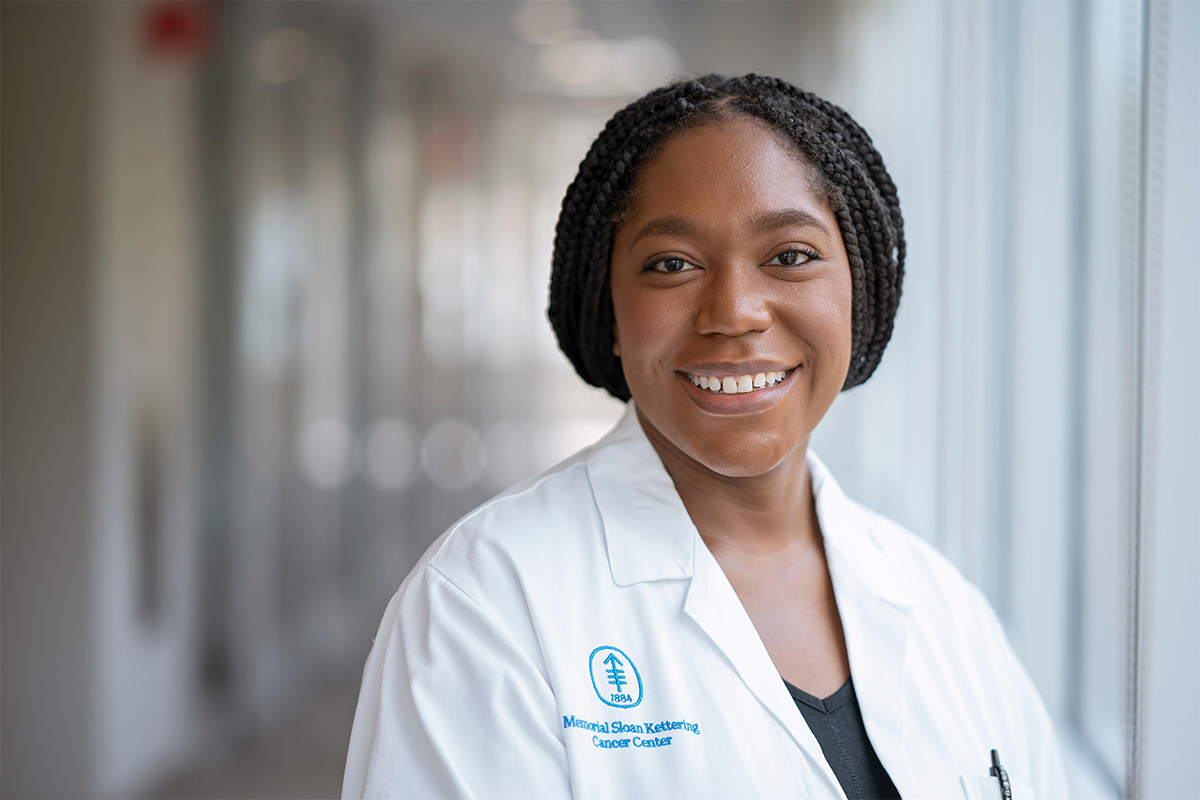
Michael is currently cared for by MSK lymphoma specialist Colette Owens, MD. He sees Dr. Owens at MSK-Monmouth, which is closer to where he lives. Many clinical trials are available to patients being treated at MSK’s regional sites.
“When Michael relapsed again, he and I reviewed different options, and we both felt that this trial was a good opportunity for him,” Dr. Owens says. “It addressed the follicular lymphoma in a unique way, and the treatment was easier to tolerate and longer lasting.”
Michael Is Doing Well After Completing a Clinical Trial for Follicular Lymphoma
Michael says taking the three-drug combination was much easier on him than past treatments.
“Every time I’ve gone through treatment, it’s taken a little bit more out of me,” he says. “When I first began treatment for lymphoma in 2003, the treatments were brutal. But this latest one was pretty mild.”
Michael didn’t have any side effects from the epcoritamab other than some irritation at the injection site. Side effects from the other two drugs were mild as well.
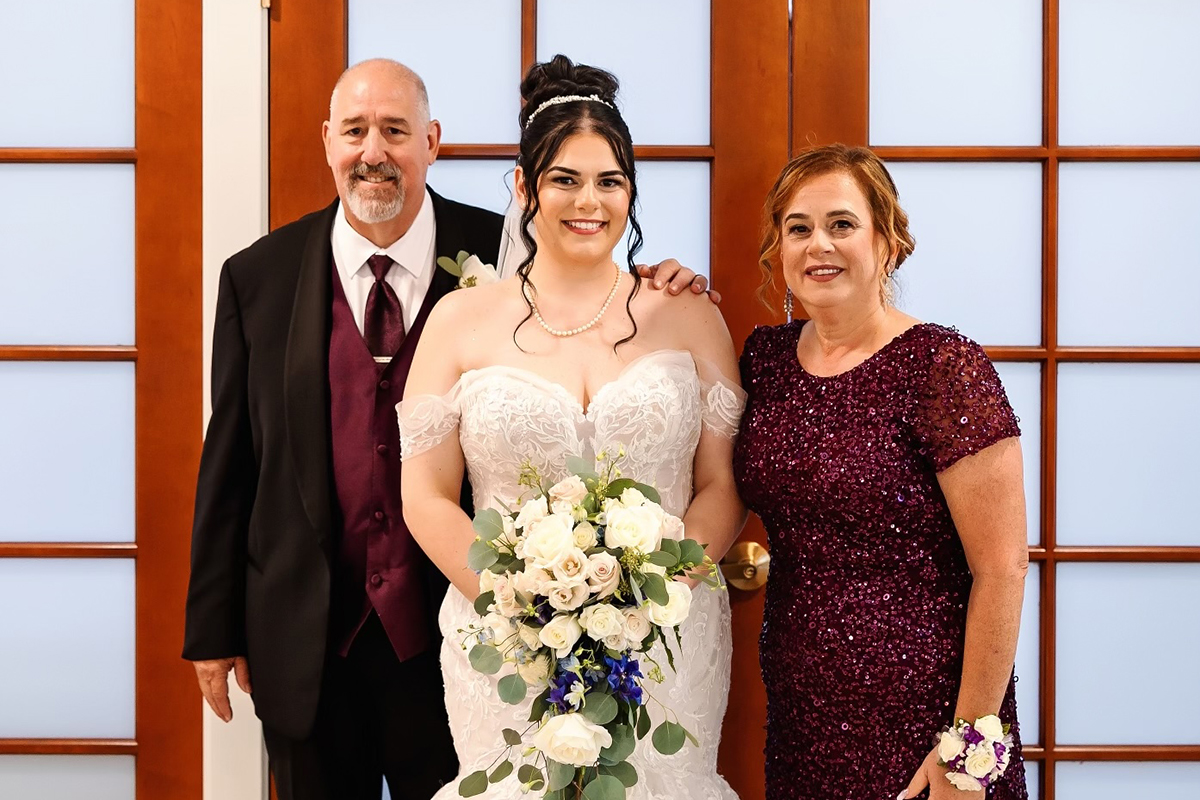
Today, Michael splits his time between New Jersey and Florida. He enjoys taking care of his aquarium and spending time on the water with his wife, his three adult children, and his granddaughter. He continues to go for regular blood tests and scans but currently is not in treatment. He has no evidence of disease.
“When I first got sick, my kids were 6, 8, and 12,” he says. “Now I’ve got my second grandchild on the way, and next year I turn 60. I am grateful to be here and thankful for everyone at MSK.”
Key Takeaways
- The FDA recently approved a new drug called epcoritamab (EpkinlyTM) in combination with rituximab (Rituxan®) and lenalidomide (Revlimid®) for treating relapsed follicular lymphoma.
- The drug was approved based on a trial led by MSK.
- All three drugs are types of immunotherapy.
- This combination treatment offers patients a new option that will help them avoid chemotherapy.
This study was funded by GenMab and Abbvie Inc.
Dr. Falchi’s disclosures are available on his webpage.