MSK Explains: The New Food Pyramid
If you’ve heard about the new federal dietary guidelines and feel a little confused, you’re not alone. The updated recommendations are noticeably different from before. On a positive note, the new guidelines urge Americans to cut back on ultra-processed foods and to put more emphasis on reducing sugar in the diet.
But they have raised a lot of questions.
The previous dietary guidelines visualized a dinner plate with mostly plant-based foods. The new recommendations are presented as a “food pyramid” — red meat and full-fat dairy are at the top, while whole grains and other plant-based sources of protein are downplayed.
The new guidelines do not affect the recommendations you’ll get from MSK’s registered dietitian-nutritionist team. Here’s what Lianne Russo, a clinical dietitian at Memorial Sloan Kettering Cancer Center (MSK), says you should know before making any changes to your eating habits.
“The diet that MSK promotes has not changed,” Russo says. “We still advise that people who want to be healthy eat mostly plants, with an emphasis on consuming lots of fiber and limiting saturated fats. These recommendations are based on years of research.”
What’s different about the new federal dietary guidelines?
The new guidelines prioritize eating significantly more protein, including from red meat. By contrast, the previous guidelines emphasized getting protein from leaner sources like poultry, seafood, eggs, and legumes.
The new guidelines also encourage cooking with butter and beef tallow instead of seed oils, even though seed oils are lower in saturated fat.
What are the biggest concerns about the new federal guidelines?
“There’s a lot of evidence to suggest a high intake of red meat is linked to disease, including cancer,” Russo says.
Red meat and whole milk are high in saturated fat, which is known to contribute to heart disease and other health problems. “Although the new guidelines recommend limiting saturated fat to 10 percent of total calories, achieving that would be difficult while eating the amount of red meat and full-fat dairy they suggest,” she adds.
Are some of the new guidelines supported by MSK dietitians?
“Some of the best suggestions are to limit the consumption of ultra-processed foods and foods that are high in sugar,” Russo says. “As people’s diets have evolved to include more of these foods and nutrition science has taught us more about how these foods affect health, it’s become clear that they are contributing to obesity and other health problems.”
What diet does MSK recommend for people who want to reduce their risk of developing cancer?
MSK dietitians recommend a plant-based diet, which may be easier to achieve than you think. “This doesn’t mean you have to be vegan, but the bulk of your diet should come from plants,” Russo says.

Plant foods are lower in saturated fats and packed with fiber. “There are many studies to suggest the health benefits of eating more fiber,” she adds. “Whole grains like oats, quinoa, and barley; fruits and vegetables; nuts; and legumes like peas, beans, and lentils are all good fiber sources. In addition, plant foods are full of phytochemicals. These nutrients, which gives fruits and vegetables their colors, have a strong connection to cancer risk reduction.”
What concerns do you have about how the federal dietary guidelines are presented visually?
“I think many people find the new pyramid confusing,” Russo says. “By putting red meat at the top of the pyramid, it suggests that this is the most important part of the diet, especially for people who don’t study it in detail. But we know that red meat is high in saturated fat and therefore should be limited.”
She adds that by placing whole grains at the bottom, the pyramid de-emphasizes an important source of fiber and plant-based protein. Other low-fat, high-fiber sources of protein like beans and other legumes are minimized on the pyramid.
Is there a better way to picture what a healthy diet looks like?
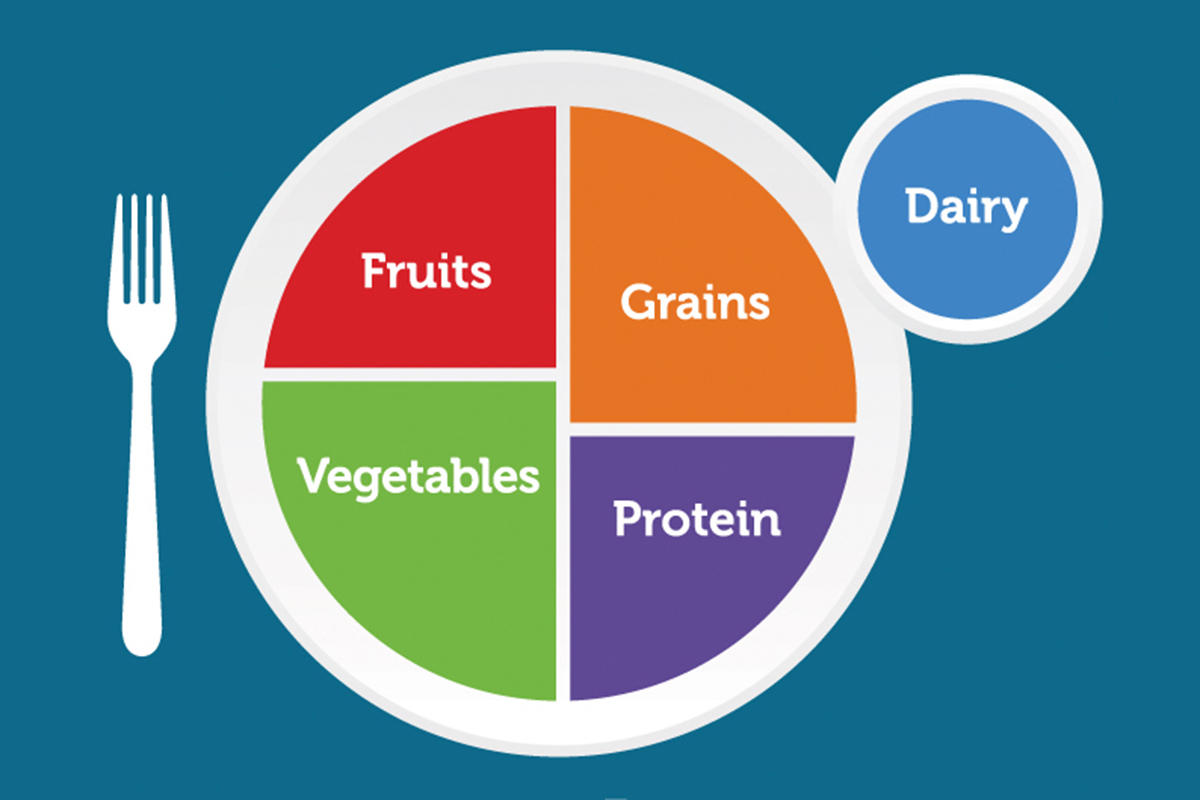
Russo recommends the MyPlate image, released in 2011, because it is much easier for people to use as a guide for what they should be eating.
“Dietitians found the plate very useful, because it helps people really visualize a healthy diet,” she says. “With the plate, it was very clear that at least half of your diet should come from fruits, vegetables, and whole grains.”
She adds: “This is very different from a traditional Western diet that has a large piece of meat at the center of the plate.”
What do the new guidelines say about drinking alcohol?
The new guidelines say to “limit alcohol beverages” but don’t provide specific amounts. The previous guidelines were more precise, recommending no more than two drinks per day for men and no more than one drink per day for women.
“However, some experts say consuming any alcohol increases the risk of many cancers,” Russo says. “Many people are not aware of these risks, and the new guidelines don’t mention them. Because the new guidelines are more vague and open to interpretation, they could lead to higher alcohol consumption.”
What should people who are currently in cancer treatment be eating?
The expertise of MSK’s dietitians is critically important to help people with cancer.
“When someone is in active treatment, we very much want to meet them where they are,” Russo explains. “Some patients may be inspired to get more healthy and be focused on learning more about diet and nutrition. But others may be struggling with the symptoms of treatment, including nausea, loss of appetite, or changes in their sense of taste. For them, our focus is on making sure they stay hydrated and maintain their weight and strength as best as possible.”
Patients looking for healthy food that also tastes good can find suggestions on MSK’s website. There is an extensive collection of recipes with suggestions for patients, based on their cancer-related symptoms or the type of diet their care team recommends.
Key Takeaways
- The new federal dietary guidelines emphasize eating more red meat and full-fat dairy, which raises concern among MSK experts because high consumption of these foods is linked to cancer and heart disease.
- MSK dietitians continue to recommend a primarily plant-based diet rich in fiber and low in saturated fat.
- MSK dietitians agree with some aspects of the new guidelines, especially the recommendations to reduce ultra-processed foods and added sugars, because they contribute to obesity and other health problems.
- The new guidelines’ vague language around alcohol consumption is concerning, because any amount of alcohol can increase cancer risk, and the less-precise recommendations could lead people to drink more.


