Bad News for Cancer: New Technique Shrinks Solid Tumors in the Lab
Chimeric antigen receptor T-cell therapy — CAR T for short — has been a major advance in treating blood cancers like leukemia and lymphoma. But the immunotherapy has struggled against solid tumors for two main reasons: tumor cells often don’t share one consistent surface target, and many solid tumors are protected by a dense network of scar tissue and immune-suppressive cells that blocks T cells.
Now, researchers at Memorial Sloan Kettering Cancer Center (MSK) and collaborators have developed a new type of CAR T cell designed to address both problems at once — by attacking cancer cells as well as supportive cells in the tumor microenvironment that bear a surface protein called uPAR.
The preclinical findings, published March 30 in Cell, still need to be tested for safety and efficacy in people.
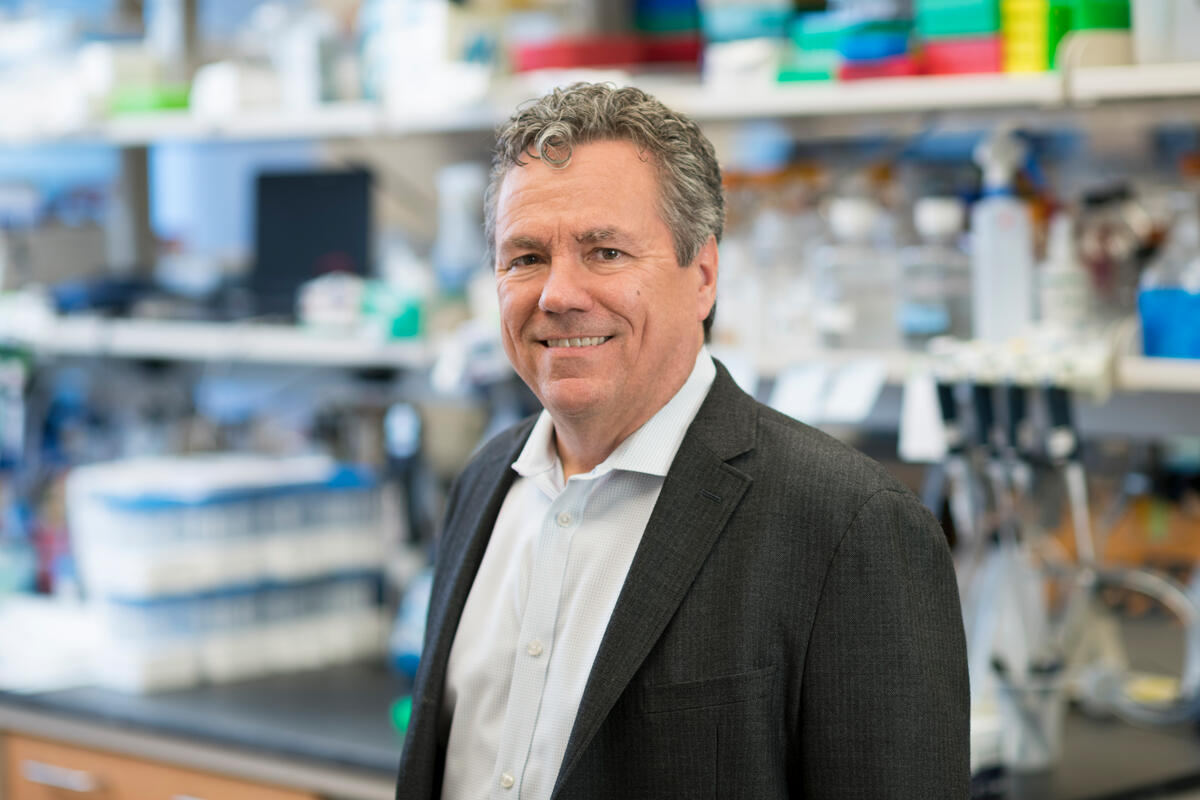
“This new approach shrank several types of solid tumor in the lab, including lung, pancreatic, and ovarian cancers — and even cleared metastases in some experiments,” says co-senior study author Scott Lowe, PhD, Chair of the Cancer Biology and Genetics Program, the Geoffrey Beene Chair for Cancer Biology at MSK’s Sloan Kettering Institute, and a Howard Hughes Medical Institute Investigator.
“In our laboratory models, these engineered cells selectively eliminated not only solid tumor cells, but also the uPAR-positive fibroblasts and immunosuppressive myeloid cells that provide a protective environment for the tumor to grow in,” he adds.
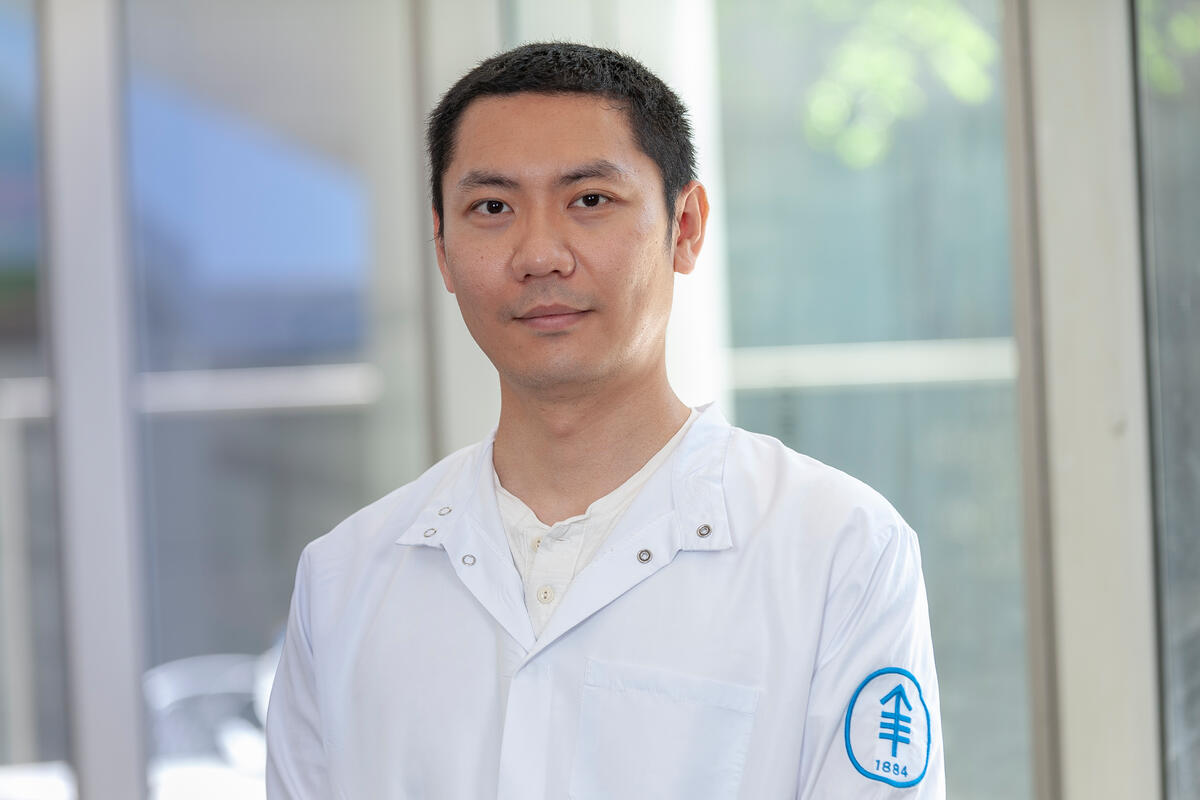
The study was led by first author Zeda Zhang, PhD, a postdoctoral researcher in the Lowe Lab. Senior authors on the study include Dr. Lowe; Michel Sadelain, MD, PhD, who recently moved his lab from MSK to Columbia University; and Aveline Filliol, PhD, a senior scientist in the Lowe Lab.
Targeting uPAR-Positive Cells Proves Effective in Laboratory Models
The team tested the effectiveness of the uPAR-targeted CAR T cells in a range of preclinical systems, including cancer cells, human tumors grown in mice, and mouse models that mimic metastatic disease.
Overall, the new approach shows significant power to fight cancer with limited impact on other healthy tissues and cells, the researchers report.
In a mouse model of ovarian cancer, for example, uPAR-targeting CAR T cells were able to wipe out metastases, leading to durable remissions. And mice whose tumors had been eliminated also resisted developing new tumors when researchers tried to introduce cancer again later, indicating the CAR T cells remained active.
Additionally, a single, adjuvant dose of the engineered cells after surgery eliminated residual disease in mice, while surgery alone helped only temporarily.
uPAR: A Cell Surface Protein Active In and Around Tumors
The urokinase plasminogen activator receptor — or uPAR — is a protein found on the outside of cells. In healthy tissue, very few cells have uPAR on their surface; it’s primarily found on myeloid immune cells, and helps with processes associated with wound healing.
But in cancer, which co-opts the body’s normal wound healing programs, both tumor cells and cells in the fibrous “niche” that support the tumor produce a lot more uPAR.
By focusing on uPAR, the new approach allows researchers to target cells in a particular state rather than a specific type of cell. The findings dovetail with recent work from the Tuomas Tammela Lab, which is also within the Sloan Kettering Institute’s Cancer Biology and Genetics Program, showing that even when such cells represent only a subpopulation of the tumor, their elimination can lead to tumor collapse — and highlighting the functional importance of these specialized cell states.
The CAR T cells that target CD19 in leukemia and lymphoma, for example, primarily target B cells — including cancer cells that develop from B cells. uPAR, on the other hand, tends to show up on the most dangerous, identity-shifting cancer cells — as well as on nearby support cells that are stuck in a constant wound-healing mode, building scar tissue and suppressing the immune response.
“Our work shows uPAR marks not only malignancy, but also the broader ecosystem that supports cancer — a feature that sets uPAR apart from other cell-surface targets,” Dr. Zhang says.
The researchers became interested in uPAR through studies of “cellular senescence” — a brake the body imposes on damaged or stressed cells, which stops them from dividing.
Some standard cancer treatments like chemotherapy can also push cells into senescence — raising uPAR levels in tumor cells.
The More Targets on the Surface of a Cell, The More Effective the Treatment
In the study, researchers found uPAR was elevated in 12 of the 14 human cancer types they analyzed, with especially high levels in some types of ovarian, pancreatic, colon, lung, and brain cancers.
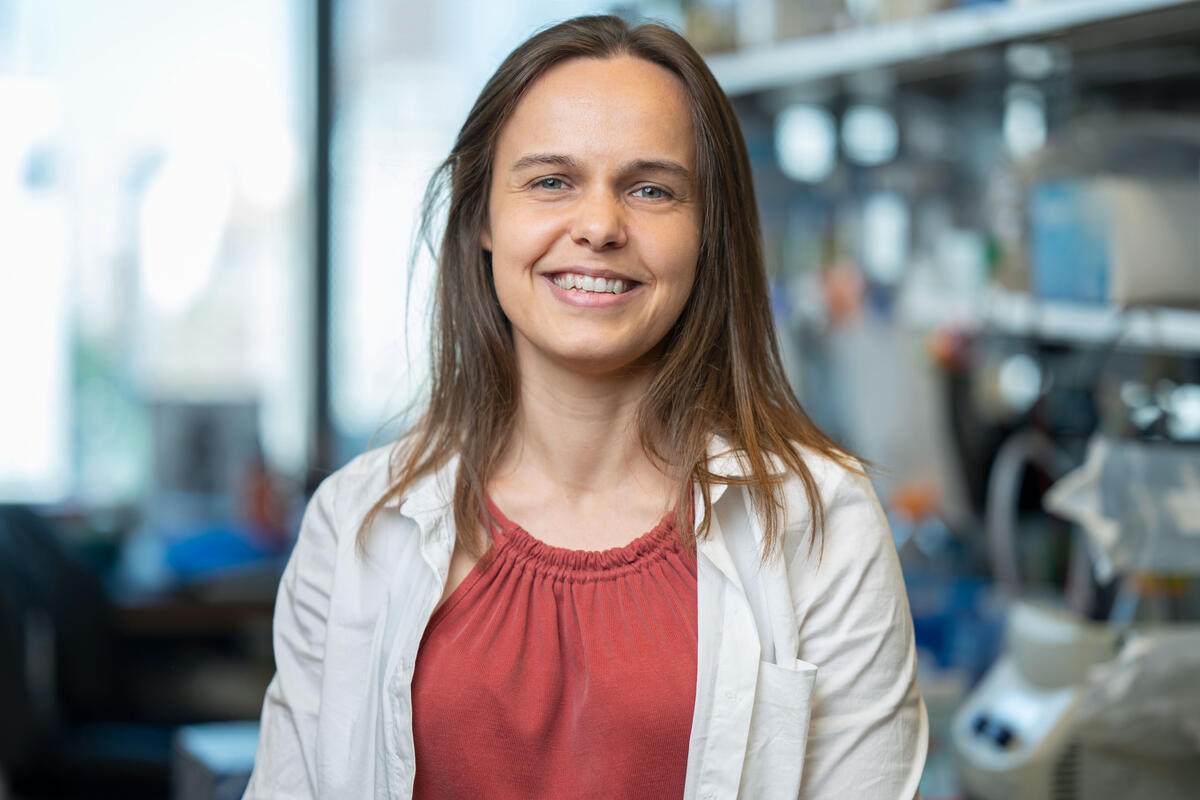
Dr. Aveline Filliol
“High uPAR expression was most strongly associated with mutations that compromise p53 — the tumor-suppressor often called the ‘guardian of the genome’ — and activating mutations in KRAS and other genes in the RAS pathway,” Dr. Filliol says. “We also found high uPAR was associated with the activation of genes that are important for cellular plasticity, inflammation, and fibrosis, which are all hallmarks of aggressive cancer.”
In preclinical experiments, uPAR-targeted CAR T cells were effective at killing cancer cells across multiple cancer models. And their effect could be further enhanced by combining them with senescence-inducing treatments such as the chemotherapy agent cisplatin, which raised uPAR levels and made tumor cells easier for the engineered T cells to attack.
Testing showed that the engineered cells worked most effectively when there were at least 1,500 uPAR molecules on the surface of each cell.
And to make the engineered cells even more effective, the team developed the new CAR T cells using new uPAR-binding molecules designed to recognize a form of uPAR that is less likely to be shed from the cell surface due to inflammation.
Targeting the Tumor’s ‘Ecosystem,’ Not Just the Tumor
Importantly, uPAR-directed CAR T cells could attack tumors from multiple angles, Dr. Sadelain says.
“We’re not just targeting uPAR on the surface of tumor cells, but also the uPAR-expressing fibroblasts and myeloid cells in a tumor’s supporting ‘niche,” he says. “That is something unique.”
The research is illustrative of efforts supported by the Marie-Josée and Henry R. Kravis Cancer Ecosystems Project, for which Dr. Lowe serves as scientific director. This initiative is focused on understanding cancer not simply as a genetic disease, but as an interconnected ecosystem of cells, tissues, and signaling networks. By framing cancer in this way, the program aims to enable the development of next-generation therapies — such as uPAR CAR T cells — that target not only tumor cells, but also the surrounding niche that supports their growth and progression.
“It’s increasingly clear that the progression of a malignant tumor isn’t just about transformations happening within cells, but about coordinated interactions between cells and nearby tissues to develop tumor-supportive ecosystems,” Dr. Lowe says.
Why uPAR Could Matter Beyond Oncology
The researchers believe targeting uPAR also holds promise for diseases beyond cancer.
“The same types of cells and tissues that we find around tumors are important in other fibrotic, degenerative, and inflammatory disorders,” Dr. Lowe says.
Beyond CAR T cells, uPAR might also be targeted with antibody drug conjugates, antibody-delivered radiation, and CAR-based natural killer cell treatments, the study authors note.
The researchers also showed two potential ways to monitor uPAR-high disease without a biopsy: measuring suPAR (a soluble fragment of uPAR) in blood, and using uPAR-targeted PET scans to spot tumors and metastases and track the cancer’s response to treatment over time.
Additional Authors, Funding, and Disclosures
Additional authors on the study include Yu-Jui Ho, Xin Fang, Minseo Kim, Marguerite Li, Wei Luan, Clemens Hinterleitner, Sascha Haubner, Friederike Kogel, Edwin Pratt, Elif Ozcelik, Jose Reyes, Vincent W. Yang, Jin Park, Qingwen Jiang, Stella V. Paffenholz, Kevin Chen, Qing Chang, Amanda Kulick, Jing Zhang, Eric Chan, Eric Rosiek, Riley A. Williams, Adam C. Wang, Samuel Freeman, Sha Tian, Gertrude Gunset, Andreina Garcia Angus, Nicolas Lecomte, Selma Yeni Yildirim, Emily Ali, Michelle Wu, Ileana Miranda, Cristina Antonescu, Olca Basturk, Zeynep Tarcan, Natasha Rekhtman, Christina Wilson, Merve Basar, Jennifer Sauter, Hikmat A. Al-Ahmadie, Singer Samuel, Christine Iacobuzio-Donahue, Charles Rudin, Elisa de Stanchina, Karuna Ganesh, Paul B. Romesser, Britta Weigelt, Judith Feucht, Ignacio Vázquez-García, Matthew J. Bott, Dmitriy Zamarin, Sohrab Shah, Jason Lewis, Corina Amor, Dana Pe’er, and Jorge Mansilla-Soto.
This work was supported by the National Institute of Aging (5R01AG065396), the MSK Technology Development Fund and the Experimental Therapeutic Center (FP00009954), the Mark Foundation Grant for Cancer Research, the LOTUS Award from the Pershing Square Sohn Cancer Research Alliance, and Cycle for Survival. Additional support was provided by fellowships and grants from the Alan and Sandra Gerry Metastasis and Tumor Ecosystems Center at MSK, the National Institutes of Health (T32GM152349), the Damon Runyon Cancer Research Foundation / Howard Hughes Medical Institute (2383-19, 2467-22), the American Federation for Aging Research, the Foundation for Women’s Cancer, the National Cancer Institute (F32CA268912, K99CA276804, R35CA232130, P30CA008748), and the European Research Council (ERC-StG-949667).
Memorial Sloan Kettering Cancer Center has filed patent applications describing the human uPAR binders and their applications, and several of the study authors are listed as the inventors. Dr. Lowe is a founder and member of the scientific advisory board of Blueprint Medicines, Mirimus, ORIC Pharmaceuticals, Senescea, and Faeth Therapeutics; he also serves on the scientific advisory board PMV Pharmaceuticals, and is a consultant for Fate Therapeutics. For a full list of disclosures please refer to the journal article.
Read the study: “A convergent uPAR-positive tumor ecosystem creates broad vulnerability to CAR T cell therapy,” Cell. DOI: 10.1016/j.cell.2026.03.002