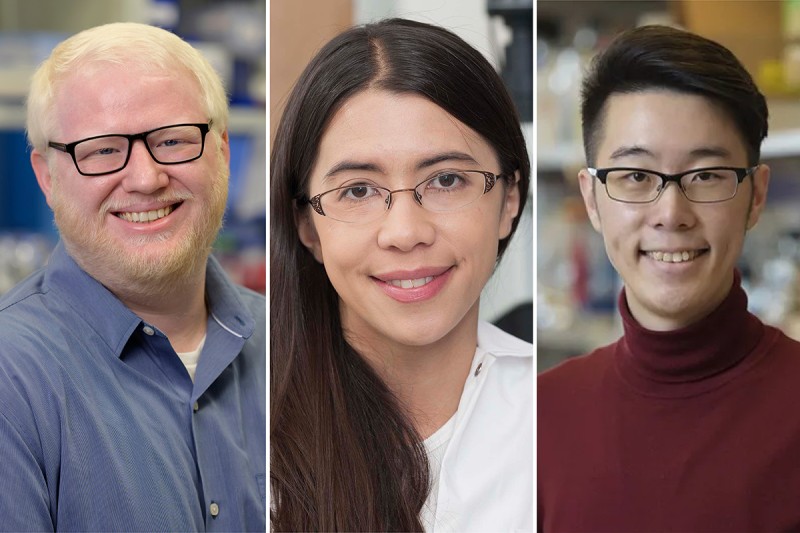
Curiosity, focus, and commitment are essential qualities for an aspiring scientist. But speak to any accomplished researcher and they will tell you strong mentorship matters most of all.
That’s why, nearly 20 years ago, the Gerstner Sloan Kettering Graduate School of Biomedical Sciences (GSK) was founded through the generosity of the late Louis V. Gerstner, Jr. — a visionary leader, philanthropist, and longtime champion of science and education — to train young scientists as a critical pillar of Memorial Sloan Kettering Cancer Center (MSK). Since then, GSK has graduated 144 PhD scientists who’ve gone on to make a difference in academia, industry, and beyond.
In small groups under the close mentorship of 140 faculty members, GSK students can choose between two training tracks: cancer biology or cancer engineering. The Friedman Family Doctoral Program in Cancer Biology gives students the opportunity to unlock the world of cells in pursuit of new knowledge through basic, translational, and clinical research. The Pat and Ian Cook Doctoral Program in Cancer Engineering is a first-of-its-kind PhD program offering promising engineers a deeper understanding of cancer biology while developing new tools to solve problems in the lab and the clinic.
Why get a PhD at GSK? Just look at the career trajectories of these alumni.
Robert Bowman, PhD
When Robert (Bobby) Bowman applied to GSK in 2010, he was chasing a dream — and a girl. Fresh out of undergrad at Vanderbilt, he and his soon-to-be wife, who was entering medical school, were determined to study in New York City together. Luckily, GSK was his top choice. “I’d read about the science coming out of MSK, and it felt like the house on the hill, elevated above all other research institutions,” he recalls.
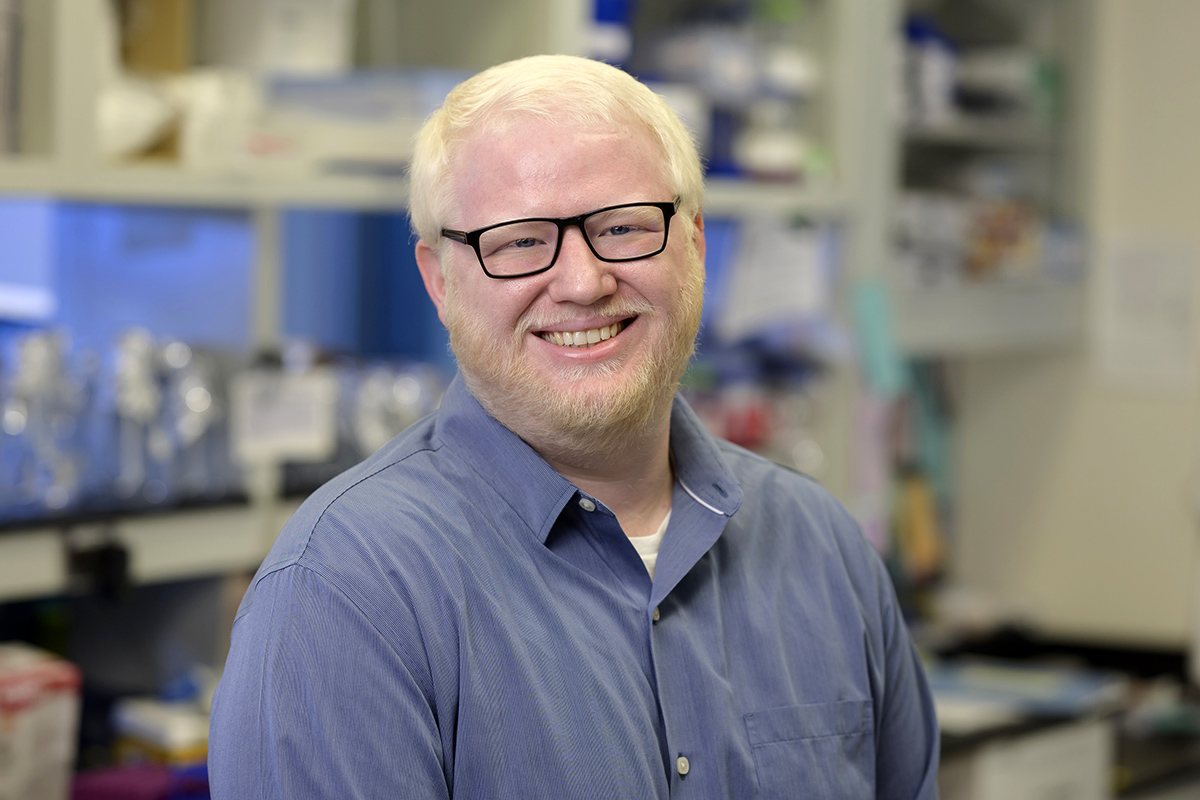
At GSK, Dr. Bowman joined the lab of Johanna Joyce, PhD, and set out to investigate how immune cells interact with brain tumors. He had been fascinated by the ways cells communicate ever since studying slime mold in an undergraduate biology class.
Dr. Bowman looks back fondly on the depth of knowledge he gained at GSK, reading 40 papers a week while surrounded by a community of scientists who were as invested as he was. “That was awesome,” he says.
But the research was slow going at first. Born with albinism, Dr. Bowman’s low vision made research arduous. He had to find creative ways to stay productive, such as teaching himself how to code.
Four years went by without much progress. Then one night in the lab, while analyzing cells with a flow cytometer, Dr. Bowman had a eureka moment. He found a protein marker that could help distinguish which immune cells originate in the brain and which come from the blood, opening new ways to understand how brain tumors interact with the body’s immune defenses.
While the discovery changed the course of his doctoral research, he says it was a fleeting moment compared to the years of work that got him there. He learned to trust the scientific process, no matter how tedious. “You have to appreciate that every day of research is getting you closer to an answer,” he says.
After finishing his PhD, Dr. Bowman went on to do postdoctoral work in the lab of Ross Levine, MD, which laid the foundation for the leukemia research he leads in his own lab today. Now an assistant professor at the University of Pennsylvania’s Perelman School of Medicine, Dr. Bowman believes that who you collaborate with makes all the difference.
“Pick mentors you trust and environments that support you,” he says, “The science will follow.”
Elizabeth Wasmuth, PhD
Elizabeth Wasmuth was at a crossroads. Years of studying animal medicine had fostered a deep love for science, yet the career she’d trained for no longer felt right. So she took a gap year as a technician at the National Institutes of Health (NIH), determined to rediscover her purpose.
“I told myself I needed to understand biology at its most fundamental level before I could truly call myself a scientist,” she recalls. That conviction led her to apply to GSK.
Dr. Wasmuth still remembers her first conversation with Christopher Lima, PhD. She was sitting on the curb in the parking lot of the NIH after work. They talked on the phone for an hour about her research goals. “I knew then that GSK was a place where the faculty truly cared,” she says.
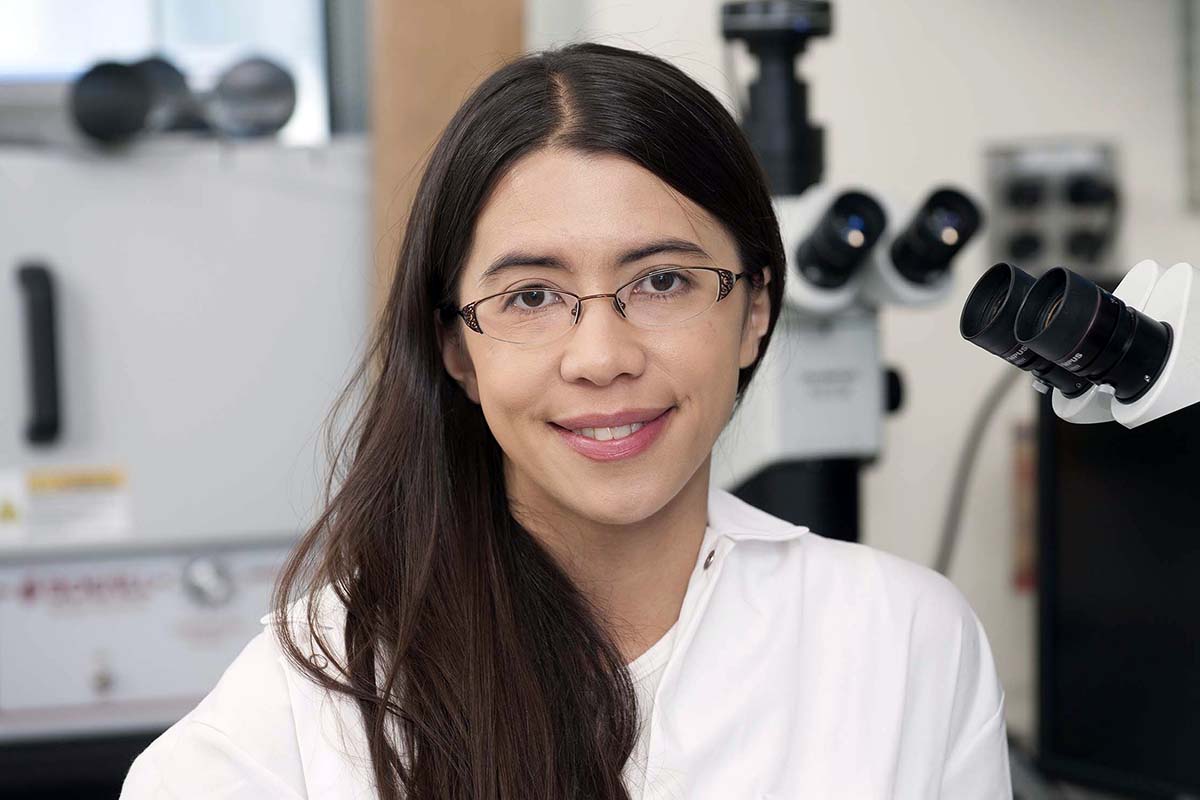
In 2008, she joined Dr. Lima’s lab to study the lifecycle of RNA in yeast. As part of GSK’s third graduating class, she loved the curriculum and the opportunity to immerse herself in a tight-knit community that valued a multidisciplinary approach to science. From day one, she recalls feeling this “fire in her belly” to learn everything she could.
The work was personal. Growing up in New Jersey, she saw numerous family members treated at MSK, including her aunt Carilyn, who died of pancreatic cancer at just 44 years old. “She has always given me a goalpost to strive for in my research,” Dr. Wasmuth says.
After her PhD, Dr. Wasmuth embarked on a postdoctoral project in the lab of Charles Sawyers, MD, researching how androgen receptors drive the growth of prostate cancers. Her experience secured her an assistant professor position in the Department of Biochemistry and Structural Biology at University of Texas Health San Antonio.
Today, Dr. Wasmuth heads the region’s first facility for cryo-electron microscopy, a powerful imaging technology that reveals the structure of molecules and other matter in exquisite 3D detail. The research program she built at UT has earned her recognition as a Howard Hughes Medical Institute Freeman Hrabowski Scholar. She was also named the 2024 Abeloff V Scholar by the V Foundation for Cancer Research. Through it all, she credits GSK for instilling in her the confidence and courage to build something with impact. Her advice to future researchers is to “find a place, like GSK, that is always thinking about the needs of tomorrow.”
Zhong-Min Wang, PhD
Zhong-Min Wang has never been one to shy away from the unknown. Raised in Dalian, in northern China, he first came to the United States for a semester abroad during his undergraduate studies. A biochemistry student at the University of Hong Kong at the time, he was captivated by the “research prowess” of American institutions — and by immunology, the field that baffled him most. “I needed to conquer it,” he recalls.
Inspired by a professor who had trained at MSK, he set his sights on New York City. “I wanted to be at the center of where everything is happening,” he says.
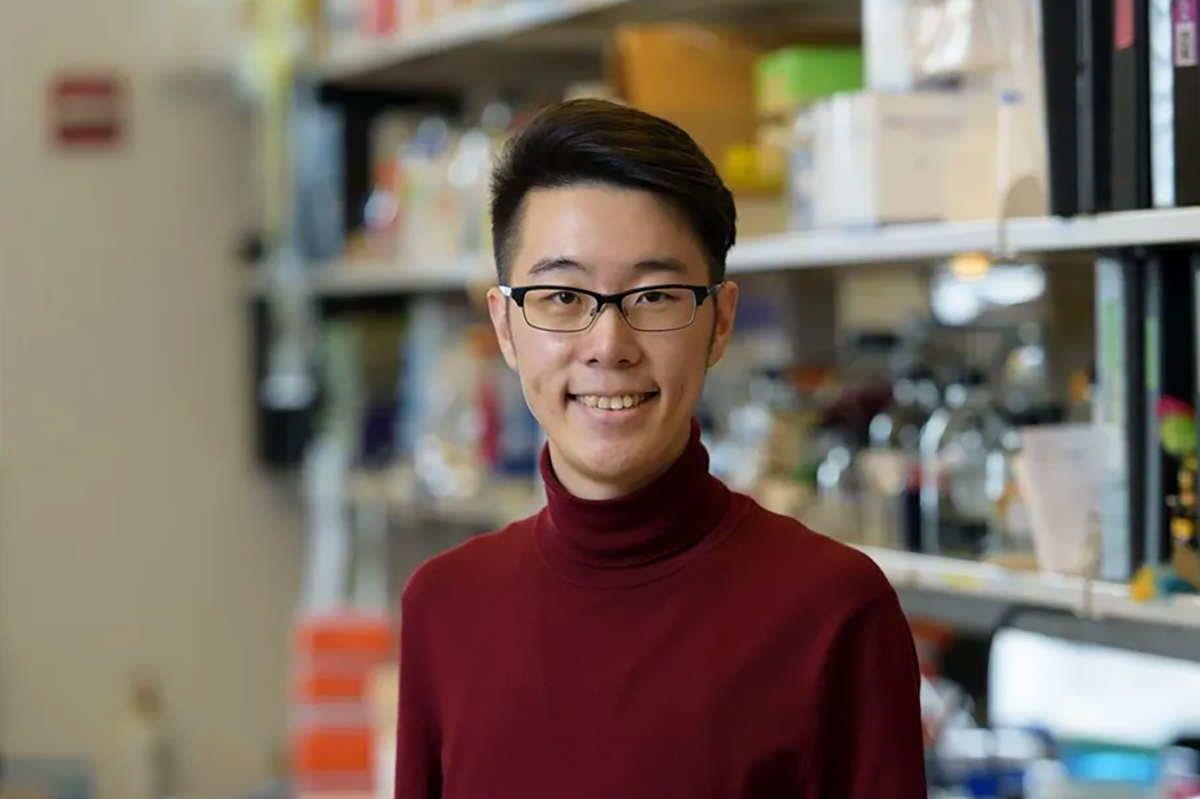
He arrived at GSK in 2016 and started working in the lab of Alexander Rudensky, PhD. Moving halfway around the world to tackle an entirely new subject wasn’t easy, but GSK’s supportive staff eased the adjustment. “We had an entire office dedicated to us students, with deans who were always available to chat,” he says.
Five years later, his efforts paid off when he published a paper in Nature Immunology about how regulatory T (Treg) cells could be harnessed to treat autoimmune diseases and chronic inflammation. The study earned him the 2021 Chairman’s Prize, which he calls a big milestone for his career. “I went from being a rookie who didn’t know anything to being publicly recognized for my research,” he says.
Just months after completing his PhD, Dr. Wang moved to San Francisco to work for the biotech company Genentech. It was a natural transition, allowing Dr. Wang to build on his doctoral research and continue his quest to conquer immunology. He credits Thalyana Stathis, PhD, and her team for going “above and beyond” to help him land the job so quickly.
Now Dr. Wang is developing a new immunotherapy treatment for people with inflammatory bowel disease. He feels lucky to have a job that is both intellectually engaging and impactful. “This is something I believe in and am excited about. There are a lot of unknowns,” he says.
Reflecting on his journey, Dr. Wang encourages future PhD candidates to lean into the discomfort of discovery and seek support when it matters most. “Grad school is never easy. If it’s easy, then you’re not doing it right,” he says.
Dr. Levine holds the Edward P. Evans Endowed Chair for MDS.
Dr. Lima holds the Alfred P. Sloan Chair.
Dr. Sawyers holds the Marie-Josée and Henry R. Kravis Chair in Human Oncology and Pathogenesis.