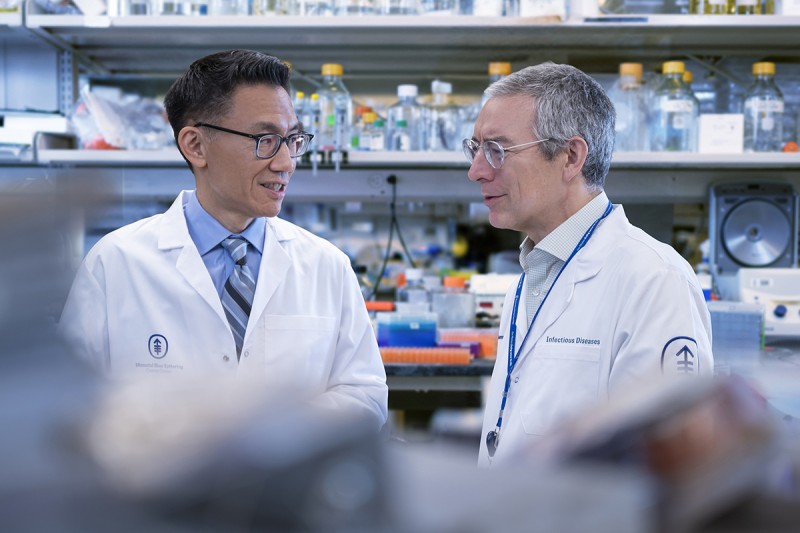
At any given moment, the human immune system is running quiet surveillance: detecting what doesn’t belong and calibrating a response strong enough to clear infection but restrained enough to avoid harming healthy cells and tissues. That discrimination is the immune system’s defining strength.
Cancer, however, blurs that boundary. Cancer cells originate from our own tissues and often hide behind signals that mark them as “self.” And, as tumors grow, they develop additional protections to keep immune defenders at bay.
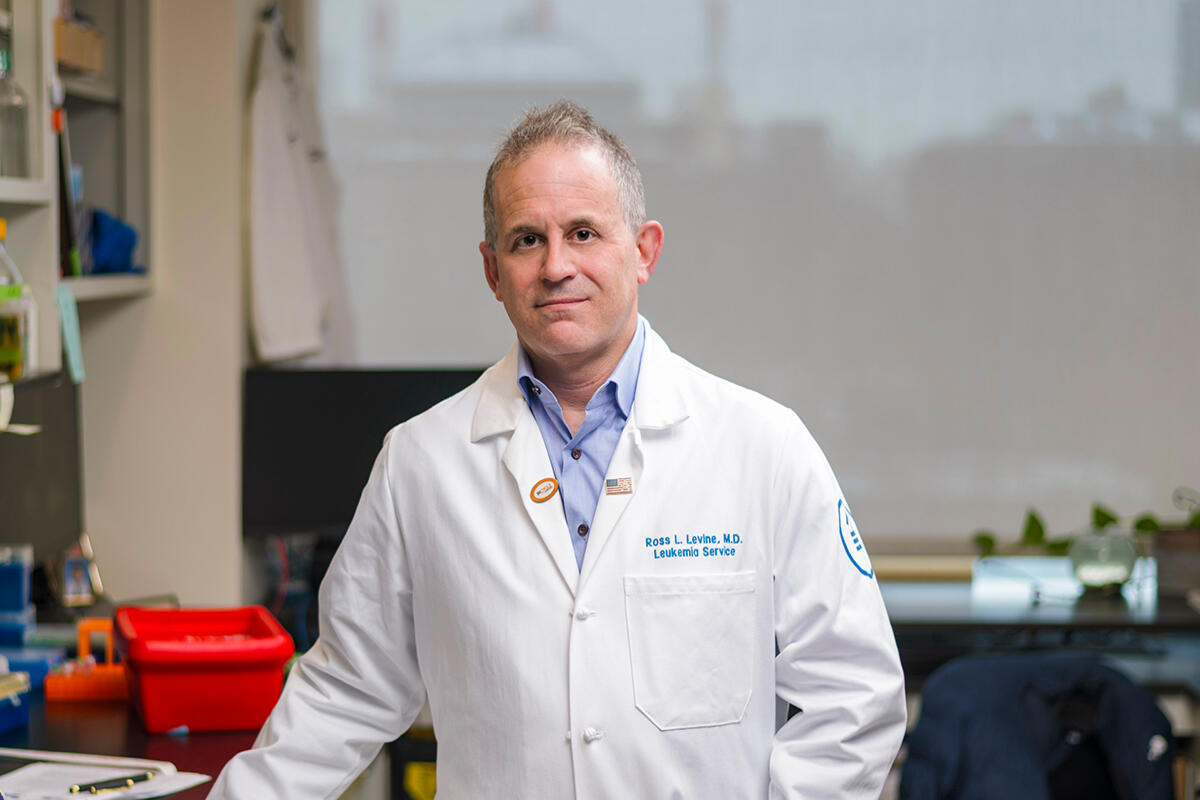
That’s why immuno-oncology — which seeks to rally and strengthen the immune system’s ability to fight cancer — is the world’s next frontier in cancer research, says Ross Levine, MD, Chief Scientific Officer for Memorial Sloan Kettering Cancer Center (MSK).
“In the last two decades, different approaches to leverage the immune system have moved from being daring ideas to treatment options for many patients,” says Dr. Levine, a leukemia specialist and researcher.
At MSK, this momentum is neither new nor accidental. It’s the direct result of more than a century of discovery, laboratory research, and clinical trials that have helped make modern immunotherapy treatments possible.
To continue building the pipeline of discovery, in 2025 MSK established a stand-alone research program dedicated to immuno-oncology.
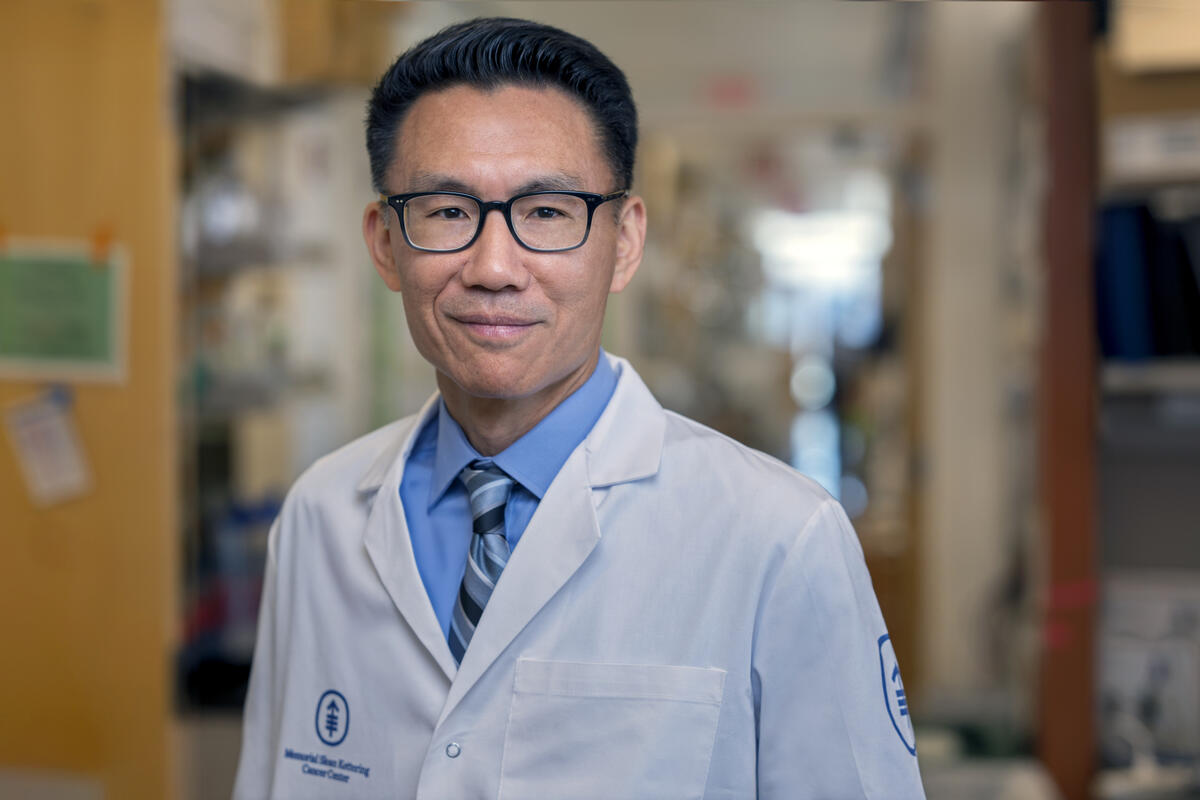
“The Immuno-Oncology Program is designed to accelerate what MSK does best: translate insights from the laboratory into treatments that meaningfully extend and improve lives — and learn from every patient to uncover new pathways for further discovery,” says Andy Minn, MD, PhD, the program’s inaugural chair.
Along with the new research program, a generous gift also helped MSK to launch a new technology hub — the Marie-Josée Kravis Center for Cancer Immunobiology — with an immune-focused biobank, specialized diagnostic tests, and advanced computational resources to help MSK clinicians and scientists work together to identify new drug targets and develop novel immunotherapy treatments.
If the first era of immunotherapy was about proving that the immune system can be a powerful weapon against cancer, this next one aims to make that armament more precise, durable, and available to far more people, says Dr. Minn, who co-directs the immunobiology center with physician-scientist Michael Glickman, MD.
“It also means prioritizing the types of challenges most likely to unlock the most benefit,” Dr. Minn says.
Within the new program and elsewhere across MSK, researchers are tackling the biggest questions in immuno-oncology.
How Can We Make Immunotherapy Work Better and for More People?
While some patients’ cancers have remarkable responses to immunotherapy, currently they only work for about 20-40% of patients, depending on the treatment and type of cancer.
CAR T cell therapy, for example, which involves removing and modifying some of a patient’s own T cells to better fight their cancer, has been more effective against blood cancers than solid tumors.
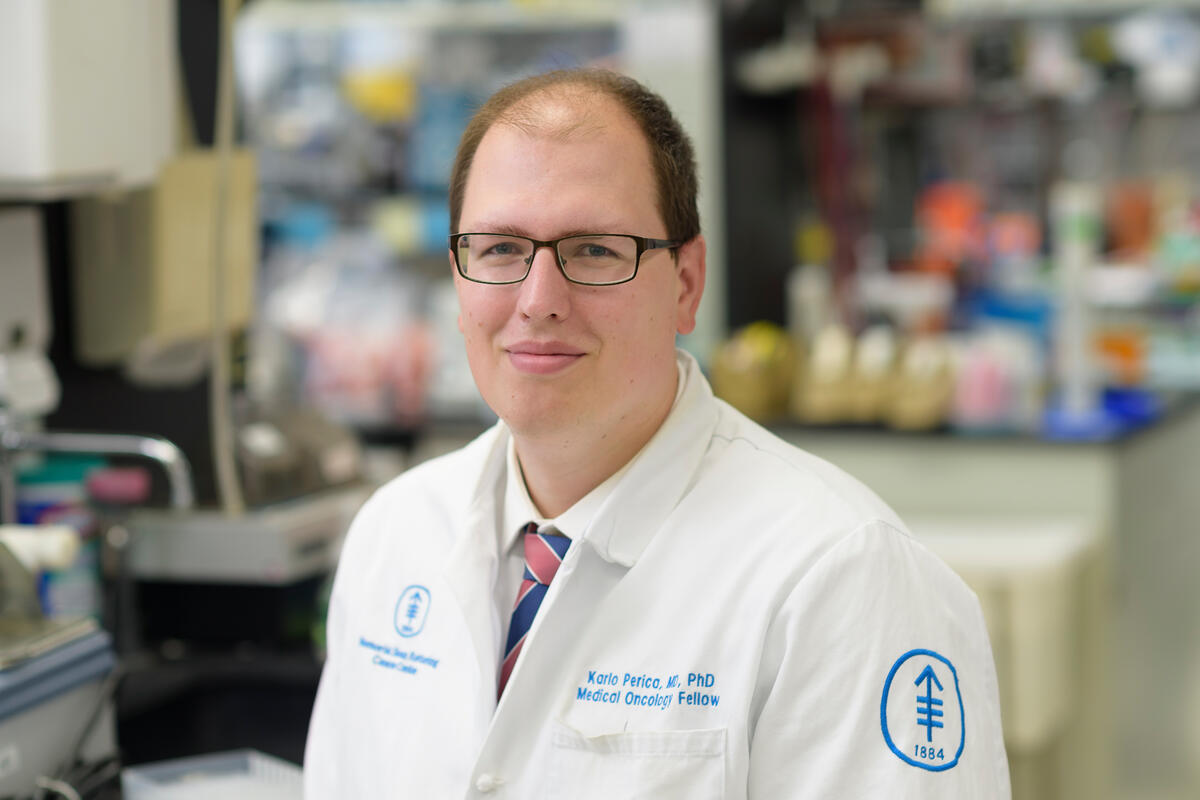
“The challenge really starts with finding an antigen that works for all or most patients — something that we can target that identifies the tumor and isn’t found on normal cells. That is much harder for solid cancers,” says Karlo Perica, MD, PhD, whose research focuses on CAR T cell therapy. “And then there are multiple additional layers of complexity, including an immune suppression that the tumor uses to protect itself.”
At MSK, scientists like Dr. Perica have been attacking the limitations of immunotherapy on multiple fronts, including engineering cellular therapies in new ways to make them more effective. “My laboratory is obsessed with finding ways to make cell therapies cheaper, more available, and more accessible,” he says. “If we’re going to treat really common cancers like lung or breast cancer with cell therapy, we will need to greatly streamline and improve this complicated process.”
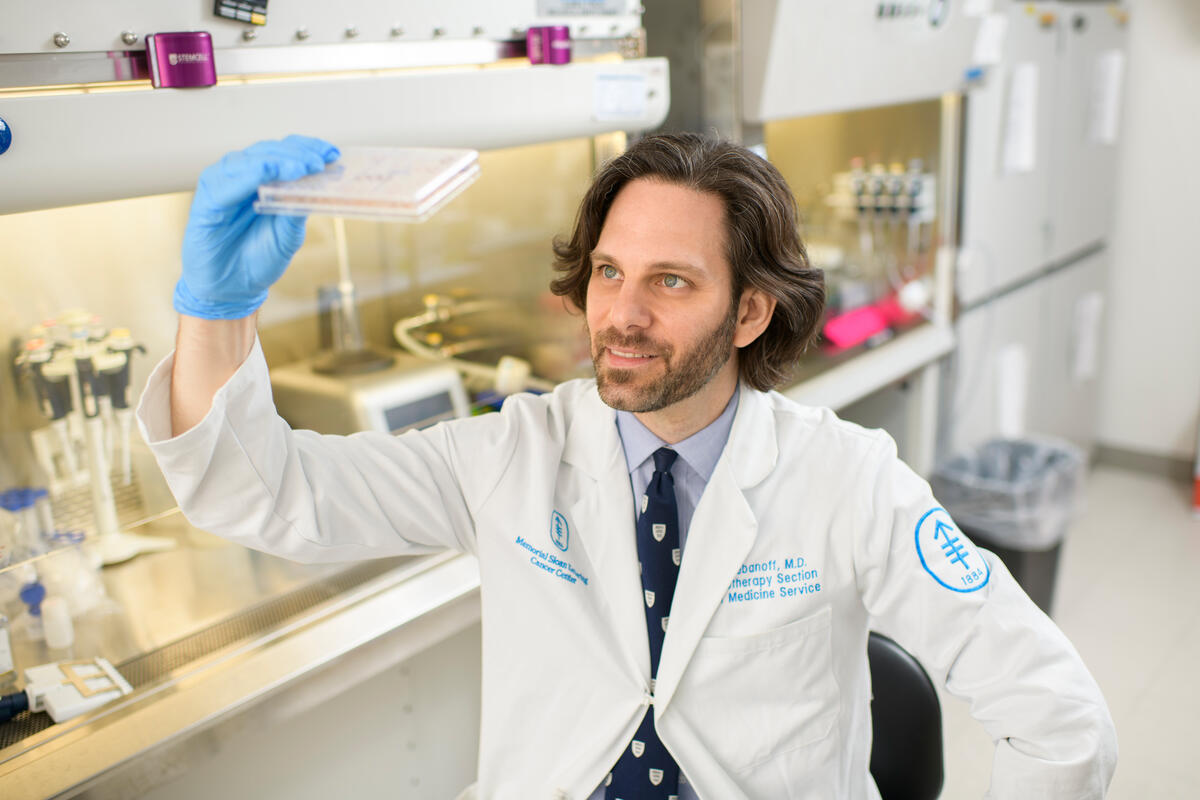
Meanwhile, last year a research team led by Christopher Klebanoff, MD, showed that immune cells carry a surface protein that undermines their effectiveness when transformed into cellular therapies. The new discovery sheds light on the tendency of these modified cells to lose power or even self-destruct before fully destroying a tumor.
“We go to extraordinary lengths to manufacture genetically engineered cells, and now we find they carry within themselves the seeds of their own destruction,” says Dr. Klebanoff, an associate member of the Immuno-Oncology Program. “They produce very high levels of a molecule that functions like a sword they can use to commit suicide with or to eliminate other immune cells.”
The findings point the way toward re-engineering immune cells to avoid this pitfall.
Other MSK efforts are aimed at things like teaching CAR T cells to attack solid tumors; adapting them to detect two antigens instead of just one; developing ready-made CAR T cells; and engineering a new type of custom immune cells that can detect cancer markers from the inside of cancer cells.
How Can Immunotherapy Complement or Even Replace Standard Therapies?
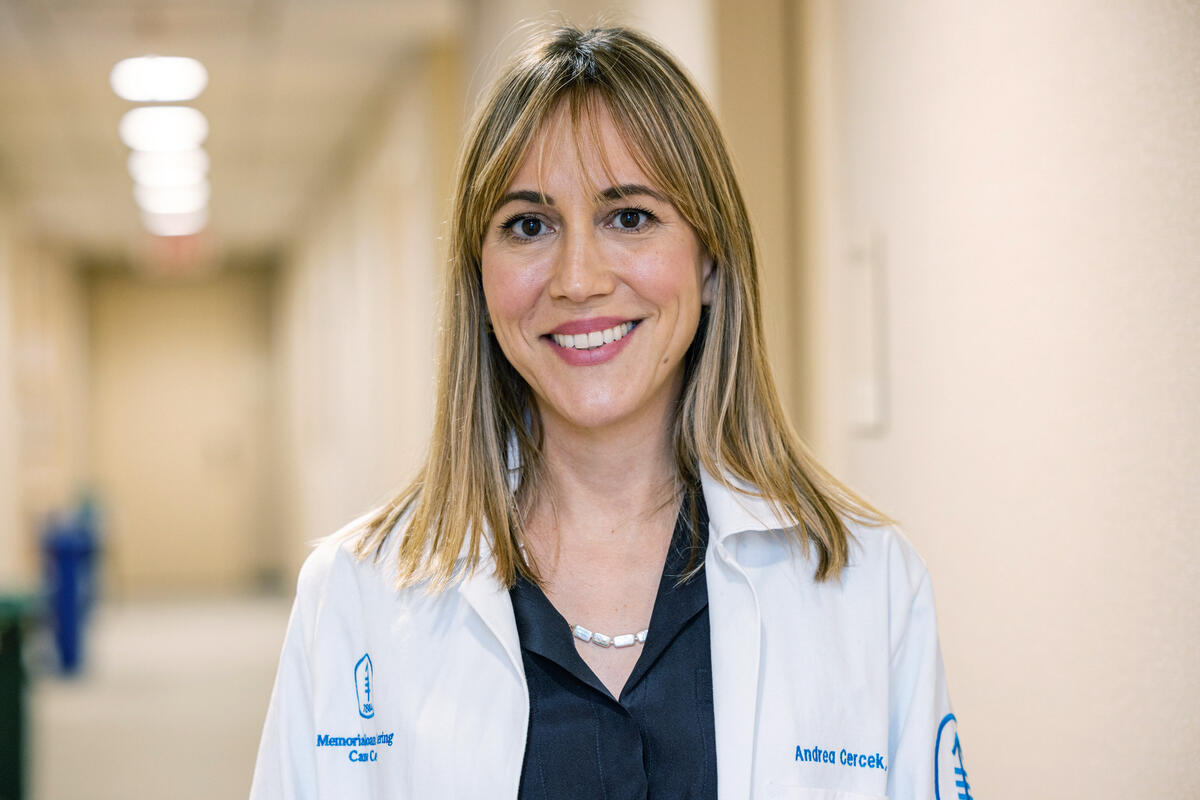
One recent approach pioneered at MSK caused tumors with a specific genetic mutation called mismatch repair deficiency (MMRd) to disappear in 80% of patients using only immunotherapy — no surgery, chemotherapy, or radiation.
This clinical trial showing the dramatic success of checkpoint inhibitor therapy alone for people with MMRd gastrointestinal (GI) cancers garnered national and international headlines, and helped land study author Andrea Cercek, MD, on the 2025 TIME100 Health list.
But for most patients, immunotherapy is not used alone, but in conjunction with standard treatments: surgery, chemotherapy, and/or radiation.
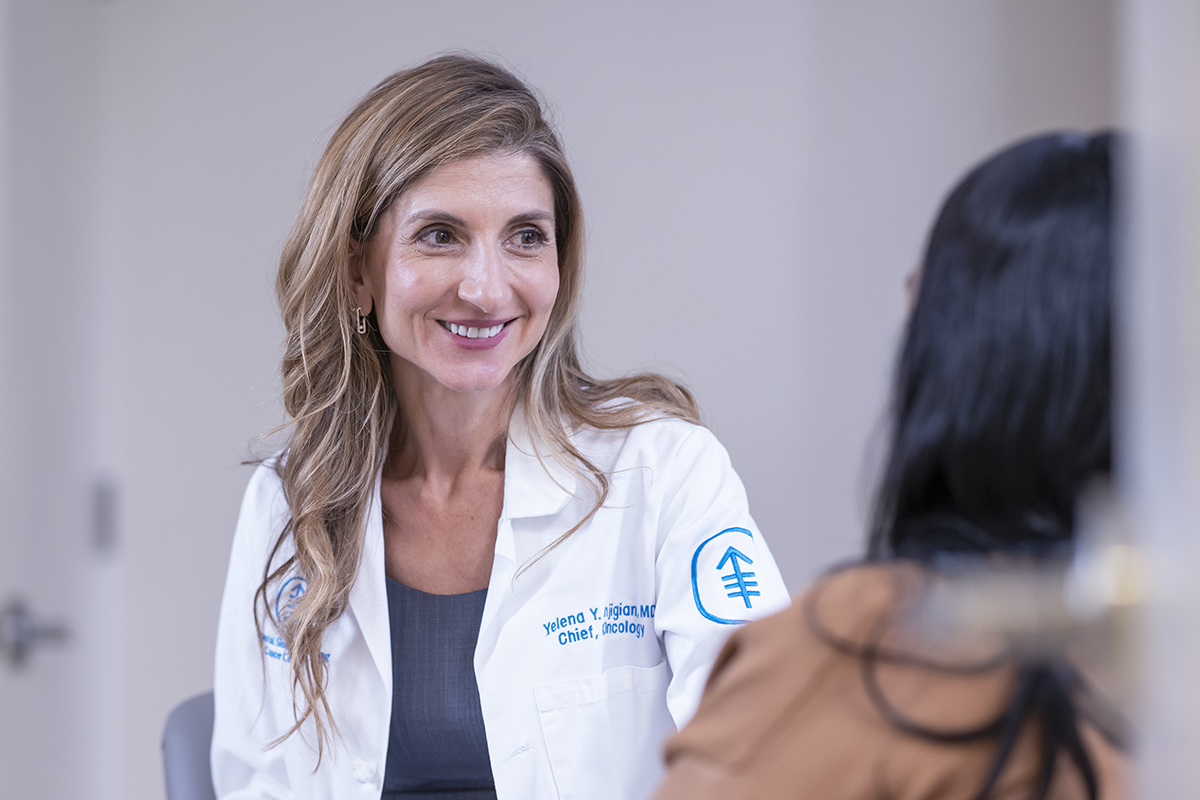
A clinical trial led by Chief of Gastrointestinal Medical Oncology Yelena Janjigian, MD, for example, demonstrated checkpoint inhibitors could help prevent stomach and esophageal cancer from coming back after treatment with surgery and chemotherapy.
At two years, 67% of the group who received immunotherapy remained cancer free, compared with 59% of the group who did not receive immunotherapy, according to results published in the New England Journal of Medicine.
Each of the different immunotherapy approaches has its own strengths and limitations, Dr. Minn says, as do standard treatments.
“The future lies in learning which doors to open together, in what order, and for which patients,” he says.
How Can We Better Predict Who Will Respond to Immunotherapy?
Indeed, a big part of the puzzle is figuring out which patients immunotherapy is most likely to help. In one example, MSK researchers tapped into the power of artificial intelligence (AI) to improve predictions.
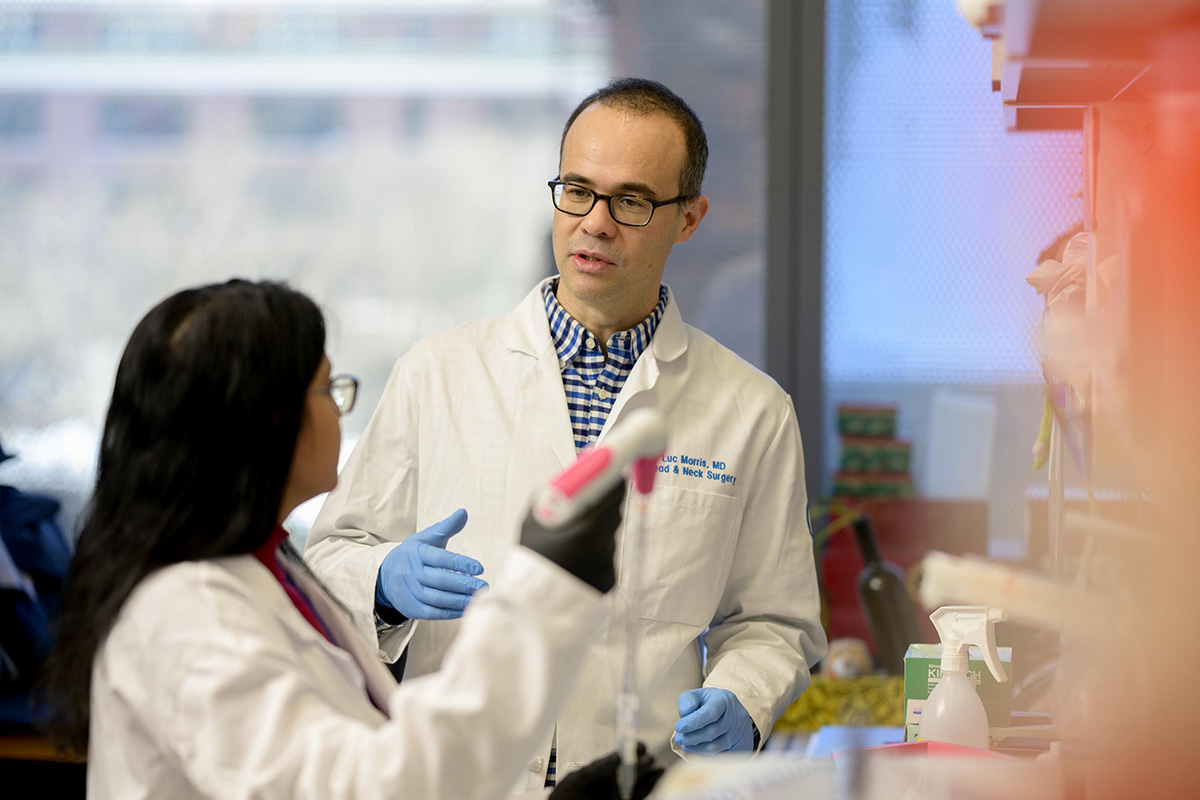
“Immune checkpoint inhibitors are a very powerful tool against cancer, but they don’t yet work for most patients,” says Luc Morris, MD, a surgeon and research lab director at MSK. “These drugs are expensive, and they can come with serious side effects.”
So the key is patient selection — matching the drugs with patients who are most likely to benefit.
Predicting success usually requires advanced genomic tests, like MSK-IMPACT®. To make these predictions available more widely across the globe, a team led by Dr. Morris and collaborators at the Icahn School of Medicine at Mount Sinai developed an AI-based model, dubbed SCORPIO, that outperformed more advanced markers using only routine blood tests and clinical data.
“The simplicity and affordability of this new approach could help ensure more equitable access to care while also reducing costs and helping ensure patients receive treatments most likely to benefit them individually,” Dr. Morris says.
Can Vaccines Become Another Major Pillar of Cancer Treatment?
Traditional vaccines are used to prevent infections, including those like HPV and hepatitis B that can increase a person’s risk of developing cancer down the road. MSK researchers have also been helping to develop therapeutic vaccines for cancer, a type of precision immunotherapy used to treat cancer after it occurs.
Cancer vaccines specifically boost the ability of each individual patient’s immune system to precisely target and eliminate their own cancer. And while these therapeutic vaccines aren’t quite ready to go mainstream yet, early-stage clinical trials in several cancers have shown initial promise.
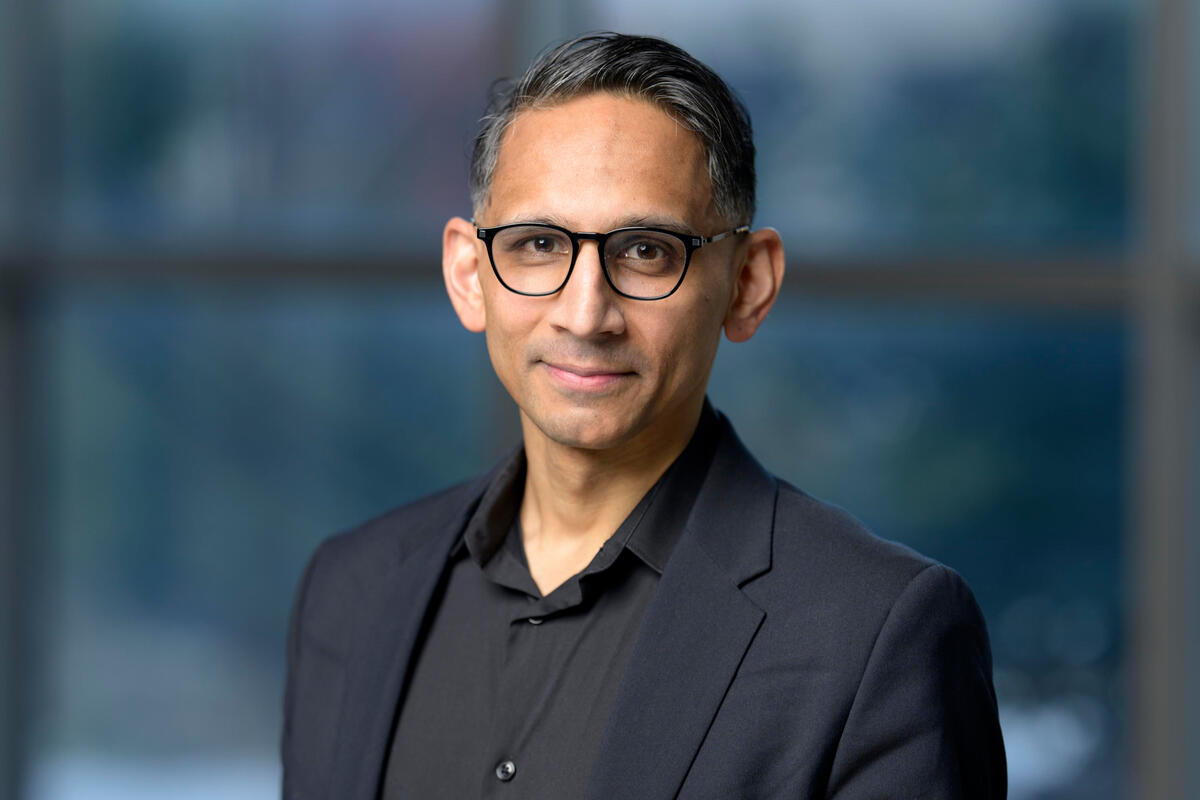
“The latest data from our pancreatic cancer vaccine phase 1 trial are encouraging,” says Vinod Balachandran, MD, an associate member of the Immuno-Oncology Program and Director of the Olayan Center for Cancer Vaccines at MSK. Dr. Balachandran was also named to the TIME100 Health list in 2025, as well as the Washington Post Next 50.
In this trial, patients with pancreatic cancer received a personalized RNA vaccine after surgery. Although pancreatic cancer was long thought to be unsuitable for a vaccine, the team discovered the approach can generate strong immune responses — and patients whose immune systems responded to the vaccine are still doing well up to four years after treatment.
According to Dr. Balachandran, “These results suggest this investigational vaccine can mobilize anti-tumor T cells that may recognize pancreatic cancers as foreign, potentially years after vaccination.”
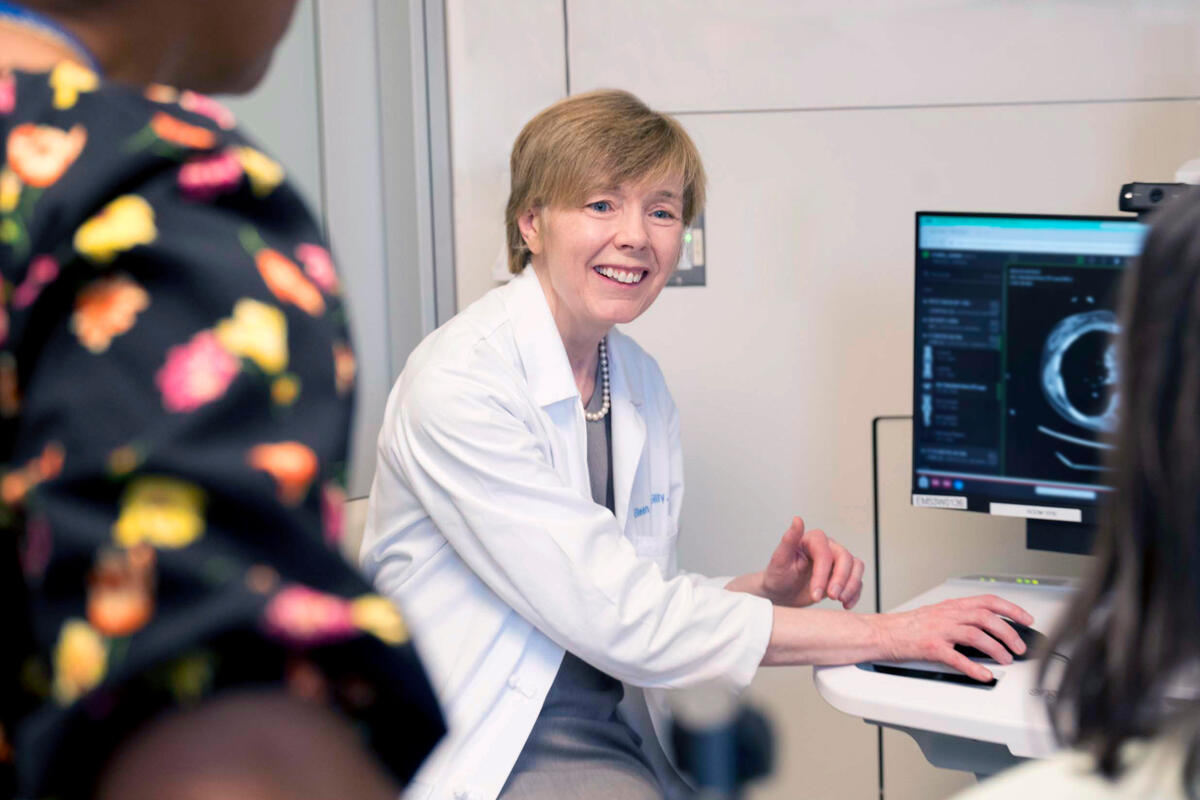
Another phase 1 trial of a different type of cancer vaccine targeting KRAS mutations common in GI cancers, co-led by MSK’s Eileen O’Reilly, MD, showed promise for patients with pancreatic and colorectal cancer.
“Having a vaccine that’s ‘off-the-shelf’ will make it easier, faster, and less expensive to treat a larger number of patients,” she says. “This gives hope for people with pancreatic and colorectal cancer who have undergone surgery and remain at risk for recurrence.”
The Olayan Center for Cancer Vaccines is leading vaccine research and innovation at MSK, with additional trials now open for patients with pancreatic, lung, bladder, and kidney cancer, as well as several more planned in the coming year.
What Can Discovering New Immune System Biology Teach Us?
Meanwhile, laboratory research at MSK continues to probe fundamental questions about the nuances of the immune system and its relationship to cancer.
Dr. Minn, for example, has spent years studying how long-term inflammation and abnormal activation of interferon signaling affects how cancers grow, why they can become resistant to treatment, and how well immunotherapy works. Interferon signaling is an alarm system against invaders and gets its name from the way it interferes with viruses and other threats.
“It turns out, inflammation is quite a double-edged sword,” he says. “Acute inflammation is essential to activate an immune response against cancer, but lingering, chronic inflammation can help tumors to develop resistance.”
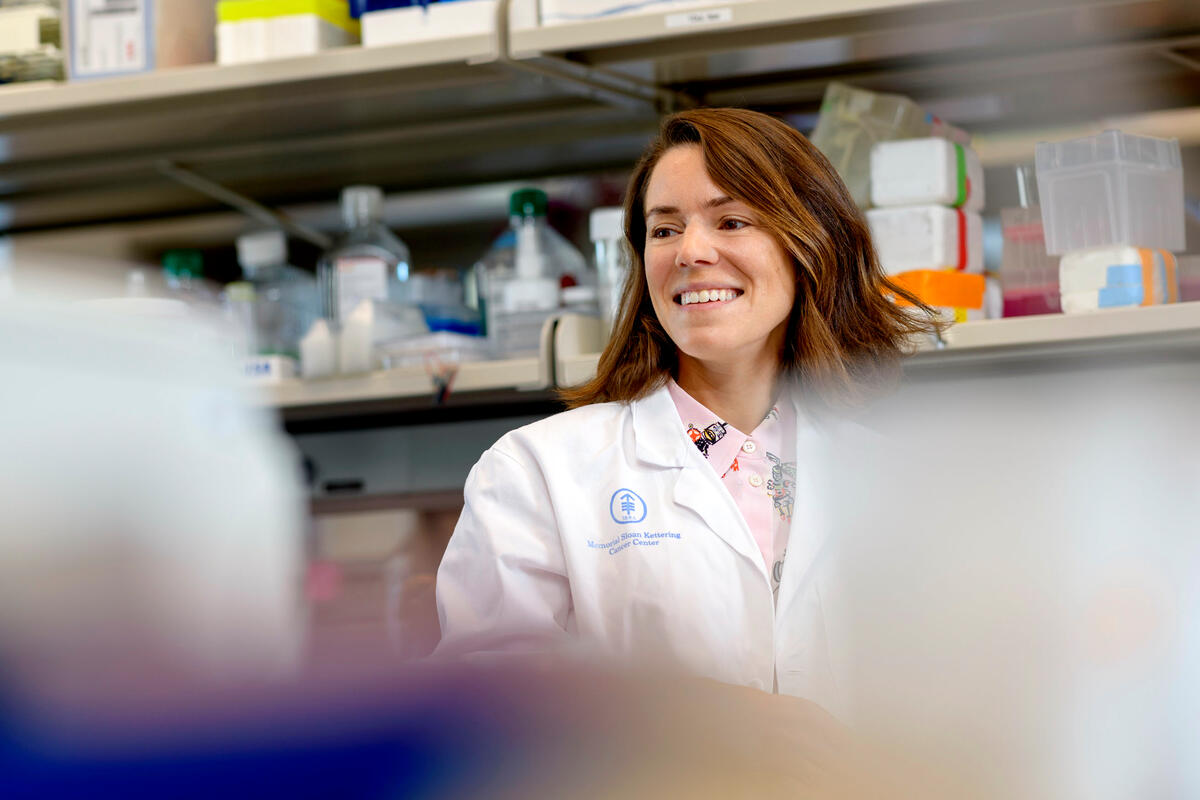
And the research of pediatrician and immunologist Chrysothemis Brown, MD, PhD, an assistant member of the Immuno-Oncology Program and Howard Hughes Medical Institute Freeman Hrabowski Scholar, is focused on foundational questions about the way the immune system develops and establishes tolerance to germs and other foreign substances. She led a study published in Science last year looking at a newly identified class of immune cells and its role in tolerance to food, highlighting an important pathway for food allergy prevention in early childhood development.
By shedding new light on how these cells participate in the development of immune responses early in life, Dr. Brown and her lab are getting new insights into how they may influence early childhood cancers too.
MSK is also learning how immunotherapy targeting one location may have broader effects than originally appreciated.
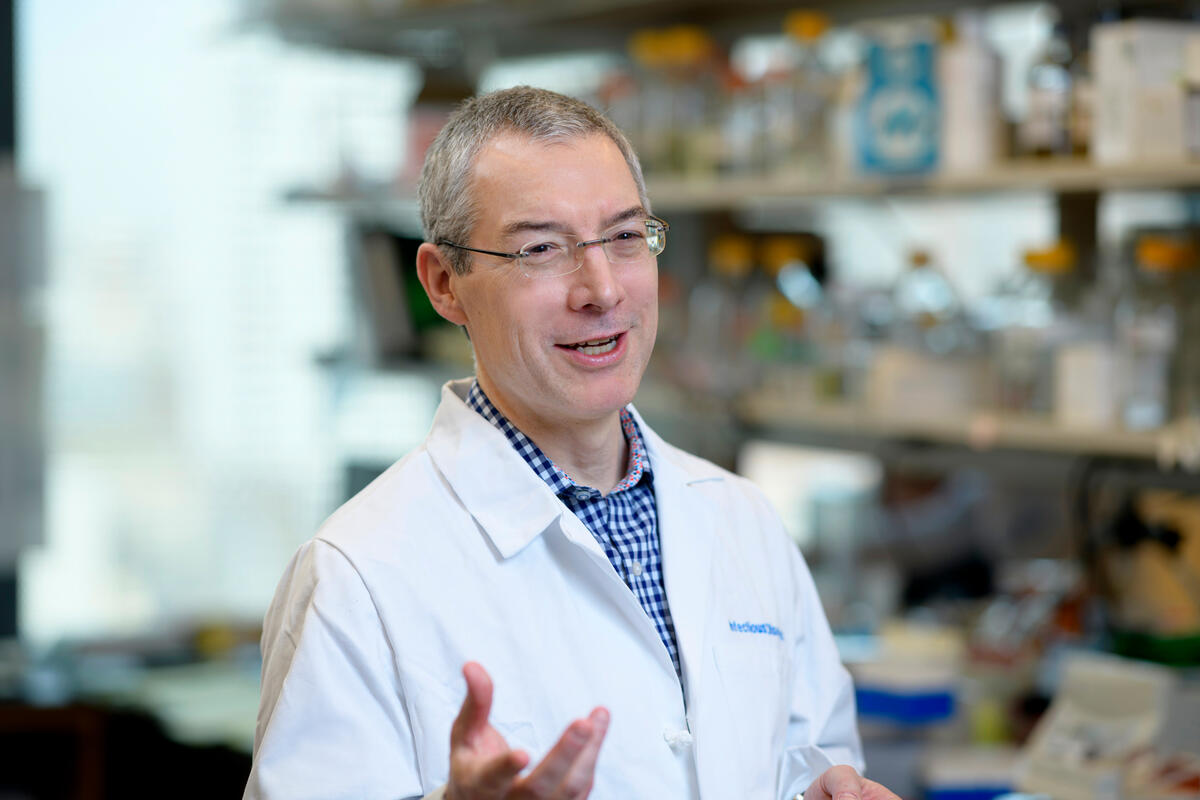
A 2025 study co-led by Dr. Glickman showed a decades-old immunotherapy used against bladder cancer, BCG, doesn’t just work locally in the bladder — it also boosts the immune system’s general ability to fight cancer by modifying the immune cells that come from the bone marrow.
The insights could help improve the effectiveness of immunotherapies more broadly.
Ultimately, Dr. Minn notes, success in immuno-oncology will be measured in multiple ways: Scientifically, by the depth of understanding gained about how cancers evade the immune system, and how to stop them. In the clinic, through new trials that test bold ideas and bring promising therapies to patients.
“And, most importantly, by lives changed — by the patients whose cancers respond better to new approaches and for whom those responses can be made to last,” he says.
Dr. Balachandran’s research is supported by the MSK donor community, including the Olayan Charitable Foundation, Steven A. Greenberg Charitable Trust, Ben and Rose Cole Charitable PRIA Foundation, and Margaret M. Keane.
Dr. Klebanoff’s research is supported by the MSK donor community, including the Parker Institute for Cancer Immunotherapy.
Dr. Cercek’s research is supported by the MSK donor community, including Bob and Anna Lou Schaberg, the Frechette Family Foundation, and The Society of MSK.
Dr. Janjigian’s research is supported by the MSK donor community, including Stand Up To Cancer, Torrey Coast Foundation, and The Graham Family Charitable Foundation.
Dr. Levine holds the Edward P. Evans Endowed Chair for Myelodysplastic Syndromes.
Dr. Glickman holds the Alfred P. Sloan Chair.
Dr. Balachandran holds the Hutham S. Olayan and Robert F. Raucci Chair.
Dr. O’Reilly holds the Winthrop Rockefeller Endowed Chair of Medical Oncology.
Dr. Janjigian holds the Carroll and Milton Petrie Chair.