
Mesothelioma, a rare cancer that usually starts in the lining around the lungs, has long been thought of as a condition that affects older men — especially those who may have been exposed to asbestos while working in manufacturing or construction. About 3,300 people are diagnosed with mesothelioma every year, according to the American Cancer Society The average age at diagnosis is between 70 and 75.
A new study from Memorial Sloan Kettering Cancer Center (MSK) is testing that assumption. The researchers say they’ve become increasingly aware of patients with this aggressive cancer under the age of 50, including a surprising number of younger women with no self-reported potential exposures to asbestos.
Reicy Bobadilla, MD, was 43 and an orthopedic surgeon in the Dominican Republic when colleagues in the operating room grew concerned about her persistent cough.
“I’d been coughing for about two weeks, but I really didn’t think anything was seriously wrong,” she remembers. “When they told me I should go for a scan, I was making fun of them for overreacting.”
A scan led to more tests and, a few weeks later, the shocking diagnosis: It was mesothelioma.
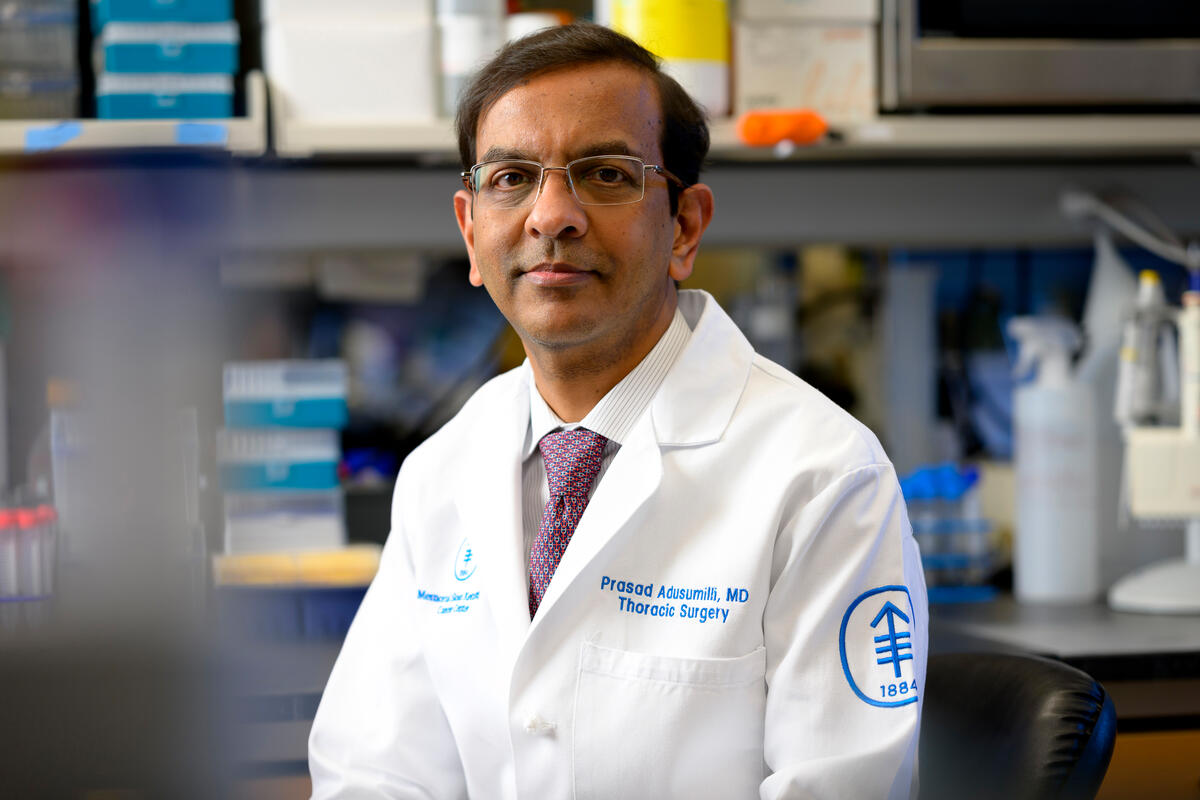
“Dr. Bobadilla’s case, as well as the ones in this study, should serve as a warning to the medical community that when a younger person comes in with complaints like persistent coughing, chest pain, and shortness of breath, mesothelioma should be considered, especially if the patient’s symptoms are not resolved with antibiotics,” says study co-author and MSK thoracic surgeon and cellular therapist Prasad Adusumilli, MD, FACS.
“Early detection and diagnosis is critical for survival,” adds MSK thoracic medical oncologist Michael Offin, MD. “It’s also important that young patients with mesothelioma seek treatment at a comprehensive cancer center like MSK. Where you are treated first matters.”
MSK study of mesothelioma patients under age 50
The study, published March 18, 2026, JCO Precision Oncology, was a retrospective analysis of the medical records and tissue samples (when available) from 273 patients diagnosed with diffuse pleural mesothelioma, the most common type of mesothelioma. It starts in the lining of the lungs and spreads throughout the chest.
- All the patients were under 50 and treated at MSK between 1990 and 2023.
- The number of females was disproportionately high compared to what is typically seen in this disease.
- Fewer patients had known asbestos exposure, especially those who were very young (under age 35).
- 70% of patients had a family history of cancer, most commonly breast, lung, and colon cancer.
Notably, in Dr. Bobadilla’s case, there was no family history of cancer and no known genetic predisposition. She also had no reported exposure to asbestos. The reason she developed mesothelioma remains unclear.
Possible environmental and genetic causes of mesothelioma
Drs. Adusumilli and Offin say they aren’t sure why they are seeing more cases of mesothelioma in younger people, but they note that in New York City, one factor could be exposure to asbestos and other carcinogens after the collapse of the World Trade Center towers on September 11, 2001.
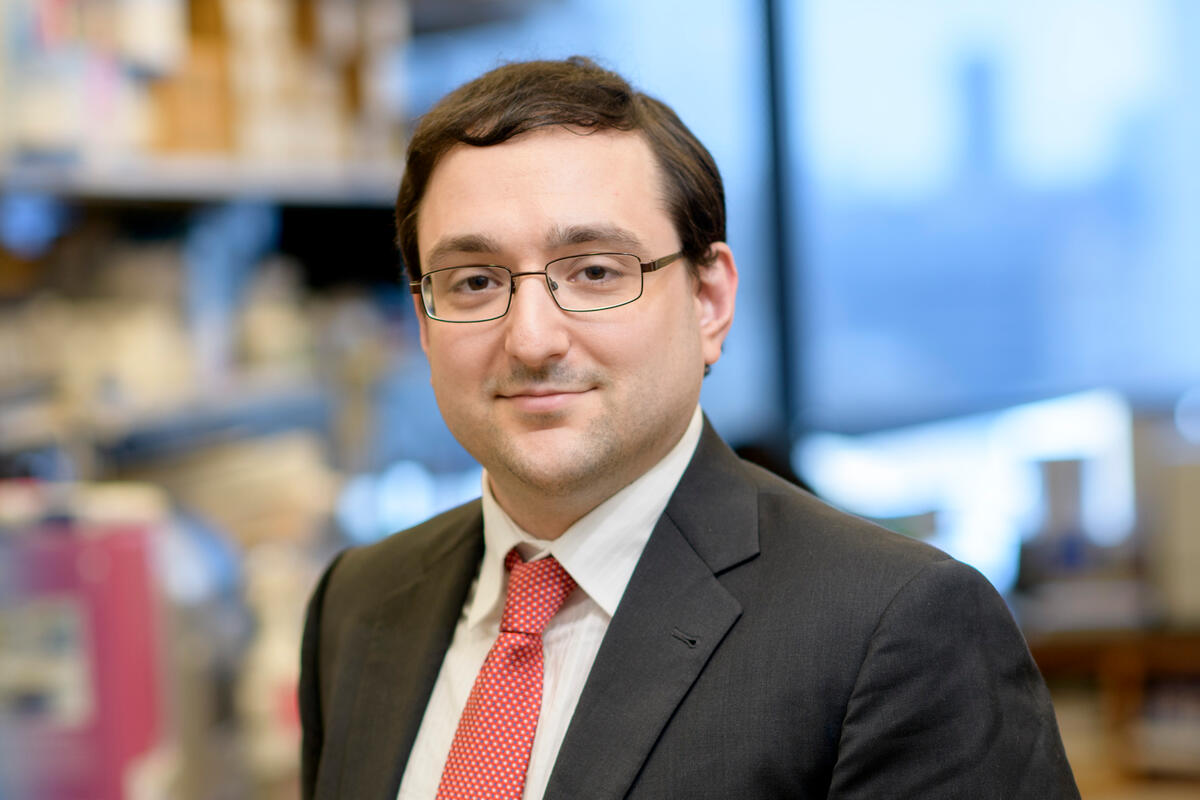
“As far as we know, we are the first hospital to report on the growing appreciation of mesothelioma in younger people, but we’ve discussed our results with our colleagues at other New York–area hospitals, and they also report seeing some concerning trends,” Dr. Offin says.
The researchers noted in the study that inherited mutations in the genes BAP1 and BRCA1/BRCA2 (which are mainly associated with breast, ovarian, and prostate cancers) appear to increase the risk of mesothelioma in younger patients. Some of the hereditary genes linked to an increased risk of colorectal cancer can cause mesothelioma as well. MSK researchers are actively conducting studies into the genetic cancer-predisposition factors that are specific to younger people with mesothelioma.
Treating younger mesothelioma patients
The treatments offered to someone in their 30s or 40s with mesothelioma may be very different from those for a 70-year-old, notes Dr. Adusumilli. “In some patients, we may even suggest monitoring alone,” he says. “We know this disease can have a long latency period, meaning it doesn’t advance for many years, and careful monitoring allows patients to delay the side effects of treatment.”
Dr. Bobadilla decided she wanted to travel to New York City for treatment at MSK. “I knew that MSK was very capable of dealing with this rare type of cancer,” she says.
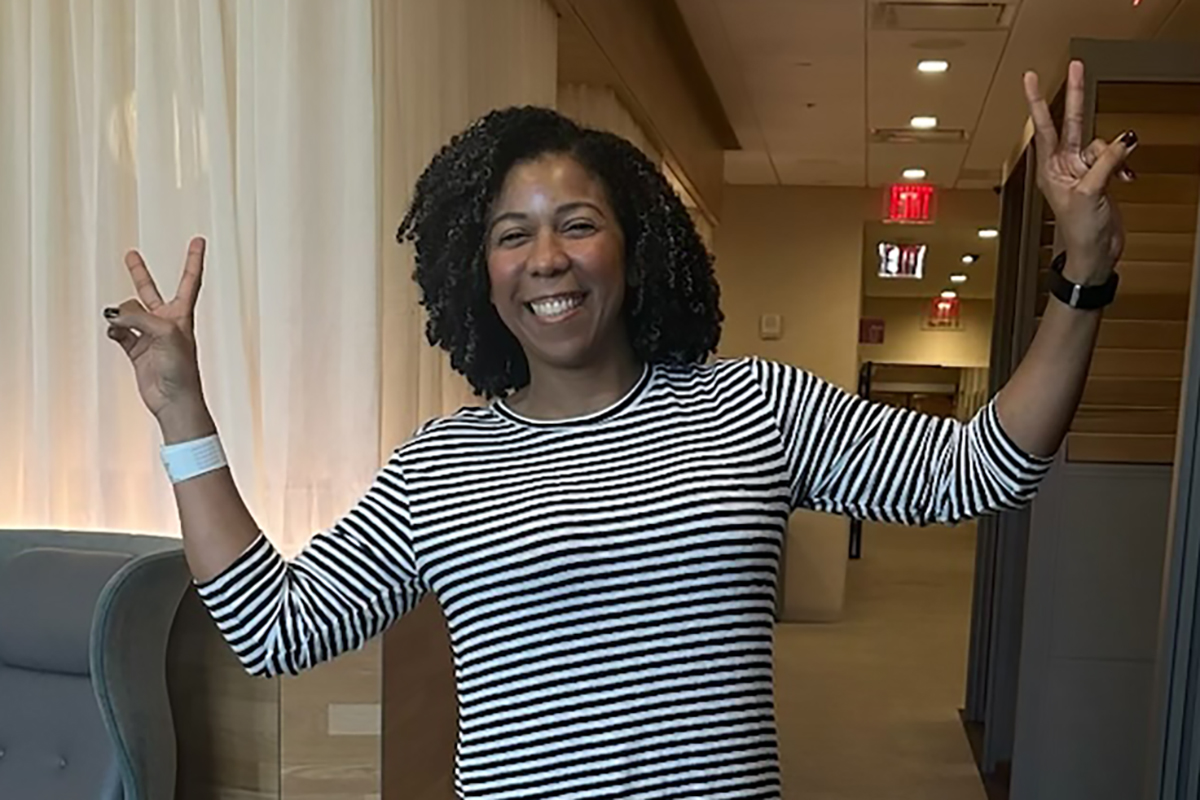
During her first meeting with Drs. Adusumilli and Offin, they told her that because she had been diagnosed early — and because she exercised regularly and was in excellent physical shape — her cancer was treatable and her prognosis was very good.
Over the next several months, Dr. Bobadilla had four cycles of chemotherapy, followed by surgery and a month of daily radiation treatments. Throughout her treatment, she traveled back and forth between New York City and the Dominican Republic. She continued seeing patients and performing surgeries during that time.
“When the doctors explained the treatment plan, I was confident this was the best option for me,” Dr. Bobadilla says. “I thank God for allowing me to come to MSK, where I received excellent care from all the staff. It was important to me that all the MSK staff I saw were trained to treat this type of disease.”
Tumor genetic testing
MSK offers comprehensive genetic testing of tumor tissue, which is especially important for younger patients, Dr. Offin says.
“If we find a specific gene causing their cancer, they may be able to have a targeted therapy directed at that gene mutation,” he explains. “In some cases, we can repurpose a drug that is approved for another type of cancer. It also helps us discuss novel clinical trials and treatment options if we find a gene that can be targeted.”
Special support for younger patients
Younger patients with mesothelioma can benefit from MSK’s expertise in treating younger patients with other rare diseases. “We always refer our younger mesothelioma patients to our Adolescent and Young Adult Program, which can help them cope with issues like fertility,” Dr. Offin says.
“Importantly, our nurses have extensive experience in guiding mesothelioma patients through complex treatments to help coordinate their care,” Dr. Adusumilli adds.
Back to work and family
Dr. Bobadilla continues to do well. She finished treatment more than a year ago, and her scans at MSK every three months show no sign of her cancer coming back. She says she feels “back to 100%” and is busy working and spending time with her family.
“Cancer is a very difficult disease. The treatment makes it complex, but it’s a process that makes you stronger,” she says. “The best thing that can happen to you if you have cancer is the support of your family, as well as a well-equipped hospital with staff who know the disease and make you feel safe, like MSK does.”
Dr. Adusumilli holds the Min H. & Yu-Fan C. Kao Chair in Thoracic Cancer.
Additional Authors, Funding, and Disclosures
Additional authors on the paper are Hely Ollila, Amina Tidjani, Jennifer L. Sauter, Soo-Ryum Yang, and Charles B. Simone II.
This work was supported in part by the National Institutes of Health/National Cancer Institute (P30 CA008748). Dr. Adusumilli’s laboratory work is supported by grants from the National Institutes of Health (UG3CA290241, R01CA292664, R01CA235667, R01A236615, and T32CA009501), the US Department of Defense (CA200437), the Batishwa Fellowship, the Baker Street Foundation, the Dalle Pezze Foundation, the Esophageal Cancer Education Fund, the MSK Technology Development Fund, the Miner Fund for Mesothelioma Research, Mr. William H. Goodwin and Mrs. Alice Goodwin and the Commonwealth Foundation for Cancer Research, the Center for Experimental Therapeutics at MSK, and the Kao Family Foundation. His laboratory also receives research support from Novocure. Dr. Ollila receives research support from the Finnish Work Environment Fund, the Emil Aaltonen Foundation, the Magnus Ehrnrooth Foundation, The Maud Kuistila Memorial Foundation, and the Swedish Cultural Foundation in Finland.
Disclosures are available in the paper.
Key Takeaways
- Mesothelioma, traditionally considered a disease of older men with asbestos exposure, is increasingly being recognized as a disease that can affect people under age 50, including women.
- Inherited gene mutations, such as those in BAP1 and BRCA1/BRCA2, as well as possible environmental factors, may help explain the incidence of mesothelioma cases in younger patients.
- Treatment approaches for younger mesothelioma patients can differ significantly from those for older patients.
- Early detection is critical for survival, and medical professionals are urged to consider mesothelioma as a possible diagnosis when younger patients present with persistent symptoms like coughing, chest pain, and shortness of breath that do not respond to antibiotics.

