Although prostate cancer is the most common form of cancer in men after skin cancer, not everyone needs immediate treatment. For people with low-risk disease, Memorial Sloan Kettering Cancer Center (MSK) offers active surveillance, an approach that involves very close monitoring and helps people avoid possible side effects of surgery and radiation therapy.
For men whose prostate cancer is considered intermediate risk, doctors may use focal therapy (also called partial prostate ablation). This targeted treatment uses energy (heat, cold, sound, electricity) to destroy only the cancerous part of the prostate. The focal therapy option may allow men to stay on active surveillance longer.
For those at higher risk, surgery is very effective at controlling or curing the disease when it has not yet spread to organs or tissues outside of the prostate gland. The prostate surgeons at MSK are among the most experienced in the world. They are part of a team that was ranked #1 in the nation for Urology Cancer Care by U.S. News & World Report for 2024.
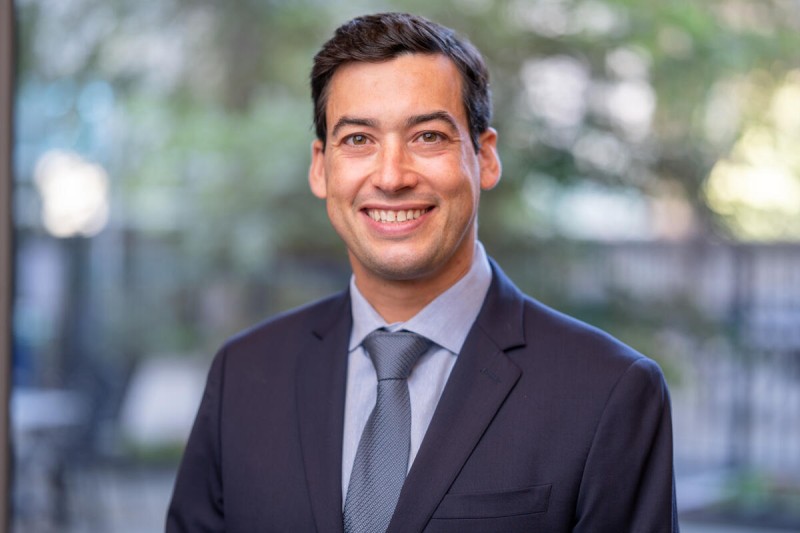
MSK urologic surgeon Jonathan S. Fainberg, MD, MPH, discusses what to expect when considering prostate cancer surgery, including potential side effects and prospects for recovery.
How do doctors decide if prostate cancer surgery is the most effective treatment?
Surgery may be the best option for you if:
- You’re newly diagnosed with early-stage, localized prostate cancer, and you have a long life expectancy. For men in this situation, surgery alone can often eliminate the cancer.
- You have a rising prostate-specific antigen (PSA) level after initial treatment with focal therapy, indicating that the cancer wasn’t completely eliminated.
- You have a more advanced tumor that can safely be removed. In this situation, MSK doctors often combine prostate removal surgery with other treatments.
The most common type of surgery is called radical prostatectomy, which involves removing the prostate gland and some of the surrounding tissue. In some cases, nearby lymph nodes are removed as well.
How do MSK surgeons perform radical prostatectomy?
Every procedure is different. We consider the location, size, and other features of the cancer to design an operation that’s right for you.
A radical prostatectomy is very complex and requires a high level of technical precision. Research studies have shown that surgeons who regularly perform radical prostatectomies have fewer complications on average than surgeons who do these surgeries less often. MSK urologic surgeons have done thousands of radical prostatectomies — among the most in the world.
What are the different types of radical prostatectomy?
There are several surgical approaches for radical prostatectomy.
-
Open surgery is usually better for cancers that have spread locally, are considered high-risk, or are especially challenging to remove, especially in men who have had multiple abdominal surgeries.
-
Minimally invasive surgery includes laparoscopic surgery and robot-assisted laparoscopic surgery. Using robotic assistance is the most common way to perform a radical prostatectomy.
- In a laparoscopic radical prostatectomy, a surgeon inserts a tiny camera called a laparoscope through a small cut in the abdomen. The camera gives doctors a magnified, high-definition picture of the prostate gland. With that image as a guide, the surgeon can remove the prostate, seminal vesicles, and lymph nodes using special tools.
- To do a robot-assisted procedure, a surgeon sits at a console that has a screen as well as hand, finger, and foot controls, enabling them to manage the robotic instruments in real time. While the robot is a sophisticated tool, the most important factor is the skill and experience of the surgeon. As with laparoscopic prostatectomy, incisions for robotic prostatectomy are small.
What is salvage prostatectomy, and when is it used?
Salvage prostatectomy involves removing the prostate after radiation treatment has failed, because the cancer has recurred or persisted in the prostate without spreading. Salvage prostatectomy is potentially curative, but it is even more technically challenging than radical prostatectomy.
What should people know about the potential complications or side effects from prostatectomy?
The prostate is surrounded by nerves and structures that are important to normal urinary and sexual function. If you have this procedure, you may be worried about the possibility of complications, which can include problems with urinary control (incontinence) and impaired sexual function (impotence).
Over the past few decades, technology has helped us dramatically reduce these complications. At MSK, we have new imaging tests that help us plan the surgery with exquisite precision. Then we can avoid injuring important structures, which minimizes the risk of incontinence and maximizes the chance of maintaining sexual function.
We continue to look for ways to further minimize the risk of side effects, including testing a new method for lighting up nerves during the operation so our surgeons can avoid damaging them, or conducting a clinical trial testing whether exercising pelvic muscles before and after radical prostatectomy can minimize loss of urinary control after the surgery.
Urinary Problems
Bladder issues caused by prostate cancer surgery are much less common than they used to be. More than 90% of men who undergo surgery at MSK return to normal urinary function, usually within a few months after surgery. About 5% to 10% of all men who undergo prostate surgery experience mild but permanent stress incontinence — meaning a small amount of urine passes when coughing, laughing, or exercising.
Stress incontinence can be treated effectively with pelvic exercises or with medications that reduce bladder pressure. For men who experience more severe, ongoing incontinence, our doctors may perform a variety of minimally invasive and surgical procedures that can ease these symptoms.
Sexual Function
Recovery of sexual function depends on the nature of the cancer. Unfortunately, the nerve tissue that allows a man to get an erection is directly against the prostate. We obviously want to remove all the disease, and if the cancer extends outside the prostate at all, it’s not wise for us to try to preserve the nerve tissue because we might leave some cancer behind.
You often see claims made by institutions or surgeons that the patients they treat recover their erectile function in 90% of cases. That’s true only for a very select group of patients, usually men who are younger and had full erections before the surgery.If you are quoted a statistic for recovering erectile function, you should ask the surgeon whether it applies to all men with prostate cancer. The best predictors of maintaining sexual function after prostatectomy are:
- How well you could get an erection before surgery
- The tumor location (against the nerves or not)
- The skill of the surgeon
While much is out of your control, choosing an expert surgeon who has done thousands of prostatectomies is vital to having a good outcome.
The doctors and nurses of MSK’s Male Sexual & Reproductive Medicine Program can help you manage potential sexual side effects of prostate cancer treatment, including fertility, ejaculation, and erectile dysfunction (impotence). They can also explain options for storing sperm before surgery.
What typically increases the risk of complications from prostate cancer surgery?
Complication risks increase if you’ve already had surgery in the prostate area or if you need extensive surgery to remove the cancer. Complication rates also go up dramatically when other prostate cancer treatments, such as radiation therapy, have failed.
Patients who have already had radiation therapy often have scarring in and around the prostate, which can make tissue in the area very difficult to separate during the operation. As a result, patients undergoing salvage prostatectomy have a much higher risk of urinary incontinence, blocked urine flow, erectile dysfunction, or injury to adjacent structures like the rectum — though this is rare.
Many people come to MSK for salvage prostatectomy after radiation therapy failed to work for their prostate cancer. Because of our expertise, this procedure makes up a significant portion of prostate surgeries at MSK compared with some hospitals. We treat many of these difficult cases, which can result in complication rates that are higher than if we had a more typical patient population. In addition to surgery, focal therapy may be an option when radiation therapy fails, potentially with fewer side effects compared to prostatectomy.
People should not lose sight of the fact that surgery is a very effective prostate cancer treatment. It’s always a balance between removing the cancer and trying to preserve function, and the balance is different for each person because each cancer is different.
One of the benefits of places like MSK is that we have experts who can help guide patients in regaining urinary and erectile function. Ultimately, it’s about finding a surgeon with whom you feel comfortable and who sets realistic expectations based on your situation.
Key Takeaways
- Surgery is an effective treatment for prostate cancer.
- The most common type of surgery is called radical prostatectomy, which involves removing the prostate gland and some of the surrounding tissue.
- MSK surgeons are very experienced in radical prostatectomy and often use minimally invasive methods for the procedure.
- Technology has helped MSK surgeons dramatically reduce complications from radical prostatectomy.
- Men should talk to their surgeons for clear expectations following radical prostatectomy.


