Erin Bogren is grateful to be cancer free after nearly a year of treatment for breast cancer. She says, however, it’s been hard to cope with the long-term effects of those treatments, including ongoing hormone therapy, which pushed her body into premature menopause at 46. It caused hot flashes so severe they disrupted her sleep and interfered with her daily activities, including work.
“I think a lot of cancer care is missed when the treatment is over,” she says. “It’s an entirely different journey of learning how to adjust to the new body that you have and the effects of ongoing medicine to prevent recurrence.”
Erin works for a biotech company and knows firsthand the lifesaving value of drugs, but she also has a longstanding interest in acupuncture and other complementary therapies.
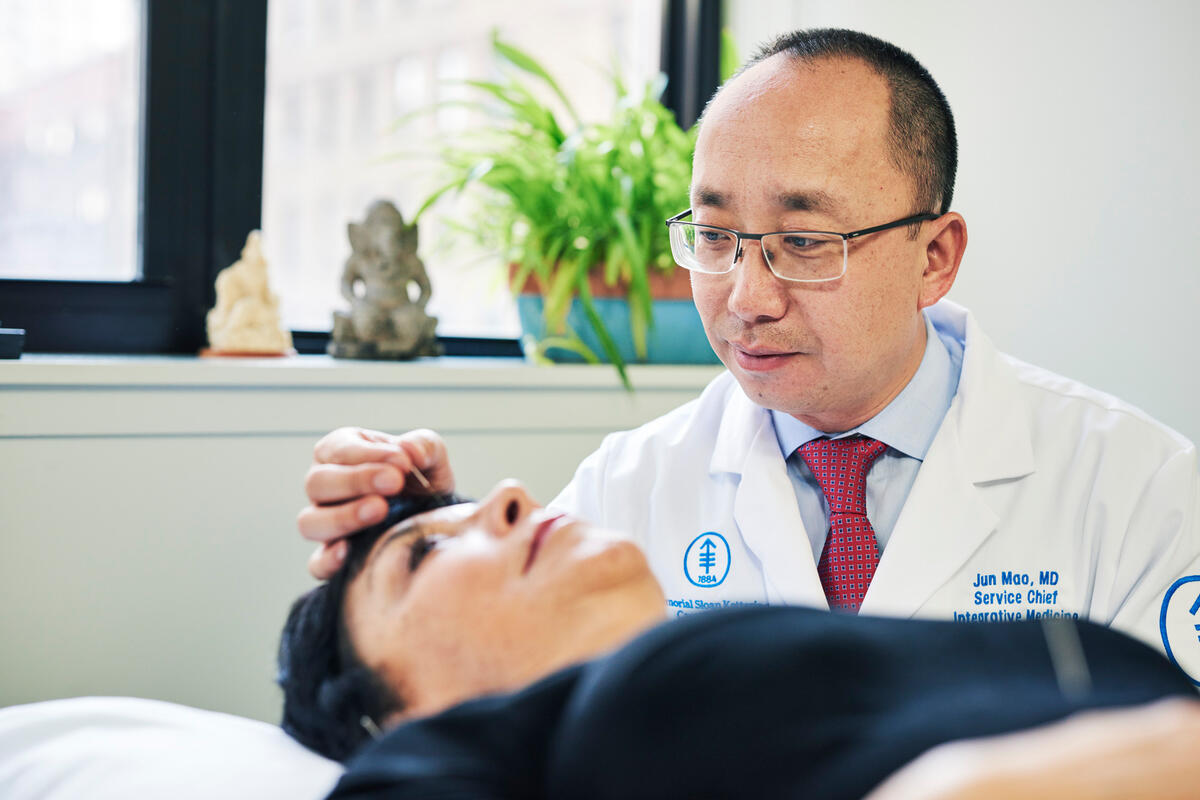
She approached her medical oncologist, Mark Robson, MD, Chief of the Breast Medicine Service at Memorial Sloan Kettering Cancer Center (MSK), about adding herbal remedies to her other medications, and he referred her to the Integrative Medicine and Wellness Service at MSK.
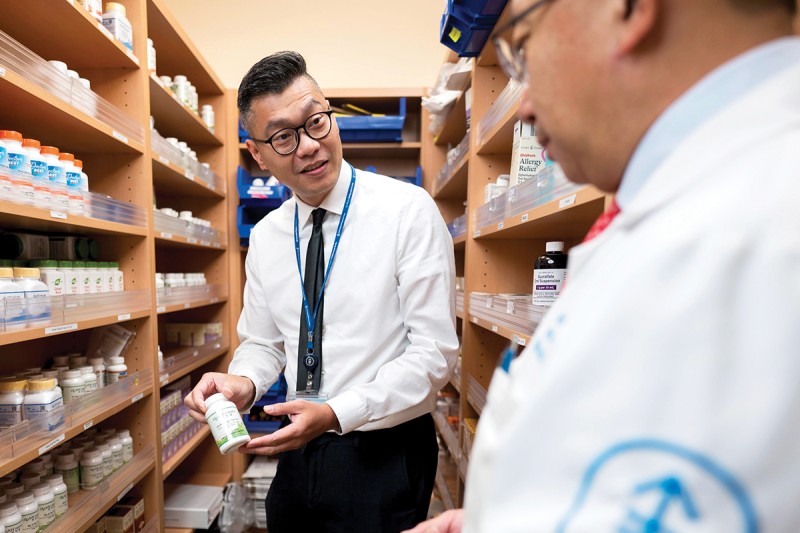
“There’s a lot of interest in looking for complementary approaches — very clearly not alternative approaches, but rather those that work alongside mainstream treatments,” says Dr. Robson. “At MSK, we’re lucky to have a group of experts who straddle both worlds, with expertise in Western and herbal medicines.” In 2019, MSK became the first — and remains the only — cancer center in the United States to establish an in-house herbal dispensary, where patients can get prescriptions based on traditional Chinese medicine for symptoms including fatigue, nausea, constipation, pain, and anxiety.
“Patients are already looking at these products online,” says Jun Mao, MD, MSCE, Chief of the Integrative Medicine and Wellness Service, who established MSK’s Herbal Oncology Program that oversees the dispensary. “Rather than ignoring that reality, we want to provide a safe, evidence-based way to guide them.”
Herbs are surging in popularity but carry risks
Nearly two-thirds of Americans say they take herbs and supplements, according to a recent study from MSK — a trend fueled in large part by an endless stream of health information online, both reliable and unreliable.
Cancer patients may be particularly susceptible to online messaging about herbal supplements, especially as they seek ways to relieve the side effects of treatments.
“For healthy adults, most herbal supplements may pose little risk,” Dr. Mao says, “but for cancer patients, it’s a different story.” Herbs and supplements can interact with cancer drugs, making them less effective or more toxic, and can cause potentially serious side effects such as liver or kidney injury.
Dr. Mao makes it clear that there’s no natural remedy that can cure cancer. “Instead, we aim to incorporate herbs and natural approaches to help people manage the symptoms of cancer and its treatments,” he says. “For a lot of patients, just the fact that we at MSK are open to having that conversation brings a sense of control and relief.”
Why MSK created its own herbal dispensary
Building the first cancer-focused herbal dispensary in the U.S. meant more than simply stocking the shelves — it took years of painstaking work to translate, analyze, and standardize ancient formulations, and it required extensive collaboration across teams at MSK. Gastrointestinal medical oncologist Leonard Saltz, MD, was an early champion.
Dr. Mao’s team identified 14 common symptoms caused by cancer treatment and connected them to the appropriate traditional Chinese medicine formulas. In some cases, that meant translating Western symptom descriptions into an Eastern framework. In the U.S., for instance, fatigue tends to be lumped into one problem — in traditional Chinese medicine, there are many kinds of fatigue that originate in various systems of the body, with specific herbal formulations for each.
Because much of the research on traditional Chinese medicine in cancer care has not yet been translated into English, bilingual researchers at MSK help to summarize extensive data sets and report clinical trial results.
“These are classic formulas, and there are records going back thousands of years,” says Jason Hou, PharmD, LAc, who helped build the dispensary and manages MSK’s extensive About Herbs database with editor Jyothirmai Gubili, MS. The database integrates traditional knowledge with the latest scientific data for hundreds of herbs and supplements. “Because I have training in both pharmacy and traditional Chinese medicine,” Dr. Hou says, “one of my roles is to look for potential interactions with cancer drugs.”
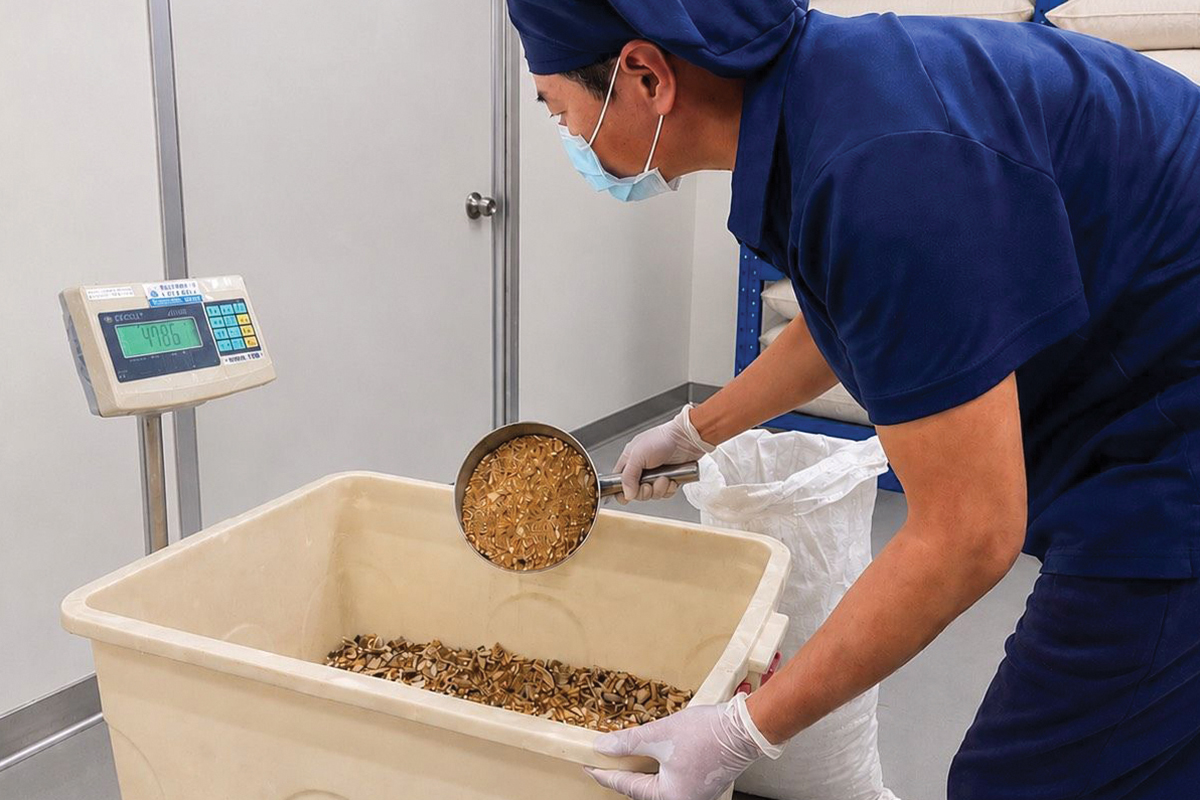
Ensuring the safety of these products also means sourcing the highest-quality herbs. Dr. Hou traveled to Taiwan to visit manufacturing facilities, where herbs from regional farms are tested for heavy metals, pesticides, and other contaminants before being formulated into pills, capsules, and powders.
“We wanted to understand how these products are made,” Dr. Hou says. “We wanted to observe the whole process, from the raw herbs all the way to the finished product.”
MSK patients interested in learning more about herbal prescriptions can ask their care team for a referral to an Integrative Medicine specialist, who can offer a comprehensive consultation that may include diet, exercise, acupuncture, and other complementary therapies.
MSK also offers a special online course — Herbal Formulations in Cancer Supportive Care — for oncologists, physicians, and other healthcare professionals involved in cancer care. The course features case studies, emerging data, clinical considerations, and practical uses of herbal medicine in cancer supportive care.
Advancing the science of complementary cancer care
To establish a factual foundation for using herbal formulations, Dr. Mao has launched clinical trials for treating common treatment side effects. One trial underway is studying an herbal formula for chronic constipation and exploring the impact on the gut microbiome.
Another is looking at using topical herbal treatments to treat pain, to reduce the need for high doses of opioids. To truly advance this growing field, Dr. Mao and colleagues hope to take their research beyond MSK by launching larger clinical trials that include diverse populations and more cancer types.
He and Dr. Hou are actively involved in helping other cancer centers in the U.S., Singapore, and elsewhere to establish their own herbal dispensaries, using MSK’s program as a model.
Some international research offers encouraging signs, says Dr. Hou. A review of observational studies of breast cancer patients in Taiwan found that receiving traditional Chinese medicine in addition to standard treatment was associated with better outcomes than standard treatment alone.
But before we can bring herbal prescriptions into the clinical guidelines for cancer treatment in the U.S., much more research is needed, cautions Dr. Hou. “If we never integrate herbs and supplements with cancer drugs and study the outcomes,” he says, “we’ll never be able to answer questions that really matter to patients and their families.”
Looking to the future
This kind of rigorous research depends on philanthropy. MSK’s Integrative Medicine and Wellness Service — which also studies the benefits of acupuncture, music therapy, and other complementary therapies in cancer treatment — was established in 1999 through the generosity of MSK board member Laurance S. Rockefeller, a legacy sustained by his daughter, current MSK board member Lucy Rockefeller Waletzky, MD.
“We’ve made so much progress,” Dr. Mao says. “Ten years from now, I would love to see many other cancer centers implementing MSK’s approach to using traditional Chinese medicine to help more people cope with the side effects of cancer treatment and improve quality of life.”
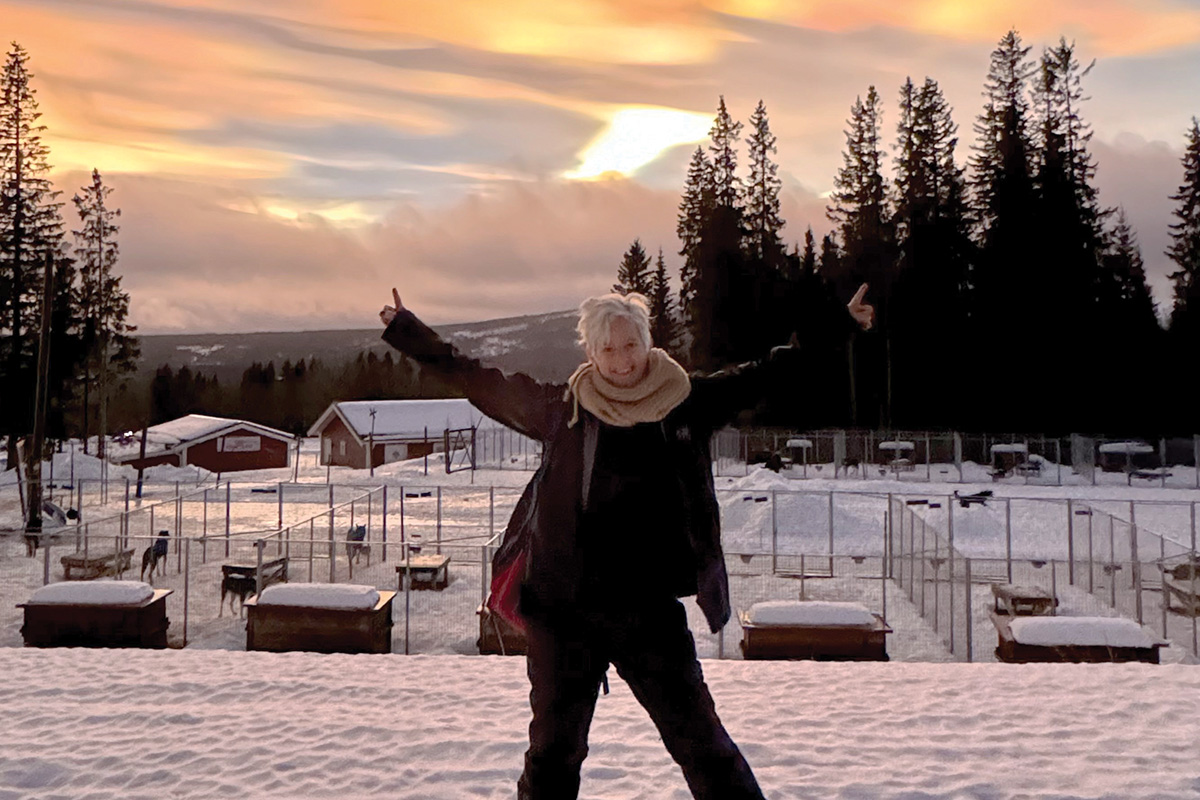
As for Erin, she says the herbal prescriptions she received from the dispensary have significantly improved her hot flashes. “I feel so much better — I noticed a huge difference even after a week,” she says. She’s also continuing to take all of her prescribed cancer medications.
“My dad was a pharmacist and also very into prevention,” says Erin. “Like him, I think the marriage of Western and Eastern medicines is a good thing.”
The Herbal Oncology Program is supported by the MSK donor community, including the Laurance S. Rockefeller Fund.
The Integrative Medicine and Wellness Service is supported by the MSK donor community, including the Laurance S. Rockefeller Fund; Lucy Rockefeller Waletzky, MD; Lois H. Mann Charitable Foundation; and Ping Y. Tai Foundation Inc.
Dr. Mao holds the Laurance S. Rockefeller Chair in Integrative Medicine.