New results from a personalized cancer vaccine designed to prevent melanoma from returning after surgery showed positive results, according to research presented at this year’s European Society for Medical Oncology (ESMO) meeting in Madrid. The study found that adding a specially tailored cancer vaccine to standard treatment with immunotherapy successfully reduced the risk of melanoma coming back by 42% compared with standard immunotherapy alone.
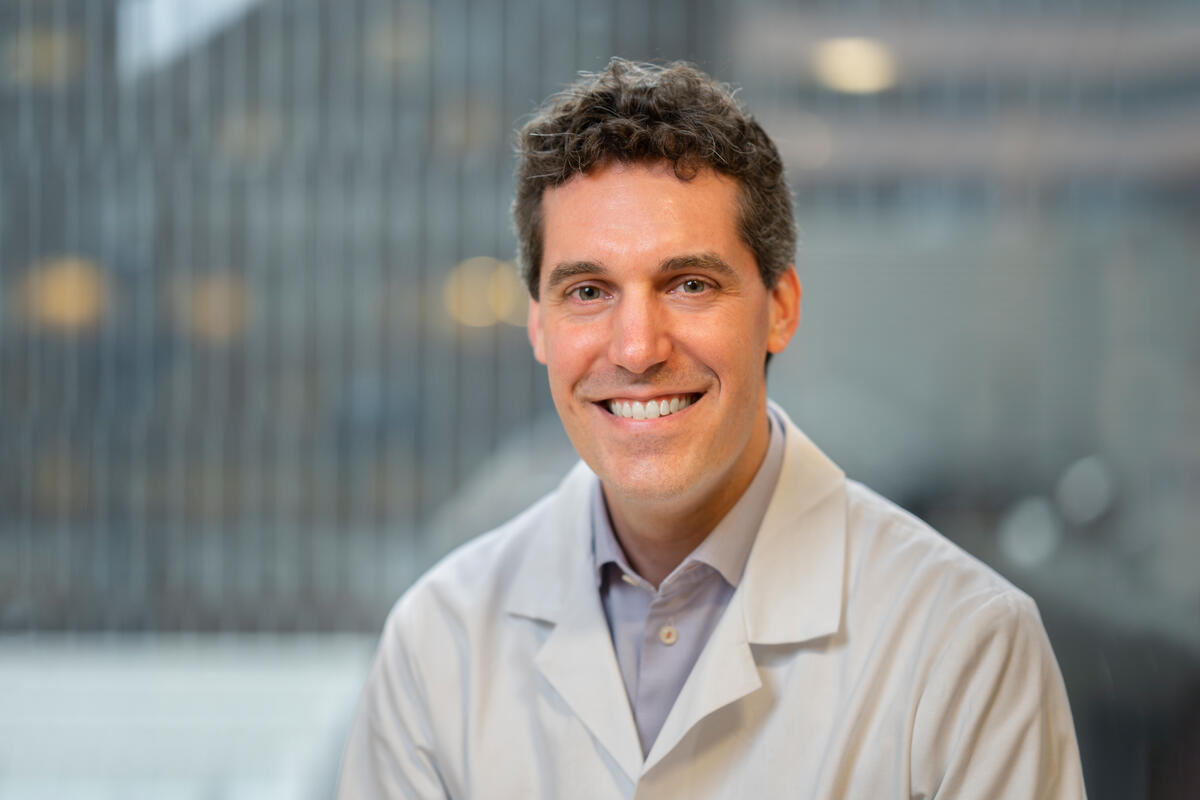
“The idea of this treatment is that by specifically boosting a patient’s immune system to recognize their own tumor cells, we can reduce the risk that the cancer comes back,” says Michael Postow, MD, Chief of the Melanoma Service at Memorial Sloan Kettering Cancer Center (MSK). “Even when we can’t see any cancer on a CT or PET scan, we know that often it’s still there — because such a high proportion of patients eventually have a cancer recurrence. That’s why there is tremendous need for this type of treatment.”
Unlike a vaccine that prevents someone from getting sick from the flu or another infection, a therapeutic cancer vaccine is given to patients as part of their treatment and to prevent cancer from returning in patients who are at high risk of recurrence. Personalized therapeutic cancer vaccines, which train the immune system to recognize and destroy cancer cells, are an emerging approach to treating several types of cancer; multiple clinical trials are showing promising results.
How are personalized melanoma vaccines made?
This melanoma vaccine is created using messenger RNA (mRNA), the same technology used to make many COVID-19 vaccines. But while COVID-19 vaccines teach the immune system to recognize a virus, cancer vaccines teach the immune system to recognize cancer cells.
Because the molecular structure of every patient’s cancer is unique, every personalized cancer vaccine is unique as well. Here is how they are made:
- A sample of the tumor that’s removed during surgery is taken to a lab where it’s analyzed to identify the unique genetic mutations present in the cancer.
- Next, algorithms and machine learning models pinpoint neoantigens — abnormal proteins found only on the surface of the cancer cells and expected to trigger the immune system.
- The vaccine is made with instructions for targeting these neoantigens and launch an immune response.
- The vaccine is given to the patient to boost the immune system’s ability to find any cancer cells that remain in the body, even when these cells can’t be detected with scans and blood tests.
Other cancer vaccines that use mRNA are being studied at MSK as well, including one for pancreatic cancer that has shown promise in early-phase trials.
How was the phase 3 melanoma vaccine trial designed?
The trial enrolled 1,137 patients, who were divided into two groups:
- Two-thirds of the patients had surgery to remove their tumor. They were then given up to nine rounds of an immunotherapy checkpoint inhibitor drug (pembrolizumab) and nine intramuscular injections of their own personalized vaccine.
- One-third of patients had surgery followed by pembrolizumab, but their injections did not contain any active materials (a placebo).
- Pembrolizumab is a drug that boosts the immune system’s ability to fight cancer, but it is not personalized to individual patients.
The patients are now being followed with blood tests and CT scans for several additional years, to determine whether the vaccine decreases the likelihood that the cancer will come back.
The trial is double blind, which means neither the patients nor their doctors know whether they received the personalized cancer vaccine.
What did the phase 3 melanoma vaccine trial find?
At the ESMO meeting, researchers reported that after a follow-up of just over two years:
- In the group of patients who received the vaccine, the rate of recurrence-free survival was more than 82%, compared with a rate of 70% in those who did not get the vaccine. (Recurrence-free survival is the length of time after treatment during which the patient survived without any signs of the cancer coming back.)
- Side effects occurred in almost 96% of those in the vaccine group, compared with 90% of those in the placebo group. The majority of side effects were those that are expected from pembrolizumab and related to inflammation.
- The most common side effects related to the vaccine were fevers, pain at the injection site, and fatigue. Notably, the cancer vaccine did not increase the risk of side effects from the pembrolizumab.
“We know that giving pembrolizumab after surgery is already quite effective at preventing melanoma from coming back,” Dr. Postow says. “It’s a major accomplishment to find something that works even better.”
What was MSK’s role in the phase 3 melanoma vaccine trial?
Beth Ryzyk, 59, was one of three MSK patients treated in the trial. She was diagnosed with stage 3 melanoma in late 2023, after her dermatologist discovered a spot on her shoulder that turned out to be cancerous.
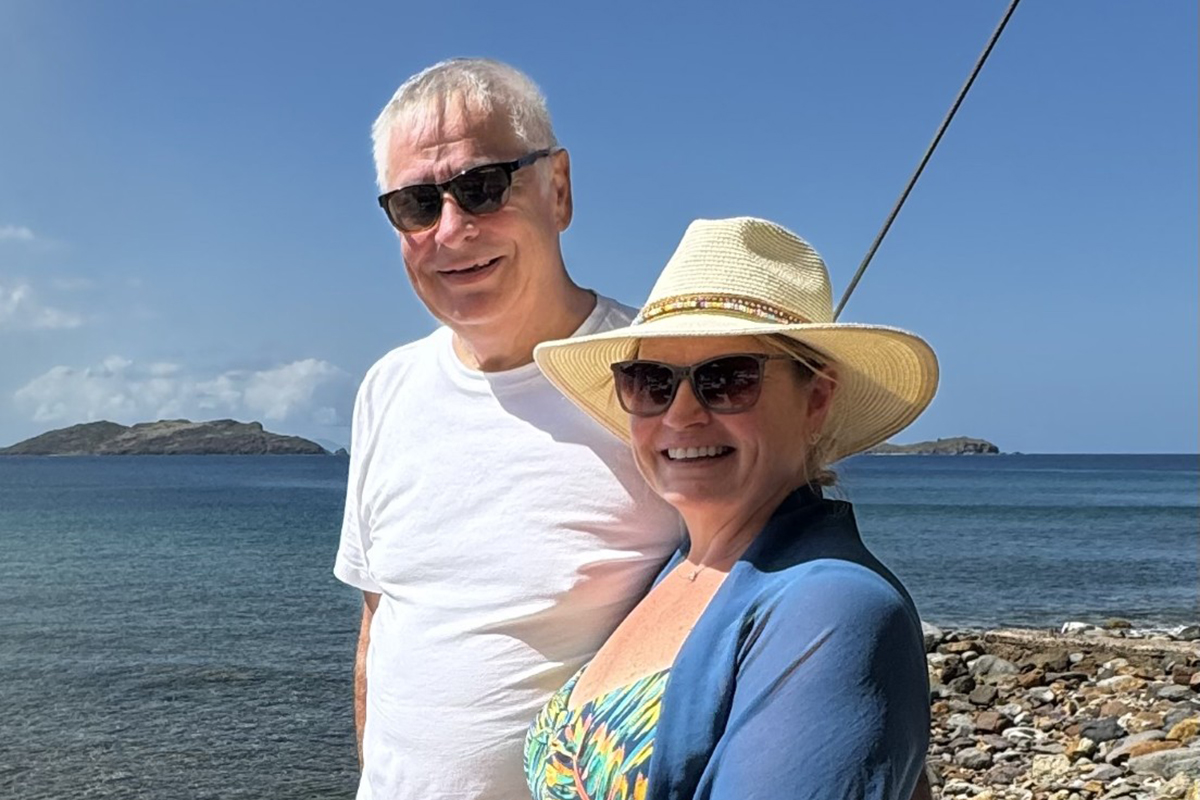
Beth, who lives in northern Westchester County, NY, decided to go to MSK for treatment, where she met with melanoma medical oncologist Parisa Momtaz, MD, and surgeon Charlotte Ariyan, MD, PhD.
“When they told me about the clinical trial, I felt lucky that I would be able to participate,” Beth remembers. “I was also happy that I would be able to get most of my care closer to home, at MSK-Westchester.”
In February 2024, Dr. Ariyan performed surgery to remove the cancer, followed by nine rounds of pembrolizumab.
A few months later, Beth received the injections, though she and her doctors don’t know if the shot contained her personalized vaccine or a placebo. Beth suspects that she got the real vaccine, because of the flu-like symptoms she felt in the days afterward.
It’s been more than two years since she received the injection, and there is no evidence that the cancer has come back. Beth says she feels good and is enjoying retirement with her husband, especially being able to travel.
“Although the clinical trial required a lot of paperwork, I’m so glad that I did it,” Beth says. “It was a privilege to have the opportunity to participate, whether I got the extra treatment or not. Either way, I am grateful for the care I received at MSK.”
Beth is not the only patient to benefit from the treatment they received at MSK. “None of the patients treated on the trial here have had their cancer return,” Dr. Postow says.
Who can get the melanoma vaccine?
The vaccine has not been approved by the U.S. Food and Drug Administration (FDA). If it does receive approval, it will only be available to patients who meet the same criteria as those in the clinical trial:
- They must have stage 2b, stage 2c, stage 3, or stage 4 melanoma that can be completely removed with surgery. (Cancer stages are determined based on the size of the tumor and where it has spread.)
- They must be newly diagnosed. Because tissue collected during surgery is needed to make the personalized vaccine, patients who have already had surgery will not be eligible.
Dr. Postow says that given the success that has been seen so far, it is possible the vaccine could be tested in other cases of melanoma, including in earlier stages if patients who are at higher risk of recurrence can be identified.
Funding and disclosures
The clinical trial was funded by Merck and Moderna.
Dr. Postow’s disclosures are available on his webpage.
Key Takeaways
- A personalized mRNA cancer vaccine, given alongside standard pembrolizumab after surgery, reduced the risk of melanoma recurrence significantly, with vaccinated patients showing an 82% recurrence-free survival rate at two years compared to 70% in those who received standard pembrolizumab alone.
- Each vaccine is tailored to the individual patient by analyzing their tumor, after it’s been surgically removed, to identify specific genetic mutations and abnormal proteins that the immune system is then trained to target.
- The phase 3 clinical trial, which enrolled 1,137 patients, is designed to determine whether the personalized vaccine combined with the immunotherapy drug pembrolizumab is more effective at preventing cancer recurrence than pembrolizumab alone after surgery.
- The vaccine has not received FDA approval, and if it does, it will initially only be available to newly diagnosed patients with stage 2b or higher melanoma whose tumors can be completely surgically removed.