
This story was originally published in 2016 and was most recently updated in September 2026.
Testicular cancer develops when normal cells in one or both testicles begin to grow out of control. Approximately 95% of all testicular cancers are germ cell tumors, meaning they start in the sperm-producing cells of the testicles. The disease is not common. In 2026, about 9,810 new cases of testicular cancer will be diagnosed in the United States, according to the American Cancer Society (ACS). About 630 people will die from the disease.
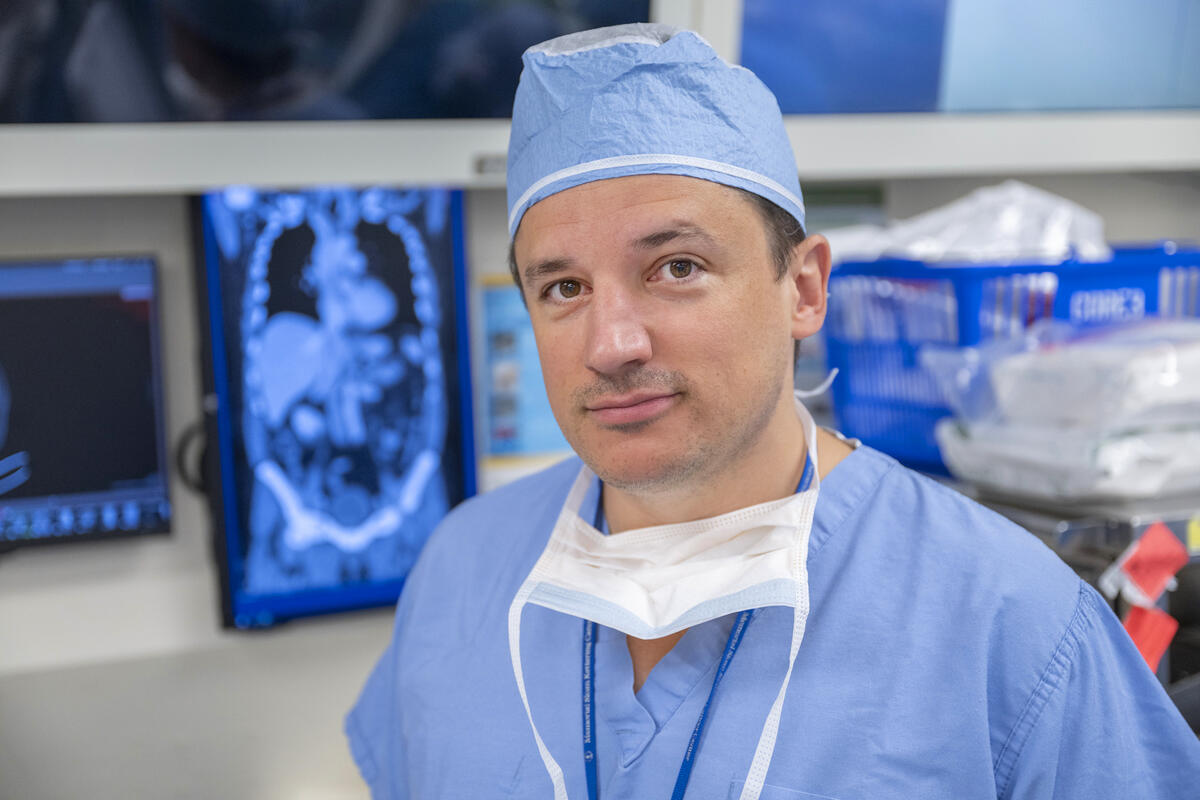
Memorial Sloan Kettering Cancer Center (MSK) genitourinary oncologist Darren Feldman, MD, and urologic surgeon Richard Matulewicz, MD, MSCI, MS, are among the nation’s most experienced in treating testicular cancer. They are part of a team that was ranked #1 in the nation for urology care this year by U.S. News & World Report. Each year, MSK’s testicular cancer care team sees about 500 people newly diagnosed with this disease.
Drs. Feldman and Matulewicz explain some of the most important facts about testicular cancer and break down some of the most common myths relating to the disease.
Myth: Testicular cancer is common, like prostate cancer.
Fact: Testicular cancer is rare.
How common is testicular cancer? It’s very rare. It makes up only 1% of all cancers that affect men, says Dr. Feldman, who is Section Head, Germ Cell Cancer. In comparison, prostate cancer is much more common among people assigned male at birth. Prostate cancer affects 1 out of every 8 men, while testicular cancer affects 1 out of every 250, according to the ACS.
Myth: Older men are at highest risk for testicular cancer.
Fact: Testicular cancer is considered a ‘young man’s disease,’ usually affecting males under 40.
Most cancers affect older people, but testicular cancer does not. People in their teens, 20s, and 30s are more likely to get testicular cancer. The average age of someone first diagnosed with testicular cancer is about 33, according to the ACS. Testicular cancer is the “most common cancer in men between the ages of 15 and 40,” Dr. Feldman says.
Myth: Testicular cancer is hard to treat.
Fact: Testicular cancer is very treatable.
Out of every 100 cases of testicular cancer, more than 95 people are cured. This means it’s not likely testicular cancer will kill you. Most people survive testicular cancer because the disease often is found early, Dr. Matulewicz says. In many cases, surgery may be the only treatment needed.
Even when it’s diagnosed at a later stage, testicular cancer is highly curable. However, more advanced cancer can potentially require more intensive treatment in the form of chemotherapy, additional lymph node removal surgery (called retroperitoneal lymph node dissection), or sometimes both.
Myth: Testicular cancer always causes pain in the testis.
Fact: Testicular cancer may occur with or without testicular pain.
In fact, a painless testicular mass is among the most concerning signs leading to a testicular cancer diagnosis, Dr. Feldman explains. Pain is more often associated with common benign testicular conditions — such as epididymo-orchitis, an inflammation of both the epididymis (the coiled tube that stores sperm behind the testicle) and the testicle itself — which can mimic testicular cancer. Epididymo-orchitis is usually triggered by a bacterial infection and can be treated with antibiotics and anti-inflammatory drugs.
“It is difficult to distinguish epididymo-orchitis from testicular cancer based on symptoms alone,” Dr. Feldman says. “You should see a doctor right away if you have pain, swelling, or a lump in your testis. The earlier a diagnosis of testicular cancer is made, the easier it is to treat.”
MSK Explains: Can Testicular Cancer Be Painful, or Is It Always a Painless Lump?
Myth: Injuring your testicles raises your testicular cancer risk.
Fact: There’s no evidence that trauma leads to testicular cancer.
“Can being hit in the balls cause testicular cancer?” That’s a common question, and the good news is: “There’s no evidence this is true,” Dr. Feldman says. People worry about getting hit by tennis balls, a cell phone in their pocket, using skin creams, horseback riding, and bike riding. None of these things cause testicular cancer. Also, getting “hit in the balls” often is not something that affects fertility.
Dr. Matulewicz notes the main risk factor for testicular cancer is being born with something called an undescended testicle. That’s when the testicle does not fully descend into the scrotum (the loose skin around the testicle) before or after birth.
Myth: Your sex life will suffer if you get testicular cancer.
Fact: Most people can enjoy sex and orgasm just as they did before treatment.
Only the testicle with cancer is removed during treatment. The other testicle often makes enough testosterone to sustain your sex drive and normal erections. If there’s cancer in both testicles and they’re removed, testosterone replacement can help.
What’s most important: There’s no shame in talking about your fears. Being worried about sexual side effects is normal, and they can be managed if you discuss them with your doctor.
Myth: You can’t have children after treatment for testicular cancer.
Fact: One testicle is often enough to have normal fertility.
Testicles make and store sperm, so people worry that testicular cancer will affect their fertility. Often that’s not true, but it’s something you should discuss with your doctor at the time of diagnosis. “You can have normal fertility with one testicle,” Dr. Feldman says.
“Depending on what type of treatment you received, your sperm count may go back to normal,” Dr. Matulewicz adds, “but you should consider sperm banking or other options and discuss them early in treatment with your doctor.”
Myth: Too much or too little ejaculation causes testicular cancer.
Fact: Testicular cancer risk is not affected by ejaculation frequency.
If you wonder whether testicular cancer can be caused by too much or too little ejaculation, you’re not alone. Ejaculation is when semen comes out of your penis after reaching orgasm. The truth is, testicular cancer is not caused by ejaculating too often or not often enough. With ejaculation, there’s no healthy or harmful number of times.
Key Takeaways
- Testicular cancer is a rare but very curable disease.
- Testicular cancer strikes younger men (people whose sex assigned at birth was male).
- Many people with testicular cancer have healthy, active sex lives after treatment.
- Testicular cancer treatment may affect fertility. It’s important to talk to your doctor early in treatment about strategies like sperm banking.
- An injury to your testicles (getting “hit in the balls”) does not cause testicular cancer.


