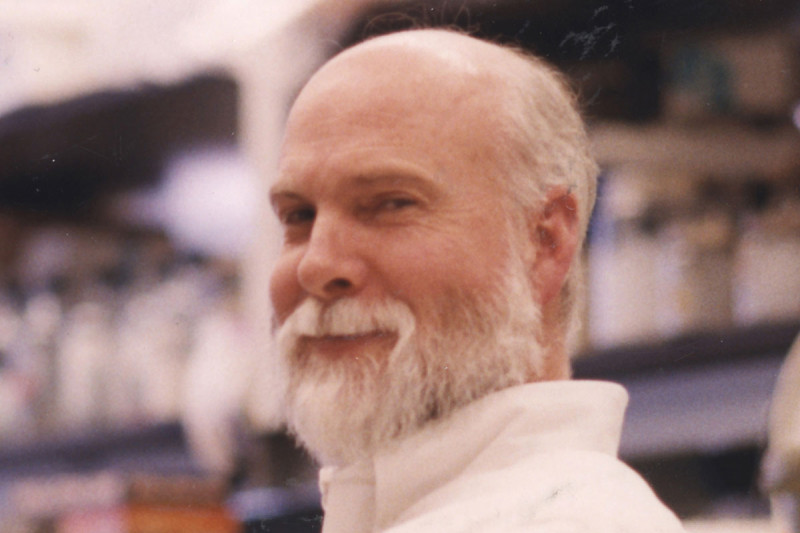
The William L. Gerald Award of Memorial Sloan Kettering Cancer Center is conferred on a pathologist whose recent innovative research has provided novel insights into cancer biology and whose career trajectory suggests the potential for outstanding contributions in the years to come.
The award reflects the contributions and values brought to the Department of Pathology by William L. Gerald, an Attending Pathologist at MSK from 1992 to 2008. A gifted morphologist, Dr. Gerald was committed to providing state-of-the-art patient care as a surgical pathologist and recognized that the molecular characterization of human neoplasms could affect the classification, prognostic assessment, and treatment of cancer. Dr. Gerald had broad diagnostic expertise but focused his clinical work on genitourinary pathology, and he was also the pediatric pathology consultant for the department. He was a pioneer in the molecular characterization of cancer at a time when now commonplace molecular techniques were still cutting-edge technology. Dr. Gerald, working with former MSKCC Pathology Chair Dr. Juan Rosai, provided the first histologic description of desmoplastic small round cell tumor (DSRCT) and, jointly with Dr. Marc Ladanyi, identified the driver fusion in DSRCT, EWSR1::WT1. His work helped establish a novel molecular classification of neuroblastoma. He used gene expression analysis and other molecular assays to develop the prognostic characterization of prostate cancer. Throughout his career, Dr. Gerald collaborated with and provided mentorship to numerous trainees and colleagues. His quiet good nature and thoughtful approach made him a model physician-scientist. He was approachable and always willing to provide key insights. This award is a tribute to his scientific contributions and personal attributes, and to the legacy he left behind.
Cancelled (2025)
Jorge S. Reis-Filho MD, PhD, FRCPath (2024)
Jorge S. Reis-Filho, MD PhD joined AstraZeneca in 2023 as the VP of Cancer Biomarker Development. In this role, he led teams dedicated to developing and meticulously validating mechanistically informed yet clinically deployable biomarkers for patient selection and prediction of therapy response. Key innovations included the Quantitative Continuous Scoring (QCS) computational pathology biomarkers, as well as pioneering approaches leveraging ctDNA and proteomics to guide clinical decision-making and enhance therapeutic outcomes.
Prior to joining AstraZeneca, he served as the Chief of Experimental Pathology at Memorial Sloan Kettering Cancer Center, where he leveraged my expertise to bridge academic medical research with biotechnology and pharmaceutical industries. He has also served on numerous scientific advisory boards, on the Board of Directors for Grupo Oncoclínicas, and as a consultant for multiple biotech companies and Goldman Sachs Merchant Banking. His experience further includes senior editorial responsibilities at leading journals, including The Journal of the National Cancer Institute, The Journal of Pathology, and npj Breast Cancer.
Roger A. Greenberg , MD, PhD (2023)
Roger Greenberg, MD, PhD, is the J. Samuel Staub, M.D. Professor in the Department of Cancer Biology at the University of Pennsylvania Perelman School of Medicine, where he also serves as Director of the Penn Center for Genome Integrity and the Director of Basic Science for the Basser Center for BRCA. During Dr. Greenberg’s early training, he demonstrated the first evidence that telomere shortening suppresses carcinogenesis in vivo, and subsequently, he helped define a BRCA1-centered tumor suppressor network. Dr. Greenberg’s independent laboratory investigates basic mechanisms of genome integrity maintenance and their impact on cancer etiology and response to therapy. His group discovered that ubiquitin chains serve as a platform for BRCA1 DNA damage recognition, identified biallelic mutations in BRCA1 as a cause of Fanconi Anemia, and developed novel systems to identify ATM kinase dependent transcriptional silencing near DNA double-strand breaks. More recently, his group defined the molecular underpinnings of homologous recombination dependent telomere lengthening mechanisms that occur in nearly 15% of cancers, and mechanisms that enable DNA damage responses to communicate with the immune system.
Dr. Greenberg is a recipient of numerous awards, including the Michael Brown New Investigator Award for Basic Science, Kimmel Scholar Award in Translational Science, Charles E. Culpeper Scholarship in Medical Sciences, a Harrington Discovery Institute Scholar-Innovator Award, and the Stanley N. Cohen Award for Biomedical Research. He has also been elected to the American Society of Clinical Investigation and American Association of Physicians. Dr. Greenberg previously chaired the DNA Mechanisms of Cancer study section for the American Cancer Society and is now a member of the NIH Cancer Etiology Study Section.
Cynthia Hawkins, MD, PhD (2022)
Cynthia Hawkins is a Neuropathologist, Senior Scientist and the Medical Director of Translational Molecular Pathology at the Hospital for Sick Children, a Professor of Laboratory Medicine and Pathobiology at The University of Toronto and holds a Garron Family Chair in Childhood Cancer Research. Dr Hawkins is an internationally recognized leader in pediatric brain tumor molecular diagnostics and research; her research defined the genetic and epigenetic landscape of diffuse intrinsic pontine gliomas as well as infant, pediatric and adolescent/young adult glioma. As a pediatric neuropathologist, Dr. Hawkins has been instrumental in translating novel diagnostics into the clinic using emerging technologies. She has been the recipient of the Lucien J. Rubinstein award from the American Association of Neuropathologists 6 times, has received the William L. Gerald Award from Memorial Sloan Kettering Cancer Center and is a Fellow of the Canadian Academy of Health Sciences.
Sunil Lakhani, MD (2021)
Sunil Lakhani is Executive Director Research and Senior Staff Specialist, Pathology Queensland, and Head of the Molecular Breast Group at the University of Queensland Centre for Clinical Research (UQCCR) at the Royal Brisbane and Women’s Hospital. His current research interests include lobular carcinoma and its variants, normal and stem cells, tumours with a basal phenotype, familial breast cancer and biology and therapeutic development for brain and distant metastases. He was series editor for the 4th Edition WHO Tumour Classification Books and volume editor for the 4th Ed WHO Classification of Tumours of the Breast (2012). He is currently Standing member of the Board for the 5th Ed WHO Tumour Classification Books. He is also on the editorial board of a number of pathology and experimental research journals.
Cancelled (2020)
Kojo Elenitoba-Johnson, MD (2019)

Kojo Elenitoba-Johnson is the inaugural Peter C. Nowell, MD Professor at the Perelman School of Medicine at University of Pennsylvania. He is also the founding director of Penn Medicine’s Center for Personalized Diagnostics, as well as the chief of the division of molecular and genomic pathology. Dr. Elenitoba-Johnson is an international leader in the fields of hematopathology, molecular and genomic Pathology, and mass spectrometry-driven proteomics.
Dr. Elenitoba-Johnson earned his medical degree from the College of Medicine at the University of Lagos. He completed his residency in anatomic and clinical pathology at the Brown University School of Medicine, where he served as chief resident. He then moved on to the National Cancer Institute to complete a fellowship in hematopathology, as well as to the Leadership Development for Physicians in Academic Health Centers program at the Harvard School of Public Health. Before arriving at Penn, Dr. Elenitoba-Johnson was the Henry Clay Bryant Professor at the University of Michigan and served as director of the Molecular Diagnostics Laboratory there.
His research focuses on the pathogenesis of human malignant lymphomas, biomarker discovery by genomic and proteomic profiling, and cancer. Dr. Elenitoba-Johnson has been recognized with numerous awards, including the American Society for Investigative Pathology Scholarship in 1993, the Outstanding Graduating Resident Award from Brown University in 1995, the Society for Hematopathology Pathologist-in-Training Award in 1998, Outstanding Teaching Awards in Anatomic Pathology from the University of Utah (1999 and 2003), and the Ramzi S. Cotran Young Investigator Award from the United States and Canadian Academy of Pathology in 2006. He is an elected member of the American Society for Clinical Investigation and is the recipient of the 2012 Outstanding Investigator Award from the American Society for Investigative Pathology.
Dr. Elenitoba-Johnson is a member of the Board of Scientific Counselors for the National Cancer Institute in the National Institutes of Health. He is an associate editor for the Journal of Hematopathology. He is a member of numerous professional societies, including the American Society of Hematology, American Society for Investigative Pathology, United States and Canadian Academy of Pathologists, and Association for Molecular Pathology (AMP). He served as the chair of the Hematopathology Division of the AMP from 2008 to 2009. He has authored or co-authored more than 130 peer-reviewed research publications and has contributed more than 40 chapters to professional textbooks on pathology.
A. John Iafrate, MD, PhD (2018)
A. John Iafrate is the director of the Center for Integrated Diagnostics at the Massachusetts General Hospital (MGH) and a professor of pathology at Harvard Medical School. He is a native New Yorker and received his MD and PhD degrees from Stony Brook University in 2000. He trained in anatomic and molecular genetic pathology at Brigham and Women’s Hospital. While there doing postdoctoral work, Dr. Iafrate discovered copy number variations (copy number gains or losses of large genomic regions) as a novel source of human genetic diversity.
Dr. Iafrate joined the MGH pathology staff in 2005 and established a clinical laboratory for molecular diagnostics, with the fundamental goal of developing high-throughput genetic screening approaches for all people with cancer. The molecular diagnostics laboratory expanded impressively under his direction. His laboratory launched SNaPshot, a multiplex mutational profiling assay covering more than 100 of the most common mutations in tumors to help direct novel targeted therapies. His laboratory also developed the next-generation sequencing-based Anchored Multiplex PCR, which detects gene fusion events from clinical specimens. Both of these techniques have been extensively used in the molecular diagnostics community.
In addition, Dr. Iafrate has led major laboratory efforts, particularly in the areas of lung and brain cancers as well as human germline genetics. He played a pivotal role in the recent development of small molecule kinase inhibitors for lung tumors with ALK and ROS1 tyrosine kinase rearrangements. His laboratory was the first to discover tumor genetic heterogeneity in glioblastoma by studying the gene amplification of receptor tyrosine kinases. Dr. Iafrate’s interests transcend those related to biological discoveries, and he has led studies that resulted in the development of novel molecular techniques to address unmet pathology and medical needs For instance, Dr. Iafrate’s continued research in the detailed structural analysis of copy number variations led to the development of FISH probes based on deletion copy number variations to determine genetic identity in situ for applications in transplantation chimerism analysis. In addition, he has developed the Anchored Multiplex PCR method, which has become one of the standard means for fusion gene detection based on massively parallel sequencing.
Dr. Iafrate has been a superb educator and supportive mentor for countless pathology trainees and is a gifted speaker. He is a creative investigator whose selfless humility lends to numerous collaborative studies. His commitment to personalized cancer care embodies a key principle of modern-day medicine – looking at disease through the genetic lens.
Adrienne Flanagan, MB, BCh, FRCPath, PhD, OBE (2017)

Adrienne Flanagan is a world-renowned pathologist who has made major contributions to cancer genetics in general and bone and soft tissue tumor pathology in particular. She is currently a professor of musculoskeletal pathology and the chair of the department of pathology at the University College London (UCL) Cancer Institute; the clinical lead for the London Sarcoma Service; and a consultant histopathologist at the Royal National Orthopaedic Hospital in Stanmore and University College London Hospital.
Dr. Flanagan received her MD from the National University of Ireland and completed her pathology residency and medical research council training at St. George’s Hospital Medical School in London. She received her PhD from the University of London and held her first faculty appointment as a senior lecturer and honorary consultant pathologist at Imperial College London. Later she moved to University College London, where she became the first professor of musculoskeletal pathology at the UCL Cancer Institute in 2004 and the head of the department of pathology in 2010. Dr. Flanagan is also the director of UCL Advanced Diagnostics, which provides services to both clinicians for their diagnoses and researchers, allowing the transition from discovery to diagnostics.
Dr. Flanagan and her collaborators have redefined the biology, pathology, and genetics of bone and soft tissue tumors. Seminal contributions include the identification of IDH1 and IDH2 mutations in chondrosarcomas and enchondromas, including the characterization of IDH1/2 somatic mosaic mutations as the cause of Ollier disease and Maffucci syndrome; discoveries regarding the pathogenesis of chordomas; the identification of the role of H3F3A and H3F3B driver mutations in chondroblastoma and giant cell tumor of bone; the identification of the frequent mutation of the major cartilage collagen gene, COL2A1, in chondrosarcoma; and the identification of recurrent PTPRB and PLCG1 mutations in angiosarcoma. She has been instrumental in the translation of these novel biological findings into clinical practice as biomarkers for diagnosis and prognosis and as predictive markers for targeted therapies. Dr. Flanagan has also made significant contributions to the field of cancer genetics as part the Wellcome Trust Sanger Institute’s cancer genome sequencing effort. These include the discovery of chromothripsis as a single catastrophic event during cancer development and the characterization of functional consequences of somatic mitochondrial DNA mutations in human cancer.
Her national and international leadership roles include being the clinicopathology lead for the International Cancer Genome Consortium Bone Group, the cancer lead for 100,000 Genomes Project at the North Thames Genome Medicine Centre, a medical adviser to the Red Robin Trust, the vice chair of the Basic Science Panel at Sarcoma UK, a trustee of the Jean Shanks Foundation, a member of the Scientific Advisory Board of the Chordoma Foundation, a board member of the Skeletal Cancer Action Trust, the meeting secretary of Pathological Society of Great Britain and Ireland, an editorial board member for the Journal of Pathology and Skeletal Radiology, and the editor of Recent Advances in Histopathology.
David Huntsman, MD (2016)
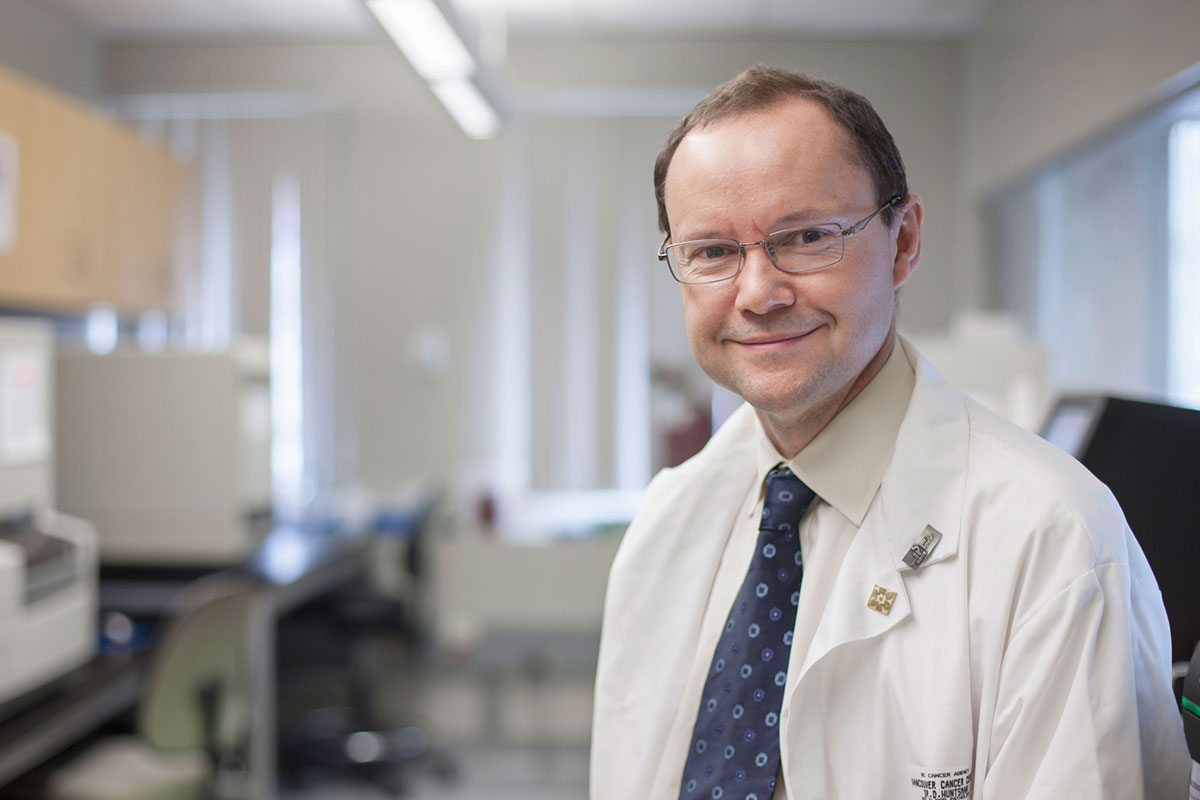
David Huntsman received his MD from Memorial University of Newfoundland in 1988. He then pursued multidisciplinary training in anatomic and clinical pathology and clinical molecular genetics in Canada and clinical oncology and cancer genetics at the University of Cambridge. After joining the University of British Columbia (UBC), Dr. Huntsman quickly became a preeminent translational pathologist. He has made significant contributions to the understanding of the molecular mechanisms of hereditary gastric cancer and ovarian cancer in particular.
Hereditary diffuse gastric cancer is a cancer susceptibility syndrome associated with germline mutations in the CDH1 (E-cadherin) gene. Over the past 15 years, Dr. Huntsman’s research team has described most of the CDH1 mutations in families with hereditary diffuse gastric cancer and provided much of the evidence that underpins the clinical and pathologic standards of care for such families. In 2001, Dr. Huntsman showed that gastrectomy samples from germline CDH1 mutation carriers who underwent prophylactic gastrectomy often revealed multiple foci of occult carcinomas. These observations established that prophylactic gastrectomy is often curative and has led to the acceptance that this procedure, although extreme, is the most appropriate intervention. This work has been validated by findings from other groups.
Dr. Huntsman subsequently described a large number of new CDH1 mutations, including CDH1 founder mutations, and showed how large deletions involving one or more exons of CDH1 can be found in families without traditional or point mutations; this led to an immediate change in genetic testing practices. Dr. Huntsman’s work in this area has contributed significantly to the updated consensus guidelines for the clinical management of hereditary diffuse gastric cancer from the International Gastric Cancer Linkage Consortium, of which Dr. Huntsman has been a long-standing member.
Ovarian cancer is another of Dr. Huntsman’s significant interests. His team is largely responsible for elucidating genotype-phenotype correlations in ovarian carcinomas, which are now considered fundamental for the purposes of classification and histotype assignment. Furthermore, this work has led to a clinical paradigm shift that increasingly focuses on an ovarian carcinoma’s histotype, immunophenotype, and genotype for prognostic, therapeutic, and predictive purposes. Through his team’s application of novel genomic technologies, Dr. Huntsman has contributed to the identification of ARID1A mutations and the characterization of their role in clear cell and endometrioid carcinogenesis. The discovery of ARID1A mutations, which are thought to modulate chromatin remodeling, was of immediate interest to the biologic and drug development community, and has led to attempts to find synthetic lethal hits for ARID1A mutant tumors. Dr. Huntsman’s group has also contributed to the identification and study of driver mutations in rare tumors, such as the FOXL2 mutation in adult-type granulosa cell tumors of the ovary, DICER1 mutations in a series of rare testicular and ovarian cancers, and SMARCA4 mutations in small cell hypercalcemic carcinomas of the ovary.
Dr. Huntsman and his team are responsible for the generation of a treasure trove of pathology resources that enhance translational research, including the development of the Genetic Pathology Evaluation Centre at UBC and the tissue microarray facility. These resources have enabled his team, in collaboration with others, to discover and validate ETV6/NTRK3E fusions in breast cancer and EMSY, a BRCA2-interacting protein. Most recently, Dr. Huntsman, again in collaboration with other investigators, established the Ovarian Tumor Tissue Analysis Consortium, a collection of 8,000 ovarian cancers for clinical biomarker validation, and the Terry Fox Research Institute–funded Canadian Ovarian Experimental Unified Resource, with 2,000 well-annotated frozen ovarian cancer samples. These valuable resources will catalyze new collaborations within the ovarian cancer research community and lead to the development of better biomarkers for ovarian cancer.
Dr. Huntsman’s creativity and infectious enthusiasm have inspired a generation of pathologists, clinicians and investigators. Their work, ultimately providing more informed and higher quality care for patients, is his legacy.
Arul Chinnaiyan, MD, PhD (2014)
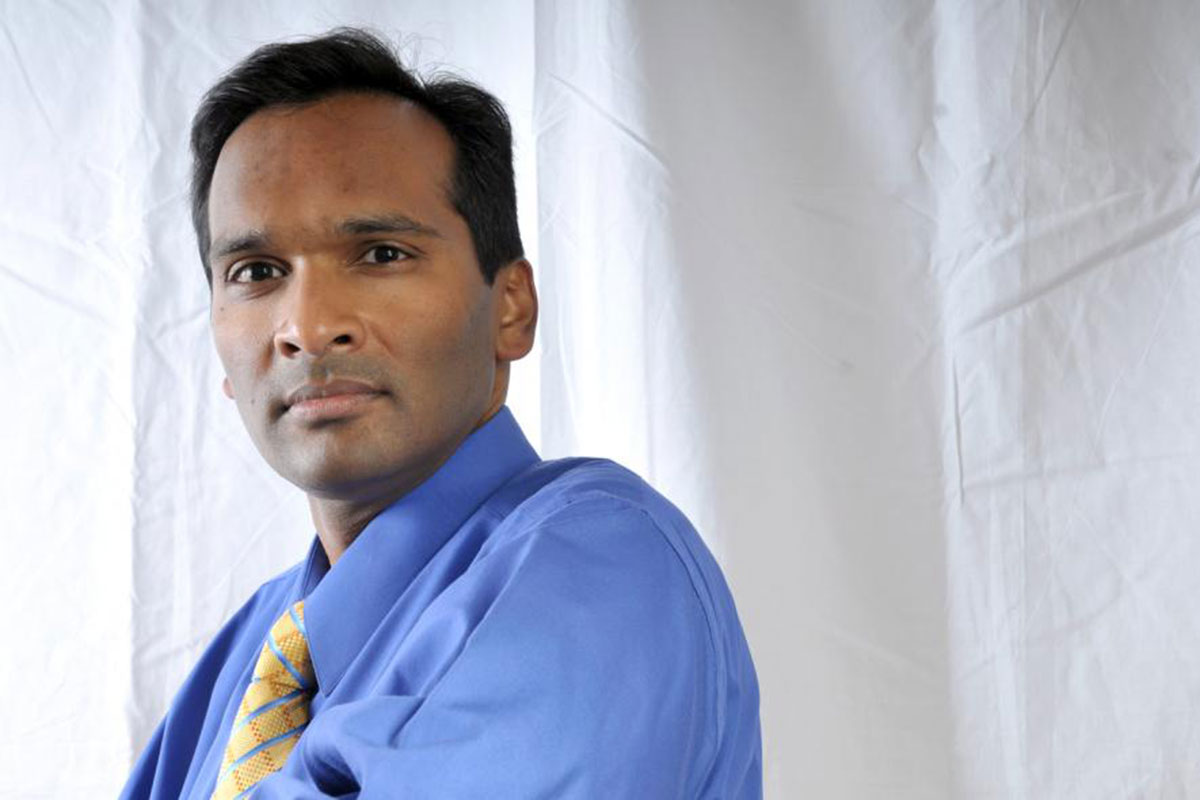
Arul Chinnaiyan was the recipient of the first William L. Gerald Award.
Dr. Chinnaiyan received both PhD and MD degrees from the University of Michigan Medical School in 1999, then did residency training in clinical pathology and earned subsequent board certification. During his training in the department of pathology at the University of Michigan, Dr. Chinnaiyan made fundamental discoveries in the field of apoptosis, including the identification of FADD as a novel death-domain-containing protein and its role in apoptosis initiation. He went on to establish his own lab, without having undergone formal postdoctoral training, at the University of Michigan. With the completion of the Human Genome Project and the development of high-throughput technologies, Dr. Chinnaiyan spearheaded the development of genomic biomarkers for prostate cancer based on the tenet that a one-size-fits-all approach had not delivered treatments or cures for people with cancer. His visionary approaches resulted in seminal scientific contributions that have changed the way prostate cancer is perceived, including the discovery of one of the most frequent somatic genetic alterations in human cancer — the TMPRSS2-ETS fusion gene in prostate cancer — and the additional driver genetic alterations in prostate cancers lacking this fusion gene.
In 2007, he was named the director of the Michigan Center for Translational Pathology, the goal of which is to develop new molecular tests and therapeutics for human disease, with a primary focus on cancer. Dr. Chinnaiyan was a pioneer in the field of massively parallel RNA sequencing analysis of human cancers; his approaches not only resulted in fundamental discoveries about prostate and breast cancers but created a bioinformatics framework for the analysis of this incredibly complex type of data and its translation into information that can be employed to develop biomarkers and guide crucial therapy decisions for patients with metastatic disease. Dr. Chinnaiyan has been a standard bearer of the precision medicine banner and has faced the challenges of implementing cutting-edge genomics methods in treatment decision-making for patients with metastatic disease and in investigating the role of specific genetic alterations and intratumor genetic heterogeneity in tumor progression and the development of resistance to targeted therapies.
In addition to his remarkable contributions to cancer genomics and bioinformatics, Dr. Chinnaiyan has also contributed to the training and development of a new generation of academic pathologists and bioinformaticians, and created a multidisciplinary environment where precision medicine is currently being delivered through the seamless integration of pathology, genomics, bioinformatics, oncology, surgery, and research ethics. A testament to the multidisciplinary nature of pathology envisioned by Dr. Chinnaiyan is the MI-ONCOSEQ (Michigan Oncology Sequencing Center) study, which aims to deliver on the promises of precision medicine through a comprehensive analysis of metastatic lesions to define the molecular and genetic alterations that drive tumor progression, and to identify the therapy that would target these alterations most effectively.
Dr. Chinnaiyan is a Howard Hughes Medical Institute Investigator and the S. P. Hicks Endowed Professor of Pathology and a professor of urology at the University of Michigan Medical School. He has received many awards, including a University of Michigan Medical School Dean’s Award for Basic Science Research, an Amgen Outstanding Investigator Award from the American Society for Investigative Pathology, funding from the Pew Scholars Program in the Biomedical Sciences, a Burroughs Welcome Fund Clinical Scientist Awards in Translational Research, the 2006 Benjamin Castleman Award and 2007 Ramzi S. Cotran Young Investigator Award from the United States and Canadian Academy of Pathology, the inaugural American Association for Cancer Research Team Science Award in 2007 for his lab’s discovery of gene fusions in prostate cancer, and the 2008 American Association for Cancer Research Award for Outstanding Achievement in Cancer Research. He gave the 2014 United States and Canadian Academy of Pathology Timely Topics Lecture.
Dr. Chinnaiyan is incredibly scientifically prolific, with more than 300 papers published as of 2014, and has always proven to be a formidable collaborator, as exemplified by the numerous publications he’s produced with members of MSK’s Department of Pathology and many other institutions. Dr. Chinnaiyan transcends the definitions of basic researcher and pathologist, and he unquestionably personifies the genomic pathologist. His scientific and professional contributions have not only benefited patients but brought forth the central role of pathologists in this precision medicine era.