Watch How CAR T Cell Therapy Eliminated a Patient’s Rare Blood Disease
Light chain (AL) amyloidosis is a rare and serious blood disease that develops when aberrant immune plasma cells produce abnormal “light chain” proteins. These proteins misfold and accumulate in tissues and organs. When untreated, AL amyloidosis can cause organ failure and death.
Although therapies have improved over the past decade, there have been no treatments approved by the U.S. Food and Drug Administration (FDA) for patients with AL amyloidosis that develops resistance or returns (relapses) after other therapies fail.
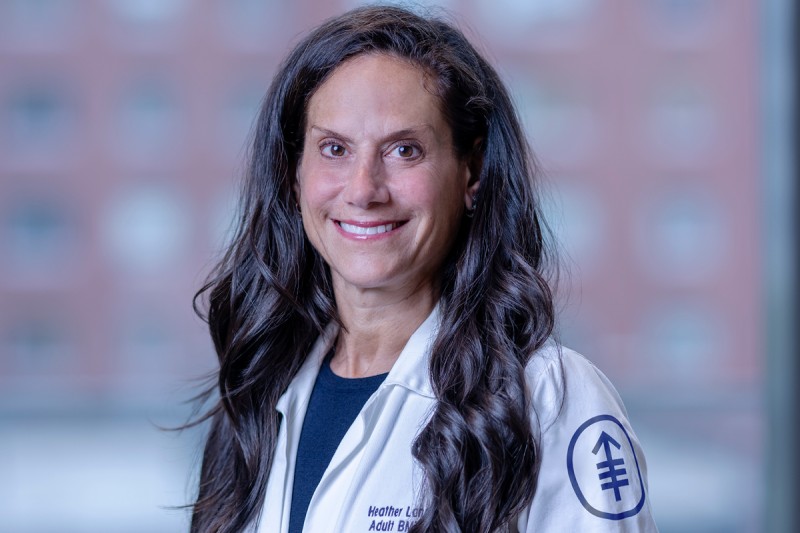
Now MSK cellular therapist Heather J. Landau, MD, reports dramatic results from a phase 1 clinical trial showing that a chimeric antigen receptor (CAR) T cell therapy appears to be effective at stopping AL amyloidosis in these patients. CAR T cell therapy is an approach in which scientists genetically engineer a patient’s own immune cells to make a new protein, turning them into supercharged cancer fighters.
The new therapy, called NXC-201, appears to be safe and to work fast: In patients receiving the therapy, key biomarkers returned to normal levels within one to two weeks, and no lingering cancer cells could be detected. Dr. Landau, who led the study, is presenting the findings at the 2025 American Society of Hematology Annual Meeting (ASH).
“With patients going into such deep remissions, this CAR T cell treatment really has the potential to change the trajectory of this disease,” Dr. Landau says. “I’ve seen very sick patients have an amazing recovery in a short time.”
Clinical Trial Targeting BCMA Stops Disease Progression
NXC-201 targets a protein called BCMA, which is expressed on the surface of amyloid plasma cells and drives cancer growth. In the first 20 patients to receive the CAR T cell therapy:
- An important disease marker called “free light chain” returned to normal for 19 patients within 14 days, with a median of 7 days.
- In 14 out of 16 patients tested for minimal residual disease (the presence of a very small number of cancer cells remaining after treatment), there were no disease cells detected in the bone marrow after 25 days.
- Only 1 patient has relapsed since treatment, which occurred as long as 18 months ago.
- Side effects were manageable, with no serious toxicity.
Filling a Gap in Treatment
Despite the urgent need for better AL amyloidosis treatments, progress has been slow, Dr. Landau says. Pharmaceutical companies have not had a strong incentive to develop and test treatments for such a rare disease, especially in patients at high risk of death from organ failure.
Drugs that treat a similar plasma cell disease, multiple myeloma, can sometimes be effective in people with AL amyloidosis. The most important of these drugs, by far, is daratumumab (Darzalex), a monoclonal antibody that targets a protein called CD38. In 2021, the FDA approved it for AL amyloidosis when given in combination with several other drugs. This remains the only FDA-approved treatment option for patients with the disease.
“We know if we can get this disease into remission, patients can do really, really well,” Dr. Landau says. “Sixty percent of newly diagnosed patients respond to daratumumab, which has been transformative for the field.”
Unfortunately, 40% of AL amyloidosis patients don’t respond completely to daratumumab, and some of those patients require additional treatment. Even among the 60% who do respond, about one-third will relapse. “That created even more impetus to test other treatments, especially CAR T cell therapy because it needs to be given only once,” Dr. Landau says.
Advantages of CAR T Cell Treatment
Scientists were optimistic that a CAR T cell therapy targeting the BCMA protein could be effective against AL amyloidosis. BCMA is highly expressed on amyloidogenic plasma cells. In addition, the treatment had already been shown to work well against multiple myeloma. In fact, the first AL amyloidosis patients to receive NCX-201 were enrolled in a trial focused on treating multiple myeloma.
When the treatment appeared safe and effective in those initial AL amyloidosis patients, the current trial, called NEXICART-2 and sponsored by Nexcella Inc., began at MSK and is now open at six other sites. The trial has the goal of eventually enrolling 40 AL amyloidosis patients.
Dr. Landau says BCMA CAR T cell therapy is especially well suited for people with this disease because of the damage AL amyloidosis does to organs. Most other therapies require ongoing treatment and result in side effects.
The trial will continue enrolling more patients to confirm safety and effectiveness. But results so far are impressive, given the rapid and sustained reduction of the disease marker in the blood in almost all patients treated.
AL Amyloidosis Patient Regains Her Strength
Maureen Ingram was diagnosed with AL amyloidosis in 2014. Despite receiving attentive care under MSK physician Hani Hassoun, MD, her disease began to progress again after a second stem cell transplant in 2022. By 2024, she had shortness of breath and was struggling to walk — a painful setback for someone who had always been very active.
Dr. Landau, who had taken over Maureen’s care after the second transplant, recommended that she join the NEXICART-2 clinical trial. Maureen received the CAR T cells in July 2024.
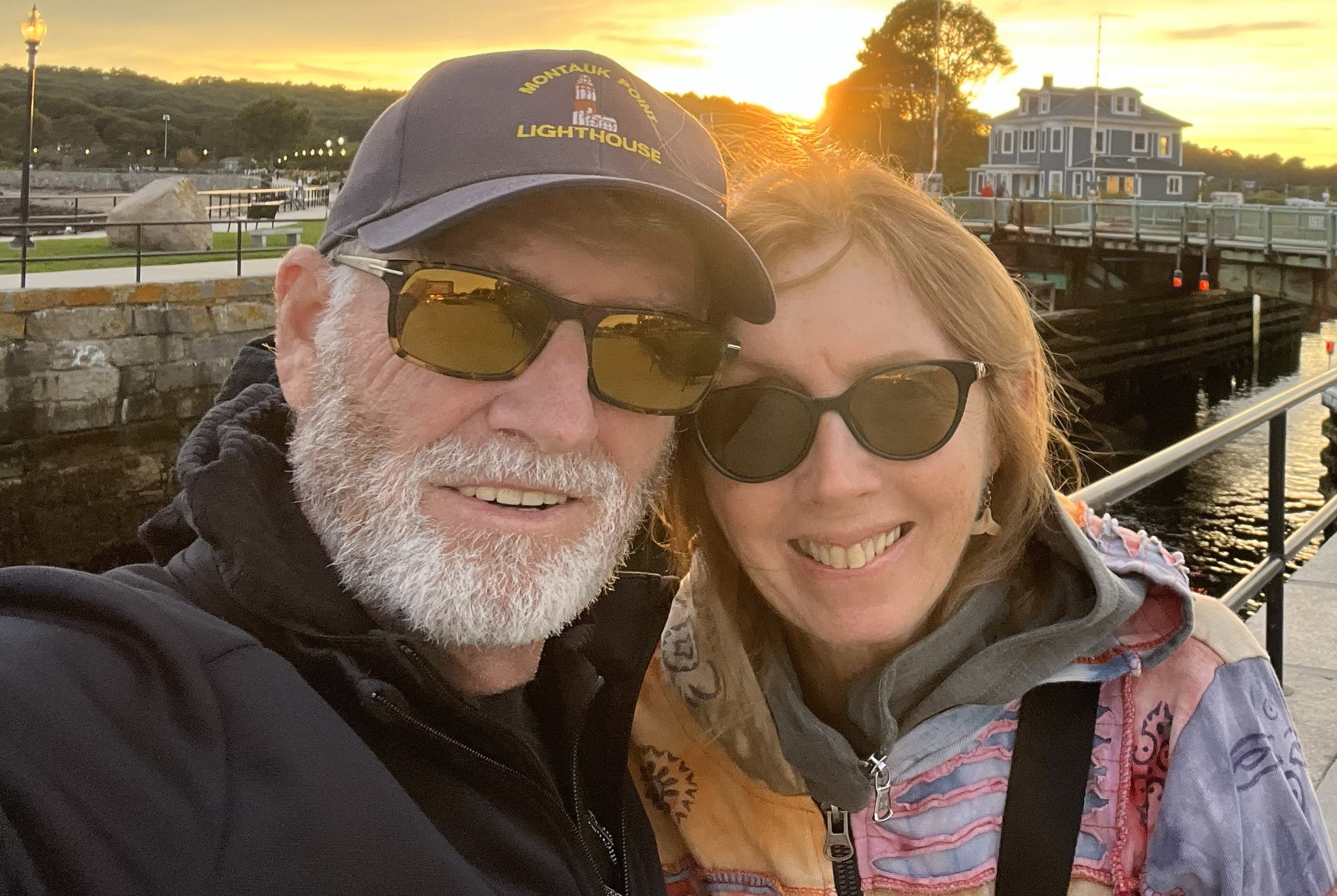
“This tiny magic bag with 150 million cells was infused into me,” Maureen says. “About a week later, I said to my husband, ‘I know this sounds crazy, but I’m walking in the hall, I don’t have chest tightness, and my legs are picking up like the good old days.’ ”
Ten days after leaving the hospital, Maureen was walking four miles with her husband and children. Just a few weeks later, she climbed 137 steps (about 10 stories) to the top of the Montauk Point Lighthouse on the eastern tip of Long Island.
Today, she continues living her best life — hiking, biking, and traveling with family and friends.
“I am beyond grateful to Dr. Hassoun and Dr. Landau for the quality of life I have today with my family and friends,” she says. “I also have tremendous gratitude to the scientists in the labs who develop these treatments that are the roots of where I am today.”
Key Takeaways
- Light chain (AL) amyloidosis is a rare and serious blood disease with no FDA-approved treatments for patients when the disease becomes resistant or returns.
- A phase 1 clinical trial for a new treatment called NCX-201, led by MSK cellular therapist Heather J. Landau, MD, shows that CAR T cell therapy can be effective at stopping resistant or relapsed AL amyloidosis.
- The treatment appears to be safe and to work quickly, potentially changing the trajectory of AL amyloidosis. All patients had a rapid response — in 19 of 20 patients treated, an important disease marker returned to normal within 14 days.
The clinical trial is sponsored by Nexcella, Inc.
Access disclosures for Dr. Landau.
Learn more about MSK clinical trials for patients with amyloidosis.


