A drug that treats any kind of cancer driven by a particular genetic change has received full approval from the U.S. Food and Drug Administration (FDA).
The drug, selpercatinib (Retevmo®), targets a rare genetic change called a RET gene fusion. It’s the latest example of treating cancer based on a specific genetic alteration — rather than the location of the tumor.
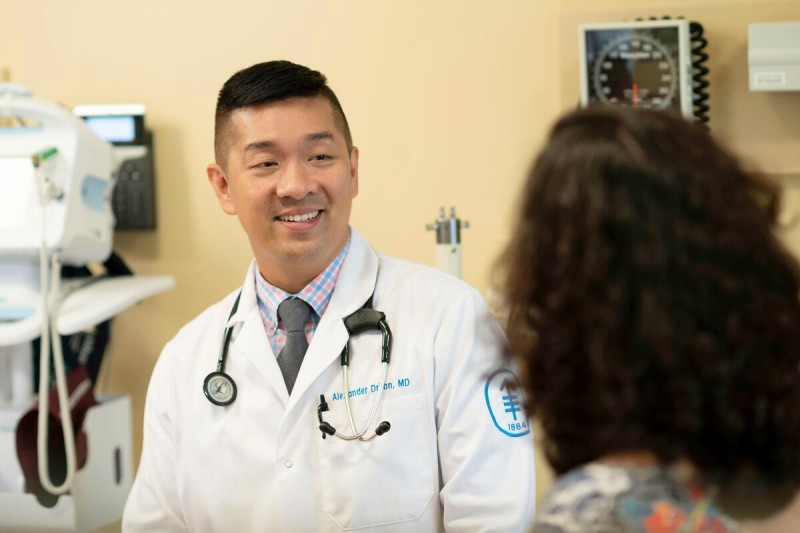
“The full FDA approval of selpercatinib marks a pivotal moment in precision oncology — not simply because it validates this therapy, but also because it extends hope across a broad landscape of tumor types, from lung and thyroid to pancreatic, ovarian, and even rare pediatric tumors,” says thoracic oncologist Alexander Drilon, MD, Chief of the Early Drug Development (EDD) Service at Memorial Sloan Kettering Cancer Center (MSK).
Dr. Drilon led one of the two clinical trials that resulted in the FDA granting full approval, on July 14, to selpercatinib for treating patients ages 2 and older who have advanced cancer carrying a RET fusion.
How was selpercatinib developed?
The FDA first gave selpercatinib accelerated approval to treat advanced lung cancers and thyroid cancers with RET gene fusions in 2020, based on clinical research led by Dr. Drilon and MSK head and neck medical oncologist Eric Sherman, MD. The FDA eventually granted full approval for these two cancers.
Later, the FDA expanded accelerated approval to include all types of metastatic tumors with a RET gene fusion and approved its use in patients as young as 2.
The latest approval confirms that selpercatinib helps patients feel better and live longer. It also affirms that the drug is safe for widespread use.
Clinical trials showed:
- Nearly one in two patients (47%) saw their tumors shrink substantially — across more than a dozen different cancer types.
- Responses lasted more than two years on average — a striking result for patients with advanced cancer who had already exhausted other options.
- The most common side effects included diarrhea, fatigue, dry mouth, swelling (edema), and high blood pressure. A full list of side effects is available here.
What are RET gene fusions?
Gene fusions happen when a gene breaks off from its location on a chromosome and attaches itself to a different gene. This creates a “switch” that is stuck in the “on” position, constantly sending signals for cells to grow.
In the case of a RET gene fusion, the gene that breaks off is called RET. Selpercatinib turns off that switch and stops cell growth.
RET gene fusions are rare. In lung cancer, they are found in only 1% to 2% of tumors. They are even less common in most other cancers. However, they are much more common in papillary thyroid cancer, where they occur in 10% to 20% of cases.
Why is this latest selpercatinib approval important?
“The new FDA approval is the latest example of how the EDD Service at MSK can make a difference for patients everywhere, not just those being treated at our own hospital,” Dr. Drilon says. “It also reaffirms the value of conducting basket trials — studies in which patients can receive a targeted drug based on the genetics of their cancer rather than where it is found in the body.”
Most recently, Dr. Drilon published a study that showed selpercatinib greatly reduces the risk of recurrence in early-stage lung cancers with RET fusions. “This shows that selpercatinib could increase the chance that these patients will actually be cured,” he says.
Dr. Drilon’s disclosures are available on his webpage.
Key Takeaways
- The FDA has fully approved selpercatinib for any advanced cancer with a RET gene fusion, in patients as young as age 2, based in part on MSK-led research.
- About one in two patients — 47% — saw their tumors shrink across more than a dozen cancer types, with responses lasting more than two years on average.
- Selpercatinib works by switching off a RET gene fusion — a genetic defect that can drive cancer growth anywhere in the body — making it one of a new generation of tumor-agnostic therapies.
- New research suggests selpercatinib may also reduce recurrence in early-stage RET fusion–positive lung cancer, raising the possibility that it could keep the cancer from ever returning.
Dr. Drilon holds the Carol Bassok Lowenstein Chair.