From the first panicky feelings that something might be seriously wrong, through the uncertainty of waiting for a diagnosis, to the dread about the possible side effects of treatment, and of course the worry about survival, fear is not just one of the first emotions to follow a cancer diagnosis but also one of the most enduring.
The scariest part of the journey may come, unexpectedly, after you’ve completed treatment. You may live in fear that the cancer will return. Every lump, bump, headache, or cough may seem like a cause for worry. Follow-up appointments and scans, as well as “anniversaries” related to cancer diagnosis and treatment, can be especially triggering for some cancer survivors.
Ironically, the transition to a survivorship program can stir up more anxiety. On the bright side, the shift to survivorship means you may not be coming in to see your oncologist as often. But that can also be hard because their support got you through the most difficult time in your life. In some cases, you might even switch to different specialists for careful monitoring.
“After you have completed treatment, the possibility that cancer could come back is always going to be at the back of your mind,” says William Pirl, MD, MPH, Chair of the Department of Psychiatry and Behavioral Sciences at Memorial Sloan Kettering Cancer Center (MSK). “One of my goals is to help patients accept that those fears may come at times and to develop ways to cope with them, so they are able to move forward.”
Forever Changed by Cancer
Many cancer survivors expect that everything will go back to the way it was before.
“Everyone is congratulating you and telling you that you should be really happy,” Dr. Pirl says. “But although you may be relieved that things did not turn out worse, that doesn’t necessarily mean that you’re going to be feeling joyful.”
Feeling bad about feeling bad is also normal. “Compounding the anxiety and fear around the cancer itself, people often have feelings of regret and sadness that they are not able to go back to their ‘regular’ lives as easily or quickly as they think they should,” Dr. Pirl adds. “They blame themselves for not feeling better.”
Those feelings are common, and it may take more time to recover from cancer treatment than people expect, he says.
How a Cancer Survivor and MSK Nurse Manages Her Fear
Lauren Kidd, MSN, RN, OCN, calls herself a “Sloan-Grown Nurse.” She’s spent her entire career at MSK. She is also a three-time cancer survivor who shares her personal experience to help other cancer survivors cope with their fears.
“Like most people who have been treated for cancer, I have fears about cancer coming back,” Kidd says. “I’m also afraid of developing other long-term complications related to my cancer treatments. But I try to harness those fears and use them to advocate for myself.”
Her experiences also inform the way she treats her patients. “I want them to have the best experience possible, and to care for them just like my MSK nurses cared for me,” she says. She currently coordinates care for MSK patients who have been admitted to other hospitals.
Kidd, now 38, has lived through the fear of cancer in many forms. Her mother was a survivor of childhood Hodgkin lymphoma and was later diagnosed with additional cancers and other long-term health problems caused by her treatment decades earlier. (Newer treatments are less likely to cause long-term side effects, including additional cancers.)
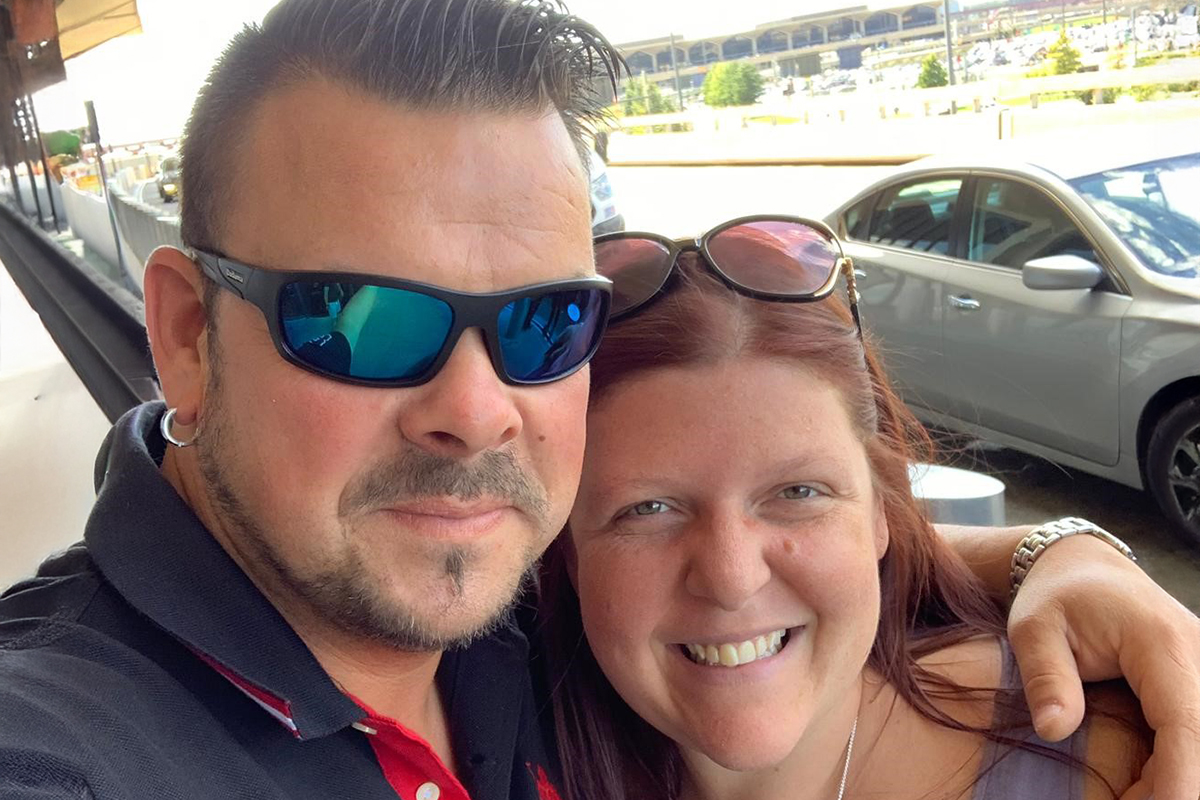
Then Kidd herself was diagnosed with Hodgkin lymphoma the summer before she started high school. Less than a year after completing her treatment, she learned she had another cancer — myelodysplastic syndrome, a blood cancer that sometimes occurs after chemotherapy. She needed a stem cell transplant.
Remarkably, Kidd remembers, “Throughout that whole time, I didn’t have a lot of fear. I was a teenager, and I felt like I had a cloak of invincibility protecting me. I had no doubt I was going to get through it.” But her mindset changed when 20 years later, in the fall of 2023, she was diagnosed with thyroid cancer — her third type of cancer. By then, she had been a nurse at MSK for 15 years and knew a lot more, and she had recently lost her mother to long-term complications of cancer treatment.
“At that point, I definitely felt fear,” Kidd says. “I also felt a lot of anger about why this was happening to me again. One thing that helped me get over it was putting trust in my medical team.” Kidd says that because she knew she would always be carefully monitored at MSK, she could focus on moving forward and living her life.
Tips for Managing Anxiety After Treatment Ends
Don’t believe everything you read online.
“Research can help you feel more empowered and less fearful, but you should take everything you find online with a grain of salt,” Kidd says. “Sometimes it’s just someone venting on social media. Trust your medical team and reliable medical sources like MSK over strangers on the internet.”
Talk to a professional.
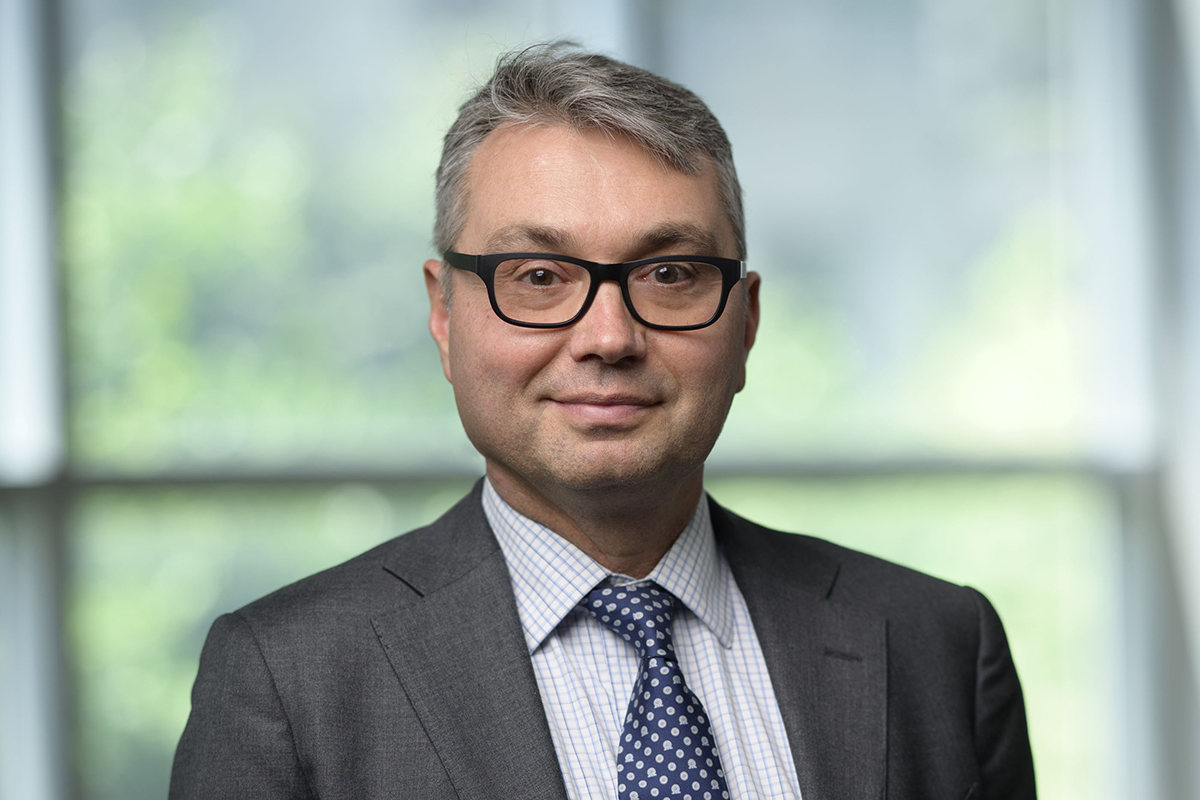
“Asking for help from a psychiatrist or therapist doesn’t mean you’re crazy,” Dr. Pirl says. “Having intense feelings around a serious illness is a normal human response, and you don’t have to manage these feelings on your own. Some cancer survivors may want regular therapy, but for others, one or two appointments to talk things through may be enough.”
Consider taking medication.
“Meditation and mindfulness can work great for some people, but for others it’s not enough,” Dr. Pirl says. “Needing medication is not a sign of failure.” Kidd says she keeps medication on hand and takes it to ease her anxiety before scans.
Know your triggers and prepare.
If you’re prone to “scanxiety,” there are ways to cope. It helps to distract yourself from stressful appointments or milestones by planning something you enjoy. “I also tell my patients not to plan anything demanding during these times, like moving or starting a new job,” Dr. Pirl says.
Create a “cancer resume.”
Many survivors need regular follow-up testing to look for cancer or manage long-term side effects. They dread seeing a new doctor and having to relive their medical history. Kidd created a “cancer resume,” which has all of her information in one place. “Being organized lets me feel like I’m more in control about what I should be doing to stay on top of my health,” she says.
Surround yourself with a support team.
Kidd always takes a friend or family member with her to appointments in case she has to face unexpected bad news. If no one can attend in person, you can include someone on a video call or over speakerphone.
Be honest about your feelings.
“Rather than letting your mind fill in the blanks with worst-case scenarios, talk to your doctors and nurses about what you’re feeling,” Dr. Pirl says. “They are there to support you and help ease your fears.”