
Salivary Gland Cancer Clinical Trials and Other Research
Overview of salivary gland cancer clinical trials
At MSK, we can offer some people the latest treatments possible through our clinical trials. In fact, almost every cancer treatment used today began as a clinical trial.
MSK is a leader in cancer clinical trials. We often have many trials at a time, researching different types of cancers, including salivary gland.
MSK is home to one of the largest clinical trial programs in the country. This means that we offer more cancer clinical trials than many other cancer centers in the U.S.
We offer salivary gland cancer clinical trials in Manhattan and at some of our regional locations, including:
- Long Island: Commack and Nassau
- New Jersey: Basking Ridge, Bergen, and Monmouth
- Westchester: West Harrison
MSK runs one of the country’s largest cancer clinical trials programs. An MSK clinical trial may give you access to new treatments that are not yet available at most hospitals. Watch our short video that can help you decide if a clinical trial is right for you.

MSK experts can help you understand your choices and whether a clinical trial is right for you.
What are the types of clinical trials?
There are different kinds of clinical trials. These research studies help find new and better ways to prevent, diagnose, and treat cancer. They also may help support people living with cancer.
- Treatment trials test new therapies for salivary gland cancer. Treatment trials test new drugs, drug combinations, and devices. They test new ways of doing procedures, surgery, or radiation therapy. They also test treatments that could have fewer side effects.
- Prevention trials test better ways to prevent people from getting cancer or lower the chances people will get cancer.
- Diagnostic trials study better tests and procedures used to diagnose salivary gland cancer.
- Screening trials test better ways to find cancer, even before you have symptoms.
- Quality-of-life trials study ways to help people with salivary gland cancer live more comfortably.
Joining a salivary gland cancer clinical trial is voluntary. The choice is yours. You can stop anytime if you feel uncomfortable or do not want to stay in the trial.
In all MSK clinical trials, our doctors and scientists work closely together. Their job is to make sure people who join clinical trials are kept safe.
Before you decide to join a salivary gland cancer clinical trial, MSK researchers will talk with you about what to expect. They will talk about any possible issues and answer all your questions.
You may have many questions about cancer research studies, such as:
- Do you have to pay to join a clinical trial?
- What is an informed consent and why is it so important?
- What if you get a placebo (pluh-SEE-boh)? (A placebo is something that’s not a real treatment.)
What does the phase of a clinical trial mean?
Clinical trials are research studies. All clinical trials are done in steps, called phases. These phases are numbered 0, 1, 2, 3, and 4 (0, I, II, III, and IV). You may hear about phase 0 clinical studies, but they’re often not part of the clinical trial process.
New cancer treatments must go through different phases before they’re available for everyone. If the treatment is successful in one phase, it will move on to the next one. People most often take part in just one phase of a clinical trial.
-
Phase 1
The first step in testing a new treatment is called a phase 1 clinical trial. Researchers want to learn the right dosage of a drug that works best for a certain type of cancer. They want to understand how the treatment affects the body.
Sometimes the treatments work, but researchers do not know for sure they will work. That’s why phase 1 studies most often involve only 20 to 80 people.
-
Phase 2
A phase 2 clinical trial most often studies how well a new treatment works in a bigger group. It can involve up to 100 people who have a similar type of cancer. Treatment uses the dose and method that the phase I trial found was safest and worked best.
Some phase 2 research studies use a method called randomization to assign people to a treatment group. People are chosen by chance to join a group.
-
Phase 3
Phase 3 clinical trials compare new salivary gland cancer treatments with standard treatments. They often involve 300 to 3,000 people.
Researchers test which treatment is safer, has fewer side effects, and works best. They see which one helps people live longer, with a better quality of life. They test if cancer came back in fewer people. After phase 3, the U.S. Food and Drug Administration (FDA) decides if it should approve the treatment.
-
Phase 4
A phase 4 clinical trial studies a treatment after the FDA approves it. It assesses the side effects, risks, and benefits of a drug or other therapy. The trial lasts a long period of time and tests more people than phase 3 trials. Thousands of people are in a phase 4 trial.
There are no phase 4 clinical trials at MSK.
Clinical trials are designed to keep you safe. Researchers must follow strict rules. Every clinical trial is approved and monitored by an Institutional Review Board (IRB) and government agencies. They make sure the trial is safe.
The IRB makes sure that the risks are as low as possible, and there are more benefits than risks.
MSK scientists plan trials very carefully. They closely watch over people in the trial and follow rules to handle any problems. They can stop the trial if something does not seem right.
Open salivary gland cancer clinical trials at MSK
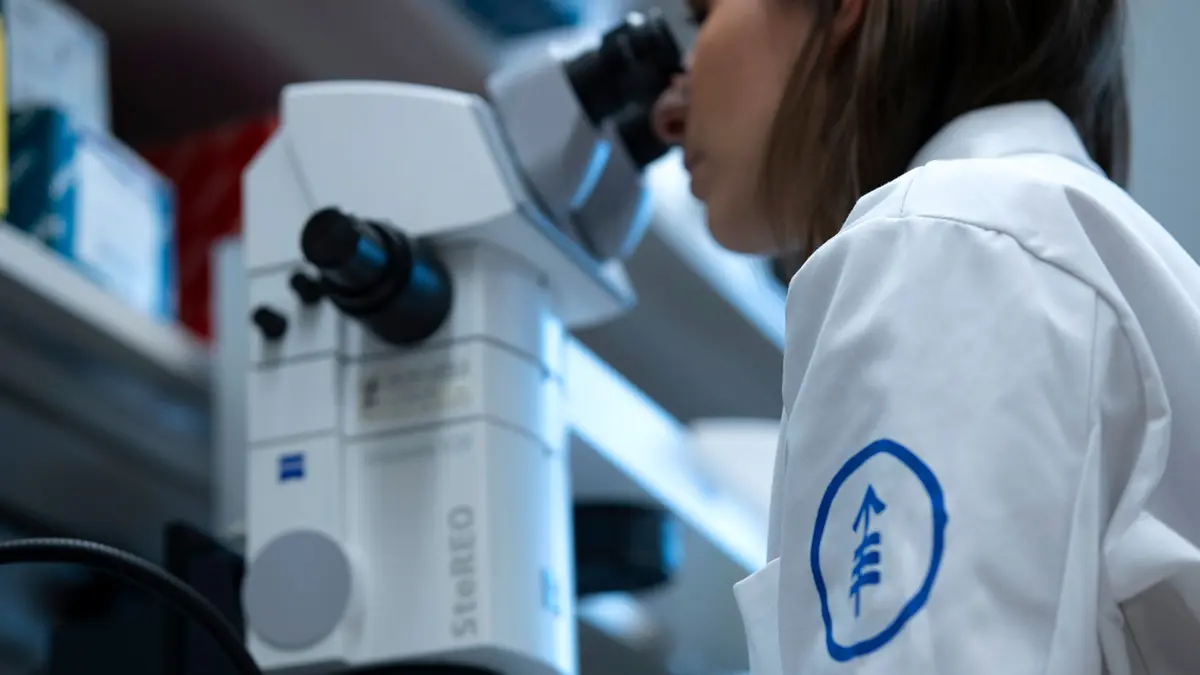
As a research institution, MSK runs one of the world’s largest cancer clinical trials programs.
How is MSK researching new salivary gland cancer treatments?
MSK has hundreds of clinical trials and research aimed at improving care for many types of cancer. We have more than 900 cancer clinical trials. Our experts can talk with you about which clinical trials may be right for you.
You can read about some of the research areas we’re studying right now in our salivary gland cancer clinical trials.
- We’re testing targeted therapies for salivary gland cancers that are HER2-positive and came back after treatment. HER2 is a protein that helps cancer cells grow and spread. HER2-positive cancers have more of this protein. We’re researching whether targeted therapy works better to treat salivary cancer than the standard treatment.
- We’re testing treatments for salivary gland cancers that grow because of the male hormone called testosterone. Researchers want to learn how well the drugs darolutamide and leuprolide acetate work for people with salivary gland cancers. We’re testing this treatment on salivary cancers that spread, came back after treatment, or cannot be removed by surgery.
- We’re researching the best, safest dose of the drug REM-422 to treat the salivary gland cancer adenoid cystic carcinoma (ACC). We’re trying this drug with cancer that has spread. We’re studying this treatment for people who have high levels of a protein called MYB, which can help cancer cells grow.
- We’re exploring whether a drug, enfortumab vedotin, works well on adenoid cystic carcinoma. We’re testing this treatment on cancer that came back or spread after treatment.
Medical oncologist Dr. Anna Varghese explains how clinical trials give MSK patients access to the latest cancer treatments and discoveries.
Many patients will ask us, “Why should I participate in a clinical trial?”
The reason I work at a place like Memorial Sloan Kettering is I'm really hopeful clinical trials will help us to learn more how to take better care of you, and many other patients with cancer as well.
As an academic medical center, we have our best scientists and our best researchers, together with our clinical teams and our pharmacists and our nurses and the doctors, all with one focus of trying to provide you with the best care that we can.
Clinical trials often give us access to some of the newest science, and the newest medications, and the newest technologies, that are really at the cutting edge of cancer treatments – and our hope is to bring that to you and to more patients. And clinical trials are the ways that we can do that.
Here are the salivary gland cancer clinical trials we have now:
We encourage people from all races, genders, ages, and backgrounds to join clinical trials. It’s how researchers can learn if a new treatment works for everyone, not just one group of people. Read why Theresa wanted to join cancer research that focused on women of color.
Common questions about clinical trials
Are you thinking about joining a research study as part of your cancer care? It’s normal to have questions about clinical trials. Here are the answers to some of the most common questions we get from our patients about clinical trials.
People often do not pay extra out-of-pocket costs for treatments studied in a trial. Most often, the clinical trial’s sponsor pays for all research-related costs and any special testing.
We will ask you or your health insurer to pay for anything that’s standard cancer treatment. Examples are routine tests, treatments, or procedures.
Before you join a clinical trial, we will give you an informed consent document. It tells you what you must pay for and what the clinical trial pays for.
MSK financial counselors can help you manage any insurance and financial questions about clinical trials.
All clinical trials have guidelines that say who can join, called eligibility criteria.
Many things affect whether you’re able to join a clinical trial. Examples are your age, gender, the type and stage of your disease, past treatments, and other health conditions.
MSK follows eligibility rules to keep you safe. These rules make sure researchers can collect the information they need.
You can look for clinical trials any time during your care. You can even join when you first learn you have cancer.
Please consider joining a clinical trial from the very start of your treatment if there’s one right for you.
For some clinical trials, you must already have tried certain treatments before you’re eligible to join.
Talk with your doctor about whether joining a clinical trial is right for you.
You can leave a clinical trial at any time and for any reason.
MSK offers clinical trials, including phase 1 trials, at many of our locations.
We have locations in New York City, New Jersey, Westchester County, and on Long Island.
We offer clinical trials at these MSK locations:
- Long Island: Commack and Nassau
- New Jersey: Basking Ridge, Bergen, and Monmouth
- Westchester: West Harrison