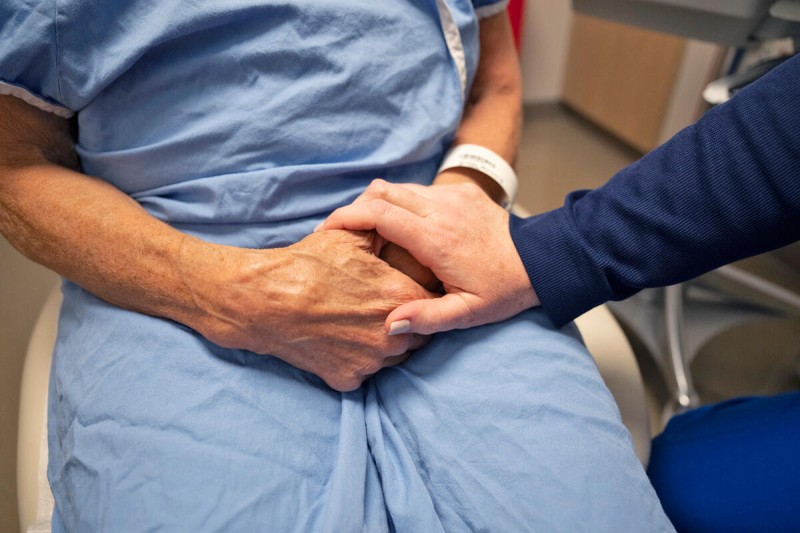
Being told that you or a loved one has a brain tumor is one of the scariest things you can hear.
Brain tumors may be found because someone has symptoms such as seizures, headaches, or weakness on one side of the body. Or they may be detected incidentally, because of a scan done for an unrelated reason.
Either way, getting this news likely comes as a major shock.
Your first thought may be to get the tumor out as quickly as possible, but experts from Memorial Sloan Kettering Cancer Center (MSK) emphasize the importance of taking a little time to explore your options and seek care at a hospital that has a comprehensive program for treating people with brain tumors.
“After you find out you have a brain tumor, the first step is to take a deep breath,” says Joshua Budhu, MD, MS, MPH, a neurologist and neuro-oncologist. “The second is to make sure you see a neurosurgeon who has broad experience with brain tumors. A lot rides on where you have your first surgery, especially if you don’t yet have a definitive diagnosis of what kind of tumor it is.”
“Patients and their families face a strong emotional burden when it comes to brain cancer,” adds MSK neurosurgeon Nelson Moss, MD. “This is life-altering news, and everyone quickly realizes that they have a long journey ahead of them.”
Getting the right diagnosis after finding out you have a brain tumor
Getting a correct diagnosis is very important, because different kinds of tumors respond to different treatments. A sample of tissue is needed to study the tumor. Depending on its location, you may be able to have a less-invasive needle biopsy to collect tumor tissue. Or the biopsy may be done at the time of surgery to remove the tumor.
MSK has an experienced team of neuropathologists who diagnose both common and rare types of brain tumors by looking at tissue under a microscope. They work as part of a team with neuroradiologists (doctors who study brain images) and other experts to ensure that every patient gets the correct diagnosis.
Looking at the tissue from a biopsy will help determine whether the tumor is metastatic (cancer that has spread from another part of the body to the brain) or a primary brain cancer — a tumor that started in the brain. Some brain tumors are not cancerous, but they still may need to be removed.

There are many types of primary brain cancer, and treatment is different depending on what type of tumor it is. At MSK, a test called MSK-IMPACT® can look for the molecular changes driving tumor growth. These tests are used to match patients with drugs that are more likely to work against their individual cancer.
For patients with tumors that are not easy to access because of their location in the brain, MSK doctors may be able to do a liquid biopsy, using MSK-IMPACT to analyze tumor cells in the spinal fluid.
What are the treatments for brain cancer?
Most brain tumors are treated with a combination of therapies: surgery, radiation therapy, and medication. Medication may include chemotherapy, targeted therapies, immunotherapies, and other drugs, such as anti-inflammatories and anti-seizure medications.
- Surgery is often the first treatment.
-
Radiation therapy usually follows, to destroy any cancer cells that remain. There are several types of radiation therapy, including:
- Stereotactic radiosurgery (a type of precise high-dose, image-guided radiation)
- Intensity-modulated radiotherapy (which allows patients to receive higher, more effective doses of radiation while limiting damage to the healthy tissues and areas around it)
- Proton therapy
- Whole brain radiation
- Medication varies depending on the molecular characteristics of the tumor and the side effects of the cancer and its treatments.
Notably, a type of cancer called central nervous system (CNS) lymphoma, a cancer of the immune cells in the brain or another part of the nervous system, usually does not require surgery. It can be treated with chemotherapy, radiation, or a combination of the two.
Who cares for you after a brain cancer diagnosis?
Because treating brain cancer requires a multifaceted approach, most patients see cancer doctors in three main areas:
- Neurosurgery
- Radiation oncology
- Neurology/neuro-oncology
A number of other specialists are part of the care team as well. These include nurses, specially trained nurse practitioners, and physician assistants who are experts in caring for people with brain tumors.
Depending on the symptoms and side effects experienced during and after treatment, many patients see other specialists, including:
- A social worker
- A psycho-oncologist or psychiatrist
- A physical therapist
- An occupational therapist
- Speech and hearing specialists
MSK has expertise in all of these areas and works with patients to coordinate the care they need.
Where should you go for treatment after a brain cancer diagnosis?
Because brain cancer requires so many different specialists, it’s important to be treated at a comprehensive cancer center like MSK that has experts in all the different treatments you are likely to need.
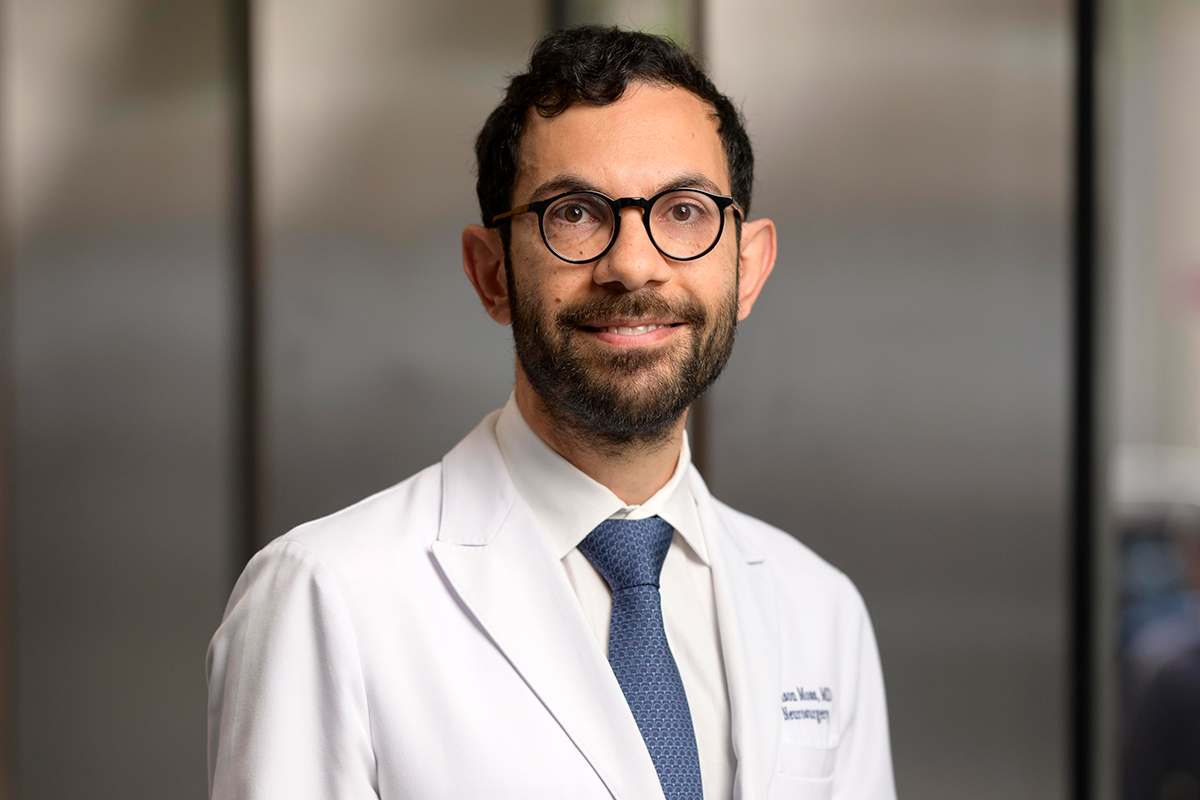
“At MSK, all the brain tumor experts work as a collaborative team,” Dr. Moss says. “Because we work so closely together, we can also help to coordinate patients’ appointments, which helps to limit the burden of scheduling when patients need to see many different specialists. This allows them to spend less time in the hospital and more time with their families.”
Comprehensive cancer centers are also more likely to offer clinical trials that may provide benefits over standard care.
Why are clinical trials so important for brain cancer?
“For the most aggressive types of brain cancer, including glioblastoma, unfortunately there is still a lot of room for improvement,” says MSK radiation oncologist Brandon Imber, MD, MA. “If you rely on standard treatments alone, you may be missing important opportunities to improve outcomes.”
“In some cases, we can repurpose a drug that’s been developed for another type of cancer, depending on the mutations found in someone’s tumor,” Dr. Budhu says.
“Even if you don’t enroll in a clinical trial right away, there may be options to join one later in the course of your treatment,” Dr. Moss explains.
How soon do I need to be treated?
Most patients are eager to start with treatment as soon as possible, but experts say that it’s important to take a little time to decide where to go for treatment.
“There are some cases where surgery needs to be done urgently, but most of the time, it’s worth it to seek out a team that has a lot of experience treating brain cancer,” Dr. Budhu says.
It’s rare, but there are some cases where the tumor does not need to be removed right away. In these situations, you may have active surveillance — regular scans to look for changes in the tumor.
“This is another reason it’s so important to have your scans reviewed by a neuroradiologist with a lot of expertise in imaging different kinds of brain tumors,” Dr. Imber adds.
What should I tell people after my brain cancer diagnosis?
For most patients, there are many aspects to getting a brain cancer diagnosis. There is the medical part — figuring out what treatments are needed and how to coordinate the often overwhelming number of appointments that may be required.
Equally important are the fears about what the outcome of treatments will be and questions about mortality.
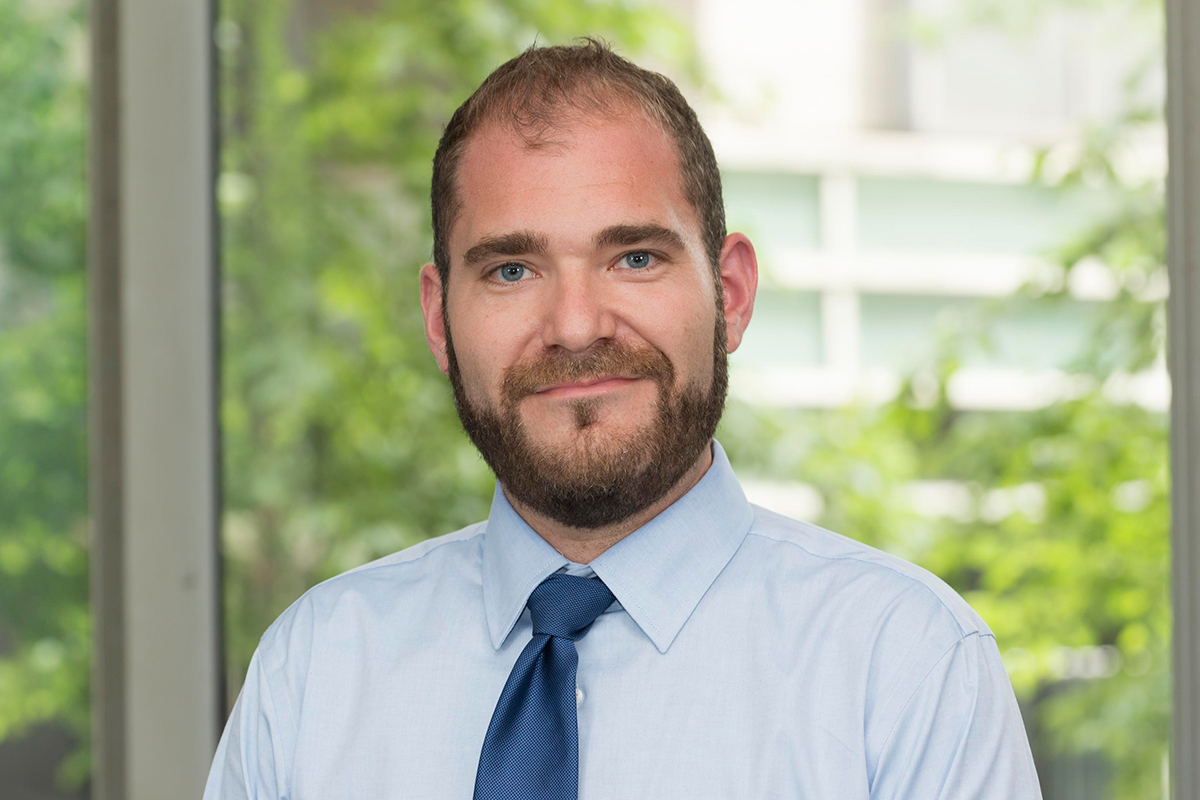
“I often find that my patients are trying to shield their family and friends from the dark thoughts they may be having,” Dr. Imber says. “But most of the time family members really want to be supportive. And they are facing challenges too. I always encourage my patients and their family members to speak out, to have the difficult conversations, and to seek the help they need — both from other loved ones and from professionals. This is not something you can go through alone. And people want to support you.”
There is no rulebook for how to face brain cancer
Individuals differ in how much information they want, and how they want to receive it. “Some patients want details about everything — like whether surgery was able to remove 90% or 95% of the tumor,” Dr. Budhu says. “They want to hear all about the molecular characteristics, and they want to look at the scans and lab reports.”
Other patients may be overwhelmed and may not want as many details.
“Some patients just want to take things one step at a time,” Dr. Moss says. “They don’t want to look too far ahead. For these patients, we can provide a steady, experienced voice to slowly guide them through the treatment process.”
Values may vary significantly from person to person, but understanding what matters most to each patient is vitally important. “For my patients facing brain tumors, I try to have a frank discussion about the pros and cons of different treatment options and how each treatment will affect their quality of life,” Dr. Imber says. “I don’t view it as my job to tell them what to do, but really to lay out the factors that might support or go against a particular treatment and then help them decide what is best for them.”
Key Takeaways
- A brain tumor diagnosis is frightening, but taking time to seek care at a comprehensive cancer center with experienced specialists significantly improves your chances of receiving the correct diagnosis and most effective treatment plan.
- Getting an accurate diagnosis is the critical first step, because different types of brain tumors require very different treatments.
- Molecular testing can help match patients with therapies most likely to work for their specific cancer.
- Brain cancer treatment typically requires a coordinated team of specialists across surgery, radiation, medication, and supportive care, making it essential to choose a center where all these experts work closely together.
- Clinical trials are an important option to explore, particularly for aggressive brain cancers where standard treatments have limitations, and patients should feel empowered to have open, honest conversations with their care team about all available options and how each may affect their quality of life.
Dr. Budhu is a Nicholls-Biondi Diversity Clinical Scientist Faculty Scholar.
