
The number of cancer survivors in the United States has never been higher, thanks to major advances in detection and treatment. It’s estimated there will be 26 million cancer survivors in the U.S. by 2040. But surviving cancer can come with an unexpected long-term risk: developing a completely new cancer years, or even decades, later.
These so-called “second primary cancers” are different from recurring or metastatic cancers, when the original cancer comes back or spreads to another part of the body. As the population of cancer survivors grows, watching out for these new cancers is increasingly important. At Memorial Sloan Kettering Cancer Center (MSK), specialists are working to detect these cancers earlier, understand why they occur, and find ways to reduce survivors’ risk.
“At MSK, cancer care doesn’t end when treatment ends,” says nurse practitioner Jessica DiVanno, NP, who cares for survivors of head and neck and thyroid cancers. “We have specialists who continue to monitor patients’ long-term health, including screening for additional cancers.”
What is a second primary cancer?
A second primary cancer is a new cancer that develops in a person who has had a different cancer in the past. It is different from a recurrence (when the original cancer comes back) or a metastasis (when the original cancer spreads to another part of the body).
Why are cancer survivors at greater risk for future cancers?
Second primary cancers may occur by random chance — sometimes it’s simply bad luck. But there are specific reasons why cancer survivors may develop a new cancer:
- If the first cancer was linked to an inherited gene mutation (also called a germline mutation), that mutation could increase the likelihood of another cancer.
- If the first cancer was associated with environmental or lifestyle factors, such as tobacco use, asbestos, or ultraviolet light, that history of exposure can also increase the likelihood of another cancer.
In some cases, however, cancer treatment itself contributes to the risk. Radiation therapy and certain chemotherapy drugs work by damaging the DNA of cancer cells. Although these treatments save lives, they may affect healthy cells as well, creating genetic changes that may eventually lead to another cancer.
MSK Kids pediatric cancer specialists have particular expertise in identifying new cancers
Doctors who treat childhood cancers have been at the forefront of recognizing these risks and ensuring that cancer survivors have proper monitoring for additional cancers. Currently, 85% of children diagnosed with a pediatric cancer survive at least five years after diagnosis, and as a result, there are more survivors who have long-term side effects.

“One of the most serious of these late effects is a new primary cancer,” says pediatrician Danielle Novetsky Friedman, MD, part of the Pediatric Long-Term Follow-Up Program at MSK Kids. “Screening for additional chancers is tailored to each patient’s prior cancer treatment. Depending on what part of the body received the radiation, we may recommend that survivors start cancer screenings — like breast MRIs, mammograms, or colonoscopies — at a younger age than members of the general population.”
As doctors have learned more about the long-term risks of radiation therapy, the doses used to treat pediatric cancers have been reduced substantially. And newer, more precise forms of radiation therapy are increasingly used to treat both pediatric and adult cancers.
“The type of high-dose, widespread radiation that some patients with diseases like Hodgkin lymphoma got in the 1980s — called mantle-field radiation — is very different from the much more focused radiation treatments used today,” Dr. Friedman says. “Precise, advanced treatments like proton therapy can reduce exposure to normal tissue and hopefully decrease the risks even further.”
Learn how one survivor is coping with the risk of additional cancers
Even as treatments become safer, many survivors who were treated years ago continue to face elevated risks and require lifelong monitoring.
Samantha Somma is one of them.

Now 30 and an oncology nurse in Tampa, Florida, Samantha was diagnosed with Hodgkin lymphoma when she was 12. She had six months of chemotherapy and radiation treatments at MSK and missed an entire year of school.
After completing treatment, Samantha saw pediatric hematologist-oncologist Tanya Trippett, MD, at MSK Kids for regular follow-up scans and bloodwork. She later transitioned into a survivorship program for adults. Even after moving to Florida, she returned to MSK annually for checkups.
In 2025, Samantha was diagnosed with thyroid cancer, likely caused by the radiation she received as a preteen. Because she was being watched carefully, it was caught early. She had her thyroid removed by MSK head and neck surgeon Snehal Patel, MD, FRCS.
“The surgery went great,” she says. “I need to take medication to replace the hormones normally made in the thyroid, but I am adjusting just fine.”
Because she received radiation therapy to the chest, Samantha is also at increased risk of breast cancer. Studies have shown that for those who got some of the older forms of radiation therapy to the chest, the chance of developing breast cancer is about one in three, versus one in eight for the general population.
Samantha is now considering undergoing a prophylactic mastectomy — surgery to remove healthy breast tissue, which would greatly reduce her chances of developing a second primary breast cancer.
“I’ve always known this was something I needed to think about, because I got radiation at an age when my breasts were developing,” she says. “My mom and grandma were both recently diagnosed with breast cancer, so it’s been on my mind. I want to take control before it gets me too.”
Why do some treatments increase the risk of blood cancers?
Many radiation-related cancers are solid tumors, such as breast or thyroid cancer. But radiation treatment can also increase the risk of certain blood cancers, prompting another area of intensive research at MSK.
Blood cancers — especially myelodysplastic syndrome (MDS) and acute myeloid leukemia (AML) — are on the rise after treatment. One recent study from Japan found that the incidence of therapy-related AML has almost tripled over the past 30 years.
A history of chemotherapy is another reason these rates are up. Some classes of chemotherapy drugs knock out cancer cells by attacking their DNA. But these drugs can also affect DNA in the bone marrow, where new blood cells are made. This results in damaged blood cells that later turn cancerous.
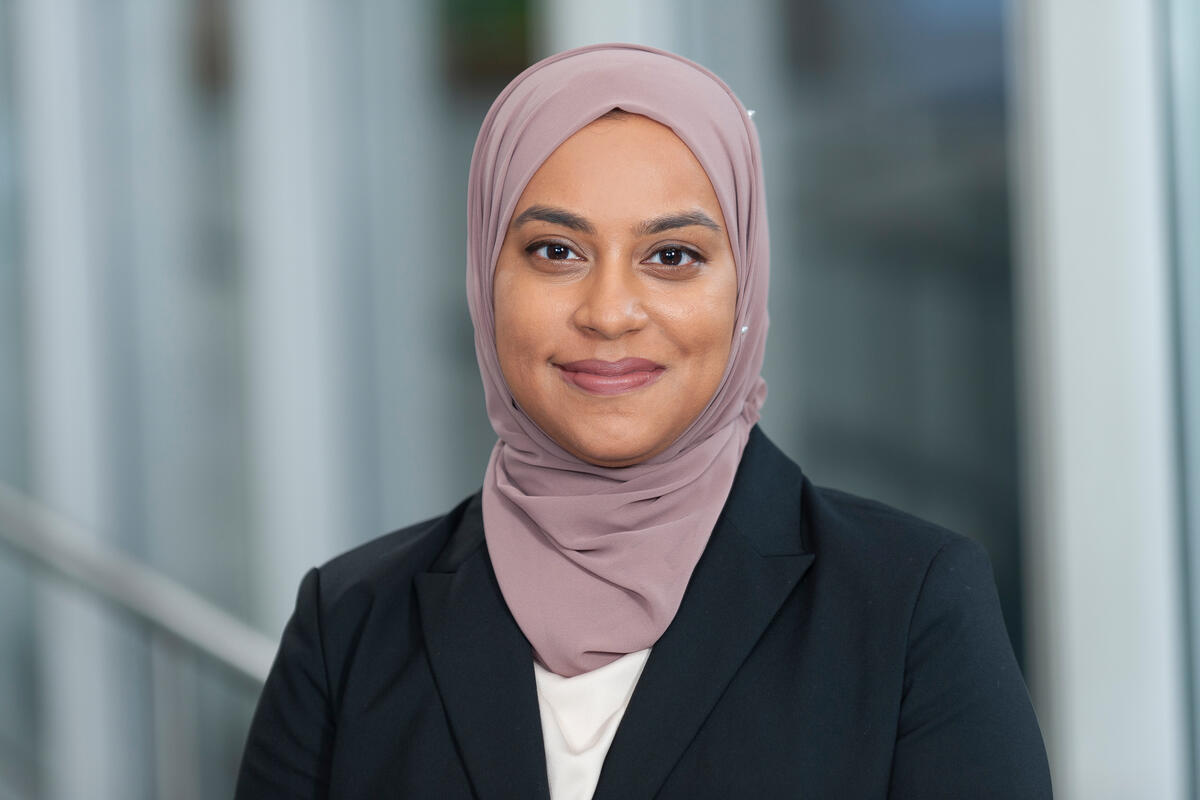
Researchers at MSK have identified an important risk factor for treatment-related blood cancers: clonal hematopoiesis (CH). This common age-related condition occurs when blood-forming stem cells acquire mutations and produce a growing population of genetically altered blood cells. Most people with CH never develop cancer, but the condition can increase the likelihood of later developing blood cancers such as MDS and AML.
In 2018, MSK was the first hospital in the country to launch a clonal hematopoiesis clinic to study these risks and closely monitor patients.
“Routine follow-up care, including blood tests and annual physicals, is one of the best ways to detect these potential problems early, so that we can offer additional diagnostic workups and treatments as soon as they’re needed,” says leukemia specialist Tamanna Haque, MD, who sees patients in the CH clinic. “As our understanding in this field continues to advance, our goal is to give survivors effective options for reducing their risk.”
MSK researchers are also seeking out ways to actively reduce the risk of treatment-related blood cancers in survivors with CH. One recent study, led by physician-scientist Omar Abdel-Wahab, MD, that was published in Nature Genetics looked at whether drugs called CDK4/6 inhibitors could prevent these additional blood cancers. Although the work is in early stages and has been done only in cells and mice, the findings suggested this could be a promising avenue, and clinical trials are being planned.
Looking to the future
For MSK specialists, the growing population of cancer survivors represents one of modern medicine’s greatest successes. Their challenge now is helping survivors to not only live longer, but to stay healthy for decades after treatment ends.
Through specialized follow-up programs, earlier screening, and research aimed at reducing treatment-related risks, MSK experts are working to make survivorship safer for future generations of patients.
Key Takeaways
- Some cancer survivors are at greater risk of developing entirely new cancers years or even decades after treatment. These “second primary cancers” are different from cancer that comes back or has spread to other parts of the body.
- Inherited gene mutations and environmental exposures can increase the risk of developing more than one cancer. Risk factors include genetic changes tied to multiple cancers, as well as exposures such as tobacco, asbestos, and ultraviolet light.
- Some cancer treatments can also increase the risk of a new cancer later in life. Radiation therapy and certain chemotherapy drugs damage DNA to destroy cancer cells, but they can also damage the DNA of healthy cells, potentially leading to genetic changes that cause cancer over time.
- Advances in radiation therapy may help reduce the risk of future cancers. Newer, more precise approaches, such as proton therapy, can limit radiation exposure to healthy tissue. MSK specialists hope these advances will reduce the risk of second primary cancers in both children and adults. Researchers at MSK are working to better understand and reduce treatment-related risks.
- Long-term follow-up is essential to helping cancer survivors stay healthy. Across MSK, specialists continue to care for pediatric and adult patients long after treatment ends — monitoring their health through survivorship programs that tailor screening to each patient’s history and risk factors.