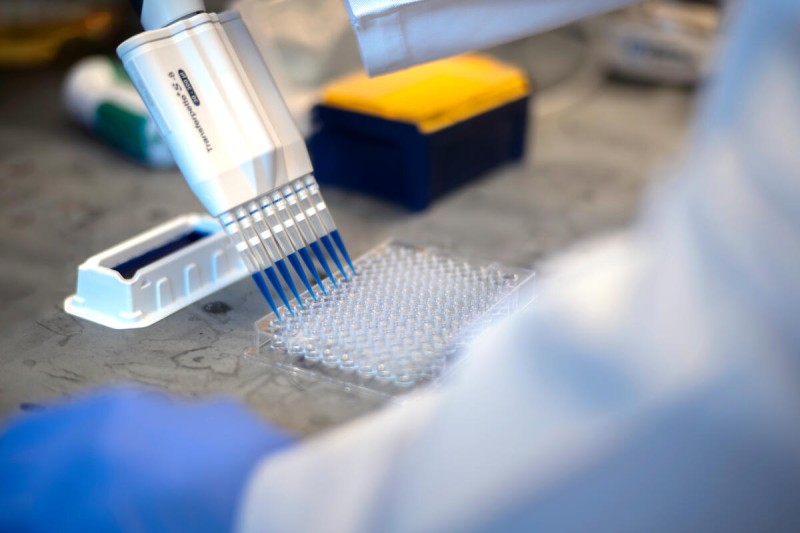
On May 13, 2026, 15 new PhD scientists will officially receive their degrees from the Gerstner Sloan Kettering Graduate School of Biomedical Sciences (GSK). The graduates will receive their diplomas as part of the 47th annual academic convocation and commencement ceremony held at Memorial Sloan Kettering Cancer Center (MSK).
The trainees being honored at this year’s ceremony bring the total number of GSK alumni to 144. This year marks the school’s 15th graduating class since it admitted its first class of students in 2006.
“Our graduates have shaped a legacy of curiosity, determination, and a deep commitment to discovery,” says GSK Dean Michael Overholtzer, PhD. “They are not just advancing knowledge — they are shaping the future of how we understand and fight cancer and other diseases. I am incredibly proud of each one of them.”
GSK was created to provide the next generation of biomedical investigators with a deep expertise in cancer biology and the fundamental biological processes that underlie cancer. Since 2024, GSK also has included the Pat and Ian Cook Doctoral Program in Cancer Engineering, a PhD program for those interested in developing new tools and technology to solve fundamental problems in cancer science.
GSK’s programs are designed to bridge the gap between laboratory-based science and clinical research with the ultimate goal of benefiting cancer patients everywhere.
The commencement address this year will be given by Nobel laureate Phillip Sharp, PhD, an Institute Professor emeritus at the Massachusetts Institute of Technology (MIT) and a member of the Department of Biology and the Koch Institute for Integrative Cancer Research at MIT. Dr. Sharp, who studies the molecular biology of gene expression and the mechanisms of RNA splicing, will also be honored with the Memorial Sloan Kettering Medal for Outstanding Contributions to Biomedical Science.
In 2026, GSK will award doctorates to Mariano Aufiero, Marimar Benitez, Celeste Dang, Juliana Delgado, Tarek Islam, Margaret Kennedy, Won Jun Kim, Tiffany Merlinsky, Brianna Naizir, Ella Nguyen, Ana Sanchez, Jenna Snyder, Anran (Angel) Tang, Abigail Xie, and Zhi (Zack) Zheng. Over the past year, these students have successfully defended their dissertations, the final requirement in earning their degrees.
The graduates describe their research projects here:
My dissertation research, conducted in the lab of Tobias Hohl, MD, PhD, explores how the immune system protects us from a dangerous mold called Aspergillus fumigatus. This fungus is common in the environment and harmless to most people, but it can cause life-threatening lung infections in patients with weakened immune systems, including those undergoing cancer treatment or organ transplantation. Because antifungal drugs are limited and resistance is rising, understanding how our natural defenses work can help us design new ways to protect vulnerable patients.
I focused on how specialized immune cells in the lung kill the fungus. The most important discovery from my work is that the gut microbiome, the community of beneficial bacteria that live in our intestines, plays a key role in this process. When mice were treated with antibiotics that disrupted these bacteria, their immune cells became less effective at killing the fungus, allowing it to grow more easily in the lungs. This finding shows that signals from gut microbes help “train” immune cells to function properly, even at distant sites like the lung. Overall, my research highlights how treatments that alter the microbiome may unintentionally increase the risk of severe fungal infections, and it points to new opportunities to strengthen immune defenses by targeting host-microbe interactions.
After completing my PhD, I began a postdoctoral fellowship at the Ragon Institute of Massachusetts General Hospital, MIT, and Harvard University in the laboratories of Eric Dang and Charlie Evavold. My current research examines how immune receptors that detect fungal molecules are organized inside cells and how this organization shapes immune signaling. Because these pathways also influence how the immune system responds to tumors, I aim to apply this work to cancer models. Through this training, I hope to better understand innate immunity and ultimately develop strategies that improve treatments for infectious diseases and cancer.
Cancer treatments often aim to stop tumor cells from dividing. Sometimes, instead of killing the cells, therapy pushes them into a state called senescence. Senescent cells are alive but permanently arrested in growth. The problem is that scientists still do not fully understand how to distinguish between cells that have truly finished dividing and those that are only resting and might resume growth later. This distinction is important because cells that “wake up” can enable cancer recurrence.
In my PhD research at MSK, conducted in the lab of Andrew Koff, PhD, I studied how a class of breast cancer drugs called CDK4/6 inhibitors affects this decision. These drugs are widely used in patients, but we do not yet know exactly how they induce permanent arrest in certain cancer cells. I used laboratory models of breast cancer and sarcoma, along with large-scale gene expression technologies, to follow what happens inside cells over time after treatment. By mapping which genes were turned on and off, I identified patterns that mark the transition from a temporary pause to a more permanent, senescent state.
I then collaborated with computational biologists to test whether the same patterns were observed in tumors from patients who received these drugs in clinical trials. Encouragingly, we found that tumors with specific genetic features showed evidence of this senescence program. This connection helped bridge laboratory findings with clinical practice, providing a clearer framework for recognizing when a therapy is working as intended.
The central message of my thesis is that senescence is not defined by a single gene. Instead, it is a coordinated process that unfolds over time. Understanding this timeline can help researchers design better biomarkers, predict which patients will benefit most from treatment, and ultimately develop strategies to eliminate harmful residual cells after therapy. In the future, I hope to continue working at the intersection of science and medicine, helping to translate complex biological discoveries into approaches that improve patient care. The most important lesson I carry from my graduate training is the power of collaboration to transform data into meaningful impact.
I conducted my thesis research in the laboratory of Joseph Sun, PhD, where I studied how the immune system develops and responds to viral infection. The immune system depends on tightly controlled regulatory programs to ensure that its cells grow, mature, and function correctly to protect the host from internal and external challenges. My work focused on a transcription factor called TCF19 and its role in two critical immune cell types: natural killer (NK) cells and B cells. Both of these cells are essential for controlling infections and protecting against diseases such as cancer.
In the first part of my research, I investigated how NK cells respond to infection with mouse cytomegalovirus (MCMV), a well-established model for human cytomegalovirus, which causes significant illness and clinical burden worldwide. As cells of the innate immune system, NK cells are often described as “first responders” because they can quickly recognize and kill infected cells. At the same time, they can expand in number and develop memory-like features that allow them to respond more effectively upon re-exposure to a virus. I found that TCF19 is essential for both of these functions. Without TCF19, NK cells were unable to properly multiply during infection and showed defects in the calcium signaling needed to carry out their cytotoxic function. As a result, the immune system was less capable of controlling viral infection.
In the second part of my thesis, I investigated the role of TCF19 in early B cell development in the bone marrow. Before B cells can mature and produce antibodies, they must pass through carefully regulated developmental stages. I discovered that TCF19 plays a key role at an early checkpoint, helping immature B cells mature and expand properly. In addition, to better study how B cells respond during viral infection, I developed a novel B cell tetramer probe that allows us to identify and track MCMV-specific B cells. This new tool enables more precise analysis of virus-specific B cell responses and will support future research in antiviral immunity.
Overall, my research highlights how the immune system builds effective defenses from early development through active infection. By improving our understanding of how NK cells and B cells function, this work may ultimately contribute to better vaccines and immune-based therapies. Following my PhD, I am now a postdoctoral fellow in the Viral Vaccines Research and Development Department at Pfizer, where I continue studying how we can harness the immune system to improve human health. Throughout graduate school, I learned that scientific progress often comes from experiments that fail before they succeed. These experiences taught me resilience, adaptability, and the importance of maintaining a growth-oriented mindset. I carry forward the ability to adjust to unexpected results, think critically through challenges, and continuously learn — skills that will guide me in the next steps of my scientific journey.
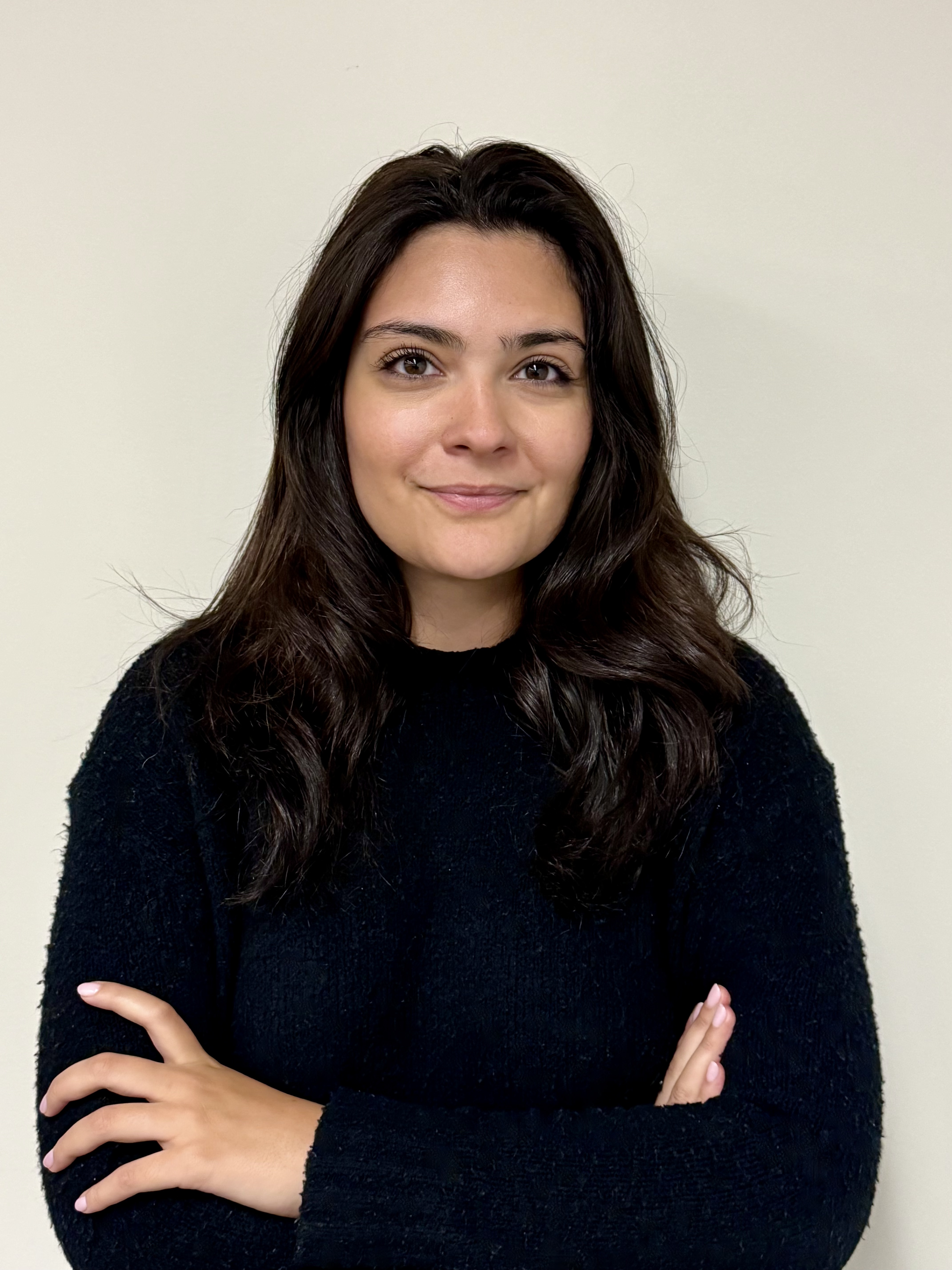
Cancer treatment has improved dramatically over the past 50 years. Many therapies can shrink tumors or even send cancer into remission. However, a major challenge remains: The same treatment can work very differently from one patient to another. Some people experience long-lasting benefit, while others see only short-term improvement or none at all. My research focuses on understanding why these differences happen and how we can design better, longer-lasting treatments.
During my dissertation work in the lab of Andrew Koff, PhD, I studied a key process called cellular senescence. Senescence happens when a cell experiences stress and permanently stops dividing. This may sound like a clear win in cancer therapy, since stopping cancer cells from dividing should slow tumor growth. Even though they stop dividing, they release signals and proteins that can influence surrounding cells and the immune system. Sometimes this helps suppress tumors. Other times, it may actually help cancer survive or become resistant to treatment. This dual nature makes senescence both promising and complicated.
My thesis focused on drugs called CDK4/6 inhibitors, which are used to treat certain breast cancers and a rare and aggressive cancer called dedifferentiated liposarcoma. These drugs cause senescence in patients that receive them. Using advanced techniques that measure changes in genes, proteins, and cell behavior over time, I mapped how different CDK4/6 inhibitors trigger distinct senescence programs. I discovered that some drug responses activate a specific transcriptional program linked to tumor fitness.
The bottom line of my work is that not all senescence is the same. The differences matter, and they can shape whether treatment leads to durable tumor control or resistance. By identifying and comparing these molecular programs, my research provides a roadmap for designing smarter combination therapies and improving patient outcomes.
As I move forward after my PhD, I plan to continue working at the intersection of science and medicine, helping translate complex biological discoveries into strategies that directly benefit patients. Graduate training taught me resilience, creativity, and the importance of embracing complexity rather than simplifying it away. I will carry those lessons with me as I continue contributing to the future of cancer research and therapeutic development.
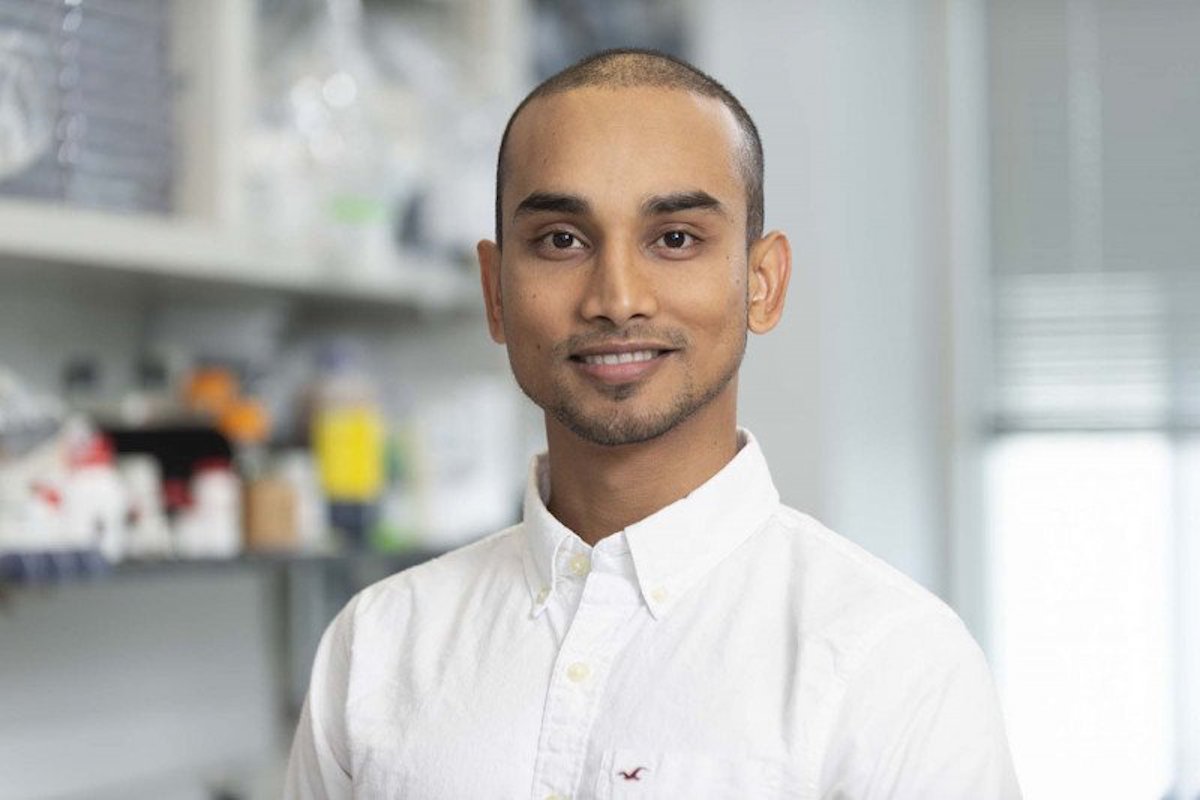
During my doctoral training in the lab of Thomas Vierbuchen, PhD, I investigated how the cerebral cortex — the brain region responsible for higher cognitive functions such as memory, decision-making, and consciousness — develops. The cortex is composed of a remarkable diversity of neuronal and glial cell types that must be generated at defined developmental stages to form functional neural circuits. Disruptions in this tightly regulated process can contribute to neurodevelopmental and neurological disorders.
To better understand the mechanisms guiding cortical development, I established a robust and reproducible mouse cortical organoid system derived from embryonic stem cells. These three-dimensional organoids faithfully recapitulate key aspects of in vivo cortical development, including appropriate developmental timing and the generation of multiple excitatory neuronal subtypes and glial populations. This platform provides a powerful experimental system to dissect gene regulatory networks controlling cortical formation.
Building upon this model, I sought to understand how naturally occurring genetic variation shapes gene regulation during cortical development. Small differences in DNA sequence can influence how genes are turned on or off, ultimately contributing to structural and functional diversity across individuals and species.
To study this systematically, I leveraged F1 hybrid stem cell lines derived from crosses between standard laboratory mice and genetically diverse wild-derived strains representing approximately one million years of evolutionary divergence. These hybrid cells contain maternal and paternal genomes within the same cellular environment, allowing precise measurement of allele-specific gene expression. By differentiating these cells into cortical organoids and applying single-cell RNA sequencing and chromatin accessibility profiling, I identified hundreds of genes exhibiting dynamic allele-specific regulation during neurogenesis. These findings reveal how cis-regulatory variation influences developmental gene networks and contributes to differences in cortical development across genetically diverse populations.
In addition, I investigated how variation in specific regulatory DNA elements affects pluripotency gene networks. I identified sequence variants within an enhancer of the key stem cell regulator NANOG that significantly reduced enhancer activity and gene expression. This work illustrates how subtle changes in non-coding DNA can have measurable functional consequences during early embryonic development.
Overall, my work provides new tools and insights for understanding how genetic variation influences early brain formation. Beyond the scientific discoveries, my graduate training taught me how to think critically, solve complex problems, and persevere through challenges. I learned the importance of collaboration, careful experimentation, and clear communication. These lessons will guide me as I move forward in my career, where I hope to help translate fundamental scientific discoveries into innovative therapies that improve human health.
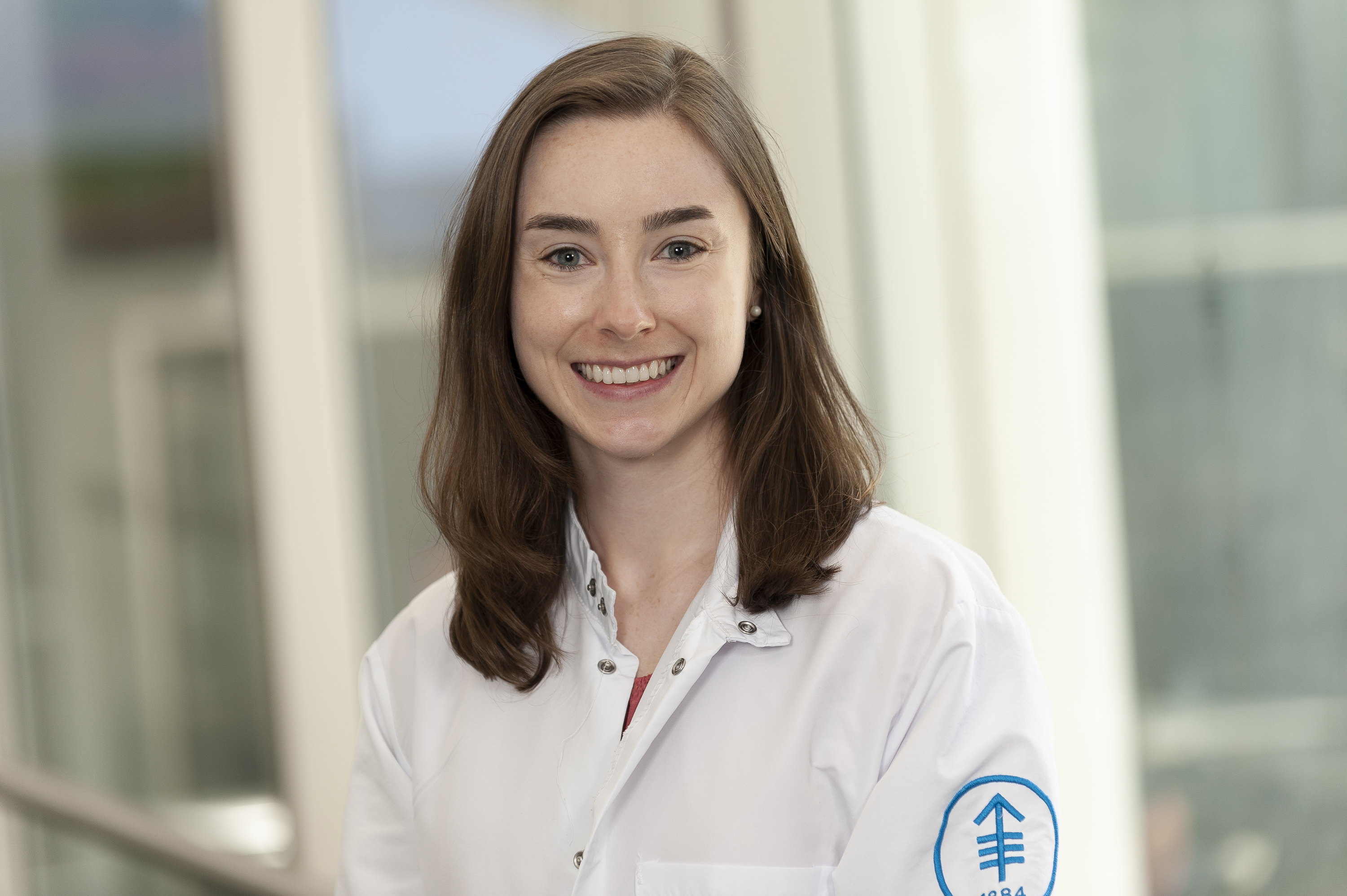
Cells in the human body constantly respond to their environment by turning genes on and off. This process, known as gene expression, is essential for normal health. When it becomes disrupted, it can lead to diseases such as cancer. Many cancers contain mutations in genes that help regulate gene expression, and while a small number of mutations have been well studied, thousands remain classified as “variants of unknown significance.” Understanding how these mutations influence gene expression is critical for explaining how cancer develops and for identifying new treatment strategies.
During my PhD research in the lab of Scott Lowe, PhD, I developed a new experimental approach to introduce many specific mutations into cells at once and measure how each mutation alters gene expression. I first used this method to study mutations in TP53, the most commonly mutated gene in human cancer, and showed that different TP53 mutations produce distinct gene expression patterns. I then applied this method to mutations commonly found in breast cancer and found that mutations affecting the same biological pathways showed similar transcriptional changes. Importantly, some mutations helped cells adapt better to certain growth conditions, suggesting these gene expression changes provide real biological advantages to cancer cells.
In the final part of my thesis, I studied CDK9, a protein that helps regulate gene expression in senescent cells — cells that have permanently stopped dividing in response to stress. Senescent cells are increasingly recognized as contributors to cancer and age-related diseases such as pulmonary fibrosis. I found that CDK9 controls a distinct set of genes in senescent cells, different from those regulated by CDK9’s binding partner, suggesting that targeting CDK9 could represent a new therapeutic approach for fibrotic disease.
After my PhD defense, I joined ClearView Healthcare Partners as a consultant, where I help address strategic questions for biotechnology and pharmaceutical companies. The scientific training, analytical mindset, and problem-solving skills I developed during my PhD are directly applicable to this work, and I remain deeply appreciative of my experience and training as a GSK student.
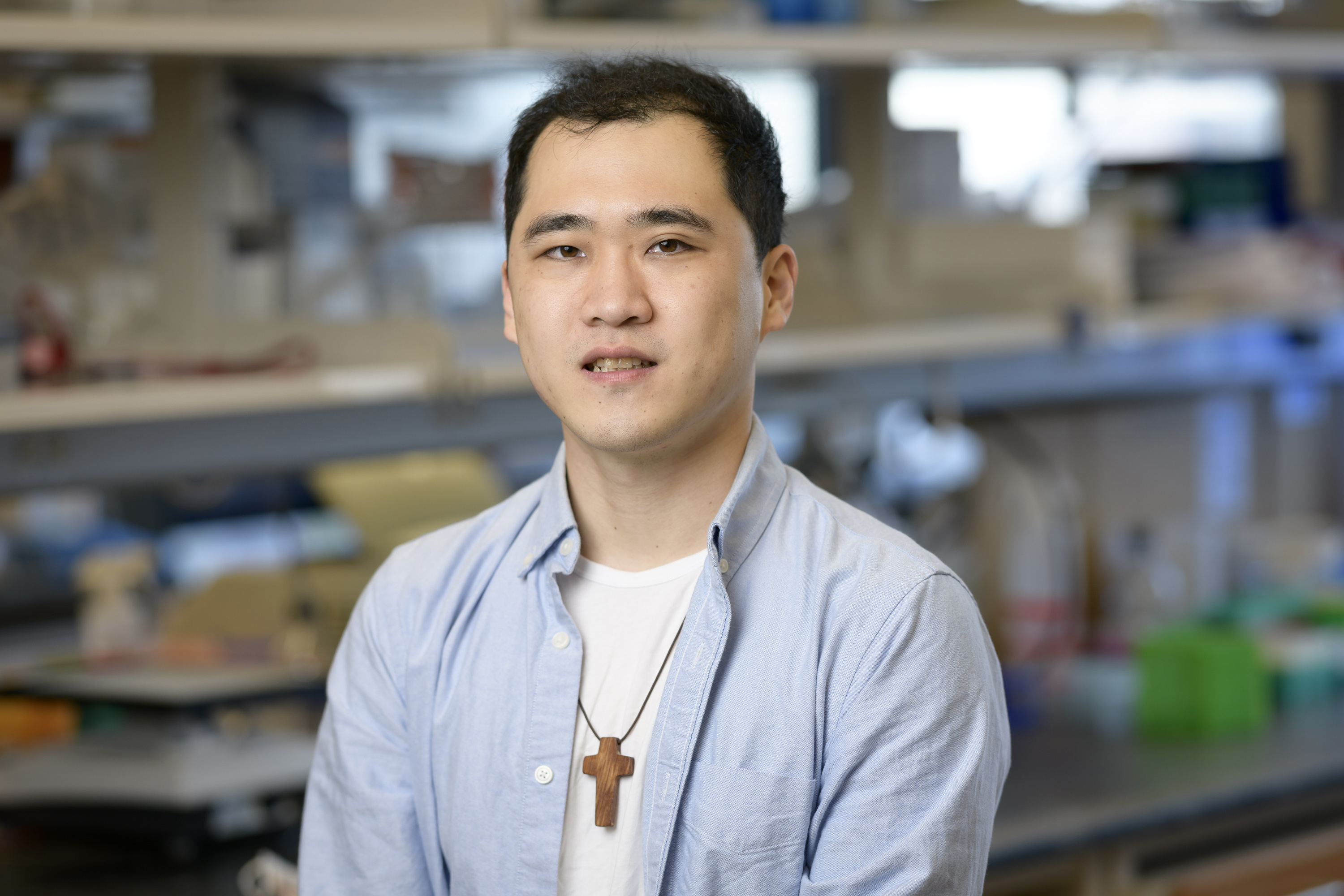
I conducted my dissertation research in the lab of Omar Abdel-Wahab, MD, whose research focus includes understanding the pathogenesis of hematologic malignancies to guide new therapies. In line with this approach, my PhD work focused on developing new T cell–based immunotherapies in myeloid leukemias that harbor RNA splicing factor mutations.
Mutations in RNA splicing factors are prevalent in myeloid leukemias and are associated with poor patient prognosis, yet it has been challenging to target these mutations therapeutically. RNA splicing factor mutations generate mis-spliced mRNAs that are highly recurrent across patients. For my dissertation project, I showed that some of these mis-spliced mRNAs are translated into novel protein isoforms and give rise to mis-splicing–derived neoantigens, which are presented on MHC class I and recognized by T cells. Using multimer-based single-cell immune profiling, I isolated T cell receptors (TCRs) that are reactive to mis-splicing–derived neoantigens, and transgenic T cells expressing these TCRs specifically recognized and lysed leukemia cells harboring RNA splicing factor mutations.
Overall, my work catalogs clinically actionable mis-splicing–derived neoantigens and TCRs that are applicable across patients and provide proof-of-concept for redirecting T cells to these neoantigens in myeloid leukemias. These findings have direct clinical significance and therapeutic implications, as the neoantigens and TCRs we identified can be tested in future studies for neoantigen-based immunotherapies such TCR T cell therapy, TCR bispecific antibodies, and cancer vaccines.
One lesson I learned from my PhD training is the importance of finding mentors and colleagues who have faith in me and are willing to take risks. I am extremely grateful for all the unwavering support provided by my PhD mentor Dr. Abdel-Wahab, the GSK Graduate School, and the Tri-Institutional MD-PhD Program. Since defending my PhD thesis, I have returned to Weill Cornell Medical College, where I am currently finishing the last two years of medical school training. I am planning to apply for a research residency and continue my training as a physician-scientist.
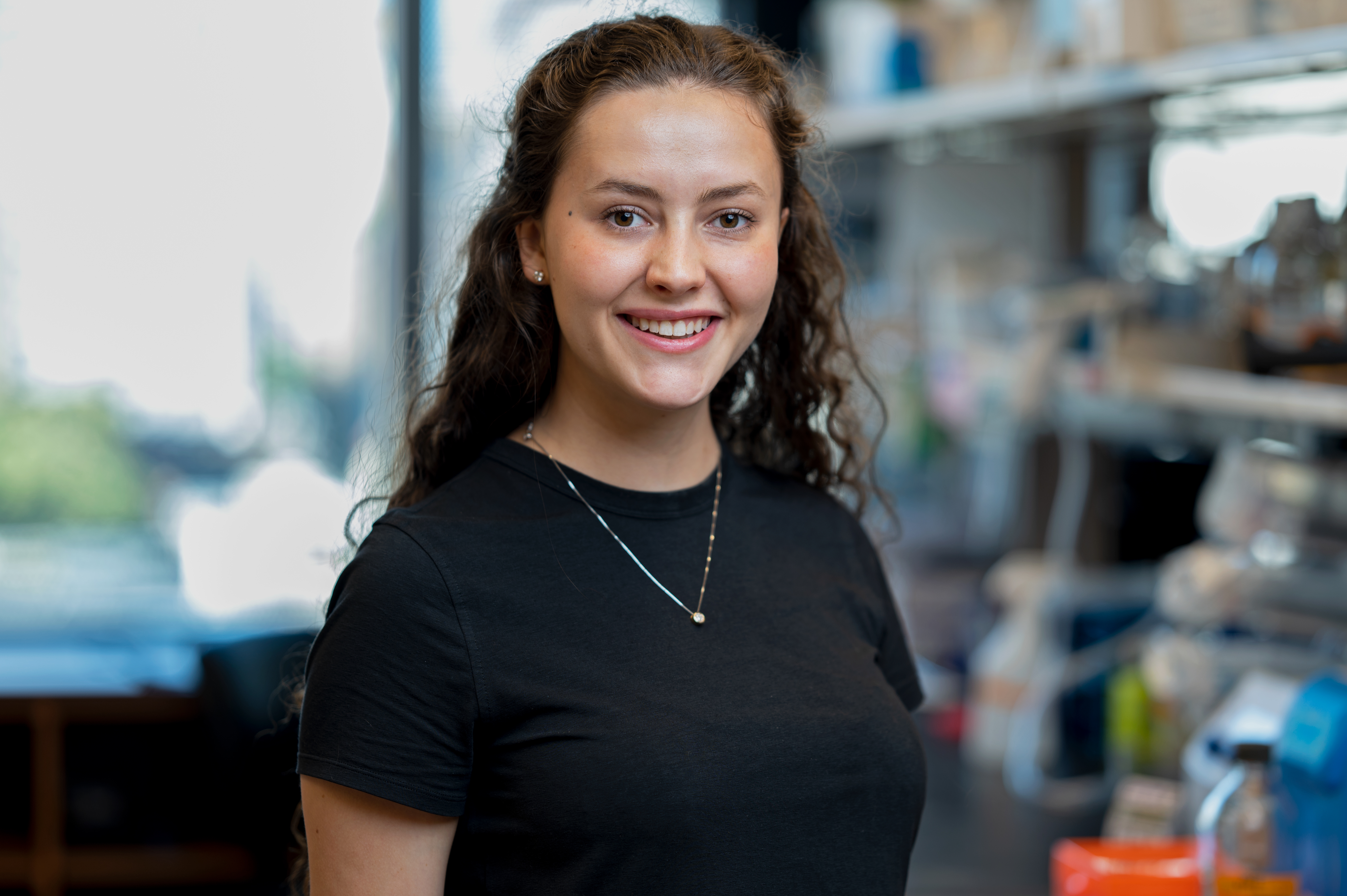
Viral infections can be especially dangerous for patients with cancer. Because of the cancer itself or the treatments used to fight it, patients with cancer often struggle to mount a balanced immune response to infection. Instead of producing a coordinated response that clears the virus and then settles down, their immune systems can become stuck in a state of prolonged inflammation and weak antiviral activity. A key goal of my research in the lab of Santosha Vardhana, MD, PhD, was to understand why this imbalance occurs and to find ways to help patients mount a more balanced immune response.
During my PhD, I analyzed blood samples from patients infected with COVID-19 using several “multi-omic” approaches, which allowed me to gather information about the immune cells, proteins, and metabolites in each sample. Looking at these data, I found that the severity of COVID-19 was associated with increased demand for cysteine, but patients with cancer were unable to meet this demand. Cysteine is an amino acid involved in normal metabolism and regulation of immune responses. This observation suggested that limited cysteine availability might contribute to the immune dysfunction seen in patients with cancer and severe infection.
To test this idea, we set up a clinical trial in which patients with cancer who developed severe treatment-refractory COVID-19 were treated with the cysteine-repleting drug N-acetylcysteine. We found that treatment with N-acetylcysteine improved clinical outcomes compared to similar patients immediately preceding trial initiation. Importantly, this improvement was not explained by differences in viral load. Instead, treatment helped to rebalance the immune system. We saw a decrease in pathologic inflammatory signaling and an increase in the activity of CD8 T cells, which are the primary immune cells responsible for viral clearance. We also observed similar immune changes in mouse models of respiratory infection.
Together, these findings suggest that cysteine availability is an important regulator of immune responses during viral infection. Broadly, this work highlights how metabolism can shape immune function.
Post-PhD graduation, I have returned to medical school to finish my MD/PhD training. My ultimate goal is to become an independent investigator and clinician at an academic medical center.
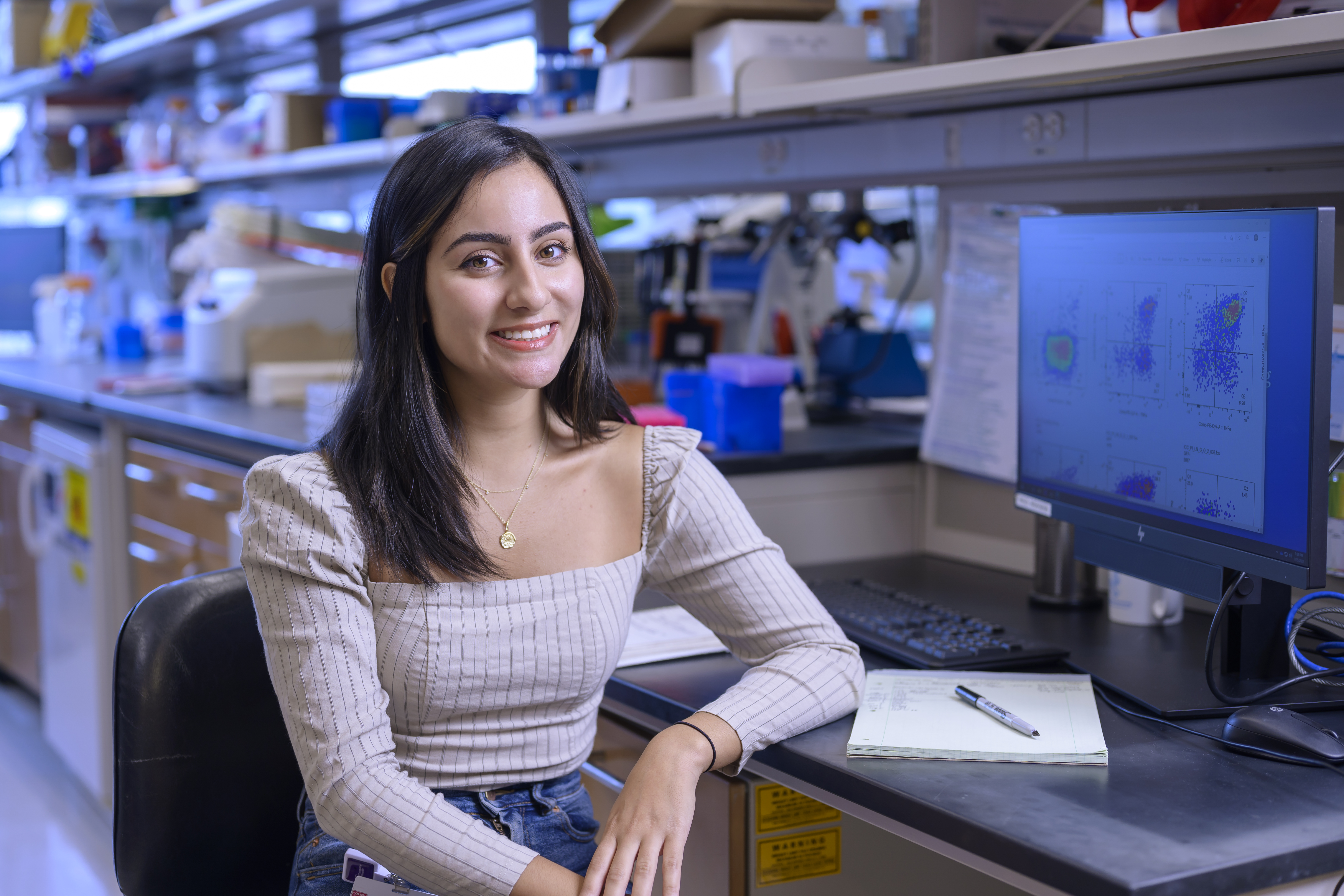
I conducted my thesis work in the lab of Andrea Schietinger, PhD. In the Schietinger lab, we are interested in studying the differentiation of T cells, critical mediators of the adaptive immune response. T cell differentiation is a context-dependent process, allowing for the acquisition of distinct phenotypes and functional profiles depending upon the context of antigen encounter. For example, T cells that receive chronic stimulation in cancer are rendered dysfunctional and incapable of eliciting antitumor responses. Our lab previously identified a novel protein called TOX that is associated with this exhaustion phenotype in cancer-specific CD8+ T cells and is implicated in poorer responses to immunotherapies.
However, the role of TOX in CD4+ T cells has been unclear. We found that TOX expression in CD4+ T cells is associated with a T helper 1 (TH1) phenotype, marked by the production of the critical effector cytokine interferon-γ (IFNγ). Gain-of-function and loss-of-function studies show that TOX induces TH1 cell–associated molecular programs that drive TH1 cell-like phenotypes and IFNγ production in CD4+ T cells. We also analyzed single-cell RNA-sequencing datasets of CD4+ T cells in human disease and found that TOX expression in CD4+ T cells from individuals with cancer was associated with increased cytotoxicity, antitumor immunity, and improved responses to immunotherapy. For patients with autoimmune diseases, TOX was associated with pathogenic CD4+ T cell responses.
Overall, we uncovered distinct functions for TOX in CD4+ and CD8+ T cell subsets: While TOX is associated with CD8+ T cell exhaustion and generally with poor responsiveness to immunotherapy, in CD4+ T cells, TOX drives TH1 cell fate commitment and is associated with antitumor immunity and pathogenic autoimmune responses.
Throughout my PhD, I have had the opportunity to be mentored by, learn from, and collaborate with amazing researchers here at MSK. I am grateful to have been trained by the best and most dedicated mentor. I will bring the lessons I’ve learned here with me as I take my next step and begin my position as a postdoctoral researcher at Yale University starting this summer.
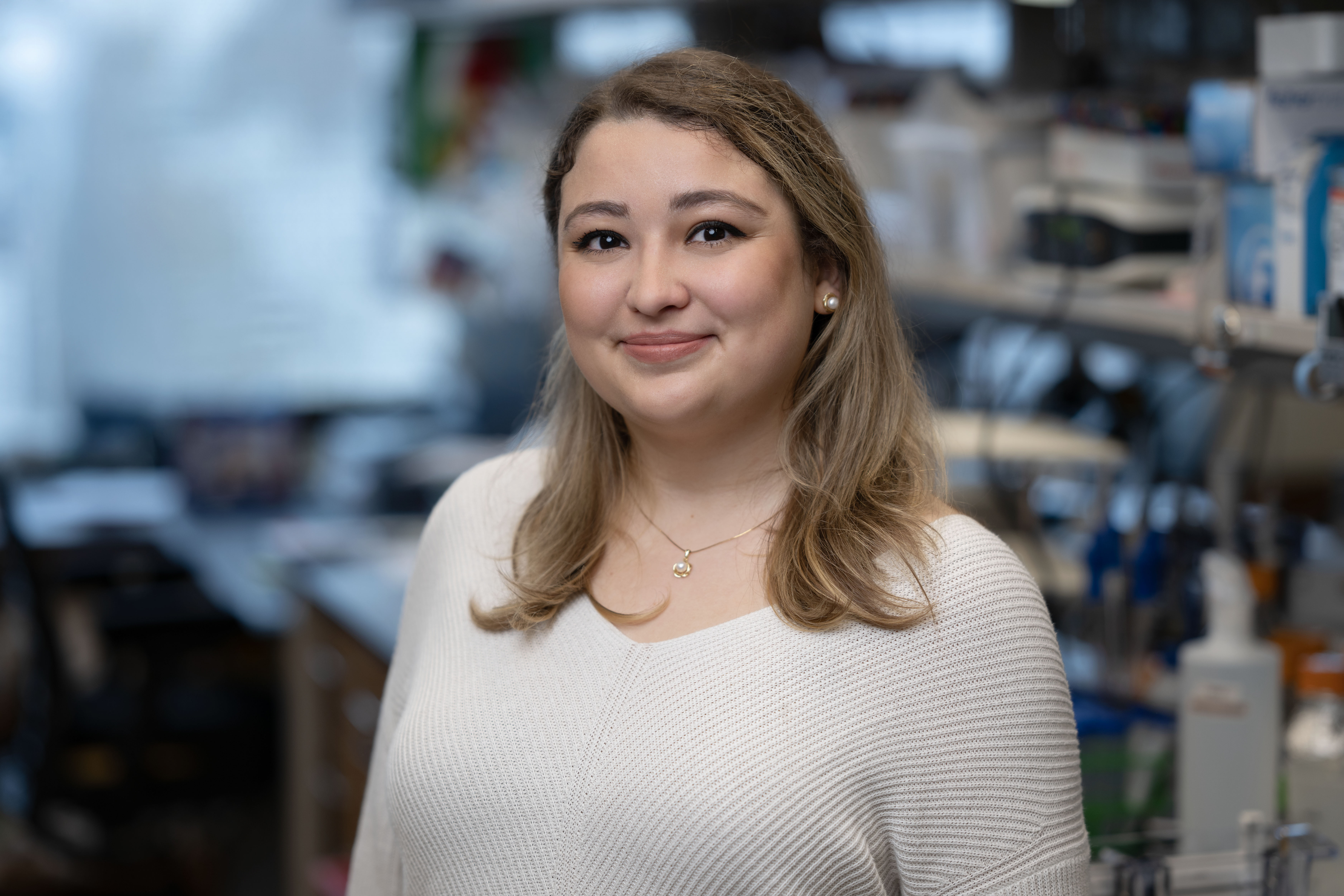
Every time a cell divides, it undergoes a series of dramatic steps not only to duplicate its DNA and internal components but also carefully distribute them between two new, healthy daughter cells. This process, called the cell cycle, is tightly controlled, and any mistakes can lead to disease, such as cancer. While scientists have long understood the role that proteins play in regulating the cell cycle, much less is known about how the cell cycle interacts with RNA, the molecule that carries instructions from the cell’s DNA on how to make proteins. My research contributes to our understanding of how RNA regulation supports successful cell cycle division by focusing on a major RNA quality-control pathway involving the RNA exosome.
The RNA exosome serves as the cell’s RNA recycling and surveillance machinery, identifying and degrading damaged, unnecessary, or improperly timed RNA. Although previous studies have shown this system to be essential to cells and often dysregulated in cancer, its role during cell division remains poorly understood, despite early evidence that disrupting the RNA exosome impairs the cell cycle. I asked how this pathway is controlled or affected by the cell cycle, particularly during mitosis, when the cell physically divides into two cells and reorganizes its contents between them.
We found that the RNA exosome is not constant throughout the cell cycle; rather, at least several components of this pathway are fine-tuned during mitosis through specific chemical modifications, called phosphorylation. While the overall levels of these proteins remain largely unchanged, these modifications act like molecular switches that may alter how the exosome interacts with RNA or other proteins. Our results suggest that careful control of RNA degradation is an important but underappreciated part of successful cell division.
During my PhD research in the lab of Christopher Lima, PhD, I learned to be an independent and resilient scientist, and I came to appreciate how creativity and curiosity strengthen scientific discovery. I’ve carried these lessons with me as I began my postdoctoral research at MSK in the lab of Justin Perry, PhD, where I study the role of macrophages in endometrial cancer, an under-researched disease with fascinating cellular biology at its core.
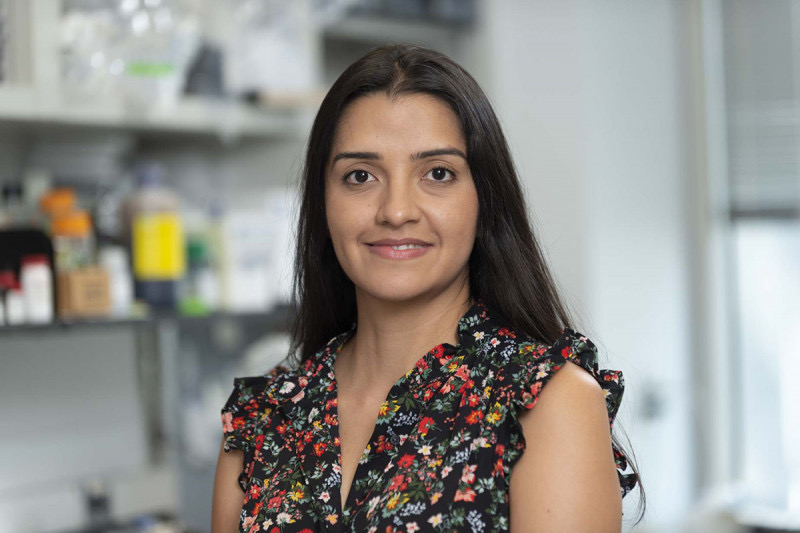
Phosphate is an essential nutrient. Cells use diverse strategies to adapt to external changes and maintain internal phosphate balance through a process called phosphate homeostasis. Fission yeast achieves this balance by modulating the expression of phosphate-acquisition genes. Expression of these genes is governed by transcriptional interference, in which production of an upstream lncRNA blocks downstream gene expression. The extent of interference is controlled at the level of lncRNA 3’ processing and transcription termination by signaling molecules known as inositol pyrophosphates. My dissertation research in the lab of Stewart Shuman, MD, PhD, focused on understanding how the proteins Duf89 and Siw14 contribute to phosphate homeostasis and inositol pyrophosphate metabolism.
I investigated the biochemical and structural properties of Duf89 and uncovered a dual role in phosphate homeostasis and RNA processing. Duf89 is a metal-dependent enzyme that removes phosphate groups from its substrates via a two-step mechanism involving formation and hydrolysis of a covalent intermediate. Functional studies showed that normal phosphate gene expression requires the Duf89 protein, but not its enzymatic activity. I also showed that Duf89 prevents premature lncRNA termination, enabling transcriptional interference. Genetic interactions with the transcription termination machinery suggest that Duf89 plays a broader role in RNA processing, extending beyond phosphate-related genes.
I next characterized Siw14 and revealed its role in inositol pyrophosphate dynamics. In budding yeast and plants, Siw14 enzymes degrade inositol pyrophosphates. I showed that fission yeast Siw14 is a metal-independent phosphatase that acts on inositol pyrophosphates and inorganic polyphosphate in vitro. Previous studies indicated that neither Siw14 nor Aps1, which degrades inositol pyrophosphates, is individually essential for fission yeast viability. I demonstrated that simultaneous deletion of Siw14 and Aps1 causes synthetic lethality, indicating that excess inositol pyrophosphates are toxic and that the two enzymes have redundant functions. Consistent with this, cells lacking Siw14 alone have elevated inositol pyrophosphate levels, supporting the idea that Siw14 modulates the dynamics of these signaling molecules in vivo.
Collectively, my research establishes that Duf89 and Siw14 play distinct roles: Duf89 contributes to phosphate homeostasis by coordinating gene expression, whereas Siw14 controls inositol pyrophosphate dynamics to maintain proper cell function.
My experiences during my PhD helped me grow both scientifically and personally. I am deeply grateful to Dr. Shuman and GSK for their mentorship, guidance, and support, which were essential to my success. After graduation, I will continue at MSK as a postdoctoral fellow in the Shuman lab.
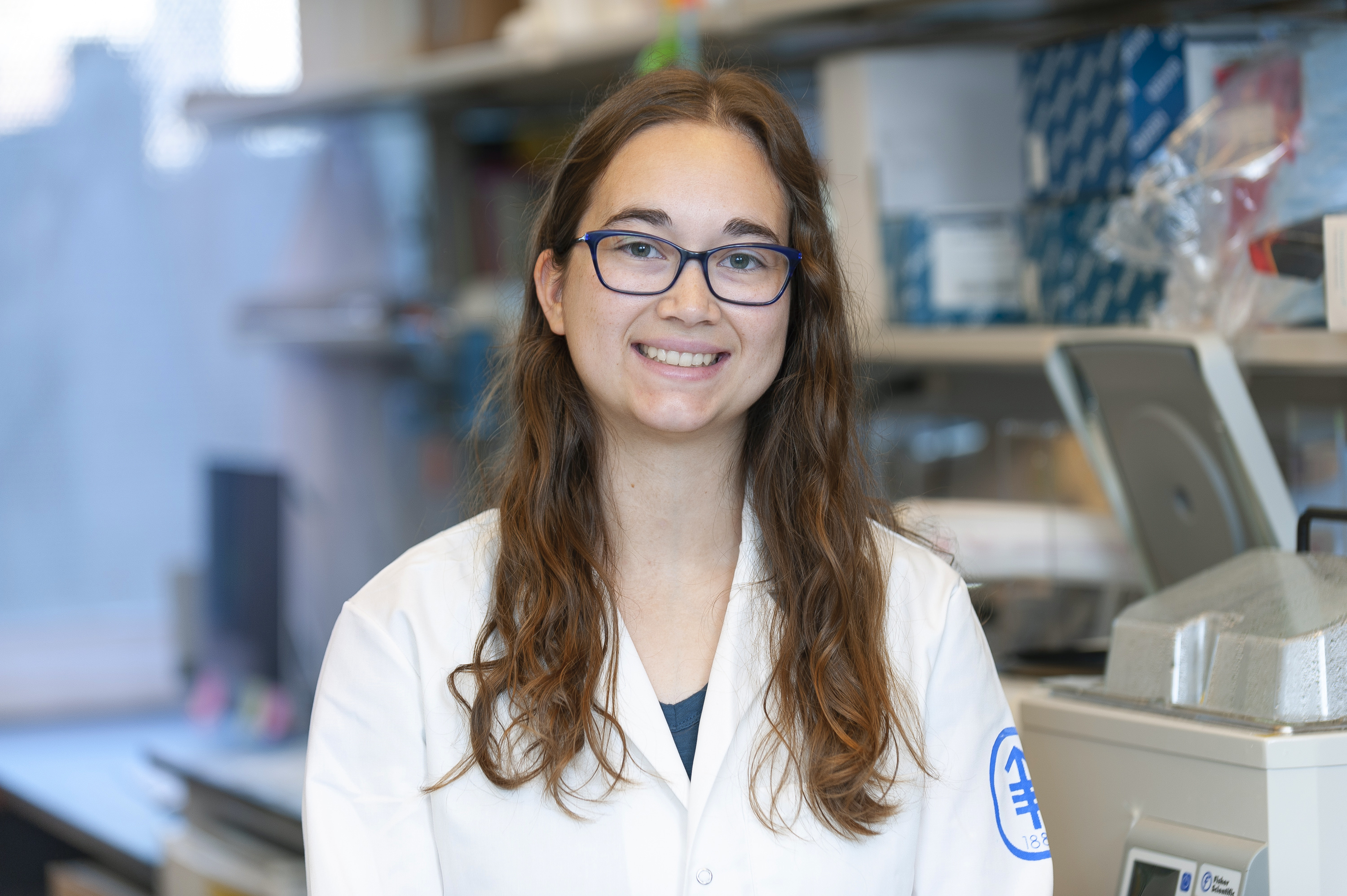
My thesis research in the lab of Adrienne Boire, MD, PhD, focused on leptomeningeal metastasis (LM), the spread of cancer into cerebrospinal fluid (CSF)-filled coverings of the brain and spinal cord. LM commonly comes from primary tumors such as breast cancer, lung cancer, and melanoma, and leads to neurologic disability and death. Much of how cancer grows in the unique microenvironment of the central nervous system remains incompletely understood. My PhD research aimed to investigate the mechanisms in which cancer cells communicate with the host leptomeningeal fibroblasts (LMFs) and characterize how these fibroblasts change and promote cancer growth.
To start my project, I was interested in the highly inflammatory nature of LM. Proteomic analysis of patient CSF samples showed that many inflammatory proteins were enriched in LM-positive CSF compared with LM-negative CSF. By co-culturing cells that make up the environment of the leptomeninges and central nervous system with LM cancer cells, I found that LMFs, which cover the surface of the brain and spinal cord, became very inflammatory in the presence of cancer. Functionally, I found that these LMFs do this by activation from cancer cells adapting their signaling through the WNT and STAT pathways.
To better understand LMFs in LM, I used mouse models of LM and primary tumors to collect LMFs as well as fibroblasts from primary tumor sites for sequencing. This allowed us to compare the LMFs to other cell types and see that they are transcriptionally distinct from classical pancreatic, lung, and mammary fat pad fibroblasts. We found that LMFs separate into two subpopulations that have unique roles in responding to cancer.
My experiences conducting research in the Boire lab and learning in the GSK program have made me very grateful for the community here. I have collaborated with amazing scientists and have been exposed to a great variety of science here. After the defense of my thesis, I will continue my project in the Boire lab as a postdoctoral research scholar before pursuing a career in oncology research and development.
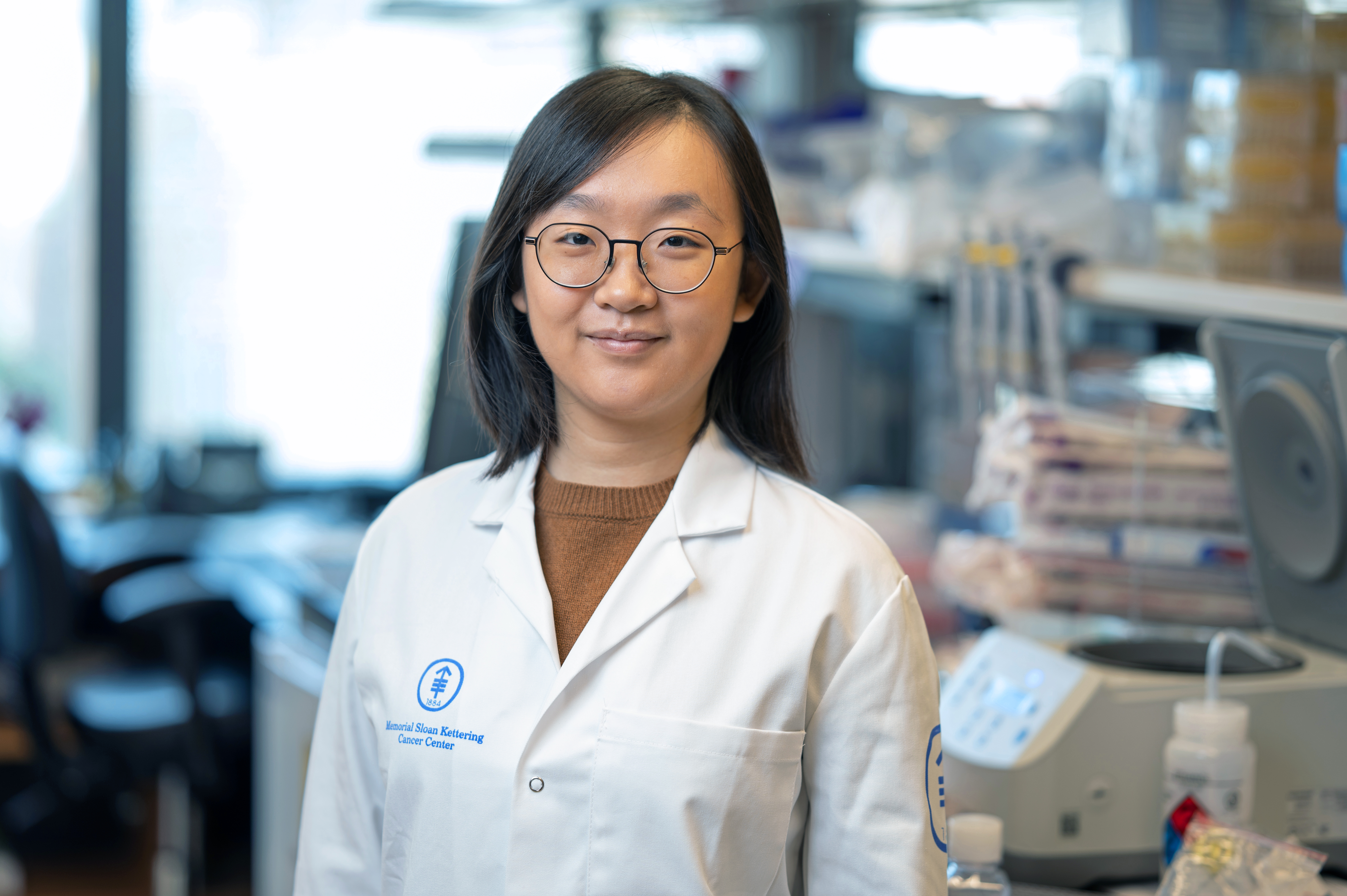
I conducted my thesis research in the lab of Thomas Norman, PhD, developing new methods to systematically map how genes work together. Genes don’t function in isolation. They form partnerships and compensatory mechanisms. Understanding these genetic interactions is fundamental to understanding how cells work and identifying therapeutic vulnerabilities. Synthetic lethal interactions, where blocking two genes together is lethal while blocking either alone is not, can reveal cancer-specific dependencies that can be exploited therapeutically.
Existing approaches face significant bottlenecks. Measuring genetic interactions at scale requires testing millions of combinations, making traditional methods prohibitively inefficient. Building the complex libraries needed for such screens is also limited by bacterial transformation, which cannot handle the diversity required for comprehensive mapping.
I developed PORTAL (Perturbation Output via Reporter Transcriptional Activity in Lineages), a method that combines molecular barcoding, CRISPR perturbation, and a reporter system to enable measurement of millions of gene pairs with lineage-level resolution. To overcome the diversity bottleneck, I also developed CAP (Covalently closed Assembly Products), which bypasses bacterial transformation using molecular biology reactions to build the complex lentiviral libraries needed for PORTAL.
Using PORTAL and CAP, I mapped genetic interactions across 665,856 pairs of perturbations. The data allowed us to build patterns in how genes work together: Some genes show redundancy, while others work synergistically. These patterns clustered genes by their functional roles, revealing the organization of cellular processes and recapitulating subcomplex membership based on interaction profiles. I further demonstrated that computational approaches could reconstruct interaction patterns from limited data, potentially reducing the experimental scale needed for ultracomplex GI mapping. A hybrid approach combining PORTAL measurements with computational reconstruction may enable comprehensive genetic interaction mapping among all expressed genes.
In a complementary project, I investigated what determines whether genes can be activated using CRISPR activation technology. I found that chromatin features predict activation susceptibility and that these rules are conserved across cell types, providing design principles for gene activation experiments. I also analyzed transcriptional responses to systematic transcription factor activation and showed that responses are largely divergent across cell types, with only a small subset of regulatory programs being conserved.
After graduation, I will join Tempus AI as a bioinformatics scientist on the liquid biopsy team, where I hope to apply my experience in method development and large-scale data analysis to cancer diagnostics.
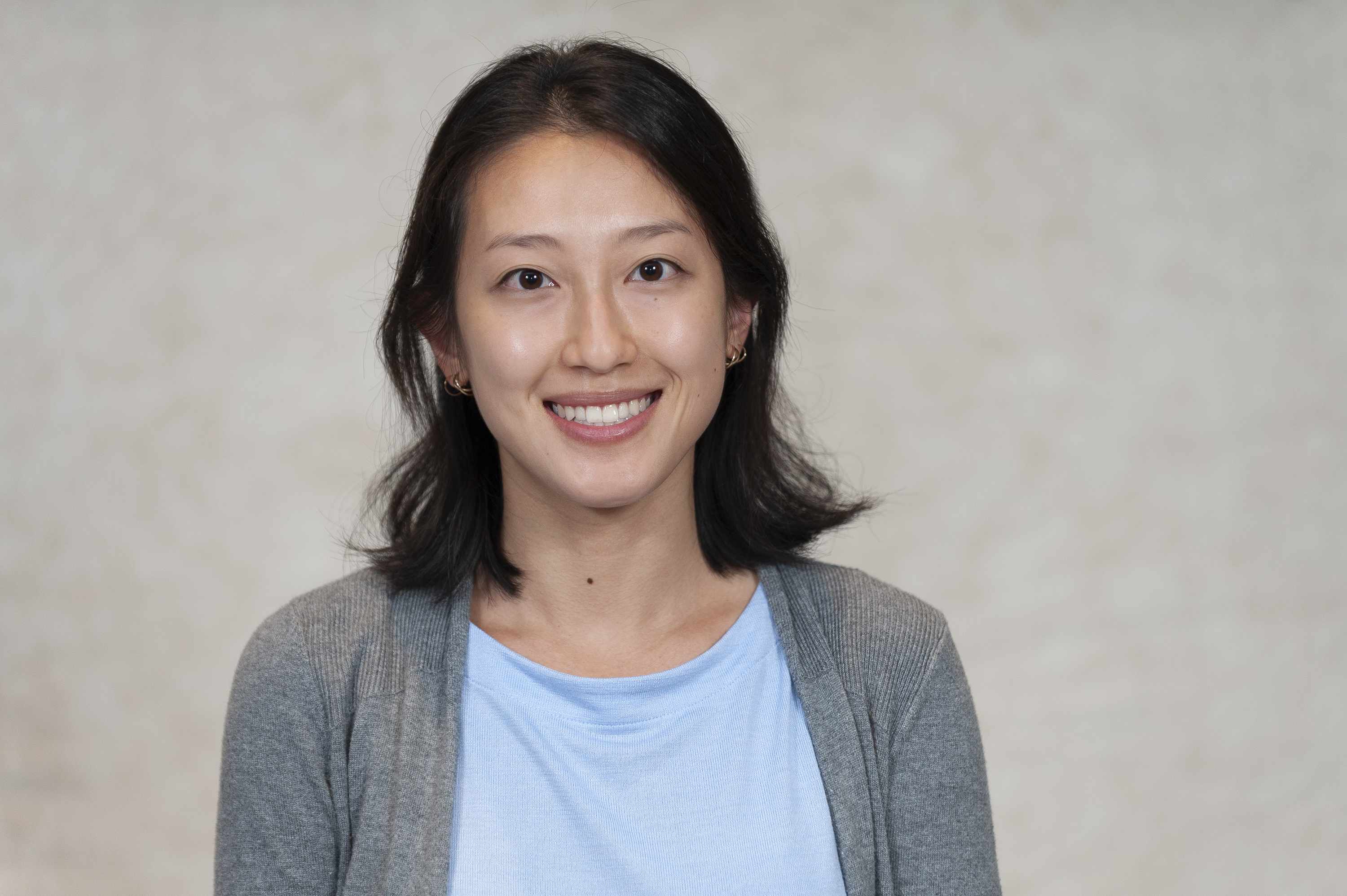
My dissertation work, completed in the lab of Lydia Finley, PhD, focused on elucidating the determinants of cellular dependency on metabolic pathways. Specifically, I was interested in the tricarboxylic acid (TCA) cycle, a mitochondrial metabolic network conventionally viewed as a major cellular supplier of energy. Recent work in the cellular metabolism field, as well as the increasingly documented diversity in human disease arising from deficiencies in different TCA cycle genes, collectively suggest that the TCA cycle actually may serve context-specific, cell-dependent roles.
We set out to identify drivers of cellular usage of and dependency on the TCA cycle, with a specific focus on aconitase 2 (ACO2), an enzyme that catalyzes citrate conversion to isocitrate in the pathway. Across non-small cell lung cancer cell lines, hepatocellular carcinoma cells, mouse embryonic stem cells, and a novel mouse model of inducible whole-body ACO2 deletion, we discovered a common theme — that cell growth and fitness depends on ACO2 specifically under high nutrient conditions, when excess substrate enters the TCA cycle and produces high levels of citrate. Thus, we demonstrated that a novel, essential function of ACO2 in the TCA cycle is the clearance of citrate. This work suggests the TCA cycle is not just important for providing key precursor metabolites and energy, but also for preventing the buildup of potentially detrimental metabolites.
My work in the Finley lab has raised many interesting questions for me regarding the multifactorial functions metabolic pathways play in physiology and in disease. Moving forward, I plan to complete my medical training and to pursue research on how metabolism drives cancer through residency and beyond. My training here at GSK has helped me develop my skills and interest in investigating basic mechanistic cell biology questions, which I hope to combine with my clinical training in the future to better understand metabolic mechanisms driving human disease.
Meiosis is the special cell division that makes eggs and sperm. To shuffle DNA between parents and help chromosomes separate correctly, cells intentionally create tiny “cuts” in DNA called double-strand breaks. These breaks are made by a protein called SPO11. The challenge is that double-strand breaks are inherently dangerous: If they happen at the wrong time or place, they can damage the genome and create mutations.
My dissertation work in the lab of Scott Keeney, PhD, asked a simple question: How does SPO11 cut DNA, and how do cells keep this risky enzyme under control? To answer this, we purified mouse SPO11 together with its partner protein TOP6BL and rebuilt the DNA-cutting reaction in a test tube. This was a key step because SPO11 had been studied for decades, but researchers could not directly watch it cut DNA with purified components. We found that SPO11–TOP6BL usually exists as a single unit that binds DNA very tightly, but efficient cutting happens only when two units come together as a pair. We also found SPO11 can sometimes make a single-strand “nick” and even reseal DNA, and that it prefers certain DNA sequences and shapes.
Together, these findings support a model in which SPO11 is built with an “intrinsic safety switch”: It does not readily form the active pair needed to cut both DNA strands. Instead, cells likely rely on additional helper proteins to bring SPO11 molecules together at the right time and place. This helps ensure cells get the benefits of DNA breaks for healthy reproduction while minimizing harmful genome damage — an important principle because failures in DNA break control and repair are closely linked to genome instability, a hallmark of cancer.
Post-PhD, I plan to build a career in biotech/pharma by translating my training in mechanistic biology and quantitative experiments into drug discovery and development. I’m currently doing this as a scientist in the Protein Science group at Juvena Therapeutics, where we develop drugs based on secreted proteins. My graduate training at GSK and MSK taught me to be disciplined about evidence: Define a clear question, build the right controls, and troubleshoot methodically until the data are trustworthy. It also taught me to embrace iteration. Most progress comes from many small improvements rather than one big “aha.” Finally, I learned the value of collaboration and communication: Complex problems move faster when you share context early, document decisions, and align on what “good enough” looks like for the next step.