ਇਹ ਗਾਈਡ ਤੁਹਾਨੂੰ MSK ਵਿਚ ਹੋਣ ਵਾਲੀ ਤੁਹਾਡੀ ਲਾਰ ਗ੍ਰੰਥੀ ਦੀ ਸਰਜਰੀ ਲਈ ਤਿਆਰ ਹੋਣ ਵਿੱਚ ਮਦਦ ਕਰੇਗਾ। ਇਹ ਤੁਹਾਡੀ ਇਹ ਜਾਣਨ ਵਿੱਚ ਵੀ ਮਦਦ ਕਰੇਗਾ ਕਿ ਸਰਜਰੀ ਤੋਂ ਬਾਅਦ ਠੀਕ ਹੋਣ ਦੇ ਸਮੇਂ ਦੌਰਾਨ ਤੁਸੀਂ ਕੀ ਉਮੀਦ ਕਰ ਸਕਦੇ ਹੋ।
ਆਪਣੀ ਸਰਜਰੀ ਤੋਂ ਪਹਿਲਾਂ ਦੇ ਦਿਨਾਂ ਵਿੱਚ ਇਸ ਗਾਈਡ ਨੂੰ ਜਾਣਕਾਰੀ ਦੇ ਸਰੋਤ ਵਜੋਂ ਵਰਤੋ। ਆਪਣੀ ਸਰਜਰੀ ਵਾਲੇ ਦਿਨ ਇਸ ਨੂੰ ਆਪਣੇ ਨਾਲ ਲਿਆਓ। ਜਿਵੇਂ-ਜਿਵੇਂ ਤੁਸੀਂ ਆਪਣੀ ਸਰਜਰੀ ਬਾਰੇ ਹੋਰ ਜਾਣਕਾਰੀ ਪ੍ਰਾਪਤ ਕਰਦੇ ਜਾਵੋਗੇ, ਤੁਸੀਂ ਅਤੇ ਤੁਹਾਡੀ ਦੇਖਭਾਲ ਟੀਮ ਇਸ ਗਾਈਡ ਦੀ ਵਰਤੋਂ ਕਰੋਗੇ
ਤੁਹਾਡੀ ਸਰਜਰੀ ਬਾਰੇ
ਤੁਹਾਡੀਆਂ ਲਾਰ ਗ੍ਰੰਥੀਆਂ ਬਾਰੇ
ਤੁਹਾਡੀਆਂ ਲਾਰ ਗ੍ਰੰਥੀਆਂ ਲਾਰ (ਥੁੱਕ) ਬਣਾਉਂਦੀਆਂ ਹਨ, ਜੋ ਭੋਜਨ ਨੂੰ ਹਜ਼ਮ ਕਰਨ ਵਿੱਚ ਤੁਹਾਡੇ ਸਰੀਰ ਦੀ ਮਦਦ ਕਰਦੀ ਹੈ ਅਤੇ ਤੁਹਾਡੇ ਮੂੰਹ ਨੂੰ ਨਮੀ ਵਾਲਾ ਰੱਖਦੀ ਹੈ। ਤੁਹਾਡੀ ਜ਼ਿਆਦਾਤਰ ਲਾਰ ਤੁਹਾਡੀਆਂ ਪੈਰੋਟਿਡ, ਸਬਮੈਂਡੀਬੂਲਰ, ਅਤੇ ਸਬਲਿੰਗੁਅਲ ਗ੍ਰੰਥੀਆਂ ਤੋਂ ਬਣਦੀ ਹੈ (ਚਿੱਤਰ 1 ਵੇਖੋ)। ਤੁਹਾਡੇ ਮੂੰਹ ਵਿੱਚ ਸੈਂਕੜੇ ਛੋਟੀਆਂ ਲਾਰ ਗ੍ਰੰਥੀਆਂ ਵੀ ਮੌਜੂਦ ਹੁੰਦੀਆਂ ਹਨ। ਇਹ ਤੁਹਾਡੇ ਮੂੰਹ ਅਤੇ ਗਲੇ ਦੀ ਅੰਦਰਲੀ ਪਰਤ ਬਣਾਉਣ ਵਾਲੀਆਂ ਝਿੱਲੀਆਂ ਦੇ ਹੇਠਾਂ ਸਥਿਤ ਹੁੰਦੀਆਂ ਹਨ।
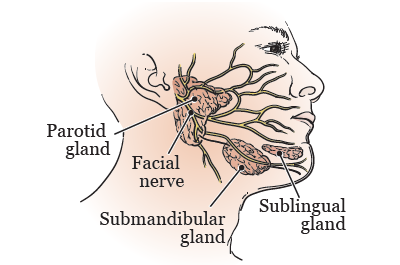
ਪੈਰੋਟਿਡ ਗ੍ਰੰਥੀਆਂ
ਤੁਹਾਡੇ ਚਿਹਰੇ ਦੀ ਨਸ ਤੁਹਾਡੀਆਂ ਪੈਰੋਟਿਡ ਗ੍ਰੰਥੀਆਂ ਵਿੱਚੋਂ ਲੰਘਦੀ ਹੈ। ਇਹ ਨਸ ਤੁਹਾਡੇ ਚਿਹਰੇ ਦੀਆਂ ਮਾਸਪੇਸ਼ੀਆਂ ਨੂੰ ਕੰਟਰੋਲ ਕਰਦੀ ਹੈ। ਇਹ ਮਾਸਪੇਸ਼ੀਆਂ ਤੁਹਾਨੂੰ ਆਪਣੇ ਭਰਵੱਟੇ ਚੁੱਕਣ, ਪਲਕਾਂ ਬੰਦ ਕਰਨ ਅਤੇ ਮੁਸਕਰਾਉਣ ਵਰਗੀਆਂ ਹਰਕਤਾਂ ਕਰਨ ਦਿੰਦੀਆਂ ਹਨ। ਪੈਰੋਟਿਡ ਗਲੈਂਡ ਵਿੱਚ ਪਾਏ ਜਾਣ ਵਾਲੇ ਜ਼ਿਆਦਾਤਰ ਟਿਊਮਰ ਸੁਭਾਵਕ (ਕੈਂਸਰ-ਵਾਲੇ ਨਹੀਂ) ਹੁੰਦੇ ਹਨ।
ਸਬਮੈਂਡੀਬੂਲਰ ਗ੍ਰੰਥੀਆਂ
ਤੁਹਾਡੀਆਂ ਸਬਮੈਂਡੀਬਿਊਲਰ ਗ੍ਰੰਥੀਆਂ ਤੁਹਾਡੀਆਂ ਲਾਰ ਗ੍ਰੰਥੀਆਂ ਵਿੱਚੋਂ ਆਕਾਰ ਵਿੱਚ ਦੂਜੀਆਂ ਸਭ ਤੋਂ ਵੱਡੀਆਂ ਗ੍ਰੰਥੀਆਂ ਹਨ ਇਹ ਤੁਹਾਡੇ ਮੈਨਡੀਬਲ (ਹੇਠਲੇ ਜਬਾੜੇ ਦੀ ਹੱਡੀ) ਦੇ ਹੇਠਾਂ ਸਥਿਤ ਹੁੰਦੀਆਂ ਹਨ (ਚਿੱਤਰ 1 ਵੇਖੋ)। ਸਬਮੈਂਡੀਬਿਊਲਰ ਗ੍ਰੰਥੀ ਵਿੱਚ ਪਾਏ ਜਾਣ ਵਾਲੇ ਜ਼ਿਆਦਾਤਰ ਟਿਊਮਰ ਸੁਭਾਵਕ ਹੁੰਦੇ ਹਨ।
ਸਬਲਿੰਗੁਅਲ ਗ੍ਰੰਥੀਆਂ
ਸਬਲਿੰਗੁਅਲ ਗ੍ਰੰਥੀਆਂ ਤੁਹਾਡੀਆਂ ਲਾਰ ਗ੍ਰੰਥੀਆਂ ਵਿੱਚੋਂ ਆਕਾਰ ਵਿਚ ਸਭ ਤੋਂ ਛੋਟੀਆਂ ਹੁੰਦੀਆਂ ਹਨ। ਇਹ ਤੁਹਾਡੀ ਜੀਭ ਦੇ ਦੋਵੇਂ ਪਾਸੇ, ਮੂੰਹ ਦੇ ਹੇਠਲੇ ਹਿੱਸੇ ਵਿੱਚ ਸਥਿਤ ਹੁੰਦੀਆਂ ਹਨ (ਚਿੱਤਰ 1 ਵੇਖੋ)। ਸਬਲਿੰਗੁਅਲ ਗ੍ਰੰਥੀ ਵਿੱਚ ਪਾਏ ਜਾਣ ਵਾਲੇ ਜ਼ਿਆਦਾਤਰ ਟਿਊਮਰ ਸੁਭਾਵਕ ਹੁੰਦੇ ਹਨ।
ਲਾਰ ਗ੍ਰੰਥੀ ਦੀ ਸਰਜਰੀ ਬਾਰੇ
ਤੁਸੀਂ ਆਪਣੀ ਸਰਜਰੀ ਤੋਂ ਬਾਅਦ ਵੀ ਲਾਰ (ਥੁੱਕ) ਬਣਾ ਸਕੋਗੇ।
ਤੁਹਾਡੀ ਸਰਜਰੀ ਕਿਹੜੀ ਕਿਸਮ ਦੀ ਹੋਵੇਗੀ, ਇਹ ਇਸ ਗੱਲ ’ਤੇ ਨਿਰਭਰ ਕਰਦਾ ਹੈ ਕਿ ਤੁਹਾਡੀਆਂ ਲਾਰ ਗ੍ਰੰਥੀਆਂ ਵਿੱਚ ਟਿਊਮਰ ਕਿੱਥੇ ਸਥਿਤ ਹਨ। ਤੁਹਾਡਾ ਸਰਜਨ ਤੁਹਾਨੂੰ ਦੱਸੇਗਾ ਕਿ ਤੁਸੀਂ ਕਿਹੜੀ ਸਰਜਰੀ ਕਰਵਾ ਰਹੇ ਹੋ। ਹੇਠਾਂ ਸਰਜਰੀ ਦੀਆਂ ਵੱਖ-ਵੱਖ ਕਿਸਮਾਂ ਦੇ ਵੇਰਵੇ ਦਿੱਤੇ ਗਏ ਹਨ:
ਪੈਰੋਟਿਡ ਗ੍ਰੰਥੀ ਦੀ ਸਰਜਰੀ
ਲਾਰ ਗ੍ਰੰਥੀਆਂ ਵਿੱਚ ਹੋਣ ਵਾਲੇ ਟਿਊਮਰਾਂ ਵਿੱਚੋਂ ਪੈਰੋਟਿਡ ਗ੍ਰੰਥੀ ਦੇ ਟਿਊਮਰ ਸਭ ਤੋਂ ਆਮ ਕਿਸਮ ਦੇ ਹੁੰਦੇ ਹਨ। ਪੈਰੋਟਿਡ ਗ੍ਰੰਥੀ ਦੇ ਟਿਊਮਰਾਂ ਦੀਆਂ 2 ਕਿਸਮਾਂ ਹੁੰਦੀਆਂ ਹਨ:
- ਇੱਕ ਸਤਹੀ ਪੈਰੋਟਿਡ ਗ੍ਰੰਥੀ ਦਾ ਟਿਊਮਰ ਪੈਰੋਟਿਡ ਗ੍ਰੰਥੀ ਦੇ ਉਸ ਹਿੱਸੇ ਵਿੱਚ ਵਿਕਸਤ ਹੁੰਦਾ ਹੈ ਜੋ ਤੁਹਾਡੇ ਚਿਹਰੇ ਦੀ ਨਸ ਦੇ ਉੱਪਰ ਹੁੰਦਾ ਹੈ।
- ਇੱਕ ਡੂੰਘੀ ਲੋਬ ਪੈਰੋਟਿਡ ਗ੍ਰੰਥੀ ਦਾ ਟਿਊਮਰ ਪੈਰੋਟਿਡ ਗ੍ਰੰਥੀ ਦੇ ਉਸ ਹਿੱਸੇ ਵਿੱਚ ਵਿਕਸਤ ਹੁੰਦਾ ਹੈ ਜੋ ਤੁਹਾਡੇ ਚਿਹਰੇ ਦੀ ਨਸ ਦੇ ਹੇਠਾਂ ਹੁੰਦਾ ਹੈ।
ਪੈਰੋਟਿਡ ਗ੍ਰੰਥੀ ਦੇ ਟਿਊਮਰ ਦੇ ਇਲਾਜ ਲਈ ਸਰਜਰੀ ਬੜੇ ਧਿਆਨ ਨਾਲ ਕੀਤੀ ਜਾਂਦੀ ਹੈ। ਸਰਜਰੀ ਦੌਰਾਨ ਤੁਹਾਡੇ ਚਿਹਰੇ ਦੀ ਨਸ ਨੂੰ ਸੁਰੱਖਿਅਤ ਰੱਖਣਾ ਲਾਜ਼ਮੀ ਹੁੰਦਾ ਹੈ। ਟੀਚਾ ਇਹ ਹੁੰਦਾ ਹੈ ਕਿ ਚਿਹਰੇ ਦੀ ਨਸ ਨੂੰ ਨੁਕਸਾਨ ਪਹੁੰਚਾਏ ਬਿਨਾਂ ਟਿਊਮਰ ਨੂੰ ਪੂਰੀ ਤਰ੍ਹਾਂ ਕੱਢ ਦਿੱਤਾ ਜਾਵੇ।
ਤੁਹਾਡਾ ਸਰਜਨ ਤੁਹਾਡੇ ਚਿਹਰੇ ਦੀ ਨਸ ਦਾ ਪਤਾ ਲਗਾਉਣ ਲਈ ਇੱਕ ਨਰਵ ਮਾਨੀਟਰ ਦੀ ਵਰਤੋਂ ਕਰੇਗਾ। ਫਿਰ ਉਹ ਤੁਹਾਡੇ ਕੰਨ ਦੇ ਅੱਗਲੇ ਹਿੱਸੇ ਤੋਂ ਸ਼ੁਰੂ ਕਰ ਕੇ ਗਰਦਨ ਤੱਕ ਇੱਕ ਚੀਰਾ (ਸਰਜਰੀ ਲਈ ਕੱਟ) ਲਗਾਉਣਗੇ। ਉਹ ਤੁਹਾਡੇ ਚਿਹਰੇ ਦੀ ਨਸ ਅਤੇ ਇਸ ਦੀਆਂ ਸ਼ਾਖਾਵਾਂ ਨੂੰ ਤੁਹਾਡੇ ਪੈਰੋਟਿਡ ਗ੍ਰੰਥੀ ਦੇ ਟਿਊਮਰ ਤੋਂ ਵੱਖ ਕਰ ਦੇਣਗੇ। ਤੁਹਾਡਾ ਸਰਜਨ ਪੈਰੋਟਿਡ ਗ੍ਰੰਥੀ ਦੇ ਟਿਊਮਰ ਨੂੰ ਕੱਢ ਦੇਵੇਗਾ ਅਤੇ ਇਸ ਨੂੰ ਪੈਥੋਲੋਜੀ ਵਿਭਾਗ ਵਿਚ ਇਹ ਦੇਖਣ ਲਈ ਭੇਜੇਗਾ ਕਿ ਇਸ ਵਿੱਚ ਕੈਂਸਰ ਦੇ ਸੈੱਲ ਹਨ ਜਾਂ ਨਹੀਂ। ਫਿਰ ਉਹ ਤੁਹਾਡੇ ਚੀਰੇ ਉੱਤੇ ਟਾਂਕੇ ਲਾ ਕੇ ਉਸ ਨੂੰ ਬੰਦ ਕਰ ਦੇਣਗੇ।
ਸਬਮੈਂਡੀਬੂਲਰ ਗ੍ਰੰਥੀ ਦੀ ਸਰਜਰੀ
ਤੁਹਾਡਾ ਸਰਜਨ ਤੁਹਾਡੀ ਗਰਦਨ ਦੇ ਉੱਪਰਲੇ ਹਿੱਸੇ ਵਿੱਚ, ਤੁਹਾਡੇ ਜਬਾੜੇ ਦੇ ਨਾਲ-ਨਾਲ ਇੱਕ ਚੀਰਾ ਲਗਾਏਗਾ। ਉਹ ਇਸ ਚੀਰੇ ਰਾਹੀਂ ਟਿਊਮਰ ਨੂੰ ਕੱਢ ਦੇਣਗੇ ਅਤੇ ਇਸ ਨੂੰ ਪੈਥੋਲੋਜੀ ਵਿਭਾਗ ਵਿਚ ਇਹ ਦੇਖਣ ਲਈ ਭੇਜਣਗੇ ਕਿ ਇਸ ਵਿੱਚ ਕੈਂਸਰ ਦੇ ਸੈੱਲ ਹਨ ਜਾਂ ਨਹੀਂ। ਫਿਰ, ਉਹ ਤੁਹਾਡੇ ਚੀਰੇ ਨੂੰ ਟਾਂਕਿਆਂ ਜਾਂ ਸਟੀਰੀ-ਸਟ੍ਰਿਪਸ™ (ਸਰਜੀਕਲ ਟੇਪ) ਨਾਲ ਬੰਦ ਕਰ ਦੇਣਗੇ।
ਸਬਲਿੰਗੁਅਲ ਗ੍ਰੰਥੀ ਦੀ ਸਰਜਰੀ
ਸਬਲਿੰਗੁਅਲ ਗ੍ਰੰਥੀ ਦੇ ਟਿਊਮਰ ਬਹੁਤ ਹੀ ਘੱਟ ਹੁੰਦੇ ਹਨ। ਤੁਹਾਡਾ ਸਰਜਨ ਤੁਹਾਨੂੰ ਇਸ ਟਿਊਮਰ ਦੇ ਇਲਾਜ ਲਈ ਉਪਲਬਧ ਵੱਖ-ਵੱਖ ਵਿਕਲਪਾਂ ਬਾਰੇ ਦੱਸੇਗਾ।
ਸਰਜਰੀ ਤੋਂ ਬਾਅਦ ਚਿਹਰੇ ਵਿੱਚ ਹੋਣ ਵਾਲੇ ਬਦਲਾਅ
- ਸਰਜਰੀ ਤੋਂ ਬਾਅਦ ਤੁਹਾਡੇ ਚਿਹਰੇ ਵਿੱਚ ਕੁਝ ਬਦਲਾਅ ਆ ਸਕਦੇ ਹਨ। ਇਨ੍ਹਾਂ ਬਦਲਾਵਾਂ ਦੀ ਕਿਸਮ ਇਸ ਗੱਲ ’ਤੇ ਨਿਰਭਰ ਕਰਦੀ ਹੈ ਕਿ ਤੁਹਾਡੀ ਕਿਹੜੀ ਸਰਜਰੀ ਹੋਈ ਹੈ। ਤੁਹਾਡੇ ਡਾਕਟਰ ਅਤੇ ਨਰਸ ਤੁਹਾਡੇ ਨਾਲ ਇਸ ਬਾਰੇ ਗੱਲ ਕਰਨਗੇ ਕਿ ਤੁਸੀਂ ਕੀ ਉਮੀਦ ਕਰਨੀ ਹੈ।
- ਸਰਜਰੀ ਤੋਂ ਬਾਅਦ ਸ਼ਾਇਦ ਤੁਹਾਡੇ ਚਿਹਰੇ ਦੀਆਂ ਮਾਸਪੇਸ਼ੀਆਂ ਵਿੱਚ ਥੋੜ੍ਹੀ-ਬਹੁਤੀ ਕਮਜ਼ੋਰੀ ਆ ਜਾਵੇ। ਇਹ ਇਸ ਲਈ ਹੈ ਕਿਉਂਕਿ ਤੁਹਾਡੀ ਸਰਜਰੀ ਦੌਰਾਨ ਤੁਹਾਡੇ ਚਿਹਰੇ ਦੀ ਨਸ ਵਿੱਚ ਜਲਣ ਹੋਈ ਸੀ। ਬਦਕਿਸਮਤੀ ਨਾਲ, ਅਸੀਂ ਇਸ ਨੂੰ ਪੂਰੀ ਤਰ੍ਹਾਂ ਰੋਕ ਨਹੀਂ ਸਕਦੇ। ਚਿਹਰੇ ਦੀ ਕਮਜ਼ੋਰੀ ਆਮ ਤੌਰ ’ਤੇ ਘੱਟ ਹੁੰਦੀ ਹੈ ਅਤੇ ਹਫ਼ਤਿਆਂ ਜਾਂ ਮਹੀਨਿਆਂ ਵਿੱਚ ਠੀਕ ਹੋ ਜਾਂਦੀ ਹੈ। ਜੇ ਤੁਹਾਨੂੰ ਚਿਹਰੇ ਵਿੱਚ ਕਮਜ਼ੋਰੀ ਮਹਿਸੂਸ ਹੋਵੇ, ਤਾਂ ਆਪਣੀ ਨਰਸ ਨੂੰ ਦੱਸੋ। ਉਹ ਤੁਹਾਨੂੰ ਫਿਜ਼ੀਕਲ ਥੈਰਾਪਿਸਟ (ਸਰੀਰਕ ਥੈਰਪੀ ਮਾਹਿਰ) ਕੋਲ ਭੇਜ ਸਕਦੇ ਹਨ।
- ਤੁਹਾਡੇ ਹੇਠਲੇ ਬੁੱਲ੍ਹਾਂ ਵਿੱਚ ਥੋੜ੍ਹੀ-ਬਹੁਤੀ ਕਮਜ਼ੋਰੀ ਹੋ ਸਕਦੀ ਹੈ ਜਿਸ ਕਰਕੇ ਤੁਹਾਡੀ ਮੁਸਕਰਾਹਟ ਪ੍ਰਭਾਵਿਤ ਹੋ ਸਕਦੀ ਹੈ। ਇਹ ਕਮਜ਼ੋਰੀ ਤੁਹਾਡੇ ਪ੍ਰਭਾਵਿਤ ਪਾਸੇ (ਜਿਸ ਪਾਸੇ ਤੁਹਾਡੀ ਸਰਜਰੀ ਹੋਈ ਸੀ) ’ਤੇ ਸਥਾਈ ਤੌਰ ਤੇ ਵੀ ਹੋ ਸਕਦੀ ਹੈ।
- ਹੋ ਸਕਦਾ ਹੈ ਕਿ ਤੁਸੀਂ ਪ੍ਰਭਾਵਿਤ ਪਾਸੇ ਵਾਲੀ ਅੱਖ ਨੂੰ ਪੂਰੀ ਤਰ੍ਹਾਂ ਬੰਦ ਨਾ ਕਰ ਸਕੋ। ਤੁਹਾਡੀ ਅੱਖ ਦੀ ਸੁਰੱਖਿਆ ਲਈ ਤੁਹਾਨੂੰ ਅੱਖਾਂ ਲਈ ਮੱਲ੍ਹਮ ਅਤੇ ਅੱਖਾਂ ਵਿੱਚ ਪਾਉਣ ਵਾਲੀਆਂ ਬੂੰਦਾਂ ਦਿੱਤੀਆਂ ਜਾਣਗੀਆਂ।
- ਜੇ ਤੁਹਾਡੀ ਪੈਰੋਟਿਡ ਗ੍ਰੰਥੀ ਦੀ ਸਰਜਰੀ ਹੋਈ ਹੈ, ਤਾਂ ਤੁਹਾਡੇ ਪ੍ਰਭਾਵਿਤ ਪਾਸੇ ਦੇ ਕੰਨ ਦੀ ਲੋਬ ਵਿੱਚ ਕੁਝ ਸੁੰਨਪਨ ਹੋ ਸਕਦਾ ਹੈ। ਇਹ ਸੁੰਨਪਨ ਸਥਾਈ ਤੌਰ ਤੇ ਵੀ ਹੋ ਸਕਦਾ ਹੈ।
ਤੁਹਾਡੀ ਲਾਰ ਗ੍ਰੰਥੀ ਦੀ ਸਰਜਰੀ ਤੋਂ ਪਹਿਲਾਂ
ਇਹ ਭਾਗ ਤੁਹਾਡੀ ਸਰਜਰੀ ਲਈ ਤਿਆਰੀ ਕਰਨ ਵਿੱਚ ਤੁਹਾਡੀ ਮਦਦ ਕਰੇਗਾ। ਜਦੋਂ ਤੁਹਾਡੀ ਸਰਜਰੀ ਤੈਅ ਹੋ ਜਾਵੇ, ਤਾਂ ਇਸ ਨੂੰ ਪੜ੍ਹੋ। ਸਰਜਰੀ ਦਾ ਸਮਾਂ ਨੇੜੇ ਆਉਣ ਤੇ ਇਸ ਨੂੰ ਦੁਬਾਰਾ ਪੜ੍ਹ ਲਓ। ਇਸ ਵਿੱਚ ਸਰਜਰੀ ਲਈ ਤਿਆਰ ਹੋਣ ਵਾਸਤੇ ਕੀ ਕਰਨਾ ਹੈ, ਇਸ ਬਾਰੇ ਜ਼ਰੂਰੀ ਜਾਣਕਾਰੀ ਹੈ।
ਜਿਵੇਂ-ਜਿਵੇਂ ਤੁਸੀਂ ਇਸ ਭਾਗ ਨੂੰ ਪੜ੍ਹਦੇ ਹੋ, ਆਪਣੇ ਸਿਹਤ ਸੰਭਾਲ ਪ੍ਰਦਾਤਾ ਨੂੰ ਪੁੱਛਣ ਲਈ ਸਵਾਲ ਲਿਖਦੇ ਜਾਓ।
ਸਰਜਰੀ ਲਈ ਤਿਆਰੀ ਕਰਨੀ
ਤੁਸੀਂ ਅਤੇ ਤੁਹਾਡੀ ਦੇਖਭਾਲ ਕਰਨ ਵਾਲੀ ਟੀਮ ਤੁਹਾਡੀ ਸਰਜਰੀ ਲਈ ਤਿਆਰੀ ਕਰਨ ਵਾਸਤੇ ਮਿਲ ਕੇ ਕੰਮ ਕਰੋਗੇ। ਸਾਨੂੰ ਤੁਹਾਨੂੰ ਸੁਰੱਖਿਅਤ ਰੱਖਣ ਵਿੱਚ ਮਦਦ ਕਰੋ। ਜੇ ਹੇਠਾਂ ਦਿੱਤੀਆਂ ਵਿੱਚੋਂ ਕੋਈ ਵੀ ਗੱਲ ਤੁਹਾਡੇ ’ਤੇ ਲਾਗੂ ਹੁੰਦੀ ਹੈ, ਤਾਂ ਭਾਵੇਂ ਤੁਹਾਨੂੰ ਪੂਰਾ ਯਕੀਨ ਨਾ ਹੋਵੇ, ਫਿਰ ਵੀ ਸਾਨੂੰ ਦੱਸੋ।
ਤੁਹਾਡੇ ਵੱਲੋਂ ਲਈਆਂ ਜਾਣ ਵਾਲੀਆਂ ਦਵਾਈਆਂ ਅਤੇ ਸਪਲੀਮੈਂਟਾਂ ਦੇ ਆਧਾਰ ’ਤੇ, ਸਰਜਰੀ ਤੋਂ ਪਹਿਲਾਂ ਤੁਹਾਨੂੰ ਕੁਝ ਖ਼ਾਸ ਹਦਾਇਤਾਂ ਦੀ ਪਾਲਣਾ ਕਰਨ ਦੀ ਲੋੜ ਪੈ ਸਕਦੀ ਹੈ। ਜੇ ਤੁਸੀਂ ਉਨ੍ਹਾਂ ਹਦਾਇਤਾਂ ਦੀ ਪਾਲਣਾ ਨਹੀਂ ਕਰਦੇ, ਤਾਂ ਤੁਹਾਡੀ ਸਰਜਰੀ ਵਿੱਚ ਦੇਰੀ ਹੋ ਸਕਦੀ ਹੈ ਜਾਂ ਇਸ ਨੂੰ ਰੱਦ ਕੀਤਾ ਜਾ ਸਕਦਾ ਹੈ।
-
ਮੈਂ ਨੁਸਖ਼ੇ ਵਾਲੀਆਂ ਦਵਾਈਆਂ ਲੈਂਦਾ/ਲੈਂਦੀ ਹਾਂ। ਇੱਕ ਨੁਸਖ਼ੇ ਵਾਲੀ ਦਵਾਈ ਉਹ ਦਵਾਈ ਹੈ ਜੋ ਤੁਸੀਂ ਸਿਰਫ਼ ਇੱਕ ਸਿਹਤ ਸੰਭਾਲ ਪ੍ਰਦਾਤਾ ਤੋਂ ਮਿਲੇ ਨੁਸਖ਼ੇ ਨਾਲ ਪ੍ਰਾਪਤ ਕਰ ਸਕਦੇ ਹੋ। ਇਨ੍ਹਾਂ ਦੀਆਂ ਕੁਝ ਉਦਾਹਰਨਾਂ ਇਹ ਹਨ:
- ਨਿਗਲ ਕੇ ਲਈਆਂ ਜਾਣ ਵਾਲੀਆਂ ਦਵਾਈਆਂ।
- ਟੀਕੇ (ਇੰਜੈਕਸ਼ਨ) ਰਾਹੀਂ ਲਈਆਂ ਜਾਣ ਵਾਲੀਆਂ ਦਵਾਈਆਂ।
- ਸਾਹ ਰਾਹੀਂ ਲਈਆਂ ਜਾਣ ਵਾਲੀਆਂ ਦਵਾਈਆਂ।
- ਪੈਚ ਜਾਂ ਕਰੀਮ ਦੇ ਰੂਪ ਵਿੱਚ ਤੁਹਾਡੀ ਚਮੜੀ ’ਤੇ ਲਗਾਈਆਂ ਜਾਣ ਵਾਲੀਆਂ ਦਵਾਈਆਂ।
- ਮੈਂ ਓਵਰ-ਦੀ-ਕਾਊਂਟਰ ਦਵਾਈਆਂ, ਪੈਚਾਂ ਅਤੇ ਕਰੀਮਾਂ ਦੀ ਵਰਤੋਂ ਕਰਦਾ/ਕਰਦੀ ਹਾਂ ਇੱਕ ਓਵਰ-ਦੀ-ਕਾਊਂਟਰ ਦਵਾਈ ਉਹ ਹੈ ਜੋ ਤੁਸੀਂ ਬਿਨਾਂ ਨੁਸਖ਼ੇ ਦੇ ਖਰੀਦ ਸਕਦੇ ਹੋ।
- ਮੈਂ ਡਾਇਟਰੀ ਸਪਲੀਮੈਂਟ ਲੈਂਦਾ/ਲੈਂਦੀ ਹਾਂ, ਜਿਵੇਂ ਕਿ ਜੜੀ-ਬੂਟੀਆਂ, ਵਿਟਾਮਿਨ, ਖਣਿਜ ਜਾਂ ਕੁਦਰਤੀ ਜਾਂ ਘਰੇਲੂ ਉਪਚਾਰ।
- ਮੈਂ ਪੇਸਮੇਕਰ, ਆਟੋਮੈਟਿਕ ਇੰਪਲਾਂਟੇਬਲ ਕਾਰਡੀਓਵਰਟਰ-ਡੀਫਿਬ੍ਰਿਲੇਟਰ (AICD) ਜਾਂ ਦਿਲ ਨਾਲ ਸੰਬੰਧਿਤ ਕੋਈ ਹੋਰ ਯੰਤਰ ਲਗਵਾਇਆ ਹੋਇਆ ਹੈ।
- ਮੈਨੂੰ ਪਹਿਲਾਂ ਅਨੱਸਥੀਸੀਆ ਨਾਲ ਸਮੱਸਿਆ ਹੋਈ ਹੈ। ਅਨੱਸਥੀਸੀਆ, ਉਹ ਦਵਾਈ ਹੈ ਜੋ ਸਰਜਰੀ ਜਾਂ ਕਿਸੇ ਹੋਰ ਡਾਕਟਰੀ ਪ੍ਰਕਿਰਿਆ ਦੌਰਾਨ ਤੁਹਾਨੂੰ ਸੁੱਤਾ ਜਾਂ ਬੇਹੋਸ਼ ਰੱਖਣ ਲਈ ਦਿੱਤੀ ਜਾਂਦੀ ਹੈ।
- ਮੈਨੂੰ ਲੇਟੈਕਸ ਸਮੇਤ ਕੁਝ ਦਵਾਈਆਂ ਜਾਂ ਸਮੱਗਰੀਆਂ ਤੋਂ ਐਲਰਜੀ ਹੈ।
- ਮੈਂ ਖੂਨ ਚੜ੍ਹਾਉਣ ਲਈ ਸਹਿਮਤ ਨਹੀਂ ਹਾਂ।
- ਮੈਂ ਮਨੋਰੰਜਨ ਲਈ ਵਰਤੇ ਜਾਣ ਵਾਲੇ ਨਸ਼ੀਲੇ ਪਦਾਰਥਾਂ ਦੀ ਵਰਤੋਂ ਕਰਦਾ/ਕਰਦੀ ਹਾਂ, ਜਿਵੇਂ ਕਿ ਭੰਗ (ਮਾਰਿਜੁਆਨਾ)।
ਭਾਰ ਘਟਾਉਣ ਲਈ GLP-1 ਦਵਾਈਆਂ
ਜੇ ਤੁਸੀਂ GLP-1 ਦਵਾਈ ਲੈ ਰਹੇ ਹੋ, ਤਾਂ ਇਸ ਬਾਰੇ ਆਪਣੇ ਸਿਹਤ ਸੰਭਾਲ ਪ੍ਰਦਾਤਾ ਨੂੰ ਜ਼ਰੂਰ ਦੱਸੋ। ਤੁਹਾਡੀ ਸਰਜਰੀ ਜਾਂ ਪ੍ਰਕਿਰਿਆ ਤੋਂ ਪਹਿਲਾਂ ਤੁਹਾਨੂੰ ਖਾਣ-ਪੀਣ ਸੰਬੰਧੀ ਖ਼ਾਸ ਹਦਾਇਤਾਂ ਦੀ ਪਾਲਣਾ ਕਰਨ ਦੀ ਲੋੜ ਹੋਵੇਗੀ। ਜੇ ਤੁਸੀਂ ਪਿਛਲੇ 30 ਦਿਨਾਂ ਵਿੱਚ ਕਿਸੇ ਵੀ ਸਮੇਂ GLP-1 ਦਵਾਈ ਲਈ ਹੈ, ਤਾਂ ਇਹਨਾਂ ਹਦਾਇਤਾਂ ਦੀ ਪਾਲਣਾ ਕਰਨਾ ਬਹੁਤ ਜ਼ਰੂਰੀ ਹੈ। ਜੇਕਰ ਤੁਸੀਂ ਇਹਨਾਂ ਦੀ ਪਾਲਣਾ ਨਹੀਂ ਕਰਦੇ, ਤਾਂ ਤੁਹਾਡੀ ਸਰਜਰੀ ਜਾਂ ਪ੍ਰਕਿਰਿਆ ਵਿੱਚ ਦੇਰੀ ਹੋ ਸਕਦੀ ਹੈ ਜਾਂ ਰੱਦ ਕੀਤੀ ਜਾ ਸਕਦੀ ਹੈ।
- ਆਪਣੀ ਸਰਜਰੀ ਜਾਂ ਪ੍ਰਕਿਰਿਆ ਤੋਂ ਇੱਕ ਦਿਨ ਪਹਿਲਾਂ, ਸਵੇਰੇ 6 ਵਜੇ ਤੋਂ ਸਿਰਫ਼ ਸਾਫ਼ ਤਰਲ ਪਦਾਰਥ ਹੀ ਲਓ। ਕੋਈ ਵੀ ਠੋਸ ਭੋਜਨ ਨਾ ਖਾਓ। ਹੋਰ ਜਾਣਨ ਲਈ \Clear Liquid Diet ਪੜ੍ਹੋ।
- ਆਪਣੇ ਪਹੁੰਚਣ ਤੋਂ 8 ਘੰਟੇ ਪਹਿਲਾਂ ਪੀਣਾ ਬੰਦ ਕਰ ਦਿਓ। ਇਸ ਸਮੇਂ ਤੋਂ ਬਾਅਦ ਕੁਝ ਵੀ ਨਾ ਖਾਓ ਅਤੇ ਨਾ ਪੀਓ, ਜਿਸ ਵਿੱਚ ਸਾਫ਼ ਤਰਲ ਪਦਾਰਥ ਵੀ ਸ਼ਾਮਲ ਹਨ। ਤੁਸੀਂ ਆਪਣੀਆਂ ਦਵਾਈਆਂ ਦੇ ਨਾਲ ਪਾਣੀ ਦੇ ਛੋਟੇ ਘੁੱਟ ਲੈ ਸਕਦੇ ਹੋ।
ਹੋਰ ਜਾਣਨ ਲਈ, \Eating and Drinking Before Your Surgery or Procedure When Taking GLP-1 Medicines ਪੜ੍ਹੋ।
ਇੱਥੇ GLP-1 ਦਵਾਈਆਂ ਦੀਆਂ ਕੁਝ ਉਦਾਹਰਣਾਂ ਹਨ। ਹੋਰ ਦਵਾਈਆਂ ਵੀ ਹਨ, ਇਸ ਲਈ ਯਕੀਨੀ ਬਣਾਓ ਕਿ ਤੁਹਾਡੀ ਦੇਖਭਾਲ ਟੀਮ ਤੁਹਾਡੇ ਦੁਆਰਾ ਲਈਆਂ ਜਾਣ ਵਾਲੀਆਂ ਸਾਰੀਆਂ ਦਵਾਈਆਂ ਨੂੰ ਜਾਣਦੀ ਹੈ। ਕਈ ਵਾਰ, ਇਹ ਸ਼ੂਗਰ ਜਾਂ ਹੋਰ ਸਥਿਤੀਆਂ ਦੇ ਪ੍ਰਬੰਧਨ ਵਿੱਚ ਮਦਦ ਕਰਨ ਲਈ ਤਜਵੀਜ਼ ਕੀਤੇ ਜਾਂਦੇ ਹਨ। ਕਈ ਹੋਰ ਮੌਕਿਆਂ ’ਤੇ ਇਹ ਦਵਾਈਆਂ ਭਾਰ ਘਟਾਉਣ ਲਈ ਲਿਖੀਆਂ (ਤਜਵੀਜ਼ ਕੀਤੀਆਂ) ਜਾਂਦੀਆਂ ਹਨ।
|
|
ਸ਼ਰਾਬ ਪੀਣ ਬਾਰੇ
ਤੁਸੀਂ ਕਿੰਨੀ ਸ਼ਰਾਬ ਪੀਂਦੇ ਹੋ, ਇਸ ਬਾਰੇ ਆਪਣੇ ਸਿਹਤ ਸੰਭਾਲ ਪ੍ਰਦਾਤਾਵਾਂ ਨਾਲ ਗੱਲ ਕਰਨੀ ਜ਼ਰੂਰੀ ਹੈ। ਇਹ ਸਾਡੀ ਤੁਹਾਡੀ ਦੇਖਭਾਲ ਦੀ ਯੋਜਨਾ ਬਣਾਉਣ ਵਿੱਚ ਮਦਦ ਕਰੇਗਾ।
ਜੇ ਤੁਸੀਂ ਨਿਯਮਿਤ ਤੌਰ ਤੇ ਸ਼ਰਾਬ ਪੀਂਦੇ ਹੋ, ਤਾਂ ਤੁਹਾਨੂੰ ਸਰਜਰੀ ਦੌਰਾਨ ਅਤੇ ਸਰਜਰੀ ਤੋਂ ਬਾਅਦ ਸਮੱਸਿਆਵਾਂ ਹੋਣ ਦਾ ਖ਼ਤਰਾ ਹੋ ਸਕਦਾ ਹੈ। ਇਨ੍ਹਾਂ ਵਿੱਚ ਖੂਨ ਵਗਣਾ, ਲਾਗਾਂ (ਇਨਫੈਕਸ਼ਨ), ਦਿਲ ਨਾਲ ਸੰਬੰਧਿਤ ਸਮੱਸਿਆਵਾਂ ਅਤੇ ਹਸਪਤਾਲ ਵਿੱਚ ਲੰਬੇ ਸਮੇਂ ਤੱਕ ਰਹਿਣਾ ਸ਼ਾਮਲ ਹੈ।
ਜੇ ਤੁਸੀਂ ਨਿਯਮਿਤ ਤੌਰ ਤੇ ਸ਼ਰਾਬ ਪੀਂਦੇ ਹੋ ਅਤੇ ਅਚਾਨਕ ਪੀਣੀ ਬੰਦ ਕਰ ਦਿੰਦੇ ਹੋ, ਤਾ ਇਸ ਨਾਲ ਦੌਰੇ ਪੈ ਸਕਦੇ ਹਨ, ਡਿਲੀਰੀਅਮ (ਗੰਭੀਰ ਉਲਝਣ ਅਤੇ ਭਰਮ ਦੀ ਸਥਿਤੀ) ਅਤੇ ਮੌਤ ਤੱਕ ਹੋ ਸਕਦੀ ਹੈ। ਜੇ ਸਾਨੂੰ ਪਤਾ ਹੋਵੇ ਕਿ ਤੁਹਾਨੂੰ ਇਨ੍ਹਾਂ ਸਮੱਸਿਆਵਾਂ ਦਾ ਖ਼ਤਰਾ ਹੈ, ਤਾਂ ਅਸੀਂ ਉਨ੍ਹਾਂ ਨੂੰ ਰੋਕਣ ਵਿੱਚ ਮਦਦ ਲਈ ਦਵਾਈ ਲਿਖ ਸਕਦੇ ਹਾਂ।
ਸਰਜਰੀ ਤੋਂ ਪਹਿਲਾਂ ਸਮੱਸਿਆਵਾਂ ਤੋਂ ਬਚਣ ਲਈ ਤੁਸੀਂ ਇਹ ਕੰਮ ਕਰ ਸਕਦੇ ਹੋ।
- ਤੁਸੀਂ ਕਿੰਨੀ ਸ਼ਰਾਬ ਪੀਂਦੇ ਹੋ, ਇਸ ਬਾਰੇ ਆਪਣੇ ਸਿਹਤ ਸੰਭਾਲ ਪ੍ਰਦਾਤਾਵਾਂ ਨੂੰ ਇਮਾਨਦਾਰੀ ਨਾਲ ਸਹੀ-ਸਹੀ ਜਾਣਕਾਰੀ ਦਿਓ।
-
ਜਿਵੇਂ ਹੀ ਤੁਹਾਡੀ ਸਰਜਰੀ ਦਾ ਸਮਾਂ ਤੈਅ ਹੋ ਜਾਵੇ, ਸ਼ਰਾਬ ਪੀਣੀ ਛੱਡਣ ਦੀ ਕੋਸ਼ਿਸ਼ ਕਰੋ। ਆਪਣੇ ਸਿਹਤ ਸੰਭਾਲ ਪ੍ਰਦਾਤਾ ਨੂੰ ਤੁਰੰਤ ਦੱਸੋ ਜੇ ਤੁਹਾਨੂੰ:
- ਸਿਰ ਦਰਦ ਹੋਵੇ।
- ਮਤਲੀ ਮਹਿਸੂਸ ਹੋਵੇ (ਜਿਵੇਂ ਤੁਹਾਨੂੰ ਉਲਟੀ ਆਉਣ ਵਾਲੀ ਹੋਵੇ)।
- ਆਮ ਨਾਲੋਂ ਜ਼ਿਆਦਾ ਬੇਚੈਨੀ (ਘਬਰਾਹਟ ਜਾਂ ਚਿੰਤਾ) ਮਹਿਸੂਸ ਹੋਵੇ।
- ਸੌਣ ਵਿੱਚ ਮੁਸ਼ਕਲ ਹੋਵੇ।
ਇਹ ਸ਼ਰਾਬ ਛੱਡਣ ਦੇ ਸ਼ੁਰੂਆਤੀ ਲੱਛਣ ਹਨ ਅਤੇ ਇਨ੍ਹਾਂ ਦਾ ਇਲਾਜ ਕੀਤਾ ਜਾ ਸਕਦਾ ਹੈ।
- ਜੇ ਤੁਸੀਂ ਸ਼ਰਾਬ ਪੀਣੀ ਬੰਦ ਨਹੀਂ ਕਰ ਸਕਦੇ, ਤਾ ਆਪਣੇ ਸਿਹਤ ਸੰਭਾਲ ਪ੍ਰਦਾਤਾ ਨੂੰ ਦੱਸੋ।
- ਸ਼ਰਾਬ ਪੀਣ ਅਤੇ ਸਰਜਰੀ ਬਾਰੇ ਆਪਣੇ ਸਿਹਤ ਸੰਭਾਲ ਪ੍ਰਦਾਤਾ ਨੂੰ ਸਵਾਲ ਪੁੱਛੋ। ਹਮੇਸ਼ਾਂ ਦੀ ਤਰ੍ਹਾਂ, ਤੁਹਾਡੀ ਸਾਰੀ ਡਾਕਟਰੀ ਜਾਣਕਾਰੀ ਗੁਪਤ ਰੱਖੀ ਜਾਵੇਗੀ।
ਸਿਗਰਟਨੋਸ਼ੀ ਬਾਰੇ
ਜੇ ਤੁਸੀਂ ਸਿਗਰਟ ਪੀਂਦੇ ਹੋ ਜਾਂ ਇਲੈਕਟ੍ਰਾਨਿਕ ਸਮੋਕਿੰਗ ਡਿਵਾਈਸ ਦੀ ਵਰਤੋਂ ਕਰਦੇ ਹੋ, ਤਾਂ ਸਰਜਰੀ ਦੌਰਾਨ ਤੁਹਾਨੂੰ ਸਾਹ ਲੈਣ ਵਿੱਚ ਦਿੱਕਤ ਆ ਸਕਦੀ ਹੈ। ਵੇਪਸ ਅਤੇ ਈ-ਸਿਗਰਟਾਂ ਇਲੈਕਟ੍ਰਾਨਿਕ ਸਮੋਕਿੰਗ ਡਿਵਾਈਸਾਂ ਦੀਆਂ ਉਦਾਹਰਨਾਂ ਹਨ। ਸਰਜਰੀ ਤੋਂ ਪਹਿਲਾਂ ਕੁਝ ਹੀ ਦਿਨਾਂ ਲਈ ਇਨ੍ਹਾਂ ਦੀ ਵਰਤੋਂ ਬੰਦ ਕਰਨ ਨਾਲ ਵੀ ਸਰਜਰੀ ਦੌਰਾਨ ਅਤੇ ਬਾਅਦ ਵਿੱਚ ਸਾਹ ਲੈਣ ਦੀ ਦਿੱਕਤ ਤੋਂ ਬਚਣ ਵਿੱਚ ਮਦਦ ਮਿਲ ਸਕਦੀ ਹੈ।
ਜੇ ਤੁਸੀਂ ਸਿਗਰਟਨੋਸ਼ੀ ਕਰਦੇ ਹੋ, ਤਾਂ ਤੁਹਾਡਾ ਸਿਹਤ ਸੰਭਾਲ ਪ੍ਰਦਾਤਾ ਤੁਹਾਨੂੰ ਸਾਡੇ ਤੰਬਾਕੂ ਛੱਡਣ ਦੇ ਪ੍ਰੋਗਰਾਮ ਵਿੱਚ ਭੇਜੇਗਾ। ਤੁਸੀਂ ਇਸ ਨੰਬਰ ਤੇ 212-610-0507 ਫ਼ੋਨ ਕਰ ਕੇ ਵੀ ਇਸ ਪ੍ਰੋਗਰਾਮ ਨਾਲ ਜੁੜ ਸਕਦੇ ਹੋ।
ਸਲੀਪ ਐਪਨੀਆ ਬਾਰੇ
ਸਲੀਪ ਐਪਨੀਆ ਸਾਹ ਲੈਣ ਸੰਬੰਧਿਤ ਇੱਕ ਆਮ ਸਮੱਸਿਆ ਹੈ। ਜੇ ਤੁਹਾਨੂੰ ਸਲੀਪ ਐਪਨੀਆ ਹੈ, ਤਾਂ ਨੀਂਦ ਦੌਰਾਨ ਤੁਹਾਡਾ ਸਾਹ ਥੋੜ੍ਹੇ-ਥੋੜ੍ਹੇ ਸਮੇਂ ਲਈ ਰੁਕ ਜਾਂਦਾ ਹੈ। ਇਸ ਦੀ ਸਭ ਤੋਂ ਆਮ ਕਿਸਮ ਅਬਸਟਰਕਟਿਵ ਸਲੀਪ ਐਪਨੀਆ (OSA) ਹੈ। OSA ਵਿੱਚ, ਸੌਂਦੇ ਸਮੇਂ ਤੁਹਾਡੀ ਸਾਹ ਲੈਣ ਵਾਲੀ ਨਲੀ ਪੂਰੀ ਤਰ੍ਹਾਂ ਬੰਦ ਹੋ ਜਾਂਦੀ ਹੈ
OSA ਕਰਕੇ ਸਰਜਰੀ ਦੌਰਾਨ ਅਤੇ ਸਰਜਰੀ ਤੋਂ ਬਾਅਦ ਗੰਭੀਰ ਸਮੱਸਿਆਵਾਂ ਪੈਦਾ ਹੋ ਸਕਦੀਆਂ ਹਨ। ਜੇ ਤੁਹਾਨੂੰ ਸਲੀਪ ਐਪਨੀਆ ਹੈ ਜਾਂ ਤੁਹਾਨੂੰ ਲੱਗਦਾ ਹੈ ਕਿ ਤੁਹਾਨੂੰ ਇਹ ਸਮੱਸਿਆ ਹੋ ਸਕਦੀ ਹੈ, ਤਾਂ ਸਾਨੂੰ ਦੱਸੋ। ਜੇ ਤੁਸੀਂ ਸਾਹ ਲੈਣ ਵਿੱਚ ਮਦਦ ਕਰਨ ਵਾਲਾ ਕੋਈ ਉਪਕਰਣ, ਜਿਵੇਂ ਕਿ CPAP ਮਸ਼ੀਨ ਵਰਤਦੇ ਹੋ, ਤਾਂ ਇਸ ਨੂੰ ਆਪਣੀ ਸਰਜਰੀ ਵਾਲੇ ਦਿਨ ਆਪਣੇ ਨਾਲ ਲਿਆਓ।
MSK MyChart ਦੀ ਵਰਤੋਂ ਕਰਨਾ
MSK MyChart (mskmychart.mskcc.org) MSK’s ਦਾ ਮਰੀਜ਼ ਪੋਰਟਲ ਹੈ। ਤੁਸੀਂ ਇਸ ਦੀ ਵਰਤੋਂ ਆਪਣੀ ਦੇਖਭਾਲ ਕਰਨ ਵਾਲੀ ਟੀਮ ਨਾਲ ਮੈਸਿਜ ਭੇਜਣ ਅਤੇ ਪੜ੍ਹਨ, ਆਪਣੇ ਟੈਸਟਾਂ ਦੇ ਨਤੀਜੇ ਵੇਖਣ, ਆਪਣੀਆਂ ਮੁਲਾਕਾਤਾਂ ਦੀਆਂ ਤਾਰੀਖਾਂ ਤੇ ਸਮੇਂ ਦੇਖਣ ਅਤੇ ਹੋਰ ਬਹੁਤ ਕੁਝ ਕਰਨ ਲਈ ਕਰ ਸਕਦੇ ਹੋ। ਤੁਸੀਂ ਆਪਣੀ ਦੇਖਭਾਲ ਕਰਨ ਵਾਲੇ ਵਿਅਕਤੀਆਂ ਨੂੰ ਵੀ ਆਪਣਾ ਖੁਦ ਦਾ ਖਾਤਾ ਬਣਾਉਣ ਲਈ ਸੱਦਾ ਦੇ ਸਕਦੇ ਹੋ, ਤਾਂ ਜੋ ਉਹ ਤੁਹਾਡੀ ਦੇਖਭਾਲ ਸੰਬੰਧੀ ਜਾਣਕਾਰੀ ਦੇਖ ਸਕਣ।
ਜੇਕਰ ਤੁਹਾਡੇ ਕੋਲ MSK MyChart ਖਾਤਾ ਨਹੀਂ ਹੈ, ਤਾਂ ਤੁਸੀਂ mskmychart.mskcc.org’ਤੇ ਸਾਈਨ ਅੱਪ ਕਰ ਸਕਦੇ ਹੋ। ਤੁਸੀਂ ਆਪਣੀ ਦੇਖਭਾਲ ਕਰਨ ਵਾਲੀ ਟੀਮ ਦੇ ਕਿਸੇ ਮੈਂਬਰ ਨੂੰ ਤੁਹਾਨੂੰ ਸੱਦਾ ਭੇਜਣ ਲਈ ਵੀ ਕਹਿ ਸਕਦੇ ਹੋ।
ਜੇ ਤੁਹਾਨੂੰ ਆਪਣੇ ਖਾਤੇ ਨਾਲ ਸੰਬੰਧਿਤ ਕਿਸੇ ਮਦਦ ਦੀ ਲੋੜ ਹੈ, ਤਾਂ 646-227-2593 ਤੇ MSK MyChart ਹੈਲਪ ਡੈਸਕ ਨੂੰ ਫੋਨ ਕਰੋ। ਉਹ ਸੋਮਵਾਰ ਤੋਂ ਸ਼ੁੱਕਰਵਾਰ, ਸਵੇਰੇ 9 ਵਜੇ ਤੋਂ ਸ਼ਾਮ 5 ਵਜੇ ਤੱਕ (ਈਸਟਰਨ ਸਮੇਂ ਅਨੁਸਾਰ) ਉਪਲਬਧ ਹੁੰਦੇ ਹਨ।
ਤੁਹਾਡੀ ਸਰਜਰੀ ਦੇ 30 ਦਿਨਾਂ ਦੇ ਅੰਦਰ
ਸਰਜਰੀ ਤੋਂ ਪਹਿਲਾਂ ਦੀ ਜਾਂਚ (PST)
ਤੁਹਾਡੀ ਸਰਜਰੀ ਤੋਂ ਪਹਿਲਾਂ PST ਲਈ ਤੁਹਾਡੀ ਇੱਕ ਮੁਲਾਕਾਤ ਹੋਵੇਗੀ। ਤੁਹਾਡੀ ਮੁਲਾਕਾਤ ਰੂਬਰੂ (ਵਿਅਕਤੀਗਤ ਤੌਰ ’ਤੇ) ਜਾਂ ਵੀਡੀਓ ਰਾਹੀਂ ਹੋ ਸਕਦੀ ਹੈ। ਤੁਹਾਡੇ ਸਰਜਨ ਦੇ ਦਫ਼ਤਰ ਵੱਲੋਂ ਤੁਹਾਨੂੰ ਤੁਹਾਡੀ ਮੁਲਾਕਾਤ ਦੀ ਮਿਤੀ, ਸਮਾਂ ਅਤੇ ਸਥਾਨ ਬਾਰੇ ਯਾਦ ਕਰਾਇਆ ਜਾਵੇਗਾ। ਪਾਰਕਿੰਗ ਸੰਬੰਧੀ ਅਤੇ MSK ਦੇ ਸਾਰੇ ਸਥਾਨਾਂ ਤੱਕ ਪਹੁੰਚਣ ਦੇ ਰਸਤਿਆਂ ਬਾਰੇ ਜਾਣਨ ਲਈ www.msk.org/parking ’ਤੇ ਜਾਓ।
ਤੁਸੀਂ ਆਪਣੀ ਮੁਲਾਕਾਤ ਵਾਲੇ ਦਿਨ ਖਾ ਸਕਦੇ ਹੋ ਅਤੇ ਆਪਣੀਆਂ ਆਮ ਦਵਾਈਆਂ ਲੈ ਸਕਦੇ ਹੋ।
ਆਪਣੀ ਮੁਲਾਕਾਤ ਵੇਲੇ ਹੇਠਾਂ ਲਿਖੀਆਂ ਚੀਜ਼ਾਂ ਨਾਲ ਲਿਆਉਣਾ ਮਦਦਗਾਰ ਰਹੇਗਾ:
- ਤੁਸੀਂ ਜੋ ਵੀ ਦਵਾਈਆਂ ਲੈ ਰਹੇ ਹੋ, ਉਨ੍ਹਾਂ ਸਾਰੀਆਂ ਦੀ ਇਕ ਸੂਚੀ ਜਿਸ ਵਿੱਚ ਡਾਕਟਰ ਦੀ ਪਰਚੀ ਤੋਂ ਮਿਲਣ ਵਾਲੀਆਂ ਦਵਾਈਆਂ, ਬਿਨਾਂ ਪਰਚੀ ਤੋਂ ਮਿਲਣ ਵਾਲੀਆਂ ਦਵਾਈਆਂ (ਓਵਰ-ਦੀ-ਕਾਊਂਟਰ ਦਵਾਈਆਂ), ਪੈਚ ਅਤੇ ਕ੍ਰੀਮਾਂ ਸ਼ਾਮਲ ਹਨ।
- ਪਿਛਲੇ ਇੱਕ ਸਾਲ ਦੌਰਾਨ MSK ਦੇ ਬਾਹਰੋਂ ਕਰਵਾਈਆਂ ਗਈਆਂ ਕਿਸੇ ਵੀ ਮੈਡੀਕਲ ਜਾਂਚਾਂ ਦੇ ਨਤੀਜੇ, ਜੇ ਤੁਹਾਡੇ ਕੋਲ ਹਨ। ਉਦਾਹਰਣਾਂ ਵਿੱਚ ਕਾਰਡੀਅਕ ਸਟ੍ਰੈਸ ਟੈਸਟ, ਈਕੋਕਾਰਡੀਓਗਰਾਮ, ਜਾਂ ਕੈਰੋਟਿਡ ਡੋਪਲਰ ਅਧਿਐਨ ਦੇ ਨਤੀਜੇ ਸ਼ਾਮਲ ਹਨ।
- ਤੁਹਾਡੇ ਸਿਹਤ ਸੰਭਾਲ ਪ੍ਰਦਾਤਾਵਾਂ ਦੇ ਨਾਮ ਅਤੇ ਟੈਲੀਫ਼ੋਨ ਨੰਬਰ।
ਤੁਸੀਂ ਆਪਣੀ PST ਲਈ ਮੁਲਾਕਾਤ ਦੌਰਾਨ ਇੱਕ ਸਿਹਤ ਸੰਭਾਲ ਮਾਹਿਰ (APP) ਨਾਲ ਮਿਲੋਗੇ। ਉਹ MSK ਦੇ ਅਨੱਸਥੀਜ਼ੀਆ (ਬੇਹੋਸ਼ੀ ਦੀ ਦਵਾਈ) ਵਿਭਾਗ ਦੇ ਸਟਾਫ਼ ਨਾਲ ਮਿਲ ਕੇ ਕੰਮ ਕਰਦੇ ਹਨ। ਇਹ ਉਹ ਡਾਕਟਰ ਹਨ ਜਿਨ੍ਹਾਂ ਨੂੰ ਸਰਜਰੀ ਜਾਂ ਹੋਰ ਪ੍ਰਕਿਰਿਆਵਾਂ ਦੌਰਾਨ ਅਨੱਸਥੀਜ਼ੀਆ ਵਰਤਣ ਦੀ ਵਿਸ਼ੇਸ਼ ਸਿਖਲਾਈ ਮਿਲੀ ਹੁੰਦੀ ਹੈ।
ਤੁਹਾਡਾ APP ਤੁਹਾਡੇ ਨਾਲ ਤੁਹਾਡੀਆਂ ਪੁਰਾਣੀਆਂ ਬਿਮਾਰੀਆਂ ਅਤੇ ਪਹਿਲਾਂ ਹੋਈਆਂ ਸਰਜਰੀਆਂ ਬਾਰੇ ਜਾਣਕਾਰੀ ਦੀ ਸਮੀਖਿਆ ਕਰੇਗਾ। ਤੁਹਾਡੀ ਦੇਖਭਾਲ ਦੀ ਯੋਜਨਾ ਬਣਾਉਣ ਲਈ ਤੁਹਾਡੇ ਕੁਝ ਟੈਸਟ ਕੀਤੇ ਜਾ ਸਕਦੇ ਹਨ, ਜਿਵੇਂ ਕਿ:
- ਇਲੈਕਟ੍ਰੋਕਾਰਡੀਓਗ੍ਰਾਮ (EKG) ਤਾਂਕਿ ਤੁਹਾਡੇ ਦਿਲ ਦੀ ਧੜਕਣ ਦੀ ਲੈਅ (ਰਿਦਮ) ਦੀ ਜਾਂਚ ਕੀਤੀ ਜਾ ਸਕੇ।
- ਛਾਤੀ ਦਾ ਐਕਸ-ਰੇ।
- ਖੂਨ ਦੇ ਟੈਸਟ।
ਤੁਹਾਡਾ APP ਤੁਹਾਨੂੰ ਹੋਰ ਸਿਹਤ ਸੰਭਾਲ ਪ੍ਰਦਾਤਾਵਾਂ ਨਾਲ ਮਿਲਣ ਦੀ ਸਲਾਹ ਦੇ ਸਕਦਾ ਹੈ। ਉਹ ਇਹ ਵੀ ਕਰਨਗੇ:
- ਉਹ ਤੁਹਾਡੇ ਨਾਲ ਇਸ ਬਾਰੇ ਗੱਲ ਕਰਨਗੇ ਕਿ ਤੁਸੀਂ ਆਪਣੀ ਸਰਜਰੀ ਵਾਲੀ ਸਵੇਰ ਨੂੰ ਕਿਹੜੀਆਂ ਦਵਾਈਆਂ ਲੈਣੀਆਂ ਹਨ।
- ਉਹ ਤੁਹਾਨੂੰ ਤੁਹਾਡੀ ਸਰਜਰੀ ਤੋਂ ਪਹਿਲਾਂ ਖਾਣ-ਪੀਣ ਬਾਰੇ ਹਦਾਇਤਾਂ ਦੇਣਗੇ।
ਤੁਸੀਂ ਆਪਣੀ ਪ੍ਰਕਿਰਿਆ ਤੋਂ ਪਹਿਲਾਂ ਦੀਆਂ ਹਦਾਇਤਾਂ (ਜਿਵੇਂ ਕਿ ਦਵਾਈਆਂ ਲੈਣ ਅਤੇ ਖਾਣ-ਪੀਣ ਸੰਬੰਧੀ ਹਦਾਇਤਾਂ) ਆਪਣੇ MSK MyChart ਖਾਤੇ ਵਿੱਚ ਦੇਖ ਸਕਦੇ ਹੋ:
- ਆਪਣੇ MSK MyChart ਖਾਤੇ ਵਿੱਚ ਲੌਗ ਇਨ ਕਰੋ। ਮੁੱਖ ਪੰਨੇ ’ਤੇ, “Visits” ’ਤੇ ਕਲਿੱਕ ਕਰੋ।
- “Past” ਜਾਂ “Past visits” ਭਾਗ ਵਿੱਚ ਜਾਓ ਅਤੇ ਆਪਣੀ PST ਅਪਾਇੰਟਮੈਂਟ ਲੱਭੋ। “View After Visit Summary” ’ਤੇ ਕਲਿੱਕ ਕਰੋ।
- ਆਪਣੇ After Visit Summary ਵਿੱਚ “Preprocedure Instructions” ਭਾਗ ਨੂੰ ਪੜ੍ਹੋ।
ਇਨ੍ਹਾਂ ਪ੍ਰਕਿਰਿਆ-ਪੂਰਵ ਹਦਾਇਤਾਂ ਦੀ ਪਾਲਣਾ ਕਰਨਾ ਬਹੁਤ ਮਹੱਤਵਪੂਰਨ ਹੈ। ਜੇਕਰ ਤੁਸੀਂ ਇਨ੍ਹਾਂ ਹਦਾਇਤਾਂ ਦੀ ਪਾਲਣਾ ਨਹੀਂ ਕਰਦੇ, ਤਾਂ ਤੁਹਾਡੀ ਸਰਜਰੀ ਵਿੱਚ ਦੇਰੀ ਹੋ ਸਕਦੀ ਹੈ ਜਾਂ ਇਸ ਨੂੰ ਰੱਦ ਕੀਤਾ ਜਾ ਸਕਦਾ ਹੈ।
ਆਪਣੀ ਦੇਖਭਾਲ ਕਰਨ ਵਾਲੇ ਵਿਅਕਤੀ ਦੀ ਪਛਾਣ ਕਰੋ
ਤੁਹਾਡੀ ਦੇਖਭਾਲ ਕਰਨ ਵਾਲਾ ਵਿਅਕਤੀ ਤੁਹਾਡੀ ਦੇਖਭਾਲ ਵਿੱਚ ਮਹੱਤਵਪੂਰਨ ਭੂਮਿਕਾ ਨਿਭਾਉਂਦਾ ਹੈ। ਤੁਹਾਡੀ ਸਰਜਰੀ ਤੋਂ ਪਹਿਲਾਂ, ਤੁਸੀਂ ਅਤੇ ਤੁਹਾਡੀ ਦੇਖਭਾਲ ਕਰਨ ਵਾਲਾ ਵਿਅਕਤੀ ਆਪਣੇ ਸਿਹਤ ਸੰਭਾਲ ਪ੍ਰਦਾਤਾਵਾਂ ਤੋਂ ਤੁਹਾਡੀ ਸਰਜਰੀ ਬਾਰੇ ਜਾਣਕਾਰੀ ਪ੍ਰਾਪਤ ਕਰੋਗੇ। ਤੁਹਾਡੀ ਸਰਜਰੀ ਤੋਂ ਬਾਅਦ, ਜਦੋਂ ਤੁਹਾਨੂੰ ਹਸਪਤਾਲ ਤੋਂ ਛੁੱਟੀ ਮਿਲੇਗੀ, ਤਾਂ ਤੁਹਾਡੀ ਦੇਖਭਾਲ ਕਰਨ ਵਾਲਾ ਵਿਅਕਤੀ ਤੁਹਾਨੂੰ ਘਰ ਲੈ ਕੇ ਜਾਵੇਗਾ। ਉਹ ਘਰ ਵਿੱਚ ਤੁਹਾਡੀ ਦੇਖਭਾਲ ਕਰਨ ਵਿੱਚ ਵੀ ਤੁਹਾਡੀ ਮਦਦ ਕਰਨਗੇ।
ਦੇਖਭਾਲ ਕਰਨ ਵਾਲਿਆਂ ਲਈ
ਕੈਂਸਰ ਦਾ ਇਲਾਜ ਕਰਵਾ ਰਹੇ ਵਿਅਕਤੀ ਦੀ ਦੇਖਭਾਲ ਕਰਨ ਨਾਲ ਕਈ ਜ਼ਿੰਮੇਵਾਰੀਆਂ ਜੁੜੀਆਂ ਹੁੰਦੀਆਂ ਹਨ। ਅਸੀਂ ਇਨ੍ਹਾਂ ਜ਼ਿੰਮੇਵਾਰੀਆਂ ਨੂੰ ਸੰਭਾਲਣ ਵਿੱਚ ਤੁਹਾਡੀ ਮਦਦ ਕਰਨ ਲਈ ਸਰੋਤ ਅਤੇ ਸਹਾਇਤਾ ਪ੍ਰਦਾਨ ਕਰਦੇ ਹਾਂ। ਹੋਰ ਜਾਣਕਾਰੀ ਲਈ ਇਸ ਵੈੱਬਸਾਈਟ www.msk. ’ਤੇ ਜਾਓ ਜਾਂ ਇਹ A Guide for Caregivers ਪੜ੍ਹੋ।
ਹੈਲਥ ਕੇਅਰ ਪ੍ਰੌਕਸੀ ਫਾਰਮ ਭਰੋ
ਜੇ ਤੁਸੀਂ ਹਾਲੇ ਤੱਕ ਹੈਲਥ ਕੇਅਰ ਪ੍ਰਾਕਸੀ ਫਾਰਮ ਨਹੀਂ ਭਰਿਆ, ਤਾਂ ਅਸੀਂ ਤੁਹਾਨੂੰ ਇਸ ਨੂੰ ਹੁਣ ਹੀ ਭਰਨ ਦੀ ਸਲਾਹ ਦਿੰਦੇ ਹਾਂ। ਜੇ ਤੁਸੀਂ ਇਹ ਫਾਰਮ ਪਹਿਲਾਂ ਹੀ ਭਰ ਚੁੱਕੇ ਹੋ ਜਾਂ ਤੁਹਾਡੇ ਕੋਲ ਤੁਹਾਡੀ ਸਿਹਤ ਸੰਭਾਲ ਸੰਬੰਧੀ ਹੋਰ ਅਗਾਊਂ ਨਿਰਦੇਸ਼ ਹਨ, ਤਾਂ ਉਨ੍ਹਾਂ ਨੂੰ ਆਪਣੀ ਅਗਲੀ ਮੁਲਾਕਾਤ ’ਤੇ ਆਪਣੇ ਨਾਲ ਲਿਆਓ।
ਹੈਲਥ ਕੇਅਰ ਪ੍ਰੌਕਸੀ ਇੱਕ ਕਾਨੂੰਨੀ ਦਸਤਾਵੇਜ਼ ਹੈ। ਇਸ ਵਿੱਚ ਉਸ ਵਿਅਕਤੀ ਦਾ ਨਾਮ ਦੱਸਿਆ ਗਿਆ ਹੁੰਦਾ ਹੈ ਜੋ ਤੁਹਾਡੇ ਵੱਲੋਂ ਫ਼ੈਸਲੇ ਦੱਸੇਗਾ, ਜੇ ਤੁਸੀਂ ਆਪਣੇ ਲਈ ਖੁਦ ਗੱਲਬਾਤ ਕਰਨ ਦੇ ਯੋਗ ਨਾ ਹੋਏ। ਇਸ ਵਿਅਕਤੀ ਨੂੰ ਤੁਹਾਡਾ ਹੈਲਥ ਕੇਅਰ ਏਜੰਟ ਕਿਹਾ ਜਾਂਦਾ ਹੈ।
- ਹੈਲਥ ਕੇਅਰ ਪ੍ਰੌਕਸੀਆਂ ਅਤੇ ਹੋਰ ਅਗਾਊਂ ਸਿਹਤ ਸੰਬੰਧੀ ਹਦਾਇਤਾਂ ਬਾਰੇ ਜਾਣਨ ਲਈ ਇਹ Advance Care Planning for People With Cancer and Their Loved Ones ਪੜ੍ਹੋ।
- ਹੈਲਥ ਕੇਅਰ ਏਜੰਟ ਦੀ ਭੂਮਿਕਾ ਬਾਰੇ ਜਾਣਨ ਲਈ ਇਹ How To Be a Health Care Agent ਪੜ੍ਹੋ।
ਜੇ ਹੈਲਥ ਕੇਅਰ ਪ੍ਰਾਕਸੀ ਫਾਰਮ ਭਰਨ ਬਾਰੇ ਤੁਹਾਡੇ ਕੁਝ ਸਵਾਲ ਹਨ, ਤਾਂ ਆਪਣੀ ਦੇਖਭਾਲ ਕਰਨ ਵਾਲੀ ਟੀਮ ਦੇ ਕਿਸੇ ਮੈਂਬਰ ਨਾਲ ਗੱਲ ਕਰੋ।
ਸਾਹ ਲੈਣ ਅਤੇ ਖੰਘਣ ਦੀਆਂ ਕਸਰਤਾਂ ਕਰੋ।
ਆਪਣੀ ਸਰਜਰੀ ਤੋਂ ਪਹਿਲਾਂ ਡੂੰਘੇ ਸਾਹ ਲੈਣ ਅਤੇ ਖੰਘਣ ਦਾ ਅਭਿਆਸ ਕਰੋ। ਤੁਹਾਡਾ ਸਿਹਤ ਸੰਭਾਲ ਪ੍ਰਦਾਤਾ ਤੁਹਾਡੇ ਫੇਫੜਿਆਂ ਨੂੰ ਫੈਲਾਉਣ ਵਿੱਚ ਮਦਦ ਕਰਨ ਲਈ ਤੁਹਾਨੂੰ ਇੱਕ ਪ੍ਰੋਤਸਾਹਨ ਸਪਾਈਰੋਮੀਟਰ ਦੇਵੇਗਾ। ਹੋਰ ਜਾਣਕਾਰੀ ਲੈਣ ਲਈ, ਇਹ How To Use Your Incentive Spirometer ਪੜ੍ਹੋ।
ਸਰੀਰਕ ਗਤੀਵਿਧੀ ਕਰੋ
ਸਰੀਰਕ ਗਤੀਵਿਧੀ ਕਰਨ ਨਾਲ ਤੁਹਾਡਾ ਸਰੀਰ ਸਰਜਰੀ ਲਈ ਤਿਆਰ ਹੋਣ ਦੀ ਸਭ ਤੋਂ ਵਧੀਆ ਹਾਲਤ ਵਿੱਚ ਆ ਜਾਵੇਗਾ। ਇਹ ਤੁਹਾਨੂੰ ਸਰਜਰੀ ਤੋਂ ਬਾਅਦ ਜਲਦੀ ਅਤੇ ਆਸਾਨੀ ਨਾਲ ਠੀਕ ਹੋਣ ਵਿੱਚ ਵੀ ਮਦਦ ਕਰੇਗੀ।
ਹਰ ਰੋਜ਼ ਸਰੀਰਕ ਗਤੀਵਿਧੀ ਕਰਨ ਦੀ ਕੋਸ਼ਿਸ਼ ਕਰੋ। ਕੋਈ ਵੀ ਅਜਿਹੀ ਗਤੀਵਿਧੀ ਜੋ ਤੁਹਾਡੇ ਦਿਲ ਦੀ ਧੜਕਣ ਨੂੰ ਤੇਜ਼ ਕਰਦੀ ਹੈ, ਜਿਵੇਂ ਕਿ ਪੈਦਲ ਤੁਰਨਾ, ਤੈਰਨਾ ਜਾਂ ਸਾਈਕਲ ਚਲਾਉਣਾ, ਇੱਕ ਵਧੀਆ ਚੋਣ ਹੈ। ਜੇ ਬਾਹਰ ਠੰਢ ਹੋਵੇ, ਤਾਂ ਆਪਣੇ ਘਰ ਵਿੱਚ ਪੌੜੀਆਂ ਚੜ੍ਹੋ-ਉਤਰੋ ਜਾਂ ਕਿਸੇ ਮਾਲ ਜਾਂ ਸ਼ਾਪਿੰਗ ਸੈਂਟਰ ਵਿੱਚ ਚਲੇ ਜਾਓ।
ਚੰਗੀ ਖੁਰਾਕ ਖਾਓ
ਆਪਣੀ ਸਰਜਰੀ ਤੋਂ ਪਹਿਲਾਂ ਚੰਗੀ ਅਤੇ ਸੰਤੁਲਿਤ ਖੁਰਾਕ ਖਾਓ। ਜੇ ਤੁਹਾਨੂੰ ਆਪਣੀ ਖੁਰਾਕ ਸੰਬੰਧੀ ਮਦਦ ਦੀ ਲੋੜ ਹੈ, ਤਾਂ ਕਿਸੇ ਕਲੀਨਿਕਲ ਡਾਇਟੀਸ਼ੀਅਨ ਨਿਊਟ੍ਰਿਸ਼ਨਿਸਟ ਨਾਲ ਮਿਲਣ ਬਾਰੇ ਆਪਣੇ ਸਿਹਤ ਸੰਭਾਲ ਪ੍ਰਦਾਤਾ ਨਾਲ ਗੱਲ ਕਰੋ।
ਤੁਹਾਡੀ ਸਰਜਰੀ ਤੋਂ 7 ਦਿਨ ਪਹਿਲਾਂ
ਐਸਪਿਰਿਨ ਲੈਣ ਬਾਰੇ ਆਪਣੇ ਸਿਹਤ ਸੰਭਾਲ ਪ੍ਰਦਾਤਾ ਦੀਆਂ ਹਦਾਇਤਾਂ ਦੀ ਪਾਲਣਾ ਕਰੋ
ਐਸਪਿਰਿਨ ਲੈਣ ਨਾਲ ਖੂਨ ਵਹਿ ਸਕਦਾ ਹੈ। ਜੇ ਤੁਸੀਂ ਐਸਪਿਰਿਨ ਜਾਂ ਐਸਪਿਰਿਨ ਵਾਲੀ ਕੋਈ ਦਵਾਈ ਲੈਂਦੇ ਹੋ, ਤਾਂ ਤੁਹਾਨੂੰ ਆਪਣੀ ਸਰਜਰੀ ਤੋਂ 7 ਦਿਨ ਪਹਿਲਾਂ ਇਸ ਦੀ ਖੁਰਾਕ ਬਦਲਣੀ ਪੈ ਸਕਦੀ ਹੈ ਜਾਂ ਇਸ ਨੂੰ ਲੈਣਾ ਬੰਦ ਕਰਨਾ ਪੈ ਸਕਦਾ ਹੈ। ਆਪਣੇ ਸਿਹਤ ਸੰਭਾਲ ਪ੍ਰਦਾਤਾ ਦੀਆਂ ਹਦਾਇਤਾਂ ਦੀ ਪਾਲਣਾ ਕਰੋ। ਐਸਪਿਰਿਨ ਲੈਣੀ ਉਦੋਂ ਤੱਕ ਬੰਦ ਨਾ ਕਰੋ, ਜਦੋਂ ਤੱਕ ਤੁਹਾਡਾ ਸਿਹਤ ਸੰਭਾਲ ਪ੍ਰਦਾਤਾ ਤੁਹਾਨੂੰ ਅਜਿਹਾ ਕਰਨ ਲਈ ਨਾ ਕਹੇ।
ਹੋਰ ਜਾਣਕਾਰੀ ਲੈਣ ਲਈ, ਇਹ How To Check if a Medicine or Supplement Has Aspirin, Other NSAIDs, Vitamin E, or Fish Oil ਪੜ੍ਹੋ।
ਵਿਟਾਮਿਨ ਈ, ਮਲਟੀਵਿਟਾਮਿਨ, ਹਰਬਲ ਉਪਚਾਰ ਅਤੇ ਹੋਰ ਡਾਇਟਰੀ ਸਪਲੀਮੈਂਟ ਲੈਣੇ ਬੰਦ ਕਰੋ
ਵਿਟਾਮਿਨ ਈ, ਮਲਟੀਵਿਟਾਮਿਨ, ਹਰਬਲ ਉਪਚਾਰ ਅਤੇ ਹੋਰ ਡਾਇਟਰੀ ਸਪਲੀਮੈਂਟਾਂ ਨਾਲ ਖੂਨ ਵਗਣ ਦਾ ਖ਼ਤਰਾ ਵਧ ਸਕਦਾ ਹੈ। ਆਪਣੀ ਸਰਜਰੀ ਤੋ 7 ਦਿਨ ਪਹਿਲਾਂ ਇਹ ਲੈਣੇ ਬੰਦ ਕਰ ਦਿਓ। ਜੇ ਤੁਹਾਡਾ ਸਿਹਤ ਸੰਭਾਲ ਪ੍ਰਦਾਤਾ ਤੁਹਾਨੂੰ ਹੋਰ ਹਿਦਾਇਤਾਂ ਦਿੰਦਾ ਹੈ, ਤਾਂ ਉਨ੍ਹਾਂ ਦੀ ਹੀ ਪਾਲਣਾ ਕਰੋ।
ਹੋਰ ਜਾਣਨ ਲਈ Herbal Remedies and Cancer Treatment ਪੜ੍ਹੋ।
ਤੁਹਾਡੀ ਸਰਜਰੀ ਤੋਂ 2 ਦਿਨ ਪਹਿਲਾਂ
ਨਾਨ-ਸਟੀਰੋਇਡਲ ਐਂਟੀ-ਇਨਫਲਾਮੇਟਰੀ ਦਵਾਈਆਂ (NSAIDs) ਲੈਣੀਆਂ ਬੰਦ ਕਰੋ
NSAIDs, ਜਿਵੇਂ ਕਿ ਆਈਬਿਊਪ੍ਰੋਫ਼ੈਨ (ਐਡਵਿਲ® ਅਤੇ ਮੋਟਰਿਨ®) ਅਤੇ ਨੈਪ੍ਰੋਕਸਨ (ਅਲੀਵ®), ਨਾਲ ਖੂਨ ਵਗਣ ਦਾ ਖ਼ਤਰਾ ਵਧ ਸਕਦਾ ਹੈ। ਆਪਣੀ ਸਰਜਰੀ ਤੋ 2 ਦਿਨ ਪਹਿਲਾਂ ਇਹ ਦਵਾਈਆਂ ਲੈਣੀਆਂ ਬੰਦ ਕਰ ਦਿਓ। ਜੇ ਤੁਹਾਡਾ ਸਿਹਤ ਸੰਭਾਲ ਪ੍ਰਦਾਤਾ ਤੁਹਾਨੂੰ ਹੋਰ ਹਿਦਾਇਤਾਂ ਦਿੰਦਾ ਹੈ, ਤਾਂ ਉਨ੍ਹਾਂ ਦੀ ਹੀ ਪਾਲਣਾ ਕਰੋ।
ਹੋਰ ਜਾਣਕਾਰੀ ਲੈਣ ਲਈ, ਇਹ How To Check if a Medicine or Supplement Has Aspirin, Other NSAIDs, Vitamin E, or Fish Oil ਪੜ੍ਹੋ।
ਤੁਹਾਡੀ ਸਰਜਰੀ ਤੋਂ 1 ਦਿਨ ਪਹਿਲਾਂ
ਆਪਣੀ ਸਰਜਰੀ ਦੇ ਸਮੇਂ ਨੂੰ ਨੋਟ ਕਰੋ
ਤੁਹਾਡੀ ਸਰਜਰੀ ਤੋਂ ਇੱਕ ਦਿਨ ਪਹਿਲਾਂ ਦੁਪਹਿਰ ਦੇ 2 ਵਜੇ ਤੋਂ ਬਾਅਦ, ਹਸਪਤਾਲ ਦਾ ਇੱਕ ਸਟਾਫ ਮੈਂਬਰ ਤੁਹਾਨੂੰ ਫੋਨ ਕਰੇਗਾ। ਜੇ ਤੁਹਾਡੀ ਸਰਜਰੀ ਸੋਮਵਾਰ ਨੂੰ ਰੱਖੀ ਗਈ ਹੈ, ਤਾਂ ਉਹ ਤੁਹਾਨੂੰ ਇਸ ਤੋਂ ਪਹਿਲਾਂ ਵਾਲੇ ਸ਼ੁੱਕਰਵਾਰ ਨੂੰ ਫੋਨ ਕਰਨਗੇ। ਜੇ ਸ਼ਾਮ ਦੇ 7 ਵਜੇ ਤੱਕ ਤੁਹਾਨੂੰ ਫੋਨ ਨਾ ਆਇਆ, ਤਾਂ 212-639-5014 ’ਤੇ ਫੋਨ ਕਰੋ।
ਸਟਾਫ ਮੈਂਬਰ ਤੁਹਾਨੂੰ ਦੱਸੇਗਾ ਕਿ ਤੁਸੀਂ ਆਪਣੀ ਸਰਜਰੀ ਲਈ ਹਸਪਤਾਲ ਵਿੱਚ ਕਿੰਨੇ ਵਜੇ ਤੱਕ ਪਹੁੰਚਣਾ ਹੈ। ਉਹ ਤੁਹਾਨੂੰ ਇਹ ਵੀ ਯਾਦ ਦਿਵਾਉਣਗੇ ਕਿ ਤੁਸੀਂ ਹਸਪਤਾਲ ਵਿੱਚ ਕਿਸ ਥਾਂ ਜਾਣਾ ਹੈ।
ਇਹ ਹੇਠਾਂ ਦਿੱਤੀਆਂ ਥਾਵਾਂ ਵਿੱਚੋਂ ਕਿਸੇ ਇੱਕ ਥਾਂ ’ਤੇ ਹੋਵੇਗਾ:
-
ਮੈਮੋਰਿਅਲ ਹਸਪਤਾਲ ਦਾ ਪ੍ਰੀਸਰਜੀਕਲ ਸੈਂਟਰ (PSC)
1275 ਯੌਰਕ ਐਵੇਨਿਊ (ਪੂਰਬੀ 67ਵੀਂ ਅਤੇ ਪੂਰਬੀ 68ਵੀਂ ਸਟਰੀਟ ਦੇ ਵਿਚਕਾਰ)
ਨਿਊਯਾਰਕ, NY 10065
ਦੂਜੀ ਮੰਜ਼ਿਲ ’ਤੇ ਜਾਣ ਲਈ M ਐਲੀਵੇਟਰ (ਲਿਫਟ) ਦੀ ਵਰਤੋਂ ਕਰੋ। -
ਮੈਮੋਰੀਅਲ ਹਸਪਤਾਲਦਾ ਪ੍ਰੀਸਰਜੀਕਲ ਸੈਂਟਰ (PSC)
1275 ਯੌਰਕ ਐਵੇਨਿਊ (ਪੂਰਬੀ 67ਵੀਂ ਅਤੇ ਪੂਰਬੀ 68ਵੀਂ ਸਟਰੀਟ ਦੇ ਵਿਚਕਾਰ)
ਨਿਊਯਾਰਕ, NY 10065
ਛੇਵੀਂ ਮੰਜ਼ਿਲ ’ਤੇ ਜਾਣ ਲਈ B ਐਲੀਵੇਟਰ (ਲਿਫਟ) ਦੀ ਵਰਤੋਂ ਕਰੋ।
ਪਾਰਕਿੰਗ ਸੰਬੰਧੀ ਜਾਣਕਾਰੀ ਅਤੇ MSK ਦੇ ਸਾਰੇ ਸਥਾਨਾਂ ਤੱਕ ਪਹੁੰਚਣ ਦੇ ਰਸਤੇ ਜਾਣਨ ਲਈ www.msk.org/parking’ਤੇ ਜਾਓ।
ਖਾਣ ਲਈ ਹਦਾਇਤਾਂ
ਆਪਣੀ ਸਰਜਰੀ ਜਾਂ ਪ੍ਰਕਿਰਿਆ ਤੋਂ ਇੱਕ ਰਾਤ ਪਹਿਲਾਂ ਅੱਧੀ ਰਾਤ (12 ਵਜੇ) ਖਾਣਾ ਬੰਦ ਕਰ ਦਿਓ। ਇਸ ਵਿੱਚ ਹਾਰਡ ਕੈਂਡੀ ਅਤੇ ਗੱਮ ਸ਼ਾਮਲ ਹਨ।
ਤੁਹਾਡੇ ਸਿਹਤ ਸੰਭਾਲ ਪ੍ਰਦਾਤਾ ਨੇ ਤੁਹਾਨੂੰ ਇਨ੍ਹਾਂ ਨੂੰ ਖਾਣਾ ਕਦੋਂ ਬੰਦ ਕਰਨਾ ਹੈ ਇਸ ਬਾਰੇ ਵੱਖ-ਵੱਖ ਹਦਾਇਤਾਂ ਦਿੱਤੀਆਂ ਹੋ ਸਕਦੀਆਂ ਹਨ। ਜੇਕਰ ਅਜਿਹਾ ਹੈ, ਤਾਂ ਉਨ੍ਹਾਂ ਦੀਆਂ ਹਦਾਇਤਾਂ ਦੀ ਪਾਲਣਾ ਕਰੋ। ਕੁਝ ਲੋਕਾਂ ਨੂੰ ਆਪਣੀ ਸਰਜਰੀ ਜਾਂ ਪ੍ਰਕਿਰਿਆ ਤੋਂ ਪਹਿਲਾਂ ਜ਼ਿਆਦਾ ਸਮੇਂ ਲਈ ਵਰਤ ਰੱਖਣ (ਖਾਣ ਦੀ ਬਜਾਏ) ਦੀ ਲੋੜ ਹੁੰਦੀ ਹੈ।
ਤੁਹਾਡੀ ਸਰਜਰੀ ਵਾਲੀ ਸਵੇਰ
ਤਰਲ ਪੀਣ ਲਈ ਨਿਰਦੇਸ਼
ਅੱਧੀ ਰਾਤ (ਤੜਕੇ 12 ਵਜੇ) ਅਤੇ ਤੁਹਾਡੇ ਪਹੁੰਚਣ ਦੇ ਸਮੇਂ ਤੋਂ 2 ਘੰਟੇ ਪਹਿਲਾਂ, ਹੇਠਾਂ ਦਿੱਤੀ ਸੂਚੀ ਵਿੱਚ ਸਿਰਫ਼ ਤਰਲ ਪਦਾਰਥ ਹੀ ਪੀਓ। ਹੋਰ ਕੁਝ ਨਾ ਖਾਓ ਨਾ ਪੀਓ। ਆਪਣੇ ਪਹੁੰਚਣ ਦੇ ਸਮੇਂ ਤੋਂ 2 ਘੰਟੇ ਪਹਿਲਾਂ ਤਰਲ ਪੀਣਾ ਬੰਦ ਕਰ ਦਿਓ।
- ਪਾਣੀ।
- ਸੇਬ ਦਾ ਸਾਫ਼ ਜੂਸ, ਅੰਗੂਰ ਦਾ ਸਾਫ਼ ਜੂਸ, ਜਾਂ ਕਰੈਨਬੇਰੀ ਦਾ ਸਾਫ਼ ਜੂਸ।
- ਗੇਟੋਰੇਡ ਜਾਂ ਪਾਵਰੇਡ।
-
ਬਲੈਕ ਕੌਫੀ ਜਾਂ ਸਾਦੀ ਚਾਹ। ਖੰਡ ਸ਼ਾਮਿਲ ਕਰਨਾ ਠੀਕ ਹੈ। ਹੋਰ ਕੁਝ ਨਾ ਸ਼ਾਮਲ ਕਰੋ।
- ਕਿਸੇ ਵੀ ਕਿਸਮ ਦੇ ਦੁੱਧ ਜਾਂ ਕਰੀਮ ਦੀ ਕਿਸੇ ਵੀ ਮਾਤਰਾ ਨੂੰ ਨਾ ਪਾਓ। ਇਸ ਵਿੱਚ ਪੌਦਿਆਂ ਉੱਪਰ ਅਧਾਰਤ ਦੁੱਧ ਅਤੇ ਕਰੀਮ ਸ਼ਾਮਲ ਹਨ।
- ਸੁਆਦ ਵਾਲਾ ਸ਼ਰਬਤ ਨਾ ਪਾਓ।
ਜੇਕਰ ਤੁਹਾਨੂੰ ਸ਼ੂਗਰ ਹੈ, ਤਾਂ ਆਪਣੇ ਪੀਣ ਵਾਲੇ ਪਦਾਰਥਾਂ ਵਿਚਲੀ ਖੰਡ ਦੀ ਮਾਤਰਾ ਵੱਲ ਧਿਆਨ ਦਿਓ। ਜੇਕਰ ਤੁਸੀਂ ਇਹਨਾਂ ਪੀਣ ਵਾਲੇ ਪਦਾਰਥਾਂ ਵਿੱਚ ਸ਼ੂਗਰ-ਮੁਕਤ, ਘੱਟ ਸ਼ੂਗਰ ਵਾਲੇ ਜਾਂ ਬਿਨਾਂ ਵਾਧੂ ਸ਼ੂਗਰ ਵਾਲੇ ਵਿਕਲਪ ਸ਼ਾਮਲ ਕਰਦੇ ਹੋ, ਤਾਂ ਤੁਹਾਡੇ ਖੂਨ ਵਿੱਚ ਸ਼ੂਗਰ ਦੇ ਪੱਧਰ ਨੂੰ ਨਿਯੰਤਰਿਤ ਰੱਖਣਾ ਆਸਾਨ ਹੁੰਦਾ ਹੈ।
ਸਰਜਰੀ ਜਾਂ ਪ੍ਰਕਿਰਿਆ ਤੋਂ ਪਹਿਲਾਂ ਸਰੀਰ ਵਿੱਚ ਪਾਣੀ ਦੀ ਮਾਤਰਾ ਠੀਕ ਰੱਖਣਾ ਜ਼ਰੂਰੀ ਹੈ, ਇਸ ਲਈ ਜੇ ਤੁਹਾਨੂੰ ਪਿਆਸ ਲੱਗੇ, ਤਾਂ ਤਰਲ ਪਦਾਰਥ ਪੀਓ। ਲੋੜ ਤੋਂ ਵੱਧ ਤਰਲ ਨਾ ਪੀਓ। ਤੁਹਾਡੀ ਸਰਜਰੀ ਜਾਂ ਪ੍ਰਕਿਰਿਆ ਦੌਰਾਨ ਤੁਹਾਨੂੰ ਨਾੜੀ ਰਾਹੀਂ (IV) ਤਰਲ ਪਦਾਰਥ ਦਿੱਤੇ ਜਾਣਗੇ।
ਤੁਹਾਡੇ ਪਹੁੰਚਣ ਦੇ ਸਮੇਂ ਤੋਂ 2 ਘੰਟੇ ਪਹਿਲਾਂ ਤਰਲ ਪੀਣਾ ਬੰਦ ਕਰੋ। ਇਸ ਵਿੱਚ ਪਾਣੀ ਵੀ ਸ਼ਾਮਲ ਹੈ।
ਤੁਹਾਨੂੰ ਸ਼ਰਾਬ ਪੀਣੀ ਕਦੋਂ ਬੰਦ ਕਰਨੀ ਹੈ, ਇਸ ਬਾਰੇ ਸਿਹਤ ਸੰਭਾਲ ਪ੍ਰਦਾਤਾ ਨੇ ਤੁਹਾਨੂੰ ਵੱਖ-ਵੱਖ ਹਦਾਇਤਾਂ ਦਿੱਤੀਆਂ ਹੋ ਸਕਦੀਆਂ ਹਨ। ਜੇਕਰ ਅਜਿਹਾ ਹੈ, ਤਾਂ ਉਨ੍ਹਾਂ ਦੀਆਂ ਹਦਾਇਤਾਂ ਦੀ ਪਾਲਣਾ ਕਰੋ।
ਆਪਣੀਆਂ ਦਵਾਈਆਂ ਹਦਾਇਤਾਂ ਅਨੁਸਾਰ ਲਓ
ਤੁਹਾਡੀ ਦੇਖਭਾਲ ਕਰਨ ਵਾਲੀ ਟੀਮ ਦਾ ਇੱਕ ਮੈਂਬਰ ਤੁਹਾਨੂੰ ਦੱਸੇਗਾ ਕਿ ਤੁਸੀਂ ਆਪਣੀ ਸਰਜਰੀ ਵਾਲੀ ਸਵੇਰ ਕਿਹੜੀਆਂ ਦਵਾਈਆਂ ਲੈਣੀਆਂ ਹਨ। ਸਿਰਫ਼ ਉਹੀ ਦਵਾਈਆਂ ਪਾਣੀ ਦੇ ਇੱਕ-ਦੋ ਘੁੱਟ ਨਾਲ ਲਵੋ। ਤੁਸੀਂ ਆਮ ਤੌਰ ’ਤੇ ਜਿਹੜੀਆਂ ਦਵਾਈਆਂ ਲੈਂਦੇ ਹੋ, ਉਨ੍ਹਾਂ ਦੇ ਆਧਾਰ ’ਤੇ ਇਹ ਤੁਹਾਡੀਆਂ ਆਮ ਸਵੇਰ ਦੀਆਂ ਸਾਰੀਆਂ, ਕੁਝ ਜਾਂ ਕੋਈ ਵੀ ਦਵਾਈਆਂ ਹੋ ਸਕਦੀਆਂ ਹਨ |
ਯਾਦ ਰੱਖਣ ਯੋਗ ਗੱਲਾਂ
- ਕੁਝ ਆਰਾਮਦਾਇਕ ਅਤੇ ਢਿੱਲਾ-ਫਿਟਿੰਗ ਵਾਲਾ ਪਹਿਨੋ।
- ਜੇਕਰ ਤੁਸੀਂ ਕਾਂਟੈਕਟ ਲੈਂਸ ਪਹਿਨਦੇ ਹੋ, ਤਾਂ ਇਸਦੀ ਬਜਾਏ ਆਪਣੇ ਐਨਕਾਂ ਲਗਾਓ। ਸਰਜਰੀ ਦੌਰਾਨ ਕਾਂਟੈਕਟ ਲੈਂਸ ਪਹਿਨਣ ਨਾਲ ਤੁਹਾਡੀਆਂ ਅੱਖਾਂ ਨੂੰ ਨੁਕਸਾਨ ਹੋ ਸਕਦਾ ਹੈ।
- ਕੋਈ ਵੀ ਧਾਤੂ ਦੀ ਚੀਜ਼ ਨਾ ਪਹਿਨੋ। ਸਾਰੇ ਗਹਿਣੇ ਉਤਾਰ ਦਿਓ, ਇਸ ਵਿੱਚ ਕੰਨਾਂ, ਨੱਕ ਜਾਂ ਸਰੀਰ ਦੇ ਹੋਰ ਹਿੱਸਿਆਂ ਵਿੱਚ ਪਹਿਨੀਆਂ ਸਾਰੀਆਂ ਪੀਅਰਸਿੰਗਾਂ ਵੀ ਸ਼ਾਮਲ ਹਨ। ਤੁਹਾਡੀ ਸਰਜਰੀ ਦੌਰਾਨ ਵਰਤੇ ਗਏ ਔਜ਼ਾਰ ਧਾਤ ਨੂੰ ਛੂਹਣ ’ਤੇ ਜਲਣ ਦਾ ਕਾਰਨ ਬਣ ਸਕਦੇ ਹਨ।
- ਘਰ ਵਿੱਚ ਕੀਮਤੀ ਚੀਜ਼ਾਂ ਛੱਡ ਦਿਓ।
- ਜੇਕਰ ਤੁਹਾਨੂੰ ਮਾਹਵਾਰੀ ਆ ਰਹੀ ਹੈ (ਤੁਹਾਡੀ ਮਾਹਵਾਰੀ ਆ ਰਹੀ ਹੈ), ਤਾਂ ਟੈਂਪੋਨ ਦੀ ਬਜਾਏ ਸੈਨੇਟਰੀ ਪੈਡ ਦੀ ਵਰਤੋਂ ਕਰੋ। ਜੇ ਤੁਹਾਨੂੰ ਲੋੜ ਹੋਈ, ਤਾਂ ਅਸੀਂ ਤੁਹਾਨੂੰ ਇਕ ਵਾਰ ਵਰਤਣ ਵਾਲੇ ਅੰਡਰਵੇਅਰ ਅਤੇ ਇੱਕ ਪੈਡ ਦੇਵਾਂਗੇ।
ਕੀ ਲਿਆਉਣਾ ਹੈ
- ਸਲੀਪ ਐਪਨੀਆ ਲਈ ਤੁਹਾਡਾ ਸਾਹ ਲੈਣ ਵਾਲਾ ਯੰਤਰ (ਜਿਵੇਂ ਕਿ ਤੁਹਾਡੀ CPAP ਮਸ਼ੀਨ), ਜੇਕਰ ਤੁਹਾਡੇ ਕੋਲ ਹੈ।
- ਜੇ ਤੁਸੀਂ ਹੈਲਥ ਕੇਅਰ ਪ੍ਰੌਕਸੀ ਫਾਰਮ ਜਾਂ ਆਪਣੀ ਸਿਹਤ ਸੰਭਾਲ ਸੰਬੰਧੀ ਹੋਰ ਅਗਾਊਂ ਨਿਰਦੇਸ਼ ਭਰੇ ਹੋਏ ਹਨ, ਤਾਂ ਉਨ੍ਹਾਂ ਦੀਆਂ ਕਾਪੀਆਂ ਆਪਣੇ ਨਾਲ ਲਿਆਓ।
- ਆਪਣਾ ਮੋਬਾਈਲ ਫੋਨ ਅਤੇ ਚਾਰਜਰ।
- ਸਿਰਫ਼ ਉੱਨੇ ਕੁ ਪੈਸੇ ਜਿੰਨੇ ਤੁਹਾਨੂੰ ਛੋਟੀਆਂ-ਮੋਟੀਆਂ ਖਰੀਦਦਾਰੀ ਕਰਨ ਲਈ ਚਾਹੀਦੇ ਹੋਣ, ਜਿਵੇਂ ਕਿ ਅਖਬਾਰ।
- ਜੇ ਤੁਹਾਡੇ ਕੋਲ ਕੋਈ ਨਿੱਜੀ ਸਮਾਨ ਹੈ, ਤਾਂ ਉਸ ਨੂੰ ਰੱਖਣ ਲਈ ਇੱਕ ਥੈਲੀ ਜਾਂ ਡੱਬਾ ਆਪਣੇ ਨਾਲ ਲਿਆਓ। ਐਨਕਾਂ, ਸੁਣਨ ਵਾਲੇ ਯੰਤਰ, ਨਕਲੀ ਦੰਦ, ਪ੍ਰੋਸਥੈਟਿਕ ਯੰਤਰ, ਵਿੱਗ ਅਤੇ ਧਾਰਮਿਕ ਵਸਤੂਆਂ ਨਿੱਜੀ ਵਰਤੋਂ ਵਾਲੀਆਂ ਚੀਜ਼ਾਂ ਦੀਆਂ ਉਦਾਹਰਣਾਂ ਹਨ।
- ਇਹ ਗਾਈਡ। ਤੁਸੀਂ ਇਸ ਦੀ ਵਰਤੋਂ ਇਹ ਸਿੱਖਣ ਲਈ ਕਰੋਗੇ ਕਿ ਸਰਜਰੀ ਤੋਂ ਬਾਅਦ ਆਪਣੀ ਦੇਖਭਾਲ ਕਿਵੇਂ ਕਰਨੀ ਹੈ।
ਇੱਕ ਵਾਰ ਜਦੋਂ ਤੁਸੀਂ ਹਸਪਤਾਲ ਵਿੱਚ ਹੋ
ਜਦੋਂ ਤੁਸੀਂ ਹਸਪਤਾਲ ਪਹੁੰਚਦੇ ਹੋ, ਤਾਂ ਦੂਜੀ ਮੰਜ਼ਿਲ ’ਤੇ ਜਾਣ ਲਈ M ਐਲੀਵੇਟਰ (ਲਿਫਟ) ਜਾਂ ਛੇਵੀਂ ਮੰਜ਼ਿਲ ’ਤੇ ਜਾਣ ਲਈ B ਐਲੀਵੇਟਰ (ਲਿਫਟ) ਲਓ। PSC ਦੇ ਉਡੀਕ ਕਮਰੇ (ਵੇਟਿੰਗ ਰੂਮ) ਵਿੱਚ ਮੌਜੂਦ ਡੈਸਕ ’ਤੇ ਜਾ ਕੇ ਆਪਣੀ ਹਾਜ਼ਰੀ ਦਰਜ ਕਰਵਾਓ।
ਕਈ ਸਟਾਫ਼ ਮੈਂਬਰ ਤੁਹਾਨੂੰ ਆਪਣਾ ਨਾਮ ਅਤੇ ਜਨਮ ਮਿਤੀ ਦੱਸਣ ਦੇ ਨਾਲ-ਨਾਲ ਆਪਣੇ ਨਾਮ ਦੇ ਅੱਖਰ (ਸਪੈਲਿੰਗ) ਵੀ ਦੱਸਣ ਲਈ ਕਹਿਣਗੇ। ਇਹ ਤੁਹਾਡੀ ਸੁਰੱਖਿਆ ਦੇ ਲਈ ਹੈ। ਇੱਕੋ ਜਾਂ ਇੱਕੋ ਜਿਹੇ ਨਾਮ ਵਾਲੇ ਲੋਕਾਂ ਦੀ ਸਰਜਰੀ ਉਸੇ ਦਿਨ ਹੋ ਸਕਦੀ ਹੈ।
ਜਦੋਂ ਸਰਜਰੀ ਲਈ ਕੱਪੜੇ ਬਦਲਣ ਦਾ ਸਮਾਂ ਹੋਵੇਗਾ, ਤਾਂ ਅਸੀਂ ਤੁਹਾਨੂੰ ਪਹਿਨਣ ਲਈ ਹਸਪਤਾਲ ਦਾ ਗਾਊਨ, ਇੱਕ ਚੋਗਾ (ਰੋਬ) ਅਤੇ ਨਾ-ਫਿਸਲਣ ਵਾਲੀਆਂ ਜੁਰਾਬਾਂ ਦੇਵਾਂਗੇ।
ਇੱਕ ਨਰਸ ਨੂੰ ਮਿਲੋ
ਤੁਸੀਂ ਆਪਣੀ ਸਰਜਰੀ ਤੋ ਪਹਿਲਾਂ ਇੱਕ ਨਰਸ ਨੂੰ ਮਿਲੋਗੇ। ਉਨ੍ਹਾਂ ਨੂੰ ਅੱਧੀ ਰਾਤ (ਰਾਤ 12 ਵਜੇ) ਤੋਂ ਬਾਅਦ ਲਈਆਂ ਗਈਆਂ ਕਿਸੇ ਵੀ ਤਰ੍ਹਾਂ ਦੀਆਂ ਦਵਾਈਆਂ ਦੀ ਖੁਰਾਕ ਅਤੇ ਤੁਹਾਡੇ ਦੁਆਰਾ ਦਵਾਈਆਂ ਨੂੰ ਲੈਣ ਦਾ ਸਮਾਂ ਦੱਸੋ। ਨੁਸਖ਼ੇ ਵਾਲੀਆਂ ਅਤੇ ਓਵਰ-ਦੀ-ਕਾਊਂਟਰ ਦਵਾਈਆਂ, ਪੈਚਾਂ ਅਤੇ ਕ੍ਰੀਮਾਂ ਨੂੰ ਸ਼ਾਮਲ ਕਰਨਾ ਯਕੀਨੀ ਬਣਾਓ।
ਤੁਹਾਡੀ ਨਰਸ ਤੁਹਾਡੀਆਂ ਨਾੜੀਆਂ ਵਿੱਚੋਂ ਇੱਕ ਵਿੱਚ, ਆਮ ਤੌਰ ’ਤੇ ਤੁਹਾਡੀ ਬਾਂਹ ਜਾਂ ਹੱਥ ਵਿੱਚ ਇੱਕ ਨਾੜੀ ਵਿੱਚ ਲੱਗਣ ਵਾਲੀ (IV) ਲਾਈਨ ਲਗਾ ਸਕਦੀ ਹੈ। ਜੇ ਤੁਹਾਡੀ ਨਰਸ ਤੁਹਾਡੀ ਨਾੜੀ ਵਿੱਚ IV ਲਾਈਨ ਨਹੀਂ ਲਾਉਂਦੀ, ਤਾਂ ਤੁਹਾਡਾ ਅਨੱਸਥੀਸੀਆਲੋਜਿਸਟ ਓਪਰੇਟਿੰਗ ਰੂਮ ਵਿੱਚ ਇਸ ਨੂੰ ਲਗਾਏਗਾ।
ਅਨੈਸਥੀਸੀਆਲੋਜਿਸਟ ਨਾਲ ਮਿਲੋ
ਤੁਸੀਂ ਆਪਣੀ ਸਰਜਰੀ ਤੋ ਪਹਿਲਾਂ ਇੱਕ ਅਨੈਸਥੀਸੀਆਲੋਜਿਸਟ ਨਾਲ ਵੀ ਮਿਲੋਗੇ। ਉਹ ਇਹ ਕਰਨਗੇ:
- ਤੁਹਾਡੇ ਨਾਲ ਤੁਹਾਡੇ ਡਾਕਟਰੀ ਇਤਿਹਾਸ ਦੀ ਸਮੀਖਿਆ ਕਰਨਗੇ।
- ਇਹ ਪੁੱਛਣਗੇ ਕਿ ਕੀ ਤੁਹਾਨੂੰ ਪਹਿਲਾਂ ਕਦੇ ਅਨੈਸਥੀਸੀਆ (ਬੇਹੋਸ਼ੀ ਦੀ ਦਵਾ) ਨਾਲ ਕੋਈ ਸਮੱਸਿਆ ਹੋਈ ਹੈ। ਇਸ ਵਿੱਚ ਮਤਲੀ (ਉਲਟੀ ਆਉਣ ਵਰਗਾ ਮਹਿਸੂਸ ਹੋਣਾ) ਜਾਂ ਦਰਦ ਸ਼ਾਮਲ ਹੈ।
- ਤੁਹਾਡੀ ਸਰਜਰੀ ਦੌਰਾਨ ਤੁਹਾਡੇ ਆਰਾਮ ਅਤੇ ਸੁਰੱਖਿਆ ਬਾਰੇ ਤੁਹਾਡੇ ਨਾਲ ਗੱਲ ਕਰਨਗੇ।
- ਤੁਹਾਨੂੰ ਦਿੱਤੀ ਜਾਣ ਵਾਲੀ ਅਨੈਸਥੀਸੀਆ ਦੀ ਕਿਸਮ ਬਾਰੇ ਤੁਹਾਡੇ ਨਾਲ ਗੱਲ ਕਰਨਗੇ।
- ਅਨੈਸਥੀਸੀਆ ਬਾਰੇ ਤੁਹਾਡੇ ਕਿਸੇ ਵੀ ਸਵਾਲ ਦਾ ਜਵਾਬ ਦੇਣਗੇ।
ਸਰਜਰੀ ਲਈ ਤਿਆਰੀ ਕਰਨੀ
ਜਦੋਂ ਤੁਹਾਡੀ ਸਰਜਰੀ ਦਾ ਸਮਾਂ ਹੋਵੇਗਾ, ਤਾਂ ਤੁਸੀਂ ਆਪਣੇ ਐਨਕਾਂ, ਸੁਣਨ ਵਾਲੇ ਯੰਤਰ, ਨਕਲੀ ਦੰਦ, ਪ੍ਰੋਸਥੈਟਿਕ ਯੰਤਰ, ਵਿੱਗ, ਅਤੇ ਧਾਰਮਿਕ ਵਸਤੂਆਂ ਉਤਾਰ ਦਿਓਗੇ।
ਤੁਸੀਂ ਜਾਂ ਤਾਂ ਪੈਦਲ ਓਪਰੇਟਿੰਗ ਰੂਮ ਵਿੱਚ ਜਾਵੋਗੇ ਜਾਂ ਸਟਾਫ਼ ਦਾ ਕੋਈ ਮੈਂਬਰ ਤੁਹਾਨੂੰ ਸਟ੍ਰੈਚਰ ਤੇ ਉੱਥੇ ਲੈ ਕੇ ਜਾਵੇਗਾ। ਓਪਰੇਟਿੰਗ ਰੂਮ ਦੀ ਟੀਮ ਦਾ ਇੱਕ ਮੈਂਬਰ ਤੁਹਾਨੂੰ ਓਪਰੇਸ਼ਨ ਵਾਲੇ ਬੈੱਡ ਤੇ ਲੇਟਣ ਵਿੱਚ ਮਦਦ ਕਰੇਗਾ। ਉਹ ਤੁਹਾਡੀਆਂ ਪਿੰਡਲੀਆਂ (ਹੇਠਲੀਆਂ ਲੱਤਾਂ) ਤੇ ਕੰਪਰੈਸ਼ਨ ਬੂਟ ਪਹਿਨਾਉਣਗੇ। ਇਹ ਹੌਲੀ-ਹੌਲੀ ਫੁੱਲਦੇ ਅਤੇ ਸੁੰਗੜਦੇ ਹਨ, ਜਿਸ ਨਾਲ ਤੁਹਾਡੀਆਂ ਲੱਤਾਂ ਵਿੱਚ ਖੂਨ ਦਾ ਸੰਚਾਰ ਬਿਹਤਰ ਬਣਿਆ ਰਹਿੰਦਾ ਹੈ।
ਜਦੋਂ ਤੁਸੀਂ ਆਰਾਮਦਾਇਕ ਮਹਿਸੂਸ ਕਰਨ ਲੱਗ ਪਓਗੇ, ਤਾਂ ਤੁਹਾਡਾ ਅਨੱਸਥੀਸੀਆਲੋਜਿਸਟ ਤੁਹਾਡੀ IV ਲਾਈਨ ਰਾਹੀਂ ਤੁਹਾਨੂੰ ਅਨੱਸਥੀਸੀਆ ਦੇਵੇਗਾ ਅਤੇ ਤੁਸੀਂ ਸੌਂ ਜਾਓਗੇ। ਤੁਹਾਡੀ ਸਰਜਰੀ ਦੌਰਾਨ ਅਤੇ ਉਸ ਤੋਂ ਬਾਅਦ ਵੀ ਤੁਹਾਨੂੰ ਤੁਹਾਡੀ IV ਲਾਈਨ ਰਾਹੀਂ ਤਰਲ ਪਦਾਰਥ ਦਿੱਤੇ ਜਾਣਗੇ।
ਤੁਹਾਡੀ ਸਰਜਰੀ ਦੌਰਾਨ
ਜਦੋਂ ਤੁਸੀਂ ਗੂੜ੍ਹੀ ਨੀਂਦ ਸੌਂ ਜਾਓਗੇ, ਤਾਂ ਤੁਹਾਡੀ ਦੇਖਭਾਲ ਕਰਨ ਵਾਲੀ ਟੀਮ ਤੁਹਾਡੇ ਮੂੰਹ ਰਾਹੀਂ ਇੱਕ ਸਾਹ ਲੈਣ ਵਾਲੀ ਟਿਊਬ ਤੁਹਾਡੀ ਸਾਹ ਨਾਲੀ ਵਿੱਚ ਪਾ ਦੇਵੇਗੀ। ਇਹ ਤੁਹਾਨੂੰ ਸਾਹ ਲੈਣ ਵਿੱਚ ਮਦਦ ਕਰੇਗੀ। ਉਹ ਤੁਹਾਡੇ ਬਲੈਡਰ ਵਿੱਚ ਪਿਸ਼ਾਬ ਕੱਢਣ ਲਈ ਇੱਕ ਯੂਰੀਨਰੀ (ਫੋਲੀ) ਕੈਥੀਟਰ ਵੀ ਲਗਾਉਣਗੇ। ਇਹ ਤੁਹਾਡੀ ਸਰਜਰੀ ਦੌਰਾਨ ਤੁਹਾਡੇ ਪਿਸ਼ਾਬ ਨੂੰ ਬਾਹਰ ਕੱਢਣ ਦਾ ਕੰਮ ਕਰੇਗੀ।
ਤੁਹਾਡੀ ਸਰਜਰੀ ਪੂਰੀ ਹੋਣ ਤੋਂ ਬਾਅਦ ਤੁਹਾਡਾ ਸਰਜਨ ਤੁਹਾਡੇ ਚੀਰਿਆਂ ਨੂੰ ਸਟੈਪਲ ਜਾਂ ਟਾਂਕਿਆਂ ਨਾਲ ਬੰਦ ਕਰ ਦੇਵੇਗਾ।
ਉਹ ਤੁਹਾਡੇ ਚੀਰਿਆਂ ਉੱਤੇ ਸਟੇਰੀ-ਸਟ੍ਰਿਪਸ™ (ਸਰਜੀਕਲ ਟੇਪ ਦੇ ਪਤਲੇ ਟੁਕੜੇ) ਜਾਂ ਡਰਮਾਬੌਂਡ® (ਸਰਜੀਕਲ ਗੂੰਦ) ਵੀ ਲਗਾ ਸਕਦੇ ਹਨ। ਉਹ ਤੁਹਾਡੇ ਚੀਰਿਆਂ ਉੱਤੇ ਇੱਕ ਬੈਂਡੇਜ (ਪੱਟੀ) ਲਗਾ ਦੇਣਗੇ।
ਆਮ ਤੌਰ ’ਤੇ ਜਦੋਂ ਤੁਸੀਂ ਅਜੇ ਓਪਰੇਟਿੰਗ ਰੂਮ ਵਿੱਚ ਹੀ ਹੁੰਦੇ ਹੋ, ਉਦੋਂ ਹੀ ਤੁਹਾਡੀ ਸਾਹ ਲੈਣ ਵਾਲੀ ਟਿਊਬ ਕੱਢ ਦਿੱਤੀ ਜਾਂਦੀ ਹੈ।
ਤੁਹਾਡੀ ਲਾਰ ਗ੍ਰੰਥੀ ਦੀ ਸਰਜਰੀ ਤੋਂ ਬਾਅਦ
ਇਹ ਭਾਗ ਤੁਹਾਨੂੰ ਇਹ ਜਾਣਨ ਵਿੱਚ ਮਦਦ ਕਰੇਗਾ ਕਿ ਤੁਹਾਡੀ ਸਰਜਰੀ ਤੋ ਬਾਅਦ ਤੁਸੀਂ ਕੀ ਉਮੀਦ ਕਰ ਸਕਦੇ ਹੋ। ਤੁਸੀਂ ਇਹ ਜਾਣੋਗੇ ਕਿ ਹਸਪਤਾਲ ਅਤੇ ਘਰ ਵਿੱਚ ਆਪਣੀ ਸਰਜਰੀ ਤੋ ਬਾਅਦ ਸੁਰੱਖਿਅਤ ਢੰਗ ਨਾਲ ਕਿਵੇਂ ਠੀਕ ਹੋਣਾ ਹੈ।
ਜਿਵੇਂ-ਜਿਵੇਂ ਤੁਸੀਂ ਇਸ ਭਾਗ ਨੂੰ ਪੜ੍ਹਦੇ ਹੋ, ਆਪਣੇ ਸਿਹਤ ਸੰਭਾਲ ਪ੍ਰਦਾਤਾ ਨੂੰ ਪੁੱਛਣ ਲਈ ਸਵਾਲ ਲਿਖਦੇ ਜਾਓ।
ਪੋਸਟ-ਐਨੇਸਥੀਸੀਆ ਕੇਅਰ ਯੂਨਿਟ (PACU) ਵਿੱਚ
ਸਰਜਰੀ ਤੋਂ ਬਾਅਦ ਜਦੋਂ ਤੁਹਾਨੂੰ ਹੋਸ਼ ਆਵੇਗਾ, ਤਾਂ ਤੁਸੀਂ PACU ਵਿੱਚ ਹੋਵੋਗੇ। ਇੱਕ ਨਰਸ ਤੁਹਾਡੇ ਤਾਪਮਾਨ, ਨਬਜ਼, ਬਲੱਡ ਪ੍ਰੈਸ਼ਰ ਅਤੇ ਆਕਸੀਜਨ ਦੇ ਪੱਧਰਾਂ ’ਤੇ ਨਜ਼ਰ ਰੱਖੇਗੀ। ਤੁਹਾਨੂੰ ਆਪਣੀ ਨੱਕ ਦੇ ਹੇਠਾਂ ਰੱਖੀ ਇੱਕ ਟਿਊਬ ਜਾਂ ਆਪਣੇ ਨੱਕ ਅਤੇ ਮੂੰਹ ਉੱਤੇ ਲੱਗੇ ਇੱਕ ਮਾਸਕ ਰਾਹੀਂ ਆਕਸੀਜਨ ਦਿੱਤੀ ਜਾ ਸਕਦੀ ਹੈ। ਤੁਹਾਡੀਆਂ ਪਿੰਡਲੀਆਂ (ਹੇਠਲੀਆਂ ਲੱਤਾਂ) ਤੇ ਕੰਪ੍ਰੈਸ਼ਨ ਬੂਟ ਵੀ ਹੋਣਗੇ।
ਟਿਊਬਾਂ ਅਤੇ ਨਾਲੀਆਂ
ਸ਼ਾਇਦ ਤੁਹਾਡੇ ਕੋਲ ਹੇਠਾਂ ਦਿੱਤੀਆਂ ਚੀਜ਼ਾਂ ਵਿੱਚੋਂ ਇੱਕ ਜਾਂ ਇੱਕ ਤੋਂ ਵੱਧ ਹੋਣ:
- ਤੁਹਾਡੇ ਚੀਰੇ ਦੇ ਨੇੜੇ ਡਰੇਨੇਜ ਟਿਊਬਾਂ ਲੱਗੀਆਂ ਹੋ ਸਕਦੀਆਂ ਹਨ। ਇਹ ਤੁਹਾਡੇ ਸਰਜੀਕਲ ਜ਼ਖ਼ਮ ਤੋਂ ਤਰਲ ਪਦਾਰਥ ਕੱਢਣ ਵਿੱਚ ਮਦਦ ਕਰਦੀਆਂ ਹਨ। ਜੇਕਰ ਤੁਹਾਡੇ ਡਰੇਨੇਜ ਟਿਊਬਾਂ ਲੱਗੀਆਂ ਹੋਈਆਂ ਹਨ, ਤਾਂ ਇਨ੍ਹਾਂ ਨੂੰ ਹਸਪਤਾਲ ਤੋਂ ਛੁੱਟੀ ਮਿਲਣ ਤੋਂ ਪਹਿਲਾਂ ਕੱਢ ਦਿੱਤਾ ਜਾਵੇਗਾ।
- ਤੁਹਾਡੀ ਸਾਹ ਨਾਲੀ ਨੂੰ ਨਮੀਦਾਰ ਰੱਖਣ ਲਈ ਇੱਕ ਫੇਸ ਮਾਸਕ ਅਤੇ ਹਿਊਮਿਡੀਫਾਇਰ।
ਆਪਣੇ ਹਸਪਤਾਲ ਦੇ ਕਮਰੇ ਵਿੱਚ ਜਾਣਾ
ਤੁਸੀਂ PACU (ਪੋਸਟ-ਐਨੇਸਥੀਸੀਆ ਕੇਅਰ ਯੂਨਿਟ) ਵਿੱਚ ਕੁਝ ਘੰਟਿਆਂ ਲਈ ਜਾਂ ਰਾਤ ਭਰ ਰਹਿ ਸਕਦੇ ਹੋ। ਤੁਸੀਂ ਉੱਥੇ ਕਿੰਨਾ ਸਮਾਂ ਰਹੋਗੇ, ਇਹ ਇਸ ਗੱਲ ’ਤੇ ਨਿਰਭਰ ਕਰੇਗਾ ਕਿ ਤੁਹਾਡੀ ਕਿਹੜੀ ਕਿਸਮ ਦੀ ਸਰਜਰੀ ਹੋਈ ਹੈ। PACU ਵਿੱਚ ਤੁਹਾਡੇ ਠਹਿਰਨ ਤੋਂ ਬਾਅਦ, ਇੱਕ ਸਟਾਫ਼ ਮੈਂਬਰ ਤੁਹਾਨੂੰ ਤੁਹਾਡੇ ਹਸਪਤਾਲ ਦੇ ਕਮਰੇ ਵਿੱਚ ਲੈ ਜਾਵੇਗਾ।
ਤੁਹਾਡੇ ਹਸਪਤਾਲ ਦੇ ਕਮਰੇ ਵਿੱਚ
ਸਰਜਰੀ ਤੋਂ ਬਾਅਦ ਤੁਸੀਂ ਹਸਪਤਾਲ ਵਿੱਚ ਕਿੰਨਾ ਸਮਾਂ ਬਿਤਾਉਂਦੇ ਹੋ ਇਹ ਤੁਹਾਡੀ ਰਿਕਵਰੀ ’ਤੇ ਨਿਰਭਰ ਕਰਦਾ ਹੈ। ਜ਼ਿਆਦਾਤਰ ਲੋਕ 1 ਤੋਂ 4 ਦਿਨਾਂ ਤੱਕ ਹਸਪਤਾਲ ਵਿੱਚ ਰਹਿੰਦੇ ਹਨ।
ਤੁਸੀਂ ਆਪਣੇ ਹਸਪਤਾਲ ਦੇ ਕਮਰੇ ਵਿੱਚ ਉਹਨਾਂ ਨਰਸਾਂ ਵਿੱਚੋਂ ਇੱਕ ਨੂੰ ਮਿਲੋਗੇ ਜੋ ਤੁਹਾਡੇ ਹਸਪਤਾਲ ਵਿੱਚ ਰਹਿਣ ਦੇ ਸਮੇਂ ਦੌਰਾਨ ਤੁਹਾਡੀ ਦੇਖਭਾਲ ਕਰੇਗੀ। ਤੁਹਾਡੇ ਉੱਥੇ ਪਹੁੰਚਣ ਤੋਂ ਥੋੜ੍ਹੀ ਦੇਰ ਬਾਅਦ, ਇੱਕ ਨਰਸ ਤੁਹਾਨੂੰ ਬਿਸਤਰੇ ਤੋਂ ਉੱਠਣ ਅਤੇ ਤੁਹਾਡੀ ਕੁਰਸੀ ’ਤੇ ਬੈਠਣ ਵਿੱਚ ਮਦਦ ਕਰੇਗੀ।
ਤੁਹਾਡੇ ਸਿਹਤ ਸੰਭਾਲ ਪ੍ਰਦਾਤਾ ਤੁਹਾਨੂੰ ਸਿਖਾਉਣਗੇ ਕਿ ਆਪਣੀ ਸਰਜਰੀ ਤੋਂ ਬਾਅਦ ਠੀਕ ਹੋਣ ਦੇ ਸਮੇਂ ਦੌਰਾਨ ਤੁਸੀਂ ਆਪਣੀ ਦੇਖਭਾਲ ਕਿਵੇਂ ਕਰਨੀ ਹੈ।
ਦਰਦ ਤੋਂ ਰਾਹਤ ਪਾਉਣ ਦਾ ਪ੍ਰਬੰਧ
ਇਸ ਸਰਜਰੀ ਤੋਂ ਬਾਅਦ ਜ਼ਿਆਦਾਤਰ ਲੋਕਾਂ ਨੂੰ ਬਹੁਤ ਘੱਟ ਦਰਦ ਹੁੰਦਾ ਹੈ। ਤੁਹਾਨੂੰ ਸ਼ਾਇਦ ਸੁੰਨਪਨ ਮਹਿਸੂਸ ਹੋਵੇ, ਪਰ ਸਮੇਂ ਦੇ ਬੀਤਣ ਨਾਲ ਇਹ ਠੀਕ ਹੋ ਜਾਵੇਗਾ।
ਪਹਿਲਾਂ-ਪਹਿਲ, ਤੁਹਾਨੂੰ ਤੁਹਾਡੀ IV ਲਾਈਨ (ਡ੍ਰਿਪ) ਰਾਹੀਂ ਦਰਦ ਦੀ ਦਵਾਈ ਦਿੱਤੀ ਜਾਵੇਗੀ। ਇੱਕ ਵਾਰ ਜਦੋਂ ਤੁਸੀਂ ਖਾਣ ਦੇ ਯੋਗ ਹੋ ਜਾਂਦੇ ਹੋ, ਤਾਂ ਤੁਹਾਨੂੰ ਮੂੰਹ ਰਾਹੀਂ ਲੈਣ ਵਾਲੀ ਦਰਦ ਦੀ ਦਵਾਈ (ਜੋ ਤੁਸੀਂ ਨਿਗਲਦੇ ਹੋ) ਮਿਲੇਗੀ। ਤੁਹਾਡਾ ਡਾਕਟਰ ਅਤੇ ਨਰਸ ਤੁਹਾਨੂੰ ਅਕਸਰ ਤੁਹਾਡੇ ਦਰਦ ਬਾਰੇ ਪੁੱਛਣਗੇ ਅਤੇ ਲੋੜ ਪੈਣ ’ਤੇ ਤੁਹਾਨੂੰ ਦਵਾਈ ਦੇਣਗੇ। ਜੇਕਰ ਤੁਹਾਡਾ ਦਰਦ ਘੱਟ ਨਹੀਂ ਹੁੰਦਾ, ਤਾਂ ਆਪਣੇ ਡਾਕਟਰ ਜਾਂ ਨਰਸ ਨੂੰ ਦੱਸੋ।
ਹਸਪਤਾਲ ਤੋਂ ਜਾਣ ਤੋਂ ਪਹਿਲਾਂ ਤੁਹਾਨੂੰ ਦਰਦ ਦੀ ਦਵਾਈ ਲਈ ਇੱਕ ਨੁਸਖ਼ਾ (ਪ੍ਰਿਸਕ੍ਰਿਪਸ਼ਨ) ਦਿੱਤਾ ਜਾ ਸਕਦਾ ਹੈ। ਸੰਭਾਵੀ ਮਾੜੇ ਪ੍ਰਭਾਵਾਂ ਅਤੇ ਤੁਹਾਨੂੰ ਓਵਰ-ਦੀ-ਕਾਊਂਟਰ ਦਰਦ ਦੀਆਂ ਦਵਾਈਆਂ ਕਦੋਂ ਲੈਣੀਆਂ ਸ਼ੁਰੂ ਕਰਨੀਆਂ ਚਾਹੀਦੀਆਂ ਹਨ, ਇਸ ਬਾਰੇ ਆਪਣੇ ਡਾਕਟਰ ਜਾਂ ਨਰਸ ਨਾਲ ਗੱਲ ਕਰੋ।
ਤੁਰਨਾ-ਫਿਰਨਾ ਅਤੇ ਸੈਰ ਕਰਨੀ
ਘੁੰਮਣ-ਫਿਰਨ ਅਤੇ ਤੁਰਨ ਨਾਲ ਖੂਨ ਦੇ ਥੱਕੇ ਅਤੇ ਨਮੂਨੀਆ (ਫੇਫੜਿਆਂ ਦੀ ਲਾਗ) ਦੇ ਜੋਖਮ ਨੂੰ ਘਟਾਉਣ ਵਿੱਚ ਮਦਦ ਮਿਲੇਗੀ। ਇਸ ਨਾਲ ਤੁਹਾਡੀਆਂ ਆਂਤਾਂ ਦੁਬਾਰਾ ਤੋਂ ਕੰਮ ਕਰਨਾ ਸ਼ੁਰੂ ਕਰਨਗੀਆਂ ਜਿਸ ਕਰਕੇ ਗੈਸ ਪਾਸ ਕਰਨ ਅਤੇ ਪਖਾਨਾ (ਪੋਟੀ) ਆਉਣ ਵਿੱਚ ਤੁਹਾਨੂੰ ਮਦਦ ਮਿਲੇਗੀ। ਜੇ ਲੋੜ ਹੋਵੇ ਤਾਂ ਤੁਹਾਡੀ ਨਰਸ, ਫਿਜ਼ੀਕਲ ਥੈਰੇਪਿਸਟ, ਜਾਂ ਆਕੂਪੇਸ਼ਨਲ ਥੈਰੇਪਿਸਟ ਤੁਹਾਨੂੰ ਘੁੰਮਣ-ਫਿਰਨ ਵਿੱਚ ਮਦਦ ਕਰਨਗੇ।
ਇਹ ਜਾਣਨ ਲਈ ਕਿ ਤੁਰਨਾ-ਫਿਰਨਾ ਤੁਹਾਨੂੰ ਠੀਕ ਹੋਣ ਵਿੱਚ ਕਿਵੇਂ ਮਦਦ ਕਰ ਸਕਦਾ ਹੈ,Frequently Asked Questions About Walking After Your Surgery ਪੜ੍ਹੋ।
ਇਹ ਜਾਣਨ ਲਈ ਕਿ ਹਸਪਤਾਲ ਵਿੱਚ ਰਹਿੰਦੇ ਸਮੇਂ ਤੁਸੀਂ ਆਪਣੀ ਸੁਰੱਖਿਆ ਲਈ ਅਤੇ ਡਿੱਗਣ ਤੋਂ ਬਚਣ ਲਈ ਕੀ ਕਰ ਸਕਦੇ ਹੋ, Call! Don't Fall! ਪੜ੍ਹੋ।
ਆਪਣੇ ਫੇਫੜਿਆਂ ਦੀ ਕਸਰਤ ਕਰਨਾ
ਆਪਣੇ ਫੇਫੜਿਆਂ ਦੀ ਕਸਰਤ ਕਰਨਾ ਮਹੱਤਵਪੂਰਨ ਹੈ ਤਾਂ ਜੋ ਉਹ ਪੂਰੀ ਤਰ੍ਹਾਂ ਫੈਲ ਸਕਣ। ਇਸ ਨਾਲ ਨਿਮੋਨੀਆ ਤੋਂ ਬਚਾਅ ਹੁੰਦਾ ਹੈ।
- ਜਾਗਣ ’ਤੇ ਹਰ ਘੰਟੇ 10 ਵਾਰ ਆਪਣੇ ਇੰਸੈਂਟਿਵ ਸਪਾਈਰੋਮੀਟਰ ਦੀ ਵਰਤੋਂ ਕਰੋ। ਹੋਰ ਜਾਣਨ ਲਈ How To Use Your Incentive Spirometer ਪੜ੍ਹੋ।
- ਖੰਘਣ ਅਤੇ ਡੂੰਘੇ ਸਾਹ ਲੈਣ ਦੀਆਂ ਕਸਰਤਾਂ ਕਰੋ। ਤੁਹਾਡੀ ਦੇਖਭਾਲ ਟੀਮ ਦਾ ਇੱਕ ਮੈਂਬਰ ਤੁਹਾਨੂੰ ਸਿਖਾਏਗਾ ਕਿ ਕਿਵੇਂ।
ਖਾਣਾ ਅਤੇ ਪੀਣਾ
ਜ਼ਿਆਦਾਤਰ ਲੋਕ ਸਰਜਰੀ ਤੋਂ ਤੁਰੰਤ ਬਾਅਦ ਆਪਣੀ ਆਮ ਖੁਰਾਕ ਦੁਬਾਰਾ ਖਾਣੀ ਸ਼ੁਰੂ ਕਰ ਸਕਦੇ ਹਨ।
ਕੁਝ ਲੋਕ ਸਰਜਰੀ ਤੋਂ ਤੁਰੰਤ ਬਾਅਦ ਇੱਕ ਮਕੈਨੀਕਲ ਨਰਮ ਖੁਰਾਕ ਦੀ ਪਾਲਣਾ ਕਰਦੇ ਹਨ। ਇੱਕ ਮਕੈਨੀਕਲ ਨਰਮ ਖੁਰਾਕ ਉਹਨਾਂ ਭੋਜਨਾਂ ਤੋਂ ਬਣੀ ਹੁੰਦੀ ਹੈ ਜਿਨ੍ਹਾਂ ਨੂੰ ਆਮ ਖੁਰਾਕ ਨਾਲੋਂ ਘੱਟ ਚਬਾਉਣ ਦੀ ਲੋੜ ਹੁੰਦੀ ਹੈ। ਜੇਕਰ ਤੁਹਾਨੂੰ ਇਸ ਖੁਰਾਕ ਦੀ ਪਾਲਣਾ ਕਰਨ ਦੀ ਲੋੜ ਪਵੇਗੀ, ਤਾਂ ਤੁਹਾਡੀ ਨਰਸ ਤੁਹਾਨੂੰ ਹੋਰ ਜਾਣਕਾਰੀ ਦੇਵੇਗੀ।
ਜੇਕਰ ਤੁਹਾਡੇ ਆਪਣੇ ਖੁਰਾਕ ਬਾਰੇ ਕੋਈ ਸਵਾਲ ਹਨ, ਤਾਂ ਕਿਸੇ ਕਲੀਨਿਕਲ ਡਾਇਟੀਸ਼ੀਅਨ ਨਿਊਟ੍ਰੀਸ਼ਨਿਸਟ ਨੂੰ ਮਿਲਣ ਲਈ ਕਹੋ।
ਹਸਪਤਾਲ ਤੋਂ ਛੁੱਟੀ ਮਿਲਣਾ
ਘਰ ਜਾਣ ਤੋਂ ਪਹਿਲਾਂ, ਆਪਣੀ ਸਿਹਤ ਸੰਭਾਲ ਟੀਮ ਦੇ ਕਿਸੇ ਮੈਂਬਰ ਨਾਲ ਆਪਣੇ ਚੀਰੇ ਦੀ ਜਾਂਚ ਕਰ ਲਓ। ਇਹ ਜਾਣਨਾ ਕਿ ਇਹ ਕਿਵੇਂ ਦਿਖਾਈ ਦਿੰਦਾ ਹੈ, ਤੁਹਾਨੂੰ ਬਾਅਦ ਵਿੱਚ ਕਿਸੇ ਵੀ ਬਦਲਾਅ ਨੂੰ ਦੇਖਣ ਵਿੱਚ ਮਦਦ ਕਰੇਗਾ।
ਜਿਸ ਦਿਨ ਤੁਹਾਨੂੰ ਹਸਪਤਾਲ ਤੋਂ ਛੁੱਟੀ ਮਿਲੇਗੀ, ਉਸ ਦਿਨ ਸਵੇਰੇ ਲਗਭਗ 11 ਵਜੇ ਹਸਪਤਾਲ ਤੋਂ ਜਾਣ ਦੀ ਯੋਜਨਾ ਬਣਾਓ।
ਤੁਹਾਡੇ ਹਸਪਤਾਲ ਤੋਂ ਜਾਣ ਤੋਂ ਪਹਿਲਾਂ, ਤੁਹਾਡਾ ਸਿਹਤ ਸੰਭਾਲ ਪ੍ਰਦਾਤਾ ਤੁਹਾਡੀ ਛੁੱਟੀ ਦਾ ਆਦੇਸ਼ (ਡਿਸਚਾਰਜ ਆਰਡਰ) ਅਤੇ ਦਵਾਈਆਂ ਦੇ ਨੁਸਖ਼ੇ ਤਿਆਰ ਕਰੇਗਾ। ਤੁਹਾਨੂੰ ਲਿਖਤੀ ਰੂਪ ਵਿਚ ਛੁੱਟੀ ਦੇ ਨਿਰਦੇਸ਼ ਵੀ ਮਿਲਣਗੇ। ਤੁਹਾਡੇ ਜਾਣ ਤੋਂ ਪਹਿਲਾਂ ਤੁਹਾਡੇ ਸਿਹਤ ਸੰਭਾਲ ਪ੍ਰਦਾਤਾਵਾਂ ਵਿੱਚੋਂ ਇੱਕ ਮੈਂਬਰ ਤੁਹਾਡੇ ਨਾਲ ਮਿਲ ਕੇ ਇਨ੍ਹਾਂ ਨੂੰ ਦੁਬਾਰਾ ਦੇਖੇਗਾ।
ਜੇ ਤੁਸੀਂ ਘਰ ਜਾਣ ਲਈ ਤਿਆਰ ਹੋ ਅਤੇ ਤੁਹਾਨੂੰ ਲੈਣ ਆਉਣ ਵਾਲਾ ਵਿਅਕਤੀ ਅਜੇ ਹਸਪਤਾਲ ਨਹੀਂ ਪਹੁੰਚਿਆ, ਤਾਂ ਤੁਸੀਂ ਪੇਸ਼ੈਂਟ ਟ੍ਰਾਂਜ਼ੀਸ਼ਨ ਲਾਊਂਜ ਵਿੱਚ ਉਡੀਕ ਕਰ ਸਕਦੇ ਹੋ। ਤੁਹਾਡੀ ਦੇਖਭਾਲ ਕਰਨ ਵਾਲੀ ਟੀਮ ਦਾ ਇੱਕ ਮੈਂਬਰ ਤੁਹਾਨੂੰ ਹੋਰ ਜਾਣਕਾਰੀ ਦੇਵੇਗਾ।
ਘਰ ਵਿੱਚ
ਘਰ ਵਿੱਚ ਅਤੇ MSK ਵਿਖੇ ਆਪਣੀਆਂ ਮੁਲਾਕਾਤਾਂ ਦੌਰਾਨ ਡਿੱਗਣ ਤੋਂ ਬਚਣ ਲਈ ਤੁਸੀਂ ਕੀ ਕਰ ਸਕਦੇ ਹੋ, ਇਹ ਜਾਣਨ ਲਈ What You Can Do To Avoid Falling ਪੜ੍ਹੋ।
ਆਪਣਾ ਰਿਕਵਰੀ ਟ੍ਰੈਕਰ ਭਰਨਾ
ਅਸੀਂ ਇਹ ਜਾਣਨਾ ਚਾਹੁੰਦੇ ਹਾਂ ਕਿ ਹਸਪਤਾਲ ਤੋ ਘਰ ਜਾਣ ਤੋ ਬਾਅਦ ਤੁਸੀਂ ਕਿਵੇਂ ਮਹਿਸੂਸ ਕਰ ਰਹੇ ਹੋ। ਤੁਹਾਡੀ ਦੇਖਭਾਲ ਕਰਨ ਵਿੱਚ ਸਾਡੀ ਮਦਦ ਲਈ, ਅਸੀਂ ਤੁਹਾਡੇ MSK MyChart ਖਾਤੇ ਤੇ ਤੁਹਾਨੂੰ ਕੁਝ ਸਵਾਲ ਭੇਜਾਂਗੇ। ਹਸਪਤਾਲ ਤੋਂ ਛੁੱਟੀ ਮਿਲਣ ਤੋ ਬਾਅਦ ਅਸੀਂ 10 ਦਿਨਾਂ ਤੱਕ ਹਰ ਰੋਜ਼ ਤੁਹਾਨੂੰ ਇਹ ਸਵਾਲ ਭੇਜਾਂਗੇ। ਇਨ੍ਹਾਂ ਸਵਾਲਾਂ ਨੂੰ ਤੁਹਾਡਾ ਰਿਕਵਰੀ ਟ੍ਰੈਕਰ ਕਿਹਾ ਜਾਂਦਾ ਹੈ।
ਹਰ ਰੋਜ਼ ਅੱਧੀ ਰਾਤ (12 ਵਜੇ) ਤੋ ਪਹਿਲਾਂ ਆਪਣਾ ਰਿਕਵਰੀ ਟ੍ਰੈਕਰ ਭਰੋ। ਇਸ ਨੂੰ ਭਰਨ ਲਈ ਸਿਰਫ਼ 2 ਤੋ 3 ਮਿੰਟ ਹੀ ਲੱਗਦੇ ਹਨ। ਇਨ੍ਹਾਂ ਸਵਾਲਾਂ ਦੇ ਤੁਹਾਡੇ ਜਵਾਬ ਸਾਨੂੰ ਇਹ ਸਮਝਣ ਵਿੱਚ ਮਦਦ ਕਰਨਗੇ ਕਿ ਤੁਸੀਂ ਕਿਵੇਂ ਮਹਿਸੂਸ ਕਰ ਰਹੇ ਹੋ ਅਤੇ ਤੁਹਾਨੂੰ ਕਿਸ ਤਰ੍ਹਾਂ ਦੀ ਮਦਦ ਦੀ ਲੋੜ ਹੈ।
ਤੁਹਾਡੇ ਜਵਾਬਾਂ ਦੇ ਆਧਾਰ ਤੇ, ਹੋਰ ਜਾਣਕਾਰੀ ਲਈ ਅਸੀਂ ਤੁਹਾਡੇ ਨਾਲ ਸੰਪਰਕ ਕਰ ਸਕਦੇ ਹਾਂ। ਕਦੇ-ਕਦੇ, ਅਸੀਂ ਤੁਹਾਨੂੰ ਤੁਹਾਡੇ ਸਰਜਨ ਦੇ ਦਫ਼ਤਰ ਨੂੰ ਫ਼ੋਨ ਕਰਨ ਲਈ ਕਹਿ ਸਕਦੇ ਹਾਂ। ਜੇ ਤੁਹਾਡੇ ਮਨ ਵਿੱਚ ਕੋਈ ਸਵਾਲ ਹੋਣ, ਤਾਂ ਤੁਸੀਂ ਹਮੇਸ਼ਾ ਆਪਣੇ ਸਰਜਨ ਦੇ ਦਫ਼ਤਰ ਨੂੰ ਫ਼ੋਨ ਕਰ ਸਕਦੇ ਹੋ।
ਹੋਰ ਜਾਣਨ ਲਈ, Common Questions About MSK's Recovery Tracker ਪੜ੍ਹੋ।
ਦਰਦ ਤੋਂ ਰਾਹਤ ਪਾਉਣ ਦਾ ਪ੍ਰਬੰਧ
ਹਰ ਵਿਅਕਤੀ ਨੂੰ ਦਰਦ ਜਾਂ ਅਸੁਵਿਧਾ ਵੱਖ-ਵੱਖ ਸਮੇਂ ਤੱਕ ਰਹਿ ਸਕਦੀ ਹੈ। ਜਦੋਂ ਤੁਸੀਂ ਘਰ ਜਾਂਦੇ ਹੋ ਤਾਂ ਤੁਹਾਨੂੰ ਅਜੇ ਵੀ ਕੁਝ ਦਰਦ ਹੋ ਸਕਦਾ ਹੈ ਅਤੇ ਤੁਸੀਂ ਸ਼ਾਇਦ ਦਰਦ ਦੀ ਦਵਾਈ ਲੈ ਰਹੇ ਹੋਵੋਗੇ। ਕੁਝ ਲੋਕਾਂ ਨੂੰ 6 ਮਹੀਨੇ ਜਾਂ ਇਸ ਤੋਂ ਵੱਧ ਸਮੇਂ ਲਈ ਆਪਣੇ ਚੀਰੇ ਦੇ ਆਲੇ-ਦੁਆਲੇ ਦਰਦ, ਜਕੜਨ, ਜਾਂ ਮਾਸਪੇਸ਼ੀਆਂ ਵਿੱਚ ਦਰਦ ਰਹਿੰਦਾ ਹੈ। ਇਸ ਦਾ ਇਹ ਮਤਲਬ ਨਹੀਂ ਕਿ ਕੋਈ ਗੰਭੀਰ ਸਮੱਸਿਆ ਹੈ।
ਘਰ ਵਿੱਚ ਆਪਣੇ ਦਰਦ ਦਾ ਪ੍ਰਬੰਧਨ ਕਰਨ ਲਈ ਇਨ੍ਹਾਂ ਹਦਾਇਤਾਂ ਦੀ ਪਾਲਣਾ ਕਰੋ।
- ਆਪਣੀਆਂ ਦਵਾਈਆਂ ਹਦਾਇਤਾਂ ਅਨੁਸਾਰ ਅਤੇ ਲੋੜ ਪੈਣ ਤੇ ਲਓ।
- ਜੇ ਤੁਹਾਡੇ ਲਈ ਲਿਖੀ ਗਈ ਦਵਾਈ ਤੁਹਾਡੇ ਦਰਦ ਤੋਂ ਰਾਹਤ ਨਹੀਂ ਦਿੰਦੀ, ਤਾਂ ਆਪਣੇ ਸਿਹਤ ਸੰਭਾਲ ਪ੍ਰਦਾਤਾ ਨੂੰ ਫ਼ੋਨ ਕਰੋ।
- ਨੁਸਖ਼ੇ ਵਾਲੀ ਦਰਦ ਦੀ ਦਵਾਈ ਲੈਦਿਆਂ ਨਾ ਤਾਂ ਗੱਡੀ ਚਲਾਓ ਅਤੇ ਨਾ ਹੀ ਸ਼ਰਾਬ ਪੀਓ। ਕੁਝ ਨੁਸਖ਼ੇ ਵਾਲੀਆਂ ਦਰਦ ਦੀਆਂ ਦਵਾਈਆਂ ਤੁਹਾਨੂੰ ਸੁਸਤੀ (ਬਹੁਤ ਜ਼ਿਆਦਾ ਨੀਂਦ ਆਉਣ) ਮਹਿਸੂਸ ਕਰਵਾ ਸਕਦੀਆਂ ਹਨ। ਸ਼ਰਾਬ ਪੀਣ ਨਾਲ ਇਹ ਸੁਸਤੀ ਹੋਰ ਵੱਧ ਸਕਦੀ ਹੈ।
-
ਜਿਵੇਂ-ਜਿਵੇਂ ਤੁਹਾਡਾ ਚੀਰਾ ਠੀਕ ਹੁੰਦਾ ਜਾਵੇਗਾ, ਤੁਹਾਡਾ ਦਰਦ ਘੱਟਦਾ ਜਾਵੇਗਾ ਅਤੇ ਤੁਹਾਨੂੰ ਦਰਦ ਦੀ ਦਵਾਈ ਦੀ ਵੀ ਘੱਟ ਲੋੜ ਪਵੇਗੀ। ਬਿਨਾਂ ਨੁਸਖ਼ੇ ਤੋਂ ਮਿਲਣ ਵਾਲੀ ਦਰਦ ਨਿਵਾਰਕ ਦਵਾਈ ਦਰਦ ਅਤੇ ਬੇਆਰਾਮੀ ਤੋਂ ਰਾਹਤ ਦੇਣ ਵਿੱਚ ਮਦਦ ਕਰੇਗੀ। ਐਸੀਟਾਮਿਨੋਫ਼ੈਨ (ਟਾਇਲੇਨੋਲ®) ਅਤੇ ਆਈਬਿਊਪ੍ਰੋਫ਼ੈਨ (ਐਡਵਿਲ ਜਾਂ ਮੋਟਰਿਨ) ਬਿਨਾਂ ਨੁਸਖ਼ੇ ਤੋਂ ਮਿਲਣ ਵਾਲੀਆਂ ਦਰਦ ਨਿਵਾਰਕ ਦਵਾਈਆਂ ਦੀਆਂ ਉਦਾਹਰਨਾਂ ਹਨ।
- ਆਪਣੀ ਨੁਸਖ਼ੇ ਵਾਲੀ ਦਰਦ ਦੀ ਦਵਾਈ ਬੰਦ ਕਰਨ ਲਈ ਆਪਣੇ ਸਿਹਤ ਸੰਭਾਲ ਪ੍ਰਦਾਤਾ ਦੀਆਂ ਹਦਾਇਤਾਂ ਦੀ ਪਾਲਣਾ ਕਰੋ।
- ਕਿਸੇ ਵੀ ਦਵਾਈ ਦੀ ਬਹੁਤ ਜ਼ਿਆਦਾ ਮਾਤਰਾ ਨਾ ਲਓ। ਲੇਬਲ ਤੇ ਦਿੱਤੀਆਂ ਹਦਾਇਤਾਂ ਜਾਂ ਆਪਣੇ ਸਿਹਤ ਸੰਭਾਲ ਪ੍ਰਦਾਤਾ ਵੱਲੋਂ ਦਿੱਤੀਆਂ ਹਦਾਇਤਾਂ ਦੀ ਪਾਲਣਾ ਕਰੋ।
- ਤੁਸੀਂ ਜਿਹੜੀਆਂ ਵੀ ਦਵਾਈਆਂ ਲੈ ਰਹੇ ਹੋ, ਉਨ੍ਹਾਂ ਦੇ ਲੇਬਲ ਜ਼ਰੂਰ ਪੜ੍ਹੋ। ਇਹ ਖ਼ਾਸ ਤੌਰ ਤੇ ਮਹੱਤਵਪੂਰਨ ਹੈ ਜੇ ਤੁਸੀਂ ਐਸੀਟਾਮਿਨੋਫ਼ੈਨ ਲੈ ਰਹੇ ਹੋ। ਬਹੁਤ ਸਾਰੀਆਂ ਬਿਨਾਂ ਨੁਸਖ਼ੇ ਤੋਂ ਮਿਲਣ ਵਾਲੀਆਂ ਅਤੇ ਨੁਸਖ਼ੇ ਵਾਲੀਆਂ ਦਵਾਈਆਂ ਵਿੱਚ ਐਸੀਟਾਮਿਨੋਫ਼ੈਨ ਸ਼ਾਮਲ ਹੁੰਦਾ ਹੈ। ਬਹੁਤ ਜ਼ਿਆਦਾ ਮਾਤਰਾ ਵਿੱਚ ਐਸੀਟਾਮਿਨੋਫ਼ੈਨ ਲੈਣ ਨਾਲ ਤੁਹਾਡੇ ਜਿਗਰ ਨੂੰ ਨੁਕਸਾਨ ਪਹੁੰਚ ਸਕਦਾ ਹੈ। ਆਪਣੀ ਦੇਖਭਾਲ ਟੀਮ ਦੇ ਕਿਸੇ ਮੈਂਬਰ ਨਾਲ ਗੱਲ ਕੀਤੇ ਬਿਨਾਂ ਐਸੀਟਾਮਿਨੋਫ਼ੈਨ ਵਾਲੀ ਇੱਕ ਤੋਂ ਵੱਧ ਦਵਾਈ ਨਾ ਲਓ।
- ਦਰਦ ਦੀ ਦਵਾਈ ਨਾਲ ਤੁਹਾਡੀ ਆਪਣੇ ਹਰ ਰੋਜ਼ ਦੇ ਕੰਮ-ਕਾਰ ਮੁੜ ਸ਼ੁਰੂ ਕਰਨ ਵਿੱਚ ਮਦਦ ਹੋਣੀ ਚਾਹੀਦੀ ਹੈ। ਇੰਨੀ ਦਵਾਈ ਲਓ ਕਿ ਤੁਸੀਂ ਆਪਣੀਆਂ ਗਤੀਵਿਧੀਆਂ ਅਤੇ ਕਸਰਤਾਂ ਆਰਾਮ ਨਾਲ ਕਰ ਸਕੋ। ਜਿਵੇਂ-ਜਿਵੇਂ ਤੁਸੀਂ ਹੋਰ ਸਰਗਰਮ ਹੋਣਾ ਸ਼ੁਰੂ ਕਰੋਗੇ, ਤੁਹਾਨੂੰ ਥੋੜ੍ਹਾ ਵੱਧ ਦਰਦ ਹੋ ਸਕਦਾ ਹੈ।
- ਇਹ ਨੋਟ ਕਰਦੇ ਰਹੋ ਕਿ ਤੁਸੀਂ ਆਪਣੀ ਦਰਦ ਦੀ ਦਵਾਈ ਕਦੋਂ ਲੈਂਦੇ ਹੋ। ਦਵਾਈ ਲੈਣ ਤੋਂ 30 ਤੋਂ 45 ਮਿੰਟ ਬਾਅਦ ਇਸ ਦਾ ਅਸਰ ਸਭ ਤੋਂ ਵੱਧ ਹੁੰਦਾ ਹੈ। ਦਰਦ ਵਧਣ ਦੀ ਉਡੀਕ ਕਰਨ ਦੀ ਬਜਾਏ, ਜਿਵੇਂ ਹੀ ਦਰਦ ਸ਼ੁਰੂ ਹੋਵੇ, ਦਵਾਈ ਲੈ ਲੈਣਾ ਬਿਹਤਰ ਹੁੰਦਾ ਹੈ।
ਤੁਹਾਡੇ ਚੀਰੇ ਦੀ ਦੇਖਭਾਲ ਕਰਨਾ
ਤੁਹਾਡੇ ਚੀਰੇ ਦੀ ਥਾਂ ਇਸ ਗੱਲ ’ਤੇ ਨਿਰਭਰ ਕਰੇਗੀ ਕਿ ਤੁਹਾਡੀ ਕਿਹੜੀ ਕਿਸਮ ਦੀ ਸਰਜਰੀ ਹੋਈ ਹੈ। ਤੁਹਾਡੇ ਚੀਰੇ ਦੇ ਹੇਠਾਂ ਚਮੜੀ ਦਾ ਸੁੰਨ ਹੋਣਾ ਆਮ ਗੱਲ ਹੈ। ਇਹ ਇਸ ਲਈ ਹੁੰਦਾ ਹੈ ਕਿਉਂਕਿ ਤੁਹਾਡੀ ਸਰਜਰੀ ਦੌਰਾਨ ਤੁਹਾਡੀਆਂ ਕੁਝ ਨਸਾਂ ਕੱਟੀਆਂ ਗਈਆਂ ਸਨ। ਸਮੇਂ ਦੇ ਨਾਲ ਸੁੰਨ ਹੋਣਾ ਦੂਰ ਹੋ ਜਾਵੇਗਾ।
ਤੁਹਾਨੂੰ ਆਪਣੇ ਚੀਰੇ ਵਿੱਚੋਂ ਥੋੜ੍ਹੀ ਮਾਤਰਾ ਵਿੱਚ ਤਰਲ ਨਿਕਲਦਾ ਹੋਇਆ ਨਜ਼ਰ ਆ ਸਕਦਾ ਹੈ। ਸਰਜਰੀ ਤੋਂ ਬਾਅਦ ਪਹਿਲੇ ਕੁਝ ਦਿਨਾਂ ਦੌਰਾਨ ਇਹ ਆਮ ਗੱਲ ਹੈ। ਜੇ ਨਿਕਲਣ ਵਾਲਾ ਤਰਲ ਗਾੜ੍ਹਾ ਹੋਵੇ ਜਾਂ ਪੀਪ ਵਰਗਾ ਲੱਗੇ, ਤਾਂ ਆਪਣੇ ਸਿਹਤ ਸੰਭਾਲ ਪ੍ਰਦਾਤਾ ਨਾਲ ਸੰਪਰਕ ਕਰੋ।
ਜੇ ਤੁਸੀਂ ਆਪਣੇ ਚੀਰੇ ਵਿੱਚ ਟਾਂਕੇ ਲੱਗੇ ਹੋਏ ਹੋਣ ਦੀ ਸਥਿਤੀ ਵਿੱਚ ਘਰ ਜਾਂਦੇ ਹੋ, ਤਾਂ ਤੁਹਾਡਾ ਸਿਹਤ ਸੰਭਾਲ ਪ੍ਰਦਾਤਾ ਸਰਜਰੀ ਤੋਂ ਬਾਅਦ ਤੁਹਾਡੀ ਪਹਿਲੀ ਮੁਲਾਕਾਤ ਦੌਰਾਨ, ਹਸਪਤਾਲ ਤੋਂ ਛੁੱਟੀ ਮਿਲਣ ਤੋਂ ਲਗਭਗ 7 ਤੋਂ 10 ਦਿਨ ਬਾਅਦ, ਉਹ ਟਾਂਕੇ ਕੱਢ ਦੇਵੇਗਾ। ਉਹਨਾਂ ਨੂੰ ਗਿੱਲਾ ਕਰਨਾ ਠੀਕ ਹੈ।
ਜੇ ਤੁਸੀਂ ਆਪਣੇ ਚੀਰੇ ਉੱਤੇ ਸਟੇਰੀ-ਸਟ੍ਰਿਪਸ ਜਾਂ ਡਰਮਾਬੌਂਡ ਲੱਗੀ ਹੋਈ ਸਥਿਤੀ ਵਿੱਚ ਘਰ ਜਾਂਦੇ ਹੋ, ਤਾਂ ਉਹ ਸਮੇਂ ਦੇ ਨਾਲ ਆਪਣੇ ਆਪ ਢਿੱਲੇ ਹੋ ਕੇ ਝੜ ਜਾਂ ਉਖੜ ਜਾਣਗੇ। ਜੇਕਰ ਉਹ 10 ਦਿਨਾਂ ਦੇ ਅੰਦਰ ਨਹੀਂ ਡਿੱਗੇ, ਤਾਂ ਤੁਸੀਂ ਉਨ੍ਹਾਂ ਨੂੰ ਉਤਾਰ ਸਕਦੇ ਹੋ।
ਨਹਾਉਣਾ
ਤੁਸੀਂ ਆਪਣੇ ਨਾਲੀਆਂ ਕੱਢਣ ਤੋਂ 24 ਘੰਟੇ ਬਾਅਦ ਨਹਾ ਸਕਦੇ ਹੋ।
ਗਰਮ ਪਾਣੀ ਨਾਲ ਨਹਾਉਣਾ ਆਰਾਮਦਾਇਕ ਹੁੰਦਾ ਹੈ ਅਤੇ ਮਾਸਪੇਸ਼ੀਆਂ ਦੇ ਦਰਦ ਨੂੰ ਘਟਾਉਣ ਵਿੱਚ ਮਦਦ ਕਰ ਸਕਦਾ ਹੈ। ਆਪਣੇ ਵਾਲਾਂ ਜਾਂ ਸਿਰ ਤੋਂ ਸਾਬਣ ਵਾਲਾ ਪਾਣੀ ਆਪਣੇ ਚੀਰੇ ਉੱਤੇ ਵਹਿਣ ਦਿਓ। ਆਪਣੇ ਚੀਰੇ ’ਤੇ ਸਿੱਧਾ ਸਾਬਣ ਲਗਾਉਣ ਤੋਂ ਪਰਹੇਜ਼ ਕਰਨਾ ਸਭ ਤੋਂ ਵਧੀਆ ਰਹੇਗਾ।
ਨਹਾਉਣ ਤੋਂ ਬਾਅਦ ਚੀਰੇ ਵਾਲੀ ਥਾਂ ਨੂੰ ਤੌਲੀਏ ਨਾਲ ਹੌਲੀ-ਹੌਲੀ ਥੱਪਥਪਾ ਕੇ ਸੁੱਕਾਓ, ਅਤੇ ਜੇ ਚੀਰੇ ਵਿੱਚੋਂ ਕੋਈ ਤਰਲ ਨਹੀਂ ਨਿਕਲ ਰਿਹਾ, ਤਾਂ ਉਸਨੂੰ ਬਿਨਾਂ ਢੱਕੇ ਰਹਿਣ ਦਿਓ। ਜੇ ਤੁਹਾਨੂੰ ਆਪਣੇ ਚੀਰੇ ਦੇ ਆਲੇ-ਦੁਆਲੇ ਕੋਈ ਲਾਲੀ ਨਜ਼ਰ ਆਵੇ ਜਾਂ ਉਸ ਵਿੱਚੋਂ ਗਾੜ੍ਹਾ, ਪੀਪ ਵਰਗਾ ਤਰਲ ਨਿਕਲਦਾ ਦਿਖਾਈ ਦੇਵੇ, ਤਾਂ ਆਪਣੇ ਡਾਕਟਰ ਨੂੰ ਫ਼ੋਨ ਕਰੋ।
ਸਰੀਰਕ ਗਤੀਵਿਧੀ ਅਤੇ ਕਸਰਤ
ਜਦੋਂ ਤੁਸੀਂ ਹਸਪਤਾਲ ਤੋਂ ਛੁੱਟੀ ਮਿਲੇਗੀ, ਤਾਂ ਤੁਹਾਨੂੰ ਤੁਹਾਡਾ ਚੀਰਾ ਬਾਹਰੋਂ ਠੀਕ ਹੋ ਗਿਆ ਲੱਗ ਸਕਦਾ ਹੈ। ਪਰ ਇਹ ਅੰਦਰੋਂ ਅਜੇ ਪੂਰੀ ਤਰ੍ਹਾਂ ਠੀਕ ਨਹੀਂ ਹੋਇਆ ਹੋਵੇਗਾ। ਤੁਹਾਡੀ ਸਰਜਰੀ ਤੋਂ ਬਾਅਦ ਦੇ ਪਹਿਲੇ 2 ਹਫ਼ਤਿਆਂ ਲਈ:
- 10 ਪੌਂਡ (4.5 ਕਿਲੋਗ੍ਰਾਮ) ਤੋਂ ਭਾਰੀ ਕੋਈ ਵੀ ਚੀਜ਼ ਨਾ ਚੁੱਕੋ।
- ਜੌਗਿੰਗ ਅਤੇ ਟੈਨਿਸ ਵਰਗੀਆਂ ਕੋਈ ਵੀ ਵੱਧ-ਊਰਜਾ ਵਾਲੀਆਂ ਗਤੀਵਿਧੀਆਂ ਨਾ ਕਰੋ।
- ਫੁੱਟਬਾਲ ਵਰਗੀਆਂ ਕੋਈ ਵੀ ਸੰਪਰਕ ਵਾਲੀਆਂ ਖੇਡਾਂ ਨਾ ਖੇਡੋ।
ਸਰੀਰਕ ਗਤੀਵਿਧੀਆਂ ਕਰਨ ਨਾਲ ਤੁਹਾਨੂੰ ਤਾਕਤ ਮਿਲੇਗੀ ਅਤੇ ਤੁਸੀਂ ਬਿਹਤਰ ਮਹਿਸੂਸ ਕਰੋਗੇ, ਜਿਵੇਂ ਕਿ ਤੁਰਨਾ ਅਤੇ ਪੌੜੀਆਂ ਚੜ੍ਹਨਾ। ਹਰ ਰੋਜ਼ ਘੱਟੋ-ਘੱਟ 2 ਤੋਂ 3 ਵਾਰ ਲਗਭਗ 20 ਤੋਂ 30 ਮਿੰਟਾਂ ਲਈ ਸਰੀਰਕ ਗਤੀਵਿਧੀ ਕਰਨ ਦੀ ਕੋਸ਼ਿਸ਼ ਕਰੋ। ਉਦਾਹਰਣ ਵਜੋਂ, ਤੁਸੀਂ ਆਪਣੇ ਇਲਾਕੇ ਦੇ ਮਾਲ ਜਾਂ ਸ਼ਾਪਿੰਗ ਸੈਂਟਰ ਦੇ ਅੰਦਰ ਜਾਂ ਕਿਤੇ ਬਾਹਰ ਸੈਰ ਕਰਨ ਜਾ ਸਕਦੇ ਹੋ।
ਸਰਜਰੀ ਤੋਂ ਬਾਅਦ ਪਹਿਲਾਂ ਨਾਲੋਂ ਘੱਟ ਤਾਕਤ ਮਹਿਸੂਸ ਹੋਣੀ ਆਮ ਗੱਲ ਹੈ। ਹਰ ਵਿਅਕਤੀ ਨੂੰ ਠੀਕ ਹੋਣ ਵਿਚ ਵੱਖੋ-ਵੱਖਰਾ ਸਮਾਂ ਲੱਗਦਾ ਹੈ। ਆਪਣੀ ਸਮਰੱਥਾ ਅਨੁਸਾਰ ਹਰ ਰੋਜ਼ ਥੋੜ੍ਹੀ-ਥੋੜ੍ਹੀ ਹੋਰ ਗਤੀਵਿਧੀ ਕਰਨ ਦੀ ਕੋਸ਼ਿਸ਼ ਕਰੋ। ਹਮੇਸ਼ਾ ਸਰਗਰਮੀ ਦੇ ਸਮੇਂ ਨੂੰ ਆਰਾਮ ਦੇ ਸਮੇਂ ਨਾਲ ਸੰਤੁਲਿਤ ਕਰੋ। ਆਰਾਮ ਤੁਹਾਡੀ ਰਿਕਵਰੀ ਦਾ ਇੱਕ ਮਹੱਤਵਪੂਰਨ ਹਿੱਸਾ ਹੈ।
ਗੱਡੀ ਚਲਾਉਣਾ
ਆਪਣੇ ਸਿਹਤ ਸੰਭਾਲ ਪ੍ਰਦਾਤਾ ਨੂੰ ਪੁੱਛੋ ਕਿ ਤੁਸੀਂ ਕਦੋਂ ਗੱਡੀ ਚਲਾ ਸਕਦੇ ਹੋ। ਜ਼ਿਆਦਾਤਰ ਲੋਕ ਸਰਜਰੀ ਤੋਂ 7 ਤੋਂ 10 ਦਿਨਾਂ ਬਾਅਦ ਦੁਬਾਰਾ ਗੱਡੀ ਚਲਾਉਣਾ ਸ਼ੁਰੂ ਕਰ ਸਕਦੇ ਹਨ। ਜੇ ਤੁਸੀਂ ਅਜਿਹੀ ਦਰਦ ਦੀ ਦਵਾਈ ਲੈ ਰਹੇ ਹੋ ਜਿਸ ਨਾਲ ਨੀਂਦ ਜਾਂ ਝਪਕੀ ਆ ਸਕਦੀ ਹੈ, ਤਾਂ ਗੱਡੀ ਨਾ ਚਲਾਓ।
ਹਸਪਤਾਲ ਤੋਂ ਛੁੱਟੀ ਮਿਲਣ ਤੋਂ ਬਾਅਦ ਤੁਸੀਂ ਕਿਸੇ ਵੀ ਵੇਲੇ ਕਾਰ ਵਿੱਚ ਇਕ ਯਾਤਰੀ ਵਜੋਂ ਬੈਠ ਕੇ ਸਫ਼ਰ ਕਰ ਸਕਦੇ ਹੋ।
ਕੰਮ ਤੇ ਵਾਪਸ ਆਉਣਾ
ਆਪਣੇ ਸਿਹਤ ਸੰਭਾਲ ਪ੍ਰਦਾਤਾ ਨਾਲ ਆਪਣੀ ਨੌਕਰੀ ਬਾਰੇ ਗੱਲ ਕਰੋ। ਉਹ ਤੁਹਾਨੂੰ ਦੱਸਣਗੇ ਕਿ ਤੁਹਾਡੇ ਕੰਮ ਦੇ ਆਧਾਰ ਤੇ ਦੁਬਾਰਾ ਕੰਮ ਸ਼ੁਰੂ ਕਰਨਾ ਕਦੋਂ ਸੁਰੱਖਿਅਤ ਹੋ ਸਕਦਾ ਹੈ। ਜੇਕਰ ਤੁਸੀਂ ਬਹੁਤ ਜ਼ਿਆਦਾ ਘੁੰਮਦੇ-ਫਿਰਦੇ ਹੋ ਜਾਂ ਭਾਰੀਆਂ ਚੀਜ਼ਾਂ ਚੁੱਕਦੇ ਹੋ, ਤਾਂ ਤੁਹਾਨੂੰ ਥੋੜ੍ਹਾ ਹੋਰ ਸਮਾਂ ਬਾਹਰ ਰਹਿਣ ਦੀ ਲੋੜ ਪੈ ਸਕਦੀ ਹੈ। ਜੇ ਤੁਸੀਂ ਡੈਸਕ ਤੇ ਬੈਠਦੇ ਹੋ, ਤਾਂ ਤੁਸੀਂ ਜਲਦੀ ਵਾਪਸ ਜਾ ਸਕਦੇ ਹੋ।
ਫਾਲੋ-ਅੱਪ ਮੁਲਾਕਾਤਾਂ
ਸਰਜਰੀ ਤੋਂ ਬਾਅਦ ਤੁਹਾਡੀ ਪਹਿਲੀ ਮੁਲਾਕਾਤ ਹਸਪਤਾਲ ਤੋਂ ਛੁੱਟੀ ਮਿਲਣ ਦੇ 7 ਤੋਂ 10 ਦਿਨਾਂ ਬਾਅਦ ਹੋਵੇਗੀ। ਤੁਹਾਡੀ ਨਰਸ ਤੁਹਾਨੂੰ ਕਾਲ ਕਰਨ ਲਈ ਫ਼ੋਨ ਨੰਬਰ ਸਮੇਤ, ਇਹ ਮੁਲਾਕਾਤ ਕਿਵੇਂ ਕਰਨੀ ਹੈ, ਇਸ ਬਾਰੇ ਨਿਰਦੇਸ਼ ਦੇਵੇਗੀ।
ਟੈਸਟ ਦੇ ਨਤੀਜੇ
ਟੈਸਟ ਦੇ ਨਤੀਜੇ ਆਮ ਤੌਰ ’ਤੇ 1 ਹਫ਼ਤੇ ਵਿੱਚ ਤਿਆਰ ਹੋ ਜਾਂਦੇ ਹਨ, ਪਰ ਕੀਤੇ ਗਏ ਖ਼ਾਸ ਟੈਸਟਾਂ ਦੇ ਆਧਾਰ ’ਤੇ ਇਹਨਾਂ ਵਿੱਚ ਜ਼ਿਆਦਾ ਸਮਾਂ ਵੀ ਲੱਗ ਸਕਦਾ ਹੈ। ਤੁਹਾਡੀ ਸਰਜਰੀ ਤੋਂ ਬਾਅਦ ਤੁਹਾਡੀ ਪਹਿਲੀ ਫਾਲੋ-ਅੱਪ ਮੁਲਾਕਾਤ ਦੌਰਾਨ ਤੁਹਾਡਾ ਡਾਕਟਰ ਤੁਹਾਡੇ ਟੈਸਟਾਂ ਦੇ ਨਤੀਜਿਆਂ ਬਾਰੇ ਤੁਹਾਡੇ ਨਾਲ ਗੱਲ ਕਰੇਗਾ।
ਆਪਣੀਆਂ ਭਾਵਨਾਵਾਂ ਦਾ ਧਿਆਨ ਰੱਖਣਾ
ਕਿਸੇ ਗੰਭੀਰ ਬਿਮਾਰੀ ਲਈ ਸਰਜਰੀ ਕਰਵਾਉਣ ਤੋਂ ਬਾਅਦ ਤੁਹਾਡੇ ਮਨ ਵਿੱਚ ਨਵੀਆਂ ਅਤੇ ਪਰੇਸ਼ਾਨ ਕਰਨ ਵਾਲੀਆਂ ਭਾਵਨਾਵਾਂ ਆ ਸਕਦੀਆਂ ਹਨ। ਬਹੁਤ ਸਾਰੇ ਲੋਕ ਕਹਿੰਦੇ ਹਨ ਕਿ ਉਹਨਾਂ ਨੂੰ ਕਦੇ ਨਾ ਕਦੇ ਰੋਣ ਨੂੰ ਜੀ ਕਰਨਾ, ਉਦਾਸੀ, ਚਿੰਤਾ, ਘਬਰਾਹਟ, ਚਿੜਚਿੜਾਪਣ ਜਾਂ ਗੁੱਸਾ ਮਹਿਸੂਸ ਹੋਇਆ। ਹੋ ਸਕਦਾ ਹੈ ਕਿ ਤੁਸੀਂ ਇਨ੍ਹਾਂ ਵਿੱਚੋਂ ਕੁਝ ਭਾਵਨਾਵਾਂ ਤੇ ਕਾਬੂ ਨਾ ਰੱਖ ਸਕੋ। ਜੇਕਰ ਅਜਿਹਾ ਹੁੰਦਾ ਹੈ, ਤਾਂ ਭਾਵਨਾਤਮਕ ਸਹਾਇਤਾ ਲੈਣਾ ਇੱਕ ਚੰਗਾ ਵਿਚਾਰ ਹੈ। ਤੁਹਾਡਾ ਸਿਹਤ ਸੰਭਾਲ ਪ੍ਰਦਾਤਾ ਤੁਹਾਨੂੰ MSK ਦੇ ਕਾਉਂਸਲਿੰਗ ਸੈਂਟਰ ਵਿੱਚ ਭੇਜ ਸਕਦਾ ਹੈ। ਤੁਸੀਂ 646-888-0200 ’ਤੇ ਫ਼ੋਨ ਕਰ ਕੇ ਵੀ ਉਨ੍ਹਾਂ ਨਾਲ ਸੰਪਰਕ ਕਰ ਸਕਦੇ ਹੋ।
ਇਸ ਨਾਲ ਨਜਿੱਠਣ ਦਾ ਪਹਿਲਾ ਕਦਮ ਇਹ ਹੈ ਕਿ ਤੁਸੀਂ ਕਿਵੇਂ ਮਹਿਸੂਸ ਕਰਦੇ ਹੋ, ਇਸ ਬਾਰੇ ਗੱਲ ਕਰੋ। ਪਰਿਵਾਰ ਅਤੇ ਦੋਸਤ ਤੁਹਾਡੀ ਮਦਦ ਕਰ ਸਕਦੇ ਹਨ। ਇਸ ਦੇ ਨਾਲ-ਨਾਲ ਅਸੀਂ ਤੁਹਾਨੂੰ ਹੌਸਲਾ ਦੇ ਸਕਦੇ ਹਾਂ, ਤੁਹਾਡੀ ਸਹਾਇਤਾ ਕਰ ਸਕਦੇ ਹਾਂ ਅਤੇ ਤੁਹਾਨੂੰ ਸੇਧ ਦੇ ਸਕਦੇ ਹਾਂ। ਇਹ ਹਮੇਸ਼ਾ ਇੱਕ ਚੰਗਾ ਵਿਚਾਰ ਹੁੰਦਾ ਹੈ ਕਿ ਤੁਸੀਂ, ਤੁਹਾਡਾ ਪਰਿਵਾਰ, ਅਤੇ ਤੁਹਾਡੇ ਦੋਸਤ ਭਾਵਨਾਤਮਕ ਤੌਰ ’ਤੇ ਕਿਵੇਂ ਮਹਿਸੂਸ ਕਰ ਰਹੇ ਹੋ, ਸਾਨੂੰ ਦੱਸੋ। ਤੁਹਾਡੇ ਅਤੇ ਤੁਹਾਡੇ ਪਰਿਵਾਰ ਲਈ ਬਹੁਤ ਸਾਰੇ ਸਰੋਤ ਉਪਲਬਧ ਹਨ। ਅਸੀਂ ਤੁਹਾਡੀ ਬਿਮਾਰੀ ਨਾਲ ਜੁੜੀਆਂ ਭਾਵਨਾਤਮਕ ਚੁਣੌਤੀਆਂ ਦਾ ਸਾਹਮਣਾ ਕਰਨ ਵਿੱਚ ਤੁਹਾਡੀ, ਤੁਹਾਡੇ ਪਰਿਵਾਰ ਅਤੇ ਦੋਸਤਾਂ ਦੀ ਮਦਦ ਲਈ ਮੌਜੂਦ ਹਾਂ। ਭਾਵੇਂ ਤੁਸੀਂ ਹਸਪਤਾਲ ਵਿੱਚ ਹੋਵੋ ਜਾਂ ਘਰ ਵਿੱਚ, ਅਸੀਂ ਤੁਹਾਡੀ ਮਦਦ ਕਰ ਸਕਦੇ ਹਾਂ।
ਆਪਣੇ ਸਿਹਤ ਸੰਭਾਲ ਪ੍ਰਦਾਤਾ ਨੂੰ ਕਦੋਂ ਕਾਲ ਕਰਨੀ ਹੈ
ਆਪਣੇ ਸਿਹਤ ਸੰਭਾਲ ਪ੍ਰਦਾਤਾ ਨੂੰ ਤੁਰੰਤ ਕਾਲ ਕਰੋ ਜੇਕਰ:
- ਤੁਹਾਨੂੰ 100.5 °F (38 °C) ਜਾਂ ਇਸ ਤੋਂ ਵੀ ਵੱਧ ਬੁਖਾਰ ਹੈ।ਤੁਹਾਨੂੰ 100.5 °F (38 °C) ਜਾਂ ਇਸ ਤੋਂ ਵੱਧ ਬੁਖਾਰ ਹੈ।
- ਤੁਹਾਨੂੰ ਠੰਢ ਲੱਗ ਕੇ ਕੰਬਣੀ ਆਵੇ।
- ਤੁਹਾਨੂੰ ਸਾਹ ਲੈਣ ਵਿੱਚ ਮੁਸ਼ਕਲ ਆ ਰਹੀ ਹੈ।
- ਤੁਹਾਡੇ ਚੀਰੇ ਦੇ ਆਲੇ-ਦੁਆਲੇ ਦੀ ਚਮੜੀ ਬਹੁਤ ਲਾਲ ਹੈ ਜਾਂ ਹੋਰ ਵੀ ਲਾਲ ਹੋ ਰਹੀ ਹੈ।
- ਤੁਹਾਡੇ ਚੀਰੇ ਦੇ ਆਲੇ-ਦੁਆਲੇ ਦੀ ਚਮੜੀ ਆਮ ਨਾਲੋਂ ਜ਼ਿਆਦਾ ਗਰਮ ਹੈ।
- ਤੁਹਾਡੇ ਚੀਰੇ ਦੇ ਆਲੇ-ਦੁਆਲੇ ਦਾ ਹਿੱਸਾ ਸੁੱਜਣਾ ਸ਼ੁਰੂ ਹੋ ਜਾਵੇ ਜਾਂ ਪਹਿਲਾਂ ਨਾਲੋਂ ਵੱਧ ਸੁੱਜ ਜਾਵੇ।
- ਜੇ ਤੁਹਾਨੂੰ ਚੀਰੇ ਵਿੱਚੋਂ ਪੀਪ ਵਰਗਾ ਤਰਲ ਨਿਕਲਦਾ ਦਿਖਾਈ ਦੇਵੇ (ਜੋ ਗਾੜ੍ਹਾ ਅਤੇ ਦੁੱਧੀਆ ਰੰਗ ਦਾ ਹੋਵੇ)।
- ਤੁਹਾਡੇ ਚੀਰੇ ਤੋਂ ਬਦਬੂ ਆਉਂਦੀ ਹੈ।
- ਤੁਹਾਡੇ ਮਨ ਵਿੱਚ ਕੋਈ ਵੀ ਸਵਾਲ ਜਾਂ ਚਿੰਤਾ ਹੋਵੇ।
ਸੋਮਵਾਰ ਤੋਂ ਸ਼ੁੱਕਰਵਾਰ ਸਵੇਰੇ 9:00 ਵਜੇ ਤੋਂ ਸ਼ਾਮ 5:00 ਵਜੇ ਤੱਕ, ਆਪਣੇ ਸਿਹਤ ਸੰਭਾਲ ਪ੍ਰਦਾਤਾ ਦੇ ਦਫ਼ਤਰ ਨਾਲ ਸੰਪਰਕ ਕਰੋ।
ਸ਼ਾਮ 5:00 ਵਜੇ ਤੋਂ ਬਾਅਦ, ਸ਼ਨੀਵਾਰ-ਐਤਵਾਰ ਜਾਂ ਛੁੱਟੀਆਂ ਦੌਰਾਨ, 212-639-2000 ’ਤੇ ਫ਼ੋਨ ਕਰੋ ਅਤੇ ਆਪਣੇ ਸਿਹਤ ਸੰਭਾਲ ਪ੍ਰਦਾਤਾ ਲਈ ਡਿਊਟੀ ’ਤੇ ਮੌਜੂਦ ਵਿਅਕਤੀ ਨਾਲ ਗੱਲ ਕਰਨ ਲਈ ਕਹੋ।
ਸਹਾਇਤਾ ਸੇਵਾਵਾਂ
ਇਸ ਭਾਗ ਵਿੱਚ ਸਹਾਇਤਾ ਸੇਵਾਵਾਂ ਦੀ ਇੱਕ ਸੂਚੀ ਦਿੱਤੀ ਗਈ ਹੈ। ਇਹ ਸੇਵਾਵਾਂ ਤੁਹਾਡੀ ਸਰਜਰੀ ਲਈ ਤਿਆਰੀ ਕਰਨ ਅਤੇ ਸਰਜਰੀ ਤੋਂ ਬਾਅਦ ਠੀਕ ਹੋਣ ਦੌਰਾਨ ਤੁਹਾਡੀ ਮਦਦ ਕਰ ਸਕਦੀਆਂ ਹਨ।
ਜਿਵੇਂ-ਜਿਵੇਂ ਤੁਸੀਂ ਇਸ ਭਾਗ ਨੂੰ ਪੜ੍ਹਦੇ ਹੋ, ਆਪਣੇ ਸਿਹਤ ਸੰਭਾਲ ਪ੍ਰਦਾਤਾ ਨੂੰ ਪੁੱਛਣ ਲਈ ਸਵਾਲ ਲਿਖਦੇ ਜਾਓ।
MSK ਸਹਾਇਤਾ ਸੇਵਾਵਾਂ
ਦਾਖਲਾ ਦਫ਼ਤਰ
212-639-7606
ਇਸ ਨੰਬਰ ਤੇ ਫ਼ੋਨ ਕਰੋ, ਜੇ ਤੁਹਾਨੂੰ ਹਸਪਤਾਲ ਵਿੱਚ ਆਪਣੇ ਦਾਖਲੇ ਬਾਰੇ ਕੋਈ ਸਵਾਲ ਹੋਣ, ਜਿਵੇਂ ਕਿ ਪ੍ਰਾਈਵੇਟ ਕਮਰੇ ਦੀ ਬੇਨਤੀ ਕਰਨੀ ਹੋਵੇ।
ਐਨੇਸਥੀਸੀਆ
212-639-6840
ਇਸ ਨੰਬਰ ਤੇ ਫ਼ੋਨ ਕਰੋ, ਜੇ ਤੁਹਾਨੂੰ ਐਨੇਸਥੀਸੀਆਬਾਰੇ ਕੋਈ ਸਵਾਲ ਹੋਣ।
ਖੂਨ ਦਾਨ ਕਮਰਾ
212-639-7643
ਇਸ ਨੰਬਰ ਤੇ ਫ਼ੋਨ ਕਰ ਕੇ ਜਾਣਕਾਰੀ ਲਓ, ਜੇ ਤੁਸੀਂ ਖੂਨ ਜਾਂ ਪਲੇਟਲੈਟਸ ਦਾਨ ਕਰਨਵਿੱਚ ਦਿਲਚਸਪੀ ਰੱਖਦੇ ਹੋ।
ਬੋਬਸਟ ਇੰਟਰਨੈਸ਼ਨਲ ਸੈਂਟਰ
www.msk.org/international
888-675-7722
ਅਸੀਂ ਦੁਨੀਆ ਭਰ ਤੋਂ ਆਉਣ ਵਾਲੇ ਮਰੀਜ਼ਾਂ ਦਾ ਸਵਾਗਤ ਕਰਦੇ ਹਾਂ ਅਤੇ ਉਨ੍ਹਾਂ ਦੀ ਮਦਦ ਕਰਨ ਲਈ ਕਈ ਸੇਵਾਵਾਂ ਪ੍ਰਦਾਨ ਕਰਦੇ ਹਾਂ। ਜੇ ਤੁਸੀਂ ਅੰਤਰਰਾਸ਼ਟਰੀ ਮਰੀਜ਼ ਹੋ, ਤਾਂ ਆਪਣੀ ਦੇਖਭਾਲ ਅਤੇ ਇਲਾਜ ਦੀਆਂ ਵਿਵਸਥਾਵਾਂ ਕਰਨ ਲਈ ਮਦਦ ਲੈਣ ਵਾਸਤੇ ਫ਼ੋਨ ਕਰੋ।
ਕਾਊਂਸਲਿੰਗ ਸੈਂਟਰ
www.msk.org/counseling
646-888-0200
ਬਹੁਤ ਸਾਰੇ ਲੋਕਾਂ ਨੂੰ ਲੱਗਦਾ ਹੈ ਕਿ ਕਾਉਂਸਲਿੰਗ ਉਹਨਾਂ ਦੀ ਮਦਦ ਕਰਦੀ ਹੈ। ਸਾਡਾ ਕਾਉਂਸਲਿੰਗ ਸੈਂਟਰ ਵਿਅਕਤੀਆਂ,ਜੋੜਿਆਂ,ਪਰਿਵਾਰਾਂ ਅਤੇ ਸਮੂਹਾਂ ਲਈ ਸਲਾਹ ਪ੍ਰਦਾਨ ਕਰਦਾ ਹੈ। ਜੇ ਤੁਸੀਂ ਚਿੰਤਤ ਜਾਂ ਉਦਾਸ ਮਹਿਸੂਸ ਕਰਦੇ ਹੋ,ਤਾਂ ਅਸੀਂ ਤੁਹਾਡੀ ਮਦਦ ਲਈ ਦਵਾਈ ਵੀ ਲਿਖ ਸਕਦੇ ਹਾਂ। ਆਪਣੀ ਦੇਖਭਾਲ ਟੀਮ ਦੇ ਕਿਸੇ ਮੈਂਬਰ ਨੂੰ ਰੈਫਰਲ ਲਈ ਕਹੋ ਜਾਂ ਅਪਾਇੰਟਮੈਂਟ ਲੈਣ ਲਈ ਉੱਪਰ ਦਿੱਤੇ ਨੰਬਰ ’ਤੇ ਕਾਲ ਕਰੋ।
ਫੂਡ ਪੈਂਟਰੀ ਪ੍ਰੋਗਰਾਮ
646-888-8055
ਅਸੀ ਕੈਂਸਰ ਦੇ ਇਲਾਜ ਦੌਰਾਨ ਲੋੜਵੰਦ ਲੋਕਾਂ ਨੂੰ ਭੋਜਨ ਮੁਹੱਈਆ ਕਰਵਾਉਂਦੇ ਹਾਂ। ਹੋਰ ਜਾਣਕਾਰੀ ਲਈ ਆਪਣੀ ਦੇਖਭਾਲ ਕਰਨ ਵਾਲੀ ਟੀਮ ਦੇ ਕਿਸੇ ਮੈਂਬਰ ਨਾਲ ਗੱਲ ਕਰੋ ਜਾਂ ਉੱਪਰ ਦਿੱਤੇ ਨੰਬਰ ਤੇ ਫ਼ੋਨ ਕਰੋ।
ਇੰਟੀਗ੍ਰੇਟਿਵ ਮੈਡੀਸਨ ਅਤੇ ਵੈਲਨੈਸ ਸੇਵਾ
www.msk.org/integrativemedicine
ਸਾਡੀ ਇੰਟੀਗ੍ਰੇਟਿਵ ਮੈਡੀਸਨ ਅਤੇ ਵੈਲਨੈਸ ਸਰਵਿਸ ਰਵਾਇਤੀ ਡਾਕਟਰੀ ਦੇਖਭਾਲ ਦੇ ਨਾਲ-ਨਾਲ ਵਰਤੀਆਂ ਜਾਣ ਵਾਲੀਆਂ ਕਈ ਸੇਵਾਵਾਂ ਪ੍ਰਦਾਨ ਕਰਦੀ ਹੈ। ਉਦਾਹਰਨ ਵਜੋਂ, ਅਸੀ ਸੰਗੀਤ ਥੈਰਪੀ, ਦਿਮਾਗ/ਸਰੀਰ ਥੈਰਪੀਆਂ, ਨਾਚ ਅਤੇ ਹਿਲਜੁਲ ਥੈਰਪੀ, ਯੋਗਾ ਅਤੇ ਸਪਰਸ਼ ਥੈਰਪੀ ਵਰਗੀਆਂ ਸੇਵਾਵਾਂ ਪ੍ਰਦਾਨ ਕਰਦੇ ਹਾਂ। ਇਨ੍ਹਾਂ ਸੇਵਾਵਾਂ ਲਈ ਅਪਾਇੰਟਮੈਂਟ ਲੈਣ ਵਾਸਤੇ ਇਸ ਨੰਬਰ ’ਤੇ 646-449-1010 ਫ਼ੋਨ ਕਰੋ।
ਤੁਸੀਂ ਇੰਟੀਗ੍ਰੇਟਿਵ ਮੈਡੀਸਨ ਐਂਡ ਵੈਲਨੈਸ ਸਰਵਿਸ ਵਿੱਚ ਕਿਸੇ ਸਿਹਤ ਸੰਭਾਲ ਪ੍ਰਦਾਤਾ ਨਾਲ ਸਲਾਹ-ਮਸ਼ਵਰਾ ਵੀ ਤਹਿ ਕਰ ਸਕਦੇ ਹੋ। ਉਹ ਤੁਹਾਡੇ ਨਾਲ ਮਿਲ ਕੇ ਇੱਕ ਸਿਹਤਮੰਦ ਜੀਵਨਸ਼ੈਲੀ ਅਪਣਾਉਣ ਅਤੇ ਇਲਾਜ ਦੇ ਮਾੜੇ ਪ੍ਰਭਾਵਾਂ ਦਾ ਪ੍ਰਬੰਧਨ ਕਰਨ ਲਈ ਇੱਕ ਯੋਜਨਾ ਬਣਾਉਣਗੇ। ਸਲਾਹ-ਮਸ਼ਵਰੇ (ਕੰਸਲਟੇਸ਼ਨ) ਲਈ ਅਪਾਇੰਟਮੈਂਟ ਲੈਣ ਵਾਸਤੇ ਇਸ ਨੰਬਰ ’ਤੇ 646-608-8550 ਫ਼ੋਨ ਕਰੋ।
MSK ਲਾਇਬ੍ਰੇਰੀ
library.mskcc.org
ਲਾਇਬ੍ਰੇਰੀ ਦੇ ਰੈਫਰੈਂਸ ਸਟਾਫ ਨਾਲ ਗੱਲ ਕਰਨ ਲਈ ਤੁਸੀਂ ਸਾਡੀ ਲਾਇਬ੍ਰੇਰੀ ਦੀ ਵੈੱਬਸਾਈਟ ਤੇ ਜਾ ਸਕਦੇ ਹੋ ਜਾਂ [email protected] ਤੇ ਈਮੇਲ ਕਰ ਸਕਦੇ ਹੋ। ਉਹ ਤੁਹਾਨੂੰ ਕੈਂਸਰ ਦੀ ਕਿਸੇ ਖ਼ਾਸ ਕਿਸਮ ਬਾਰੇ ਹੋਰ ਜਾਣਕਾਰੀ ਲੱਭਣ ਵਿੱਚ ਮਦਦ ਕਰ ਸਕਦੇ ਹਨ। ਤੁਸੀਂ ਲਾਇਬ੍ਰੇਰੀ ਦੀ ਮਰੀਜ਼ ਸਿੱਖਿਆ ਸਰੋਤ ਗਾਈਡ ਵੀ ਦੇਖ ਸਕਦੇ ਹੋ।
ਪੋਸ਼ਣ ਸੇਵਾਵਾਂ
www.msk.org/nutrition
212-639-7312
ਸਾਡੀ ਨਿਊਟ੍ਰਿਸ਼ਨ ਸਰਵਿਸ ਵਿੱਚ ਸਾਡੇ ਕਲੀਨੀਕਲ ਡਾਇਟੀਸ਼ੀਅਨ ਨਿਊਟਰਨਿਸਟ ਦੁਆਰਾ ਸਲਾਹ-ਮਸ਼ਵਰਾ ਪ੍ਰਦਾਨ ਕੀਤਾ ਜਾਂਦਾ ਹੈ। ਤੁਹਾਡਾ ਕਲੀਨਿਕਲ ਡਾਇਟੀਸ਼ੀਅਨ ਨਿਊਟ੍ਰੀਸ਼ਨਿਸਟ ਤੁਹਾਡੇ ਨਾਲ ਤੁਹਾਡੀਆਂ ਖਾਣ-ਪੀਣ ਦੀਆਂ ਆਦਤਾਂ ਬਾਰੇ ਗੱਲ ਕਰੇਗਾ। ਉਹ ਇਸ ਬਾਰੇ ਵੀ ਸਲਾਹ ਦੇ ਸਕਦੇ ਹਨ ਕਿ ਇਲਾਜ ਦੌਰਾਨ ਅਤੇ ਬਾਅਦ ਵਿੱਚ ਕੀ ਖਾਣਾ ਚਾਹੀਦਾ ਹੈ। ਆਪਣੀ ਦੇਖਭਾਲ ਟੀਮ ਦੇ ਕਿਸੇ ਮੈਂਬਰ ਨੂੰ ਰੈਫਰਲ ਲਈ ਕਹੋ ਜਾਂ ਅਪਾਇੰਟਮੈਂਟ ਲੈਣ ਲਈ ਉੱਪਰ ਦਿੱਤੇ ਨੰਬਰ ’ਤੇ ਕਾਲ ਕਰੋ।
ਮਰੀਜ਼ ਅਤੇ ਕਮਿਊਨਿਟੀ ਸਿੱਖਿਆ
www.msk.org/pe
ਸਿੱਖਿਆ ਸੰਬੰਧੀ ਸਰੋਤਾਂ, ਵੀਡੀਓਜ਼ ਅਤੇ ਔਨਲਾਈਨ ਪ੍ਰੋਗਰਾਮਾਂ ਦੀ ਖੋਜ ਕਰਨ ਲਈ ਸਾਡੀ ਮਰੀਜ਼ ਅਤੇ ਕਮਿਊਨਿਟੀ ਸਿੱਖਿਆ ਵੈੱਬਸਾਈਟ ’ਤੇ ਜਾਓ।
ਮਰੀਜ਼ ਬਿਲਿੰਗ
646-227-3378
ਇਸ ਨੰਬਰ ਤੇ ਫੋਨ ਕਰੋ, ਜੇਕਰ ਤੁਹਾਨੂੰ ਆਪਣੀ ਬੀਮਾ ਕੰਪਨੀ ਤੋ ਪ੍ਰੀਆਥਰਾਈਜ਼ੇਸ਼ਨ (ਪਹਿਲਾਂ ਤੋ ਮਨਜ਼ੂਰੀ ਲੈਣ) ਬਾਰੇ ਕੋਈ ਸਵਾਲ ਹੋਣ। ਇਸ ਨੂੰ ਪ੍ਰੀ-ਅਪਰੂਵਲ (ਪਹਿਲਾਂ ਤੋਂ ਮਨਜ਼ੂਰੀ ਲੈਣੀ) ਵੀ ਕਿਹਾ ਜਾਂਦਾ ਹੈ।
ਮਰੀਜ਼ ਪ੍ਰਤੀਨਿਧੀ ਦਫ਼ਤਰ
212-639-7202
ਇਸ ਨੰਬਰ ਤੇ ਫੋਨ ਕਰੋ, ਜੇਕਰ ਹੈਲਥ ਕੇਅਰ ਪ੍ਰਾਕਸੀ ਫਾਰਮ ਬਾਰੇ ਤੁਹਾਡੇ ਕੋਈ ਸਵਾਲ ਹੋਣ ਜਾਂ ਤੁਹਾਡੀ ਦੇਖਭਾਲ ਸੰਬੰਧੀ ਕੋਈ ਚਿੰਤਾ ਹੈ।
ਪੈਰੀਓਪਰੇਟਿਵ ਨਰਸ ਲਿਆਜ਼ੋਂ
212-639-5935
ਇਸ ਨੰਬਰ ’ਤੇ ਫ਼ੋਨ ਕਰੋ, ਜੇ ਤੁਹਾਨੂੰ ਆਪਣੀ ਸਰਜਰੀ ਦੌਰਾਨ MSK ਵੱਲੋਂ ਤੁਹਾਡੀ ਕੋਈ ਜਾਣਕਾਰੀ ਸਾਂਝੀ ਕਰਨ ਬਾਰੇ ਕੋਈ ਸਵਾਲ ਹਨ।
ਪ੍ਰਾਈਵੇਟ ਡਿਊਟੀ ਨਰਸਾਂ ਅਤੇ ਸਹਾਇਕ
646-357-9272
ਤੁਸੀਂ ਹਸਪਤਾਲ ਵਿੱਚ ਅਤੇ ਘਰ ਵਿੱਚ ਆਪਣੀ ਦੇਖਭਾਲ ਲਈ ਪ੍ਰਾਈਵੇਟ ਨਰਸ ਜਾਂ ਸਹਾਇਕ ਦੀ ਸੇਵਾ ਲਈ ਬੇਨਤੀ ਕਰ ਸਕਦੇ ਹੋ। ਹੋਰ ਜਾਣਕਾਰੀ ਲਈ ਇਸ ਨੰਬਰ ਤੇ ਫ਼ੋਨ ਕਰੋ।
ਪੁਨਰਵਾਸ ਸੇਵਾਵਾਂ
www.msk.org/rehabilitation
ਕੈਂਸਰਾਂ ਅਤੇ ਕੈਂਸਰ ਦੇ ਇਲਾਜ ਤੁਹਾਡੇ ਸਰੀਰ ਨੂੰ ਕਮਜ਼ੋਰ, ਸਖ਼ਤ, ਜਾਂ ਤੰਗ ਮਹਿਸੂਸ ਕਰਵਾ ਸਕਦੇ ਹਨ। ਕੁਝ ਲਿੰਫੇਡੀਮਾ (ਸੋਜ) ਦਾ ਕਾਰਨ ਬਣ ਸਕਦੇ ਹਨ। ਸਾਡੇ ਫਿਜ਼ੀਆਟ੍ਰਿਸਟ (ਪੁਨਰਵਾਸ ਦਵਾਈ ਡਾਕਟਰ), ਕਿੱਤਾਮੁਖੀ ਥੈਰੇਪਿਸਟ (OTs), ਅਤੇ ਸਰੀਰਕ ਥੈਰੇਪਿਸਟ (PTs) ਤੁਹਾਨੂੰ ਤੁਹਾਡੀਆਂ ਆਮ ਗਤੀਵਿਧੀਆਂ ਵਿੱਚ ਵਾਪਸ ਆਉਣ ਵਿੱਚ ਮਦਦ ਕਰ ਸਕਦੇ ਹਨ।
- ਪੁਨਰਵਾਸ ਦਵਾਈ ਡਾਕਟਰ ਉਹਨਾਂ ਸਮੱਸਿਆਵਾਂ ਦਾ ਨਿਦਾਨ ਅਤੇ ਇਲਾਜ ਕਰਦੇ ਹਨ ਜੋ ਤੁਹਾਡੇ ਚਲਣ-ਫਿਰਨ ਅਤੇ ਗਤੀਵਿਧੀਆਂ ਕਰਨ ਦੇ ਤਰੀਕੇ ਨੂੰ ਪ੍ਰਭਾਵਿਤ ਕਰਦੀਆਂ ਹਨ। ਉਹ ਤੁਹਾਡੇ ਪੁਨਰਵਾਸ ਥੈਰਪੀ ਪ੍ਰੋਗਰਾਮ ਦੀ ਯੋਜਨਾ ਤਿਆਰ ਕਰ ਸਕਦੇ ਹਨ ਅਤੇ ਇਸ ਦੇ ਤਾਲਮੇਲ ਵਿੱਚ ਮਦਦ ਕਰ ਸਕਦੇ ਹਨ, ਫਿਰ ਭਾਵੇਂ ਉਹ MSK ਵਿੱਚ ਹੋਵੇ ਜਾਂ ਤੁਹਾਡੇ ਘਰ ਦੇ ਨੇੜੇ ਕਿਸੇ ਹੋਰ ਥਾਂ ਤੇ। ਹੋਰ ਜਾਣਕਾਰੀ ਲਈ ਇਸ ਨੰਬਰ ਤੇ 646-888-1929 ਰੀਹੈਬਿਲੀਟੇਸ਼ਨ ਮੈਡੀਸਨ (ਫਿਜ਼ਿਆਟਰੀ) ਵਿਭਾਗ ਨਾਲ ਸੰਪਰਕ ਕਰੋ
- ਜੇ ਤੁਹਾਨੂੰ ਰੋਜ਼ਾਨਾ ਦੀਆਂ ਸਧਾਰਨ ਗਤੀਵਿਧੀਆਂ ਕਰਨ ਵਿੱਚ ਦਿੱਕਤ ਆ ਰਹੀ ਹੈ ਤਾਂ ਇੱਕ OT ਤੁਹਾਡੀ ਮਦਦ ਕਰ ਸਕਦਾ ਹੈ। ਉਦਾਹਰਨ ਲਈ, ਉਹ ਰੋਜ਼ਾਨਾ ਕੰਮਾਂ ਨੂੰ ਆਸਾਨ ਬਣਾਉਣ ਵਿੱਚ ਮਦਦ ਕਰਨ ਲਈ ਟੂਲਸ ਦੀ ਸਿਫ਼ਾਰਸ਼ ਕਰ ਸਕਦੇ ਹਨ। ਇੱਕ PT ਤੁਹਾਨੂੰ ਤਾਕਤ ਅਤੇ ਲੱਚਕਤਾ ਵਧਾਉਣ ਵਾਲੇ ਅਭਿਆਸ ਸਿਖਾ ਸਕਦਾ ਹੈ। ਹੋਰ ਜਾਣਕਾਰੀ ਲਈ 646-888-1900 ’ਤੇ ਰਿਹੈਬਲੀਟੇਸ਼ਨ ਥੈਰੇਪੀ ਨੂੰ ਕਾਲ ਕਰੋ।
ਕੈਂਸਰ ਤੋਂ ਬਾਅਦ ਦੇ ਜੀਵਨ ਲਈ ਸਰੋਤ (Resources for Life After Cancer, RLAC) ਪ੍ਰੋਗਰਾਮ
646-888-8106
MSK ਵਿਖੇ, ਤੁਹਾਡੇ ਇਲਾਜ ਤੋਂ ਬਾਅਦ ਦੇਖਭਾਲ ਖਤਮ ਨਹੀਂ ਹੁੰਦੀ। RLAC ਪ੍ਰੋਗਰਾਮ ਇਲਾਜ ਪੂਰਾ ਕਰ ਚੁੱਕੇ ਮਰੀਜ਼ਾਂ ਅਤੇ ਉਨ੍ਹਾਂ ਦੇ ਪਰਿਵਾਰਾਂ ਲਈ ਹੈ।
ਇਸ ਪ੍ਰੋਗਰਾਮ ਵਿੱਚ ਬਹੁਤ ਸਾਰੀਆਂ ਸੇਵਾਵਾਂ ਹਨ। ਅਸੀਂ ਸੈਮੀਨਾਰ, ਵਰਕਸ਼ਾਪਾਂ, ਸਹਾਇਤਾ ਸਮੂਹਾਂ, ਅਤੇ ਇਲਾਜ ਤੋਂ ਬਾਅਦ ਦੇ ਜੀਵਨ ਬਾਰੇ ਸਲਾਹ ਦੀ ਪੇਸ਼ਕਸ਼ ਕਰਦੇ ਹਾਂ। ਅਸੀਂ ਬੀਮਾ ਅਤੇ ਰੁਜ਼ਗਾਰ ਦੇ ਮੁੱਦਿਆਂ ਵਿੱਚ ਵੀ ਮਦਦ ਕਰ ਸਕਦੇ ਹਾਂ।
ਜਿਨਸੀ ਸਿਹਤ ਪ੍ਰੋਗਰਾਮ
ਕੈਂਸਰ ਅਤੇ ਕੈਂਸਰ ਦੇ ਇਲਾਜ ਤੁਹਾਡੀ ਜਿਨਸੀ ਸਿਹਤ, ਉਪਜਾਊ ਸ਼ਕਤੀ, ਜਾਂ ਦੋਵਾਂ ਨੂੰ ਪ੍ਰਭਾਵਿਤ ਕਰ ਸਕਦੇ ਹਨ। MSK ਦੇ ਜਿਨਸੀ ਸਿਹਤ ਪ੍ਰੋਗਰਾਮ ਤੁਹਾਡੇ ਇਲਾਜ ਤੋਂ ਪਹਿਲਾਂ, ਦੌਰਾਨ ਜਾਂ ਬਾਅਦ ਵਿੱਚ ਤੁਹਾਡੀ ਮਦਦ ਕਰ ਸਕਦੇ ਹਨ।
- ਸਾਡਾ ਫੀਮੇਲ ਸੈਕਸੁਅਲ ਮੈਡੀਸਨ ਐਂਡ ਵੂਮੈਨਜ਼ ਹੈਲਥ ਪ੍ਰੋਗਰਾਮ ਜਿਨਸੀ ਸਿਹਤ ਸਮੱਸਿਆਵਾਂ ਜਿਵੇਂ ਕਿ ਸਮੇਂ ਤੋਂ ਪਹਿਲਾਂ ਮੀਨੋਪੌਜ਼ ਜਾਂ ਜਣਨ ਸਮੱਸਿਆਵਾਂ ਵਿੱਚ ਮਦਦ ਕਰ ਸਕਦਾ ਹੈ। ਆਪਣੀ MSK ਦੇਖਭਾਲ ਟੀਮ ਦੇ ਮੈਂਬਰ ਨੂੰ ਰੈਫਰਲ ਲਈ ਪੁੱਛੋ ਜਾਂ ਹੋਰ ਜਾਣਨ ਲਈ 646-888-5076 ’ਤੇ ਕਾਲ ਕਰੋ।
- ਸਾਡਾ ਮਰਦ ਸੈਕਸੁਅਲ ਐਂਡ ਰਿਪਰੋਡਕਟਿਵ ਮੈਡੀਸਿਨ ਪ੍ਰੋਗਰਾਮਇਹ ਜਿਨਸੀ ਸਿਹਤ ਸਮੱਸਿਆਵਾਂ ਜਿਵੇਂ ਕਿ ਇਰੈਕਟਾਈਲ ਡਿਸਫੰਕਸ਼ਨ (ED) ਵਿੱਚ ਮਦਦ ਕਰ ਸਕਦਾ ਹੈ। ਆਪਣੀ ਦੇਖਭਾਲ ਟੀਮ ਦੇ ਕਿਸੇ ਮੈਂਬਰ ਨੂੰ ਰੈਫਰਲ ਲਈ ਪੁੱਛੋ ਜਾਂ ਹੋਰ ਜਾਣਨ ਲਈ 646-888-6024 ’ਤੇ ਕਾਲ ਕਰੋ।
ਸਮਾਜ ਸੇਵਾ
www.msk.org/socialwork
212-639-7020
ਸਮਾਜ ਸੇਵਕ ਕੈਂਸਰ ਨਾਲ ਜੁੜੀਆਂ ਆਮ ਚੁਣੌਤੀਆਂ ਨਾਲ ਨਜਿੱਠਣ ਵਿੱਚ ਮਰੀਜ਼ਾਂ, ਉਨ੍ਹਾਂ ਦੇ ਪਰਿਵਾਰਾਂ ਅਤੇ ਦੋਸਤਾਂ ਦੀ ਸਹਾਇਤਾ ਕਰਦੇ ਹਨ। ਉਹ ਤੁਹਾਡੇ ਇਲਾਜ ਦੌਰਾਨ ਵਿਅਕਤੀਗਤ ਸਲਾਹ-ਮਸ਼ਵਰਾ ਅਤੇ ਸਹਾਇਤਾ ਸਮੂਹਾਂ ਦੀਆਂ ਸੇਵਾਵਾਂ ਪ੍ਰਦਾਨ ਕਰਦੇ ਹਨ। ਉਹ ਬੱਚਿਆਂ ਅਤੇ ਪਰਿਵਾਰ ਦੇ ਹੋਰ ਮੈਂਬਰਾਂ ਨਾਲ ਗੱਲਬਾਤ ਕਰਨ ਵਿੱਚ ਤੁਹਾਡੀ ਮਦਦ ਕਰ ਸਕਦੇ ਹਨ।
ਸਾਡੇ ਸਮਾਜ ਸੇਵਕ ਤੁਹਾਨੂੰ ਕਮਿਊਨਿਟੀ ਏਜੰਸੀਆਂ ਅਤੇ ਪ੍ਰੋਗਰਾਮਾਂ ਨਾਲ ਜੋੜਨ ਵਿੱਚ ਵੀ ਮਦਦ ਕਰ ਸਕਦੇ ਹਨ। ਜੇ ਤੁਹਾਨੂੰ ਆਪਣੇ ਬਿੱਲਾਂ ਦਾ ਭੁਗਤਾਨ ਕਰਨ ਵਿੱਚ ਮੁਸ਼ਕਲ ਆ ਰਹੀ ਹੈ, ਤਾਂ ਉਨ੍ਹਾਂ ਕੋਲ ਵਿੱਤੀ ਸਹਾਇਤਾ ਦੇ ਸਰੋਤਾਂ ਬਾਰੇ ਜਾਣਕਾਰੀ ਵੀ ਉਪਲਬਧ ਹੈ। ਹੋਰ ਜਾਣਕਾਰੀ ਲਈ ਉੱਪਰ ਦਿੱਤੇ ਨੰਬਰ ’ਤੇ ਫ਼ੋਨ ਕਰੋ।
ਆਧਿਆਤਮਿਕ ਦੇਖਭਾਲ
212-639-5982
ਸਾਡੇ ਚੈਪਲਿਨ (ਆਧਿਆਤਮਿਕ ਸਲਾਹਕਾਰ) ਤੁਹਾਡੀਆਂ ਗੱਲਾਂ ਸੁਣਨ, ਪਰਿਵਾਰਕ ਮੈਂਬਰਾਂ ਨੂੰ ਸਹਾਇਤਾ ਪ੍ਰਦਾਨ ਕਰਨ ਅਤੇ ਪ੍ਰਾਰਥਨਾ ਕਰਨ ਲਈ ਉਪਲਬਧ ਹਨ। ਉਹ ਕਮਿਊਨਿਟੀ ਦੇ ਧਾਰਮਿਕ ਆਗੂਆਂ ਜਾਂ ਧਾਰਮਿਕ ਸਮੂਹਾਂ ਨਾਲ ਸੰਪਰਕ ਕਰ ਸਕਦੇ ਹਨ, ਜਾਂ ਤੁਹਾਡੇ ਲਈ ਇੱਕ ਹੌਸਲਾ ਦੇਣ ਵਾਲੇ ਸਾਥੀ ਅਤੇ ਆਧਿਆਤਮਿਕ ਸਹਾਰੇ ਵਜੋਂ ਮੌਜੂਦ ਰਹਿ ਸਕਦੇ ਹਨ। ਆਧਿਆਤਮਿਕ ਸਹਾਇਤਾ ਲਈ ਕੋਈ ਵੀ ਬੇਨਤੀ ਕਰ ਸਕਦਾ ਹੈ। ਇਸ ਲਈ ਤੁਹਾਡਾ ਕਿਸੇ ਧਰਮ ਨਾਲ ਜੁੜਿਆ ਹੋਣਾ ਜ਼ਰੂਰੀ ਨਹੀਂ ਹੈ।
MSK’s ਦਾ ਸਰਬ-ਧਰਮ ਪ੍ਰਾਰਥਨਾ ਸਥਾਨ (ਚੈਪਲ) ਮੈਮੋਰੀਅਲ ਹਸਪਤਾਲ ਦੀ ਮੁੱਖ ਲੌਬੀ ਦੇ ਨੇੜੇ ਸਥਿਤ ਹੈ। ਇਹ ਦਿਨ ਦੇ 24 ਘੰਟੇ ਖੁੱਲ੍ਹਾ ਰਹਿੰਦਾ ਹੈ। ਜੇ ਕੋਈ ਐਮਰਜੈਂਸੀ ਹੋਵੇ, ਤਾਂ ਇਸ ਨੰਬਰ ’ਤੇ 212-639-2000 ਫ਼ੋਨ ਕਰੋ। ਡਿਊਟੀ ਤੇ ਮੌਜੂਦ ਆਧਿਆਤਮਿਕ ਸਲਾਹਕਾਰ ਨਾਲ ਗੱਲ ਕਰਵਾਉਣ ਲਈ ਕਹੋ।
ਤੰਬਾਕੂ ਛੱਡਣ ਦਾ ਪ੍ਰੋਗਰਾਮ
www.msk.org/tobacco
212-610-0507
ਜੇ ਤੁਸੀਂ ਸਿਗਰਟਨੋਸ਼ੀ ਛੱਡਣਾ ਚਾਹੁੰਦੇ ਹੋ, ਤਾਂ MSK ਕੋਲ ਅਜਿਹੇ ਮਾਹਿਰ ਹਨ ਜੋ ਤੁਹਾਡੀ ਮਦਦ ਕਰ ਸਕਦੇ ਹਨ। ਹੋਰ ਜਾਣਕਾਰੀ ਲਈ ਇਸ ਨੰਬਰ ਤੇ ਫ਼ੋਨ ਕਰੋ।
ਵਰਚੁਅਲ ਪ੍ਰੋਗਰਾਮ
www.msk.org/vp
ਅਸੀਂ ਮਰੀਜ਼ਾਂ ਅਤੇ ਉਨ੍ਹਾਂ ਦੀ ਦੇਖਭਾਲ ਕਰਨ ਵਾਲਿਆਂ ਲਈ ਔਨਲਾਈਨ ਸਿੱਖਿਆ ਅਤੇ ਸਹਾਇਤਾ ਪ੍ਰਦਾਨ ਕਰਦੇ ਹਾਂ। ਇਹ ਲਾਈਵ ਸੈਸ਼ਨ ਹਨ ਜਿੱਥੇ ਤੁਸੀਂ ਗੱਲ ਕਰ ਸਕਦੇ ਹੋ ਜਾਂ ਸਿਰਫ਼ ਸੁਣ ਸਕਦੇ ਹੋ। ਤੁਸੀਂ ਆਪਣੇ ਨਿਦਾਨ, ਇਲਾਜ ਦੌਰਾਨ ਕੀ ਉਮੀਦ ਕਰਨੀ ਹੈ, ਅਤੇ ਆਪਣੀ ਕੈਂਸਰ ਦੇਖਭਾਲ ਲਈ ਕਿਵੇਂ ਤਿਆਰੀ ਕਰਨੀ ਹੈ ਬਾਰੇ ਜਾਣ ਸਕਦੇ ਹੋ।
ਸੈਸ਼ਨ ਨਿੱਜੀ, ਮੁਫ਼ਤ ਅਤੇ ਮਾਹਿਰਾਂ ਦੀ ਅਗਵਾਈ ਵਿੱਚ ਹੁੰਦੇ ਹਨ। ਵਰਚੁਅਲ ਪ੍ਰੋਗਰਾਮਾਂ ਬਾਰੇ ਹੋਰ ਜਾਣਨ ਜਾਂ ਰਜਿਸਟਰ ਕਰਨ ਲਈ ਸਾਡੀ ਵੈੱਬਸਾਈਟ ਤੇ ਜਾਓ।
ਬਾਹਰੀ ਸਹਾਇਤਾ ਸੇਵਾਵਾਂ
ਐਕਸੈਸ-ਏ-ਰਾਈਡ
web.mta.info/nyct/paratran/guide.htm
877-337-2017
ਨਿਊਯਾਰਕ ਸਿਟੀ ਵਿੱਚ, MTA ਅਜਿਹੇ ਲੋਕਾਂ ਲਈ ਘਰ-ਤੋ-ਘਰ ਸਾਂਝੀ ਆਵਾਜਾਈ ਸੇਵਾ ਪ੍ਰਦਾਨ ਕਰਦੀ ਹੈ ਜੋ ਅਪਾਹਜ ਹੋਣ ਕਾਰਨ ਜਨਤਕ ਬੱਸ ਜਾਂ ਸਬਵੇਅ ਨਹੀਂ ਲੈ ਸਕਦੇ।
ਏਅਰ ਚੈਰਿਟੀ ਨੈੱਟਵਰਕ
www.aircharitynetwork.org
877-621-7177
ਇਲਾਜ ਕੇਂਦਰਾਂ ਤੱਕ ਪਹੁੰਚਣ ਲਈ ਯਾਤਰਾ ਦੀ ਸਹੂਲਤ ਪ੍ਰਦਾਨ ਕਰਦਾ ਹੈ।
ਅਮਰੀਕਨ ਕੈਂਸਰ ਸੋਸਾਇਟੀ (ACS)
www.cancer.org
800-ACS-2345 (800-227-2345)
ਹੋਪ ਲਾਜ, ਜੋ ਮਰੀਜ਼ਾਂ ਅਤੇ ਦੇਖਭਾਲ ਕਰਨ ਵਾਲਿਆਂ ਲਈ ਕੈਂਸਰ ਦੇ ਇਲਾਜ ਦੌਰਾਨ ਰਹਿਣ ਲਈ ਇੱਕ ਮੁਫਤ ਜਗ੍ਹਾ ਹੈ, ਸਮੇਤ ਕਈ ਤਰ੍ਹਾਂ ਦੀ ਜਾਣਕਾਰੀ ਅਤੇ ਸੇਵਾਵਾਂ ਦੀ ਪੇਸ਼ਕਸ਼ ਕਰਦੀ ਹੈ ।
ਕੈਂਸਰ ਐਂਡ ਕਰੀਅਰਜ਼
www.cancerandcareers.org
646-929-8032
ਕੈਂਸਰ ਨਾਲ ਜੀ ਰਹੇ ਕਰਮਚਾਰੀਆਂ ਲਈ ਸਿੱਖਿਆ, ਸਾਧਨਾਂ ਅਤੇ ਸਮਾਗਮਾਂ ਸੰਬੰਧੀ ਜਾਣਕਾਰੀ ਪ੍ਰਦਾਨ ਕਰਨ ਵਾਲਾ ਸਰੋਤ।
ਕੈਂਸਰਕੇਅਰ
www.cancercare.org
800-813-4673
275 ਸੱਤਵੀਂ ਐਵੇਨਿਊ (ਪੱਛਮੀ 25ਵੀਂ ਅਤੇ 26ਵੀਂ ਗਲੀ ਦੇ ਵਿਚਕਾਰ)
ਨਿਊਯਾਰਕ, NY 10001
ਸਲਾਹ-ਮਸ਼ਵਰਾ, ਸਹਾਇਤਾ ਸਮੂਹ, ਵਿਦਿਅਕ ਵਰਕਸ਼ਾਪਾਂ, ਪ੍ਰਕਾਸ਼ਨ ਅਤੇ ਵਿੱਤੀ ਸਹਾਇਤਾ ਪ੍ਰਦਾਨ ਕਰਦਾ ਹੈ।
ਕੈਂਸਰ ਸਪੋਰਟ ਕਮਿਊਨਿਟੀ
www.cancersupportcommunity.org
ਕੈਂਸਰ ਤੋਂ ਪ੍ਰਭਾਵਿਤ ਲੋਕਾਂ ਨੂੰ ਸਹਾਇਤਾ ਅਤੇ ਸਿੱਖਿਆ ਪ੍ਰਦਾਨ ਕਰਦੀ ਹੈ।
ਕੇਅਰਗਿਵਰ ਐਕਸ਼ਨ ਨੈੱਟਵਰਕ
www.caregiveraction.org
800-896-3650
ਉਨ੍ਹਾਂ ਲੋਕਾਂ ਲਈ ਸਿੱਖਿਆ ਅਤੇ ਸਹਾਇਤਾ ਪ੍ਰਦਾਨ ਕਰਦਾ ਹੈ ਜੋ ਲੰਬੇ ਸਮੇਂ ਦੀ ਬਿਮਾਰੀ ਜਾਂ ਅਪਾਹਜਤਾ ਵਾਲੇ ਆਪਣੇ ਅਜ਼ੀਜ਼ਾਂ ਦੀ ਦੇਖਭਾਲ ਕਰਦੇ ਹਨ।
ਕਾਰਪੋਰੇਟ ਐਂਜਲ ਨੈੱਟਵਰਕ
www.corpangelnetwork.org
866-328-1313
ਕਾਰਪੋਰੇਟ ਜੈੱਟਾਂ ਵਿੱਚ ਖਾਲੀ ਸੀਟਾਂ ਦੀ ਵਰਤੋਂ ਕਰਕੇ ਦੇਸ਼ ਭਰ ਵਿੱਚ ਇਲਾਜ ਲਈ ਮੁਫ਼ਤ ਯਾਤਰਾ ਦੀ ਸਹੂਲਤ ਪ੍ਰਦਾਨ ਕਰਦਾ ਹੈ।
ਗੁੱਡ ਡੇਜ਼
www.mygooddays.org
877-968-7233
ਇਲਾਜ ਦੌਰਾਨ ਕੋ-ਪੇਮੈਂਟਸ (ਇਲਾਜ ਦੇ ਖ਼ਰਚੇ ਦਾ ਉਹ ਹਿੱਸਾ ਜੋ ਮਰੀਜ਼ ਨੂੰ ਖੁਦ ਭਰਨਾ ਪੈਂਦਾ ਹੈ) ਦਾ ਭੁਗਤਾਨ ਕਰਨ ਲਈ ਵਿੱਤੀ ਸਹਾਇਤਾ ਪ੍ਰਦਾਨ ਕਰਦਾ ਹੈ। ਮਰੀਜ਼ਾਂ ਕੋਲ ਮੈਡੀਕਲ ਇੰਸ਼ੋਰੈਂਸ ਹੋਣਾ ਚਾਹੀਦਾ ਹੈ, ਉਨ੍ਹਾਂ ਨੂੰ ਆਮਦਨ ਸੰਬੰਧੀ ਮਾਪਦੰਡਾਂ ਤੇ ਖਰਾ ਉਤਰਨਾ ਚਾਹੀਦਾ ਹੈ, ਅਤੇ ਉਨ੍ਹਾਂ ਨੂੰ ਗੁੱਡ ਡੇਜ਼ ਦੀ ਮਨਜ਼ੂਰਸ਼ੁਦਾ ਦਵਾਈਆਂ ਦੀ ਸੂਚੀ ਵਿੱਚ ਸ਼ਾਮਲ ਦਵਾਈ ਦਿੱਤੀ ਗਈ ਹੋਣੀ ਚਾਹੀਦੀ ਹੈ।
ਹੈਲਥਵੈੱਲ ਫਾਊਂਡੇਸ਼ਨ
www.healthwellfoundation.org
800-675-8416
ਕੁਝ ਖ਼ਾਸ ਦਵਾਈਆਂ ਅਤੇ ਥੈਰੇਪੀਆਂ ਲਈ ਕੋ-ਪੇਮੈਂਟਸ , ਸਿਹਤ ਬੀਮਾ ਪ੍ਰੀਮੀਅਮਾ ਅਤੇ ਡਿਡਕਟੀਬਲਾਂ ਦੇ ਖ਼ਰਚਿਆਂ ਨੂੰ ਪੂਰਾ ਕਰਨ ਲਈ ਵਿੱਤੀ ਸਹਾਇਤਾ ਪ੍ਰਦਾਨ ਕਰਦੀ ਹੈ।
ਜੋਅਜ਼ ਹਾਊਸ
www.joeshouse.org
877-563-7468
ਕੈਂਸਰ ਪੀੜਤਾਂ ਅਤੇ ਉਨ੍ਹਾਂ ਦੇ ਪਰਿਵਾਰਾਂ ਲਈ ਇਲਾਜ ਕੇਂਦਰਾਂ ਦੇ ਨੇੜੇ ਠਹਿਰਨ ਦੀਆਂ ਥਾਵਾਂ ਦੀ ਸੂਚੀ ਪ੍ਰਦਾਨ ਕਰਦਾ ਹੈ।
LGBT ਕੈਂਸਰ ਪ੍ਰੋਜੈਕਟ
www.lgbtcancer.com
LGBT ਭਾਈਚਾਰੇ ਲਈ ਸਹਾਇਤਾ ਅਤੇ ਹੱਕਾਂ ਦੀ ਵਕਾਲਤ ਪ੍ਰਦਾਨ ਕਰਦਾ ਹੈ, ਜਿਸ ਵਿੱਚ ਔਨਲਾਈਨ ਸਹਾਇਤਾ ਸਮੂਹ ਅਤੇ LGBT-ਅਨੁਕੂਲ ਕਲੀਨਿਕਲ ਟ੍ਰਾਇਲਾਂ ਦਾ ਡਾਟਾਬੇਸ ਸ਼ਾਮਲ ਹੈ।
ਲਾਈਵਸਟ੍ਰਾਂਗ ਫਰਟੀਲਿਟੀ
www.livestrong.org/fertility
855-744-7777
ਉਨ੍ਹਾਂ ਕੈਂਸਰ ਮਰੀਜ਼ਾਂ ਅਤੇ ਕੈਂਸਰ ਤੋਂ ਠੀਕ ਹੋ ਚੁੱਕੇ ਲੋਕਾਂ ਨੂੰ ਪ੍ਰਜਨਨ ਸੰਬੰਧੀ ਜਾਣਕਾਰੀ ਅਤੇ ਸਹਾਇਤਾ ਪ੍ਰਦਾਨ ਕਰਦਾ ਹੈ, ਜਿਨ੍ਹਾਂ ਦੇ ਡਾਕਟਰੀ ਇਲਾਜ ਕਾਰਨ ਭਵਿੱਖ ਵਿੱਚ ਬੱਚੇ ਪੈਦਾ ਕਰਨ ਦੀ ਸਮਰੱਥਾ ਪ੍ਰਭਾਵਿਤ ਹੋ ਸਕਦੀ ਹੈ।
ਲੁੱਕ ਗੁੱਡ ਫੀਲ ਬੈਟਰ ਪ੍ਰੋਗਰਾਮ
www.lookgoodfeelbetter.org
800-395-LOOK (800-395-5665)
ਇਹ ਪ੍ਰੋਗਰਾਮ ਅਜਿਹੀਆਂ ਵਰਕਸ਼ਾਪਾਂ ਪ੍ਰਦਾਨ ਕਰਦਾ ਹੈ, ਜਿੱਥੇ ਤੁਸੀਂ ਆਪਣੀ ਦਿੱਖ ਬਾਰੇ ਬਿਹਤਰ ਮਹਿਸੂਸ ਕਰਨ ਵਿੱਚ ਮਦਦਗਾਰ ਤਰੀਕੇ ਸਿੱਖ ਸਕਦੇ ਹੋ। ਹੋਰ ਜਾਣਕਾਰੀ ਲੈਣ ਲਈ ਜਾਂ ਕਿਸੇ ਵਰਕਸ਼ਾਪ ਲਈ ਰਜਿਸਟਰ ਕਰਨ ਵਾਸਤੇ, ਉੱਪਰ ਦਿੱਤੇ ਨੰਬਰ ’ਤੇ ਫ਼ੋਨ ਕਰੋ ਜਾਂ ਪ੍ਰੋਗਰਾਮ ਦੀ ਵੈੱਬਸਾਈਟ ਤੇ ਜਾਓ।
ਨੈਸ਼ਨਲ ਕੈਂਸਰ ਇੰਸਟੀਟਿਊਟ
www.cancer.gov
800-4-CANCER (800-422-6237)
ਨੈਸ਼ਨਲ ਕੌਂਸਲ ਆਨ ਏਜਿੰਗ (NCOA)
www.benefitscheckup.org
ਬਜ਼ੁਰਗਾਂ ਲਈ ਜਾਣਕਾਰੀ ਅਤੇ ਸਰੋਤ ਪ੍ਰਦਾਨ ਕਰਦੀ ਹੈ। BenefitsCheckUp® ਨਾਮ ਦਾ ਇੱਕ ਮੁਫ਼ਤ ਔਨਲਾਈਨ ਟੂਲ ਪ੍ਰਦਾਨ ਕਰਦੀ ਹੈ, ਜੋ ਤੁਹਾਨੂੰ ਨੁਸਖ਼ੇ ਵਾਲੀਆਂ ਦਵਾਈਆਂ ਲਈ ਸਹਾਇਤਾ ਪ੍ਰੋਗਰਾਮਾਂ ਬਾਰੇ ਜਾਣਕਾਰੀ ਦਿੰਦਾ ਹੈ ਅਤੇ ਉਨ੍ਹਾਂ ਨਾਲ ਜੋੜਦਾ ਹੈ, ਜਿਸ ਵਿੱਚ Medicare ਦਾ Extra Help ਪ੍ਰੋਗਰਾਮ ਵੀ ਸ਼ਾਮਲ ਹੈ।
ਨੈਸ਼ਨਲ LGBT ਕੈਂਸਰ ਨੈੱਟਵਰਕ
www.cancer-network.org
LGBT ਭਾਈਚਾਰੇ ਦੇ ਉਨ੍ਹਾਂ ਲੋਕਾਂ ਲਈ ਸਿੱਖਿਆ, ਸਿਖਲਾਈ ਅਤੇ ਹੱਕਾਂ ਦੀ ਵਕਾਲਤ ਕਰਦਾ ਹੈ ਜੋ ਕੈਂਸਰ ਤੋ ਠੀਕ ਹੋ ਚੁੱਕੇ ਹਨ ਜਾਂ ਜਿਨ੍ਹਾਂ ਨੂੰ ਕੈਂਸਰ ਹੋਣ ਦਾ ਖ਼ਤਰਾ ਹੈ।
ਨੀਡੀ ਮੈਡਜ਼
www.needymeds.org
ਬ੍ਰਾਂਡ-ਨਾਮ ਅਤੇ ਜੈਨਰਿਕ ਦਵਾਈਆਂ ਲਈ ਮਰੀਜ਼ ਸਹਾਇਤਾ ਪ੍ਰੋਗਰਾਮਾਂ ਦੀ ਸੂਚੀ ਪ੍ਰਦਾਨ ਕਰਦਾ ਹੈ।
NYRx
www.health.ny.gov/health_care/medicaid/program/pharmacy.htm
ਨਿਊਯਾਰਕ ਰਾਜ ਵਿੱਚ ਸਰਕਾਰੀ ਖੇਤਰ ਦੇ ਯੋਗ ਕਰਮਚਾਰੀਆਂ ਅਤੇ ਰਿਟਾਇਰ ਹੋਏ ਕਰਮਚਾਰੀਆਂ ਲਈ ਨੁਸਖ਼ੇ ਵਾਲੀਆਂ ਦਵਾਈਆਂ ਸੰਬੰਧੀ ਲਾਭ ਪ੍ਰਦਾਨ ਕਰਦਾ ਹੈ।
ਪੇਸ਼ੈਂਟ ਐਕਸੈਸ ਨੈੱਟਵਰਕ (PAN) ਫਾਊਂਡੇਸ਼ਨ
www.panfoundation.org
866-316-7263
ਇੰਸ਼ੋਰੈਂਸ ਵਾਲੇ ਮਰੀਜ਼ਾਂ ਨੂੰ ਕੋ-ਪੇਮੈਂਟਸ ਦਾ ਭੁਗਤਾਨ ਕਰਨ ਵਿੱਚ ਮਦਦ ਪ੍ਰਦਾਨ ਕਰਦੀ ਹੈ।
ਪੇਸ਼ੈਂਟ ਐਡਵੋਕੇਟ ਫਾਊਂਡੇਸ਼ਨ
www.patientadvocate.org
800-532-5274
ਸਿਹਤ ਸੰਭਾਲ ਸੇਵਾਵਾਂ ਤੱਕ ਪਹੁੰਚ, ਵਿੱਤੀ ਸਹਾਇਤਾ, ਇੰਸ਼ੋਰੈਂਸ ਸੰਬੰਧੀ ਮਦਦ, ਨੌਕਰੀ ਬਣਾਈ ਰੱਖਣ ਲਈ ਸਹਾਇਤਾ ਅਤੇ ਘੱਟ ਇੰਸ਼ੋਰੈਂਸ ਕਵਰੇਜ ਵਾਲੇ ਲੋਕਾਂ ਲਈ ਰਾਸ਼ਟਰੀ ਸਰੋਤ ਡਾਇਰੈਕਟਰੀ ਤੱਕ ਪਹੁੰਚ ਪ੍ਰਦਾਨ ਕਰਦੀ ਹੈ।
ਰੈੱਡ ਡੋਰ ਕਮਿਊਨਿਟੀ (ਪਹਿਲਾਂ ਗਿਲਡਾਜ਼ ਕਲੱਬ ਦੇ ਨਾਂ ਨਾਲ ਜਾਣੀ ਜਾਂਦੀ ਸੀ)
www.reddoorcommunity.org
212-647-9700
ਅਜਿਹੀ ਥਾਂ ਜਿੱਥੇ ਕੈਂਸਰ ਨਾਲ ਜੀ ਰਹੇ ਲੋਕ ਸੰਪਰਕ ਬਣਾਉਣ, ਵਰਕਸ਼ਾਪਾਂ, ਲੈਕਚਰਾਂ ਅਤੇ ਸਮਾਜਿਕ ਗਤੀਵਿਧੀਆਂ ਰਾਹੀਂ ਸਮਾਜਿਕ ਅਤੇ ਭਾਵਨਾਤਮਕ ਸਹਾਇਤਾ ਪ੍ਰਾਪਤ ਕਰ ਸਕਦੇ ਹਨ।
RxHope
www.rxhope.com
877-267-0517
ਲੋਕਾਂ ਨੂੰ ਉਹ ਦਵਾਈਆਂ ਪ੍ਰਾਪਤ ਕਰਨ ਵਿੱਚ ਮਦਦ ਕਰਦਾ ਹੈ, ਜਿਨ੍ਹਾਂ ਦਾ ਖ਼ਰਚਾ ਉਹ ਆਸਾਨੀ ਨਾਲ ਨਹੀਂ ਚੁਕਾ ਸਕਦੇ।
ਟ੍ਰਾਇਆਜ ਕੈਂਸਰ
www.triagecancer.org
ਕੈਂਸਰ ਦੇ ਮਰੀਜ਼ਾਂ ਅਤੇ ਉਨ੍ਹਾਂ ਦੀ ਦੇਖਭਾਲ ਕਰਨ ਵਾਲਿਆਂ ਲਈ ਕਾਨੂੰਨੀ, ਡਾਕਟਰੀ ਅਤੇ ਵਿੱਤੀ ਜਾਣਕਾਰੀ ਅਤੇ ਸਰੋਤ ਪ੍ਰਦਾਨ ਕਰਦਾ ਹੈ।.
ਵਿਦਿਅਕ ਸਰੋਤ
ਇਸ ਭਾਗ ਵਿੱਚ ਇਸ ਗਾਈਡ ਵਿੱਚ ਜ਼ਿਕਰ ਕੀਤੇ ਗਏ ਵਿਦਿਅਕ ਸਰੋਤਾਂ ਦੀ ਸੂਚੀ ਦਿੱਤੀ ਗਈ ਹੈ। ਇਹ ਸਰੋਤ ਤੁਹਾਡੀ ਸਰਜਰੀ ਲਈ ਤਿਆਰੀ ਕਰਨ ਅਤੇ ਸਰਜਰੀ ਤੋਂ ਬਾਅਦ ਠੀਕ ਹੋਣ ਦੌਰਾਨ ਤੁਹਾਡੀ ਮਦਦ ਕਰਨਗੇ।
ਜਿਵੇਂ-ਜਿਵੇਂ ਤੁਸੀਂ ਇਹ ਸਰੋਤ ਪੜ੍ਹਦੇ ਹੋ, ਆਪਣੇ ਸਿਹਤ ਸੰਭਾਲ ਪ੍ਰਦਾਤਾ ਨੂੰ ਪੁੱਛਣ ਲਈ ਸਵਾਲ ਲਿਖਦੇ ਜਾਓ।
- Advance Care Planning for People With Cancer and Their Loved Ones
- Call! Don't Fall!
- How To Check if a Medicine or Supplement Has Aspirin, Other NSAIDs, Vitamin E, or Fish Oil
- Herbal Remedies and Cancer Treatment
- How To Use Your Incentive Spirometer
- What You Can Do To Avoid Falling
- Common Questions About MSK's Recovery Tracker
Learn about our Health Information Policy.