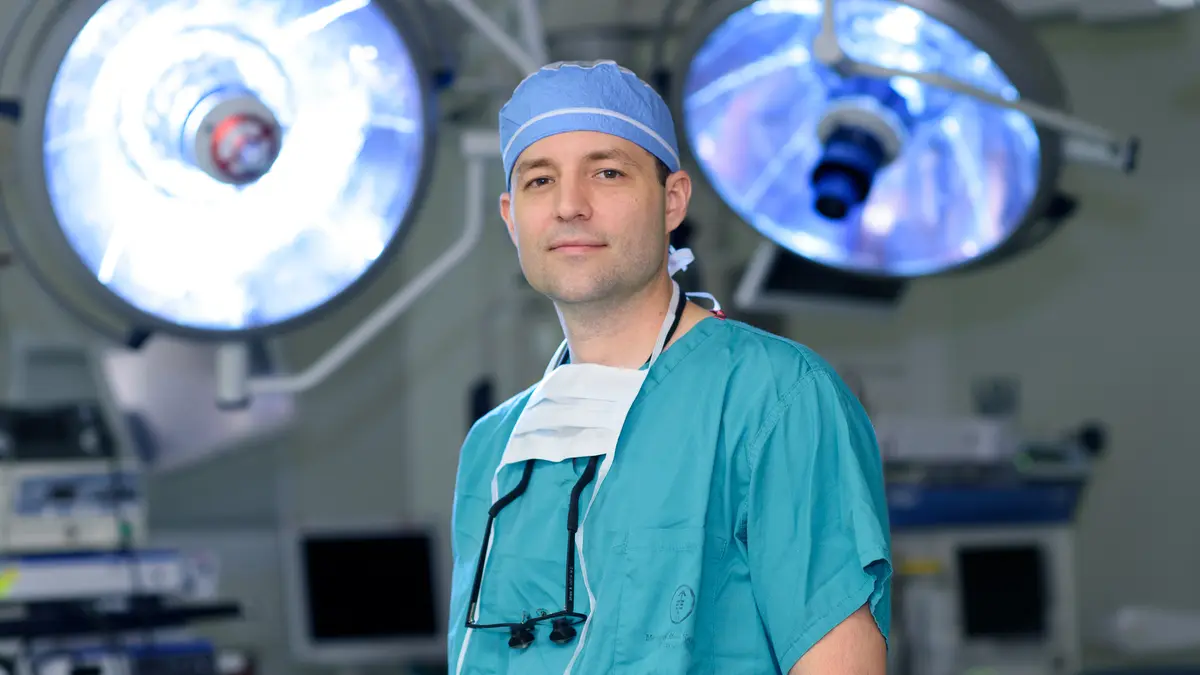
Surgery
Many people with thyroid cancer have surgery to remove the cancer. The type of surgery depends on the type of thyroid cancer you have and its stage.

There are many options for thyroid cancer treatment. You may feel overwhelmed as you explore them.
This guide will help you better understand your options and get ready to talk with your doctors. You’ll have the information you need to make the best decisions for your care together.
Your care team includes doctors, nurses, and other experts in thyroid cancer. MSK’s thyroid cancer experts will make a treatment plan just for you.
Your personal thyroid cancer treatment plan will target the type and stage of thyroid cancer you have. It will be based on the latest research and therapies. You may have a few therapies used together for the best treatment results.
Your MSK care team will talk with you about the best therapies for you. You may have one treatment, or a few treatments together.
Treatment for thyroid cancer at MSK can include:
Many people with thyroid cancer have surgery to remove the cancer. The type of surgery depends on the type of thyroid cancer you have and its stage.
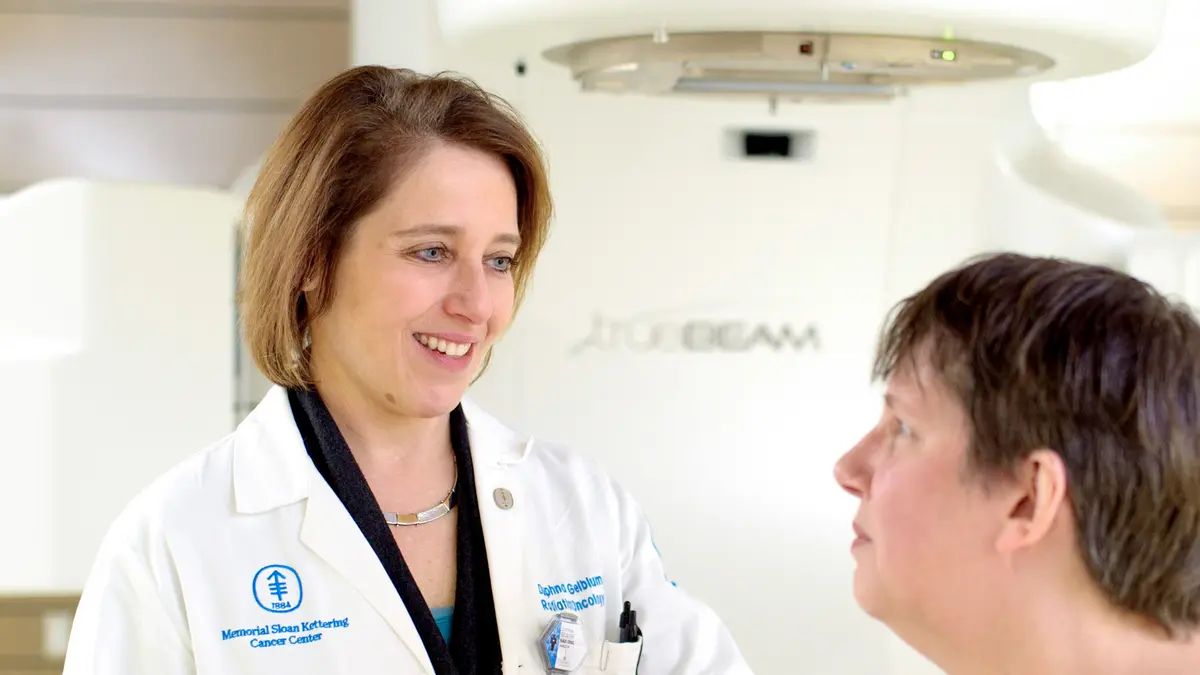
Radiation therapy uses high-energy X-rays or other types of radiation to kill cancer cells. It includes radioactive iodine treatment.
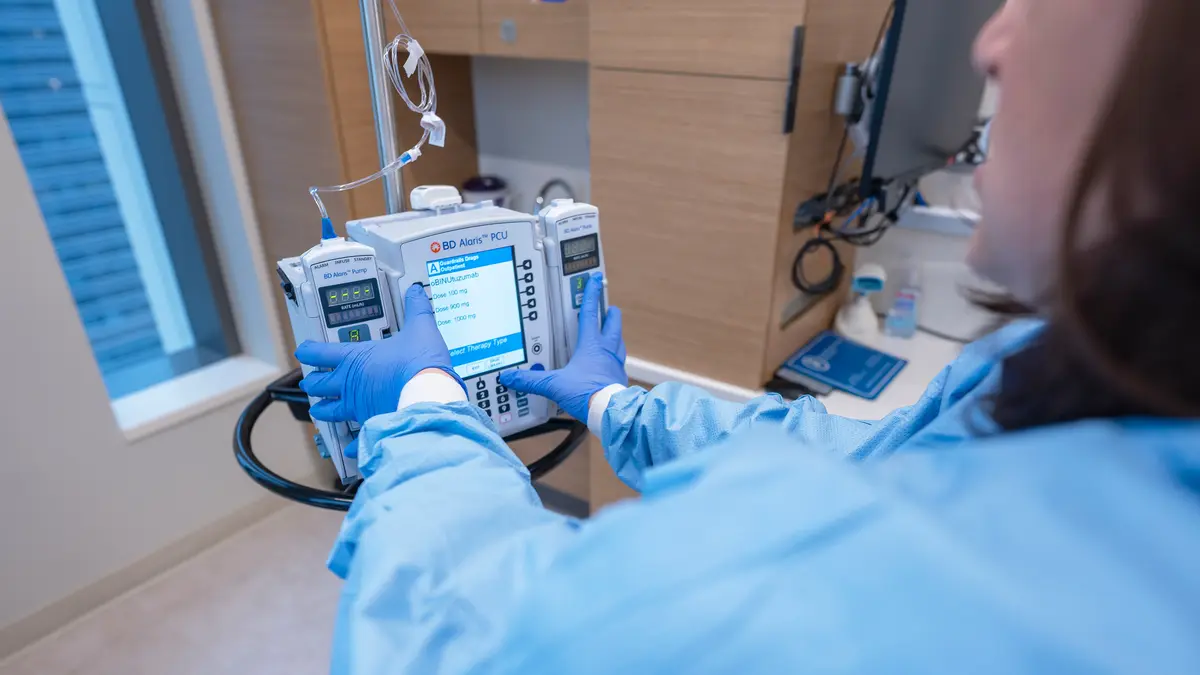
Chemotherapy, targeted therapy, and immunotherapy are called systemic therapies. Treatments are given by mouth, intravenous (IV) infusion, or injection (shot). They spread throughout the body to treat cancer.
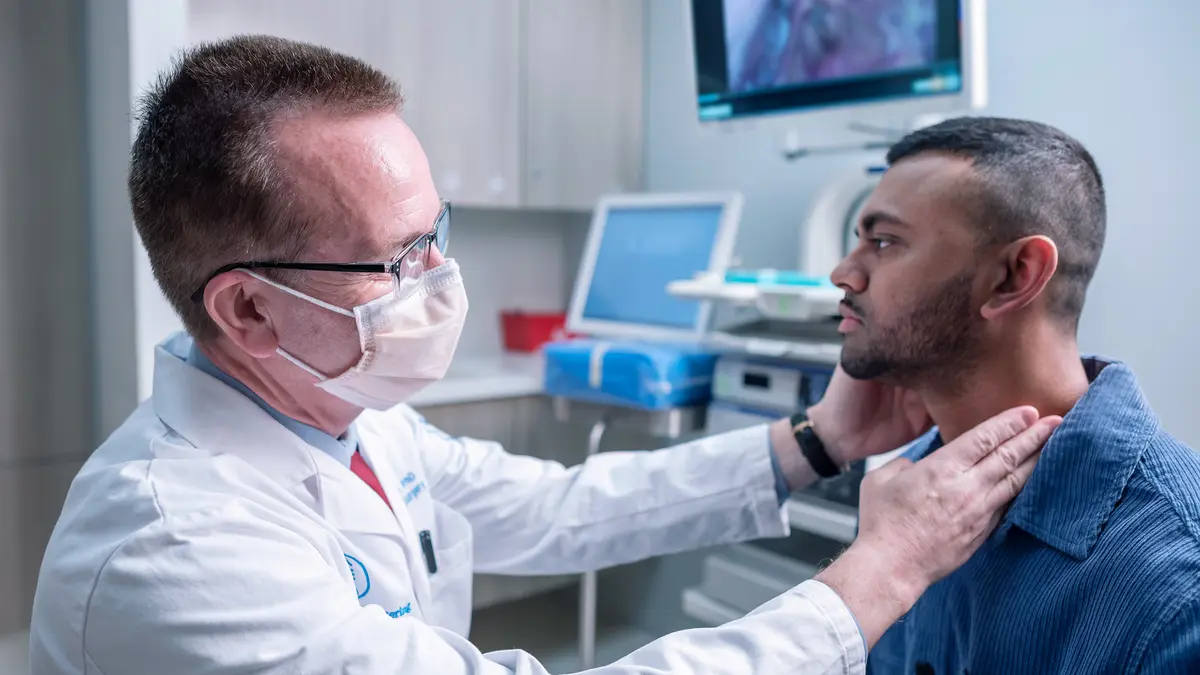
MSK’s Thyroid Nodule Assessment Program offers a fast, precise diagnosis if you have a lump (growth) in your thyroid.
We care for every person with kindness, warmth, and respect.
Your care team includes doctors, nurses, and other experts who focus on thyroid cancer. They work together using the latest science and research to create your care plan.
At MSK, we take care of the person, not just the cancer. We offer support and resources to help you during and after thyroid cancer treatment.
Your care plan may include nutrition advice, physical therapy, exercise, and mental health support. Our rehabilitation experts help you manage the side effects of thyroid cancer and its treatments.
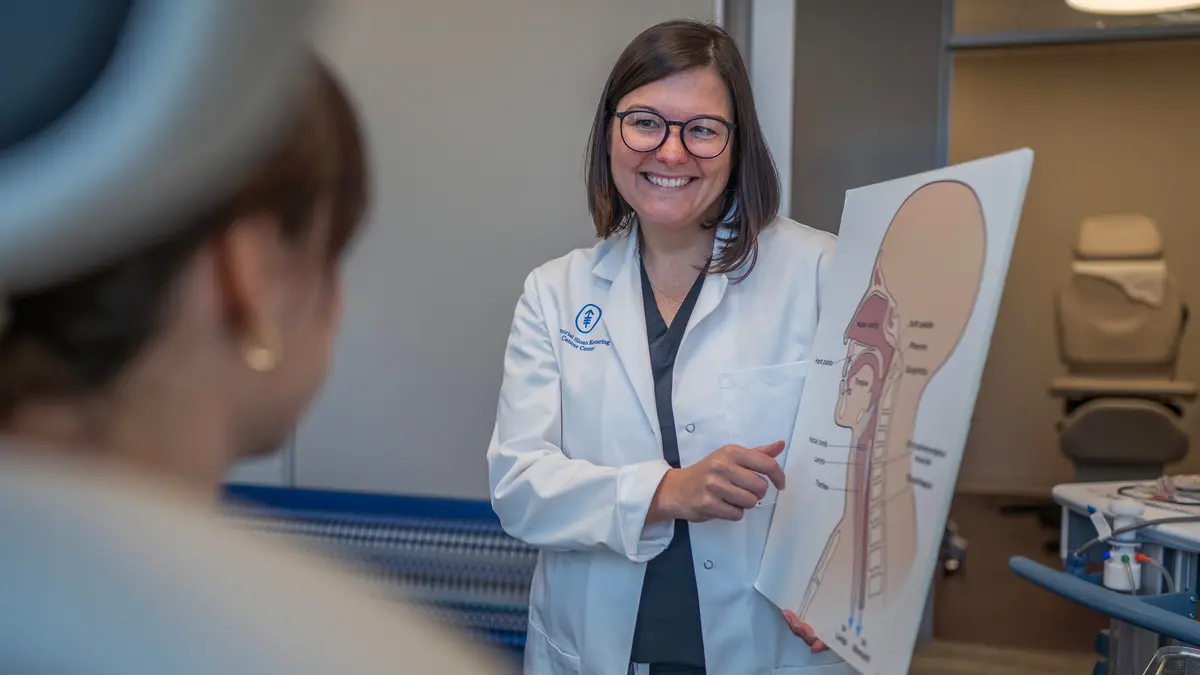
Speech pathologist Louise Cunningham helps with speech, voice, and swallowing problems after thyroid gland surgery.
You’ll get the best possible thyroid cancer care at MSK. Your care team has experts in treating the type of thyroid cancer you have.
At MSK, we offer:
Many people with cancer prefer to get treatment closer to home. MSK provides excellent cancer care on Long Island and in locations in Westchester County, New Jersey, and New York City. You can meet with your surgeon and have chemotherapy, radiation therapy, and genetic testing.
Talk with an MSK Care Advisor. We're here 24 hours a day, 7 days a week.
Thyroid cancer treatments work very well, but the cancer can come back. About 1 out of every 10 people treated for thyroid cancer are at risk for getting it again.
Thyroid cancer can come back a few months, years, or even decades later.
The risk depends on the type of thyroid cancer, too. For example, medullary thyroid cancer is more likely to come back than low-risk papillary thyroid cancer.
We describe thyroid cancer as low risk or high risk. Tests can tell us whether there is a high or low chance cancer will spread outside the thyroid gland. We base your treatment options on that risk level.
At MSK, all members of your care team will review your case. They’ll talk with you about which treatments are best for you.
Your care team may offer you a few treatment options. They’re based on your symptoms, any other health issues, and the thyroid cancer’s:
We assess all these things and then find the best treatment choice for you.
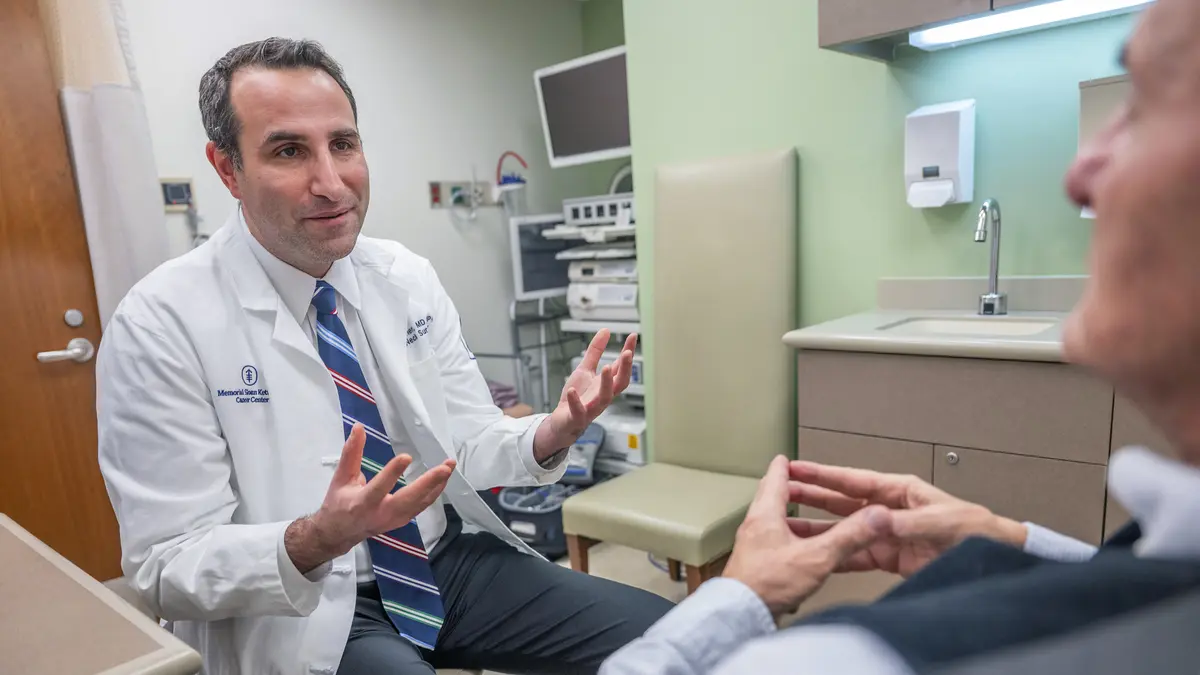
MSK head and neck surgeon Dr. Marc A. Cohen is an expert at complex surgeries to remove tumors.
Not everyone will need surgery to treat thyroid cancer. MSK experts may suggest active surveillance for some small thyroid cancers that are in safe locations and have not spread.
Surveillance (ser-VAY-lents) means monitoring or watchful waiting. We'll watch for changes in the thyroid nodules and nearby lymph nodes that need treatment. You’ll get regular ultrasounds to monitor for any growth over time.
Many people with small, low-risk papillary thyroid cancer have chosen active surveillance at MSK. For most people, the tumor does not grow, or it grows very slowly and is low risk. These people can avoid surgery and its side effects. If the tumor does grow, at this time surgery works just as well as a treatment.
Active surveillance may be an option for you. Your MSK care team will talk with you about the best options.
Learn more about MSK’s Thyroid Nodule Assessment Program.
If you have papillary thyroid cancer, these slow-growing tumors may not need surgery now, or even later. MSK's active surveillance program may be right for you. You'll get a personal schedule for check-ups, imaging tests, and support. Learn about the best ways to cope with the stress of active surveillance.
For most people with thyroid cancer, surgery is the most common and best treatment option.
If you or someone you care about has thyroid cancer, we want to help you understand options for surgery. This information can help you get ready for the decisions you and your doctors will make together.
Surgeons may be able to use minimally invasive methods. This kind of surgery is done with small incisions (cuts) and few stitches. Minimally invasive surgeries do less harm to the body and improve recovery.
We may use other therapies, such as radioactive iodine therapy, after surgery.
Learn more about the types of thyroid cancer surgery.
These are 2 kinds of common surgeries to treat thyroid cancer:
A thyroidectomy (THY-roy-DEK-toh-mee) is surgery to remove part or all of the thyroid gland:
Thyroid cancer can spread to nearby lymph nodes in the neck. We may do lymph node removal during surgery, to remove any nodes that have or may have cancer cells.
Your doctor may recommend radioactive iodine (RAI) treatment after a total thyroidectomy (thyroid removal surgery).
RAI treatment uses a type of iodine that’s radioactive that you swallow as a pill or liquid. The radioactive iodine travels in your bloodstream. It's absorbed (taken up) by thyroid cancer cells or normal thyroid tissue that are still in your body.
We may recommend RAI therapy for:
Most RAI goes to thyroid cells, which helps to keep other tissues safe.
Side effects of RAI treatment may include:
Chewing gum or sucking on hard candy may help with salivary gland and dry mouth side effects.
Most people get just 1 dose of RAI. MSK doctors helped develop standards for giving RAI treatment to patients in a safe way.
RAI can treat types of thyroid cancers that absorb radioactive iodine. These include differentiated thyroid cancers that are either:
RAI may be part of your treatment plan if you have:
RAI cannot treat anaplastic thyroid cancer and medullary thyroid cancers because they do not take in iodine.
Your doctor will talk with you about whether RAI treatment is right for you.
Targeted therapy helps some people who stop responding to radioactive iodine (RAI)
Over time, thyroid cancer can come back after surgery and RAI therapy if cancer cells resist the iodine. MSK researched a targeted therapy called selumetinib. For nearly half of people, selumetinib changed thyroid tumor cells so they started taking up RAI again.
You’ll follow a low-iodine diet for at least 1 week before treatment to help thyroid cells better absorb radioactive iodine.
Hypothyroidism (HY-poh-THY-roy-dih-zum) is when you have an underactive thyroid, which means it does not make enough thyroid hormone.
Most adults get a medicine called Thyrogen® at the start of RAI treatment. It lets you stay on your thyroid hormone replacement medicine and avoid hypothyroidism symptoms.
Your doctor may ask you to stop taking thyroid replacement medicine for a while. This can help RAI treatment work better on thyroid cancer cells.
Your body will give off low amounts of radiation that can affect other people. That’s why you must limit how much time you spend with other people. Most of the radioactive iodine leaves your body in your pee in a few days.
Your MSK care team will talk with you about what you should do after RAI treatment.
Learn more about RAI treatment if you’re an:
Radiation therapy uses very precise high-energy beams to kill cancer cells. Radiation oncologists are cancer doctors with special training in using radiation to treat cancer.
You can have thyroid cancer radiation therapy at an MSK location nearer to you. We have sites in New York City, Westchester, on Long Island, and in New Jersey.
MSK’s radiation experts do everything possible to limit healthy tissue’s exposure to radiation. They use the most precise methods to deliver powerful doses of radiation right to the tumor.
Radiation therapy aims to control or kill off cancer cells with as few side effects as possible.
You may have radiation therapy after thyroid cancer surgery to treat:
External radiation therapy for thyroid cancer
External radiation therapy is delivered outside your body. This kind of therapy uses high-energy rays to harm cancer cells so they can no longer grow.
External beam radiation therapy (EBRT) is the most common type of radiation therapy for thyroid cancer that came back. EBRT uses a treatment machine called a linear accelerator to aim beams of radiation right at the tumor.
The beams pass through your body and harm cancer cells in their path. You will not see or feel the radiation.
Most energy rays used for EBRT are photons (X-rays or gamma rays). Another type of EBRT is proton therapy, which uses proton rays.
Intensity-modulated radiation therapy (IMRT) lets us change the radiation beams’ power during thyroid cancer treatment. IMRT uses a special computer program to make a dose plan that delivers radiation right to the tumor.
IMRT can give high doses of radiation to tumors. IMRT also has fewer side effects, is very precise, and keeps healthy tissue safe by limiting the amount of radiation.
Proton therapy, also called proton beam therapy, uses charged particles called protons to kill cancer cells. A device called a cyclotron sends tiny, high-energy beams of protons to the tumor.
The beams used in proton therapy are precise. The beams cause fewer side effects because healthy tissue near the tumor is more likely to be safe.
It’s important to get enough nutrition before, during, and after thyroid cancer treatment. We have information about how to change your diet to manage side effects during radiation therapy and chemotherapy. Watch this video to learn how to get enough nutrition during radiation treatment.
Chemoradiation is when chemotherapy is given together with radiation therapy.
Radiation alone can work very well on some cancers, but chemotherapy sometimes may help the radiation work better.
Chemoradiation is a treatment for advanced thyroid cancer. Your MSK care team may recommend chemoradiation for:
Systemic therapies are drugs that travel through the body to kill cancer cells. Systemic therapies for thyroid cancer are targeted therapy and sometimes chemotherapy.
You may have neoadjuvant (NEE-oh-A-joo-vant) therapy, which is treatment you get before thyroid cancer surgery. Neoadjuvant therapy shrinks tumors so they’re easier to remove during surgery.
You may have adjuvant (A-joo-vunt) therapy, which is treatment you get after thyroid cancer surgery or radiation therapy. It’s used to kill any cancer cells that may be left in your thyroid or the rest of your body. Adjuvant therapy can lower the risk of thyroid cancer coming back or spreading.
Chemo or immunotherapy before surgery can shrink tumors and make them easier to remove with surgery.
Thomas Ow:
The most exciting developments in the field really revolve around using chemotherapies and
immunotherapies pre-operatively to shrink tumors, make things smaller, so that when we do
surgery, the surgeries are much less complex. And we're finding that in many cases for many
different kinds of cancer, that often results in better survival outcomes as well.
At MSK, every specialty is at the forefront and when we work together to make a treatment
plan for each patient, they can be assured that they're getting the most advanced care from the
entire team.
Targeted therapies are cancer treatments that target a tumor’s gene changes. It’s a personal treatment plan just for the type of cancer you have. These medicines often are given by mouth in pill form, or through an IV into your vein.
Targeted therapy is a treatment for:
Chemotherapy (chemo) is a treatment that uses medicine to stop or slow cancer cells from growing. Chemo puts medicines that target cancer cells into your vein.
Most chemo medicines for thyroid cancer can go through a standard intravenous (IV) drip. The medicine travel in your bloodstream to kill cancer cells in the body.
Chemo is not used very often to treat thyroid cancer. It can be used to treat some advanced thyroid cancers that either:
A tumor genetic profiling test also is called genomic testing, molecular profiling, or next-generation sequencing. The test uses a sample taken from a tumor.
At MSK, broad genetic testing of the tumor is a routine part of how we diagnose and treat thyroid cancer.
Genomic testing tells us which genetic changes (mutations or variants) caused the thyroid cancer and made it grow. The test results let us target those genes for treatment, a method called targeted therapy.
If we know which mutations you have, we know which treatments will work best on the tumor. Almost all of these genetic changes are only in cancer cells, not in normal cells. They cannot be passed on to your children.
MSK uses a testing tool developed at MSK called MSK-IMPACT®. It tests for changes in more than 500 genes. Genetic changes in thyroid cancer can happen in genes such as RET, BRAF, or NTRK.
Nearly 9 out of 10 NTRK-positive thyroid cancer tumors shrank a lot.
In a 2025 research study, people with NTRK-fusion cancers did better by taking the drug larotrectinib early. They could avoid side effects from other treatments, such as chemotherapy.
Targeted therapy drugs include selpercatinib (Retevmo®) and pralsetinib (Gavreto®). These targeted therapy drugs treat advanced or metastatic thyroid cancers that have certain changes in the RET gene.
RET fusions: Some thyroid cancers are caused by gene changes called RET fusions. These gene changes are rare and start in follicular cells, including anaplastic thyroid cancer.
RET mutations: Selpercatinib or pralsetinib also can treat medullary thyroid cancer caused by an RET mutation. This gene is changed in more than half of all medullary thyroid cancers.
BRAF mutations: Doctors may use dabrafenib and trametinib together to treat anaplastic thyroid cancer with a BRAF mutation. These drugs target BRAF and MEK mutations
NTRK fusions: The targeted drug larotrectinib (Vitrakvi®) and other drugs can treat thyroid cancers caused by gene changes called NTRK fusions.
MSK researchers are exploring ways to treat other mutations or molecular changes linked to thyroid cancers.
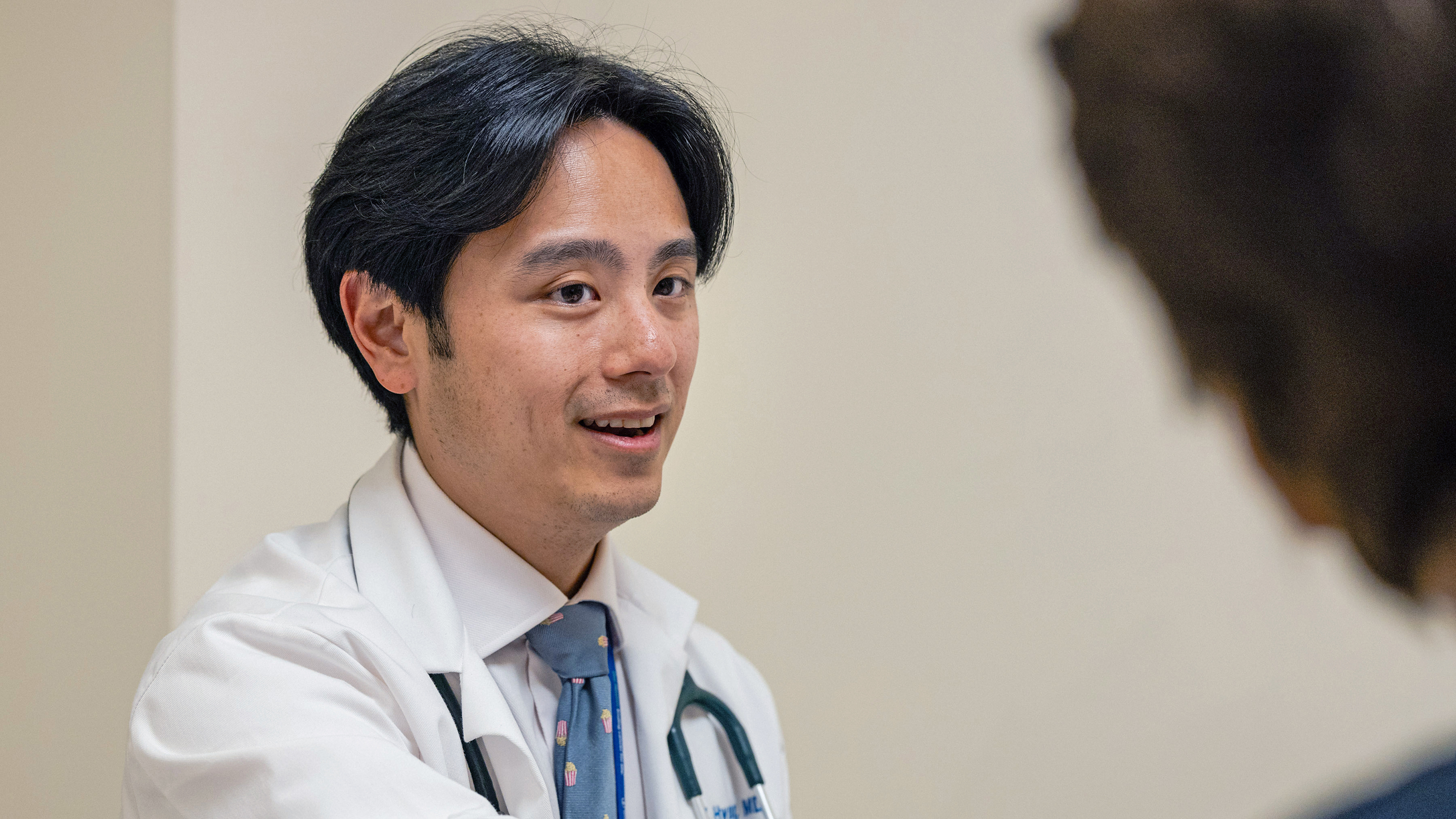
The health of your body and mind matter to us after treatment, too. MSK's follow-up care and support programs help you and your loved ones cope with cancer.
When you learn you have thyroid cancer, you’ll probably have many questions for your cancer doctor at your first visit. Talking about treatment options with your doctors can help you feel confident when making decisions about your care.
Your care team may talk with you about joining a thyroid cancer clinical trial.
Anyone can join a clinical trial from the very start of treatment, if there’s one that’s right for you.
MSK strongly encourages people from all races, genders, ages, and backgrounds to join clinical trials. It’s very important for research studies to include people from many backgrounds. It’s how our researchers can learn if a new treatment works for everyone, not just one group of people.
MSK is home to one of the largest clinical trial programs in the country. This means that we offer more cancer clinical trials than many other cancer centers in the U.S.
Learn more about MSK’s current thyroid cancer clinical trials.
Clinical trials are research studies to test new treatments, procedures, or devices to see how well they work. Every cancer treatment given to a person was first tested in a clinical trial.
Clinical trials can help us learn about new thyroid cancer drugs, such as:
MSK runs one of the country’s largest cancer clinical trials programs. An MSK clinical trial may give you access to new treatments that are not yet available at most hospitals. Watch our short video that can help you decide if a clinical trial is right for you.
If you join a clinical trial, you may be able to try new drugs to treat your type of thyroid cancer. Our patients may get a new treatment at MSK years before it’s offered at most other places.
Researchers follow strict rules to make sure all clinical trials are safe. The MSK research team will answer your questions and help you get ready for the trial. We follow your progress and keep you safe every step of the way.
sometimes years before they’re available to everyone.
from your expert care team.
for treatments you get during a clinical trial.
At MSK, your care is always a team effort. Our care teams combine the skill and experience of many kinds of thyroid cancer experts. They work together to give you the best cancer treatment.
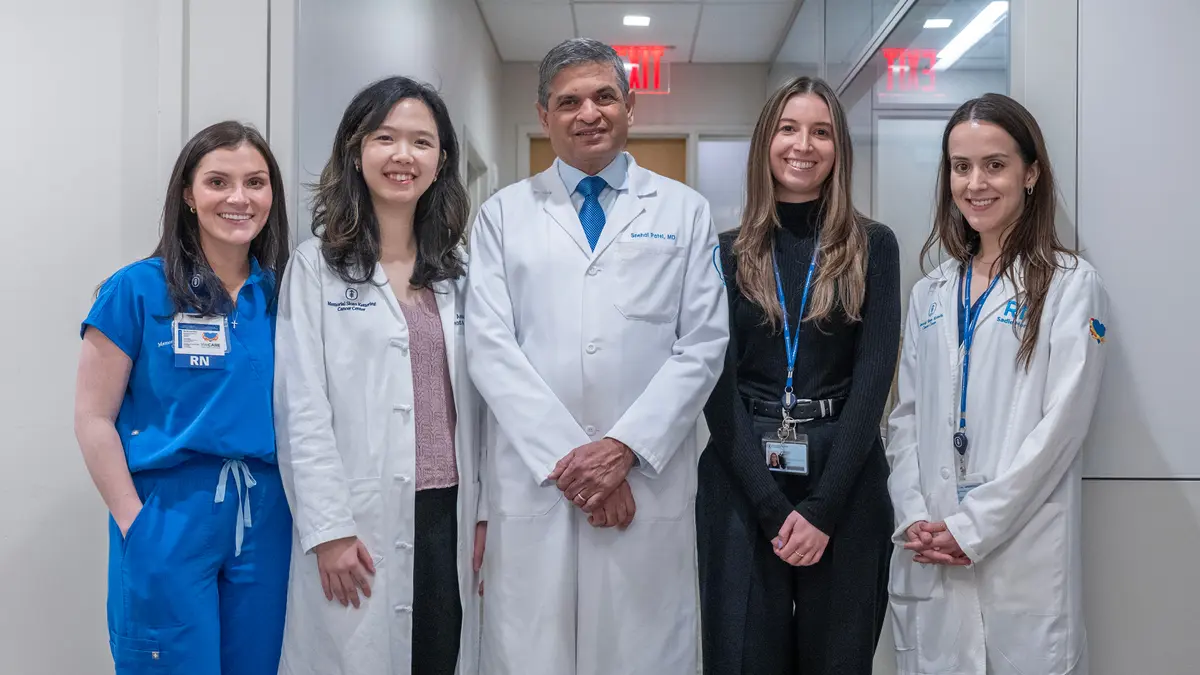
Head and neck surgeon Dr. Snehal Patel’s care team, with RN Brianna McDonald (left), physician assistant Annie Chang, Dr. Patel, office coordinator Jennifer Savery, and RN Sadie Mercer.
MSK has Magnet® designation for our nurses’ excellent patient care, strong leadership, and a culture that values constant improvement. Only about 1 out of every 10 hospitals in the country have Magnet status. It’s one of the highest honors a hospital can earn for nursing excellence.
Your care team has special training in how to diagnose and treat thyroid cancer. Their goal is to support you during and after treatment for thyroid cancer.
We take care of the person, not just the cancer. Our social workers are here to help you and your family with the emotional, social, and physical effects of cancer.
Your care team has doctors, nurses, and other healthcare providers who are experts in thyroid cancer. They include:
Medical oncologist Dr. Devika Rao shares tips on what to expect during your first visit at MSK, and how to get ready.
We want to ensure your first visit is as productive and supportive as possible. Here are some tips on how you can best prepare.
Your team meets with a panel of experts who review and talk about your diagnosis. They discuss new ideas and the latest research. This expert panel then works together to choose your treatment plan.
A head and neck surgeon is a doctor with special training in surgery on the head and neck. This includes cancers of the tonsils, tongue, mouth, lips, larynx, nose, sinuses, salivary glands, and thyroid gland.
A radiation oncologist is a cancer doctor with special training in using radiation therapy (RT) to treat cancer.
A head and neck medical oncologist is a cancer doctor who specializes in head and neck cancers. This includes cancers of the tonsils, tongue, mouth, lips, larynx, nose, sinuses, salivary glands, and thyroid gland.
An endocrinologist (EN-doh-krih-NAH-loh-jist) is a doctor with special training in endocrine problems. These disorders affect glands and organs that make hormones. They include diabetes, infertility, and thyroid, adrenal, and pituitary gland problems.
A dental oncologist is a general dentist with special training in managing oral problems from cancer, treating cancer, or both.
A maxillofacial (max-ill-o-FAY-shul) prosthodontist (pros-thoh-DON-tist) has special training in treating problems of the face, jaw, and nearby soft tissue. They’re trained in making a prothesis (pros-THEE-sis), an artificial (man-made) piece that replaces a body part. It’s also called a prosthetic.
An oral and maxillofacial (max-ill-o-FAY-shul) surgeon is a doctor with special training in treating many problems and injuries that affect the head, neck, mouth, jaw, and face.
A neurosurgeon is a doctor with special training in surgery on the central nervous system (brain, spinal cord or spine, and nerves).
A plastic and reconstructive surgeon is a doctor with special training in cosmetic and reconstructive surgery. These procedures restore function and appearance.
A radiologist is a doctor with special training in using imaging to diagnose and treat disease. Imaging includes X-rays, sonography, ultrasound (US), computed tomography (CT), and magnetic resonance imaging (MRI).
A pathologist is a doctor who uses a microscope to make a diagnosis from cell and tissue samples. They analyze the samples to learn more about a health condition, such as cancer.
A social worker is a healthcare provider with special training in helping people cope with problems in their lives. They support you emotionally by providing counseling and practical help.
Talk with an MSK Care Advisor. We're here 24 hours a day, 7 days a week.
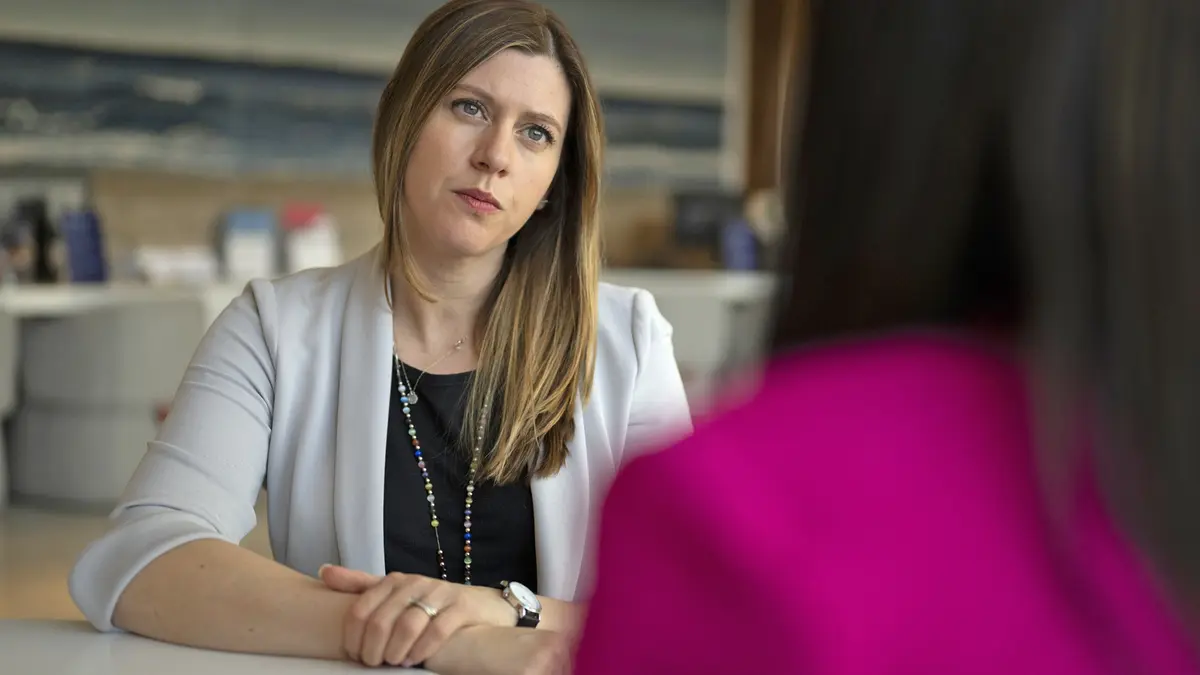
Clinical social worker Nicole Wood supports MSK patients and their families during and after cancer treatment.
Cancer treatment affects your body and emotions. The experience is not the same for everyone. We will support you during your treatment.
But you’re also a person with a life beyond cancer. We want to help you get back to it. That’s why we have many programs and services to support you and your loved ones.
You can connect with other people going through cancer treatment in our virtual support groups, led by a social worker.
Or you may need help with side effects of treatment. We have experts with special training in treating pain.
Your caregivers are a very important part of your care team. They need support, too. We have a Caregivers Clinic to help your loved ones cope with cancer.
Our Integrative Medicine and Wellness Service offers complementary, natural, and holistic treatments. They include acupuncture, meditation, massage therapy, yoga, and exercise.
You may want support to cope with side effects of treatment. These may include pain, fatigue (feeling very tired), nerve problems, nausea, insomnia, and stress.
Without using prescription drugs, integrative therapies can help improve and control side effects of cancer treatment.
MSK integrative medicine services are available in New York City, New Jersey, Westchester, and on Long Island.
Pain management is an important part of cancer care. MSK was the first cancer center in the country to have a service just for treating pain in people with cancer.
Our pain experts will help relieve or manage pain after surgery. They can help while you’re still in the hospital, and after you’re home.
We have experts who manage the symptoms and side effects of cancer treatment, such as nausea during chemotherapy.
We offer counseling and support to help you manage anxiety, depression, anger, or loneliness. There are individual and group counseling sessions, both in person and through telemedicine visits. Counseling is open to you and your family, separately or together.
We also run support groups and programs if you want to talk with other people going through a similar experience. Our social workers can offer information about how to talk about your diagnosis with family members, work colleagues, and friends.
Cancer treatment can affect your digestion (how your body breaks down the food you eat). It can change your taste, how you eat, and how hungry you are.
Our clinical dietitian nutritionists can help with:
MSK is a place where people of all genders and sexual orientations feel welcome and treated with respect. Our LGBTQI+ Cancer Care Program gives you the support you need during cancer care. It’s for LGBTQI+ people getting screened or treated at MSK, or in our survivorship program.
We believe cancer care needs to be as convenient as possible. We have thyroid cancer treatment locations in New York City, Westchester, on Long Island, and in New Jersey.
At our locations, you can meet with your care team and get your thyroid cancer treatment. You may be able to have chemotherapy or radiation therapy, or join a clinical trial. Our endocrinologists are located in Manhattan and Montvale, N.J.
MSK brings its expert care closer to you so you can get back home to what matters most.
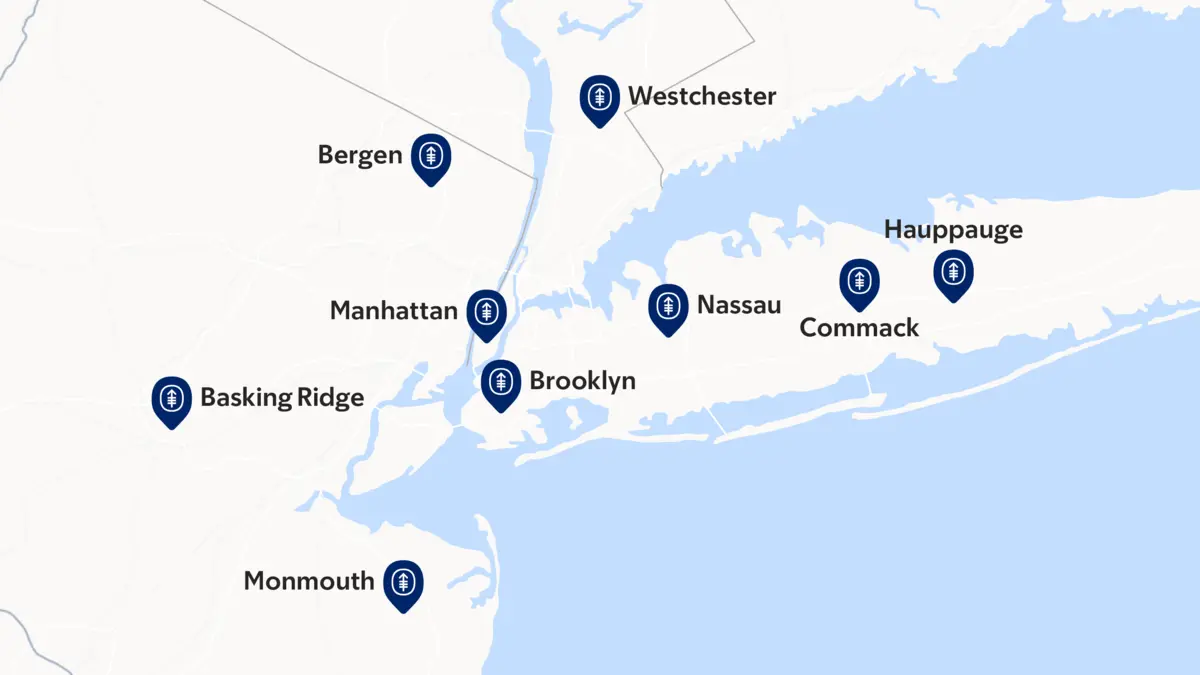
We’ll guide you about where you can go for check-ups, procedures, or treatments, based on your diagnosis and treatments.


