આ માર્ગદર્શિકા તમને MSK (એમએસકે) ખાતે થનારી તમારી નેક ડિસેક્શન (ગળાની લસિકા ગ્રંથિઓ કાઢી નાખવાની) સર્જરી માટે તૈયાર થવામાં મદદ કરશે. એ તમને સાજા થવાના સમયગાળામાં તમને શું થઈ શકે એ સમજવા પણ મદદ કરશે.
તમારી સર્જરી પહેલાંના દિવસોમાં માહિતી મેળવવા માટે આ માર્ગદર્શિકાનો ઉપયોગ કરો. તમે જ્યારે પણ MSK આવો, ત્યારે દરેક વખતે આ સાથે લાવજો, જેમાં તમારી સર્જરીના દિવસનો પણ સમાવેશ થાય છે. તમારી સમગ્ર સારવાર દરમિયાન તમે અને તમારા આરોગ્યની સંભાળ રાખનાર ટીમ આ માર્ગદર્શિકાનો ઉપયોગ કરશો.
તમારી નેક ડિસેક્શન (ગળાની લસિકા ગ્રંથિઓ કાઢી નાખવાની) સર્જરી વિશે
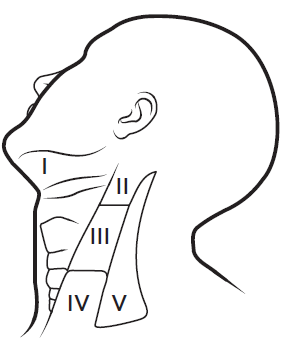
માથા અને ગળાનું કેન્સર તમારી લસિકા ગ્રંથિઓ સુધી ફેલાઈ શકે છે. લસિકા ગ્રંથિઓ તમારી લસિકા તંત્રમાં આવેલી નાની અંડાકાર અથવા ગોળાકાર ગ્રંથિઓ છે. એનું વર્ણન વધુ સરળતાથી કરી શકાય એ માટે, તમારી ગરદનની લસિકા ગ્રંથિઓને 5 સ્તરોમાં વહેંચવામાં આવી છે (આકૃતિ 1 જુઓ). આ 5 સ્તરોને રોમન અંકો (I, II, III, IV અને V) દ્વારા દર્શાવવામાં આવ્યા છે.
જો તમારી ગરદનની લસિકા ગ્રંથિઓમાં કેન્સર ફેલાવાનો ઊંચો જોખમ હોય, તો તમારી ગરદનની લસિકા ગ્રંથિઓ કાઢી નાખવાની પણ જરૂર પડી શકે છે. આ તમારી ગરદનના વિસ્તારમાં આવેલી લસિકા ગ્રંથિઓને કાઢી નાખવાની સર્જરી છે.
નેક ડિસેક્શન (ગળાની લસિકા ગ્રંથિઓ કાઢી નાખવાની) સર્જરીના ઘણા પ્રકારો છે. તમારે કયા પ્રકારની સર્જરી કરવામાં આવશે એ કેન્સર ક્યાં આવેલું છે અને એ તમારી ગરદનની લસિકા ગ્રંથિઓ અથવા ગરદનની અન્ય રચનાઓ સુધી ફેલાયું છે કે નહીં એના પર આધાર રાખે છે. અમુક વખત તમારા સર્જન તમારી તપાસ કરીને જાણી શકે છે કે કઈ લસિકા ગ્રંથિઓને અસર થઈ છે. જો આ શક્ય ન હોય, તો તમારા સર્જનને એ ભાગને વધુ સારી રીતે જોવા તમારી ગરદનનો કમ્પ્યુટેડ ટોમોગ્રાફી (CT) સ્કેન અથવા અલ્ટ્રાસાઉન્ડ કરાવવાની જરૂર પડી શકે છે.
લસિકા ગ્રંથિઓ ઉપરાંત, તમારી ગરદનની અન્ય કેટલીક રચનાઓ પણ દૂર કરવાની જરૂર પડી શકે છે, જેમ કે:
- ગરદનની બાજુમાં આવેલા સ્નાયુ, જે તમને માથું ફેરવવામાં મદદ કરે છે. જો આ સ્નાયુ કાઢી નાખવામાં આવે, તો તમારી ગરદનની એ બાજુએ ખાડા જેવો દેખાવ રહેશે. તેમ છતાં, તમે ગરદન કોઈ ખાસ મુશ્કેલી વિના હલાવી શકશો.
- જે ચેતા તમને તમારા હાથને ખભાથી વધુ ઊંચો ઉઠાવવામાં મદદ કરે છે. તમારા સર્જન આ ચેતાને બચાવવાનો શક્ય તેટલો પ્રયાસ કરશે. જો આ ચેતા કાઢી નાખવાની જરૂર પડે, તો જે બાજુની ચેતા દૂર કરવામાં આવી હશે તે બાજુએ તમે તમારા હાથને 90 ડિગ્રીથી વધુ ઊંચો ઉઠાવવામાં મુશ્કેલી અનુભવશો.
- એક નસ જે તમારા મગજ, ચહેરા અને ગરદનમાંથી લોહી એકત્રિત કરે છે. જો તમારી ગરદનની એક બાજુની નસ દૂર કરવામાં આવે, તો એનાથી કોઈ સમસ્યા ઊભી થશે નહીં. તમારી ગરદનની અન્ય નસો તમારી ગરદન અને ચહેરાની તે બાજુમાંથી લોહી એકત્રિત કરીને તેનું પરિભ્રમણ ચાલુ રાખશે.
- તમારી ગરદનના ઉપરના ભાગમાં આવેલી એક લાળ ગ્રંથિ. આ ગ્રંથિ દૂર કરવામાં આવે તો પણ લાળ બનાવવાની કાર્યક્ષમતાને કોઈ નુકસાન થશે નહીં.
તમારી નેક ડિસેક્શન (ગળાની લસિકા ગ્રંથિઓ કાઢી નાખવાની) સર્જરી પહેલાં
આ વિભાગ તમને તમારી સર્જરી માટે તૈયાર થવામાં મદદ કરશે. જ્યારે તમારી સર્જરી નક્કી થાય, ત્યારે આ વાંચો. જેમ જેમ તમારી સર્જરી નજીક આવતી જાય, તેમ તેમ આને વાંચો એમાં તૈયારી કરવા માટે શું કરવું તે અંગે જરૂરી માહિતી આપી છે.
તમે આ વિભાગ વાંચો ત્યારે તમારા આરોગ્યસંભાળ પ્રદાતાને પૂછવા માટેના પ્રશ્નો લખી રાખો.
સર્જરી માટે તૈયારી
સર્જરી માટે તૈયારી કરવા તમે અને તમારી સંભાળ રાખનાર ટીમ સાથે મળીને કામ કરશો. જો તમને નીચેમાંથી કોઈપણ બાબત લાગુ પડતી હોય તો અમને જણાવો, પછી ભલે તમને એની ખાતરી ન હોય. એ જાણવાથી અમે તમને સલામત રાખવા મદદ કરી શકીશું,
તમે જે દવાઓ અને સપ્લિમેન્ટ્સ લો છો, એના આધારે સર્જરી પહેલાં તમારે ખાસ સૂચનાઓનું પાલન કરવાની જરૂર પડી શકે છે. જો તમે આ સૂચનાઓનું પાલન નહીં કરો, તો તમારી સર્જરી થવામાં મોડું થઈ શકે છે અથવા એને કેન્સલ કરવી પડી શકે છે.
-
હું ડૉક્ટરે લખી આપેલી દવાઓ લઉં છું. પ્રિસ્ક્રિપ્શન દવા તે છે જે તમે ફક્ત આરોગ્યસંભાળ પ્રદાતાના પ્રિસ્ક્રિપ્શન સાથે જ મેળવી શકો છો. ઉદાહરણોમાં શામેલ છે:
- ગળીને લેવામાં આવતી દવાઓ.
- ઇન્જેક્શન (શોટ) દ્વારા લેવાતી દવાઓ.
- શ્વાસ દ્વારા લેવાતી દવાઓ.
- ત્વચા પર પેચ અથવા ક્રીમ તરીકે લગાડવામાં આવતી દવાઓ.
- હું પ્રિસ્ક્રિપ્શન વગર મળતી કોઈપણ દવાઓ લઉં છું. જેમાં પેચ અને ક્રીમ પણ સામેલ છે. ઓવર-ધ-કાઉન્ટર દવાઓ એવી દવા છે જે તમે પ્રિસ્ક્રિપ્શન વિના ખરીદી શકો છો.
- હું જડીબુટ્ટીઓ, વિટામિન, ખનિજો અથવા કુદરતી કે ઘરગથ્થુ ઉપચારો જેવા કોઈપણ સપ્લિમેન્ટ્સ લઉં છું.
- મારી પાસે પેસમેકર, ઓટોમેટિક ઇમ્પ્લાન્ટેબલ કાર્ડિયોવર્ટર-ડિફિબ્રિલેટર (AICD) અથવા હૃદય સાથે સંબંધિત અન્ય કોઈ ઉપકરણ છે.
- મને ભૂતકાળમાં એનેસ્થેશિયા (બેભાન કરવાની દવા) સાથે કોઈ સમસ્યા થઈ હતી. એનેસ્થેશિયા એ એવી દવા છે, જે સર્જરી અથવા પ્રક્રિયા દરમિયાન તમને બેભાન રાખે છે.
- મને કેટલીક દવાઓ અથવા સામગ્રીથી એલર્જી છે. જેમાં રબરના હાથના મોજાં જેવી વસ્તુઓનો સમાવેશ થાય છે.
- હું લોહી ચઢાવવાની સારવાર સ્વીકારવા તૈયાર નથી.
- હું નશા માટે વપરાતા પદાર્થોનો ઉપયોગ કરૂં છું. જેમ કે, ગાંજો.
વજન ઘટાડવા માટેની GLP-1 દવાઓ
જો તમે GLP-1 દવા લેતા હો તો તમારા ડૉક્ટરને એ વિશે જણાવવું જરૂરી છે. તમારી સર્જરી પહેલાં ખાવા-પીવા વિશે જે સૂચનો આપ્યાં હોય એ બરાબર પાળો. જો તમે પાછલા 30 દિવસમાં GLP-1 દવા લીધી હોય તો આ સૂચનાઓ પાળવી બહુ જરુરી છે. જો તમે તેમનું પાલન નહીં કરો, તો તમારી શસ્ત્રક્રિયા અથવા પ્રક્રિયામાં વિલંબ થઈ શકે છે અથવા રદ થઈ શકે છે.
- સર્જરી થવાની હોય એ દિવસે સવારે 6 વાગ્યાથી પ્રવાહી ખોરાક લો. કોઈપણ ઘન ખોરાક ખાશો નહીં. વધુ જાણવા માટે \Clear Liquid Diet વાંચો.
- તમારા આગમનના 8 કલાક પહેલા પીવાનું બંધ કરો. આ સમય પછી કંઈપણ ખાશો કે પીશો નહીં, જેમાં સ્પષ્ટ પ્રવાહી પણ સામેલ છે. તમે તમારી દવાઓ સાથે પાણીના નાના ઘૂંટડા લઈ શકો છો.
વધુ જાણવા માટે, [bXNrLW5vZGUtbGluazogMzE4MDM2] વાંચો.
GLP-1 દવાઓના કેટલાક ઉદાહરણો અહીં આપેલા છે. આ ઉપરાંત પણ ઘણું બધું છે, તેથી એ ખાતરી કરો કે તમારી સંભાળ લેનારી ટીમ તમે લો છો તે તમામ દવાઓથી વાકેફ હોય. ક્યારેક, આ ડાયાબિટીસ અથવા અન્ય પરિસ્થિતિઓને નિયંત્રિત કરવામાં મદદ કરવા માટે સૂચવવામાં આવે છે. બીજા સમયે, તેઓ વજન ઘટાડવા માટે લખી આપે છે.
|
|
દારૂ પીવા વિશે
તમે કેટલા પ્રમાણમાં દારૂ પીવો છો તે વિશે તમારા આરોગ્યસંભાળ પ્રદાતાઓ સાથે વાત કરવી જરૂરી છે. એ જાણવાથી અમને તમારી સંભાળ રાખવામાં મદદ મળશે.
જો તમે નિયમિત રીતે દારૂ પીતા હો, તો તમારી સર્જરી દરમિયાન અને પછી તમને સમસ્યાઓ થવાનું જોખમ હોઈ શકે છે. આમાં લોહી વહેવું, ચેપ લાગવો, હૃદયની સમસ્યાઓ અને લાંબા સમય સુધી હોસ્પિટલમાં રહેવાનો સમાવેશ થાય છે.
જો તમે નિયમિતપણે દારૂ પીતા હોવ અને અચાનક બંધ કરી દો, તો એનાથી આંચકી આવી શકે, મગજ બરાબર કામ ન કરે અને મૃત્યુ પણ થઈ શકે છે. જો અમને ખબર હોય કે તમને આ સમસ્યાઓ થવાનું જોખમ છે, તો અમે એ રોકવા માટે દવા લખી શકીએ છીએ.
તમારી સર્જરી પહેલાં સમસ્યાઓ ટાળવા માટે તમે નીચેની બાબતો કરી શકો છો.
- તમે કેટલા પ્રમાણમાં દારૂ પીવો છો, એ વિશે તમારા આરોગ્યસંભાળ પ્રદાતાઓને સાચી માહિતી આપો.
-
તમારી સર્જરીનું આયોજન થઈ જાય પછી દારૂ પીવાનું બંધ કરવાનો પ્રયાસ કરો. જો તમને નીચેનીમાંથી કંઈપણ થાય, તો તરત જ તમારા આરોગ્યસંભાળ પ્રદાતાને જણાવો:
- માથાનો દુખાવો થાય.
- ઉબકા આવવા લાગે (જેમ કે તમને ઉલટી થવાની હોય).
- સામાન્ય કરતાં વધુ ચિંતા (ગભરાટ અથવા બેચેની) અનુભવતા હો.
- ઊંઘ ન આવતી હોય.
આ દારૂ છોડવાથી થતી અસરોના શરૂઆતના લક્ષણો છે અને એની સારવાર કરી શકાય છે.
- જો તમે દારૂ પીવાનું બંધ કરી શકતા ન હો, તો તમારા આરોગ્યસંભાળ પ્રદાતાને જણાવો.
- દારૂ પીવા અને સર્જરી સંબંધિત તમારા કોઈપણ પ્રશ્નો તમારા આરોગ્યસંભાળ પ્રદાતાને પૂછો. હંમેશાંની જેમ, તમારી તમામ તબીબી માહિતી ખાનગી રાખવામાં આવશે.
ધૂમ્રપાન વિશે
જો તમે ધૂમ્રપાન કરતા હો અથવા ઇલેક્ટ્રોનિક ધૂમ્રપાન ઉપકરણનો ઉપયોગ કરતા હો, તો સર્જરી દરમિયાન તમને શ્વાસ લેવામાં સમસ્યાઓ થઈ શકે છે. ઇલેક્ટ્રોનિક ધૂમ્રપાન ઉપકરણો જેવા કે વેપ્સ અને ઈ-સિગારેટ. સર્જરી પહેલાં થોડા દિવસો માટે પણ ધૂમ્રપાન બંધ કરવાથી સર્જરી દરમિયાન અને પછી શ્વાસને લગતી સમસ્યાઓ ટાળવામાં મદદ મળી શકે છે.
જો તમે ધૂમ્રપાન કરતા હો, તો તમારા આરોગ્યસંભાળ પ્રદાતા તમને અમારા તમાકુ સારવાર કાર્યક્રમ માટે રિફર કરશે. તમે 212-610-0507 નંબર પર ફોન કરીને પણ આ કાર્યક્રમનો સંપર્ક કરી શકો છો.
સ્લીપ એપનિયા વિશે
સ્લીપ એપનિયા એ ઊંઘ દરમિયાન શ્વાસ લેવામાં થતી એક સામાન્ય સમસ્યા છે. જો તમને સ્લીપ એપનિયા હોય, તો ઊંઘ દરમિયાન થોડા સમય માટે તમારો શ્વાસ બંધ થઈ જાય છે. ઓબસ્ટ્રક્ટિવ સ્લીપ એપનિયા (OSA) એનો સૌથી સામાન્ય પ્રકાર છે. એમાં તમે ઊંઘતા હો ત્યારે શ્વાસ લેવાનો માર્ગ બંધ થઈ જાય છે.
OSAને કારણે સર્જરી દરમિયાન અને સર્જરી પછી ગંભીર સમસ્યાઓ થઈ શકે છે. જો તમને સ્લીપ એપનિયા હોય અથવા તમને લાગે કે તમને સ્લીપ એપનિયા હોઈ શકે છે, તો અમને જણાવો. જો તમે શ્વાસ લેવાના મશીનનો (CPAP) ઉપયોગ કરતા હો, તો એ તમારી સર્જરીના દિવસે સાથે લાવો.
MSK MyChart નો ઉપયોગ
MSK MyChart (mskmychart.mskcc.org)એ MSKનું દર્દી પોર્ટલ છે. એનો ઉપયોગ કરીને તમે તમારી સંભાળ રાખનાર ટીમને સંદેશા મોકલી શકો છોઅને તેમના સંદેશા વાંચી શકો છો, તમારા રીપોર્ટ જોઈ શકો છો, તમારી મુલાકાતોની તારીખ અને સમય જોઈ શકો છો અને અન્ય ઘણી સુવિધાઓનો ઉપયોગ કરી શકો છો. તમે તમારા સંભાળ રાખનારને પણ તેમનું પોતાનું એકાઉન્ટ બનાવવા માટે આમંત્રિત કરી શકો છો, જેથી તેઓ તમારી સંભાળ સંબંધિત માહિતી જોઈ શકે.
જો તમારી પાસે MSK MyChart એકાઉન્ટ ન હોય, તો તમે mskmychart.mskcc.org પર જઈને સાઇન અપ કરી શકો છો. તમે તમારી સંભાળ રાખનાર ટીમના કોઈ સભ્યને પણ જણાવી શકો છો કે તે તમને આમંત્રણ મોકલે.
જો તમને તમારા એકાઉન્ટ સંબંધિત મદદની જરૂર હોય, તો MSK MyChart હેલ્પ ડેસ્કને 646-227-2593 નંબર પર ફોન કરો. તેઓ સોમવારથી શુક્રવાર, સવારે 9 વાગ્યાથી સાંજે 5 વાગ્યા સુધી (ઈસ્ટર્ન સમય મુજબ) ઉપલબ્ધ હોય છે.
તમારી સર્જરીના 30 દિવસની અંદર
સર્જરી પહેલાની તપાસ (PST)
તમારી સર્જરી પહેલાં તમારી પ્રિસર્જિકલ ટેસ્ટિંગ (PST)ની મુલાકાત હશે. એ મુલાકાત રૂબરૂ અથવા ઓનલાઈન હોય શકે. તમને તમારી સર્જનની ઓફિસમાંથી તમારી મુલાકાતની તારીખ, સમય અને સ્થળ યાદ કરાવવામાં આવશે. પાર્કિંગની માહિતી અને MSKની તમામ જગ્યાઓએ પહોંચવા માટે રસ્તાઓ શોધવા www.msk.org/parking મુલાકાત લો.
તમારી મુલાકાતના દિવસે તમે સામાન્ય રીતે ખાઈ-પી શકો છો અને તમારી નિયમિત દવાઓ લઈ શકો છો.
તમારી મુલાકાત વખતે નીચેની વસ્તુઓ સાથે લાવવાથી મદદ મળશે:
- તમે લેતા હો એવી તમામ દવાઓની યાદી, જેમાં પ્રિસ્ક્રિપ્શન દવાઓ, પ્રિસ્ક્રિપ્શન વગર મળતી દવાઓ, શરીર પર લગાડવાના પેચ અને ક્રીમનો સમાવેશ થાય છે.
- જો તમારી પાસે ઉપલબ્ધ હોય, તો છેલ્લા 1 વર્ષ દરમિયાન MSKની બહાર કરાવવામાં આવેલા કોઈપણ મેડિકલ રિપોર્ટસ. ઉદાહરણ તરીકે, હૃદયનો સ્ટ્રેસ ટેસ્ટ, ઇકોકાર્ડિયોગ્રામ અથવા કેરોટિડ ડોપ્લર તપાસનાં રિપોર્ટ.
- તમારા ડૉક્ટરનાં નામ અને ટેલિફોન નંબર.
તમારી PST મુલાકાત દરમિયાન તમે એડવાન્સ પ્રેક્ટિસ પ્રોવાઇડરને (APP) મળશો. તેઓ MSKના એનેસ્થેસિયોલોજી (બેભાન કરવાની દવા અને એની સંભાળ) વિભાગના સ્ટાફ સાથે મળીને કામ કરે છે. આ એવા ડૉક્ટરો છે જેમને સર્જરી અથવા અન્ય પ્રક્રિયા દરમિયાન એનેસ્થેસિયા (બેભાન કરવાની દવા) આપવાની ખાસ તાલીમ મળેલી હોય છે.
તમારા APP તમારી સાથે તમારા અગાઉના રોગો અને થયેલી સર્જરીઓ વિશે વાત કરશે. તમારી સારવારનું આયોજન કરવા માટે તમારે નીચે મુજબના કેટલાક રિપોર્ટ કરાવવાની જરૂર પડી શકે છે:
- તમારા હૃદયના ધબકારાની લય તપાસવા માટે ઇલેક્ટ્રોકાર્ડિયોગ્રામ (EKG).
- છાતીનો એક્સ-રે.
- લોહીના રિપોર્ટ.
તમારા APP તમને બીજા ડૉક્ટરોને મળવાનું જણાવી શકે છે. તેઓ તમને:
- સર્જરીના દિવસે સવારે કઈ દવા લેવી એ વિશે વાત કરશે.
- સર્જરી પહેલાં ખાવા-પીવા વિશે સૂચનાઓ આપશે.
તમારા MSKના માય ચાર્ટ અકાઉન્ટમાં સર્જરી પહેલાં ખાવા-પીવા અને દવા વિશે સૂચનાઓ જોવા મળશે.
- MSKના માય ચાર્ટ અકાઉન્ટમાં લોગ ઈન કરો. મુખ્ય પેજ પર “Visits” પર ક્લિક કરો.
- “Past” અથવા “Past visits” પર જાઓ, ત્યાં તમને તમારી PST અપોઇન્ટમેન્ટ વિશે માહિતી મળશે. “View After Visit Summary” પર ક્લિક કરો.
- તમારી મુલાકાત પછી તમને આપવામાં આવેલા “After Visit Summary”માં “Preprocedure Instructions” નામનો વિભાગ વાંચો.
એ સૂચનાઓ પ્રમાણે કરવું બહુ જરૂરી છે. જો તમે એ પ્રમાણે નહિ કરો તો સર્જરી મોડી થઈ શકે છે અથવા કેન્સલ થઈ શકે છે.
તમારા સંભાળ રાખનારને ઓળખો
તમારી સંભાળ રાખનાર વ્યક્તિની તમારી સંભાળ રાખવામાં મહત્ત્વપૂર્ણ ભૂમિકા હોય છે. તમારી સર્જરી પહેલાં, તમે અને તમારા સંભાળ રાખનાર વ્યક્તિ તમારા આરોગ્યસંભાળ પ્રદાતાઓ પાસેથી તમારી સર્જરી વિશે માહિતી મેળવશો. તમારી સર્જરી પછી, જ્યારે તમને હોસ્પિટલમાંથી રજા આપવામાં આવશે ત્યારે, તમારા સંભાળ રાખનાર વ્યક્તિ તમને ઘરે લઈ જશે. તેઓ તમને ઘરે તમારી સંભાળ રાખવામાં પણ મદદ કરશે.
સંભાળ રાખનારાઓ માટે
કેન્સરની સારવાર લઈ રહેલી વ્યક્તિની સંભાળ રાખવામાં ઘણી જવાબદારીઓ હોય છે. આ જવાબદારીઓ પૂરી કરવા અમે જરૂરી માહિતી અને મદદ આપીએ છીએ. વધુ જાણવા માટે www.msk.org/caregivers ની મુલાકાત લો અથવા A Guide for Caregivers વાંચો.
હેલ્થકેર પ્રોક્સી ફોર્મ ભરવું
જો તમે હજુ સુધી હેલ્થ કેર પ્રોક્સી ફોર્મ ભર્યું ન હોય, તો અમે ભલામણ કરીએ છીએ કે તમે હવે તે ભરી લો. જો તમે પહેલેથી જ હેલ્થ કેર પ્રોક્સી ફોર્મ ભર્યું હોય અથવા સારવાર અંગેની પહેલેથી આપેલી બીજી કોઈ લેખિત સૂચનાઓ હોય, તો ફરી આવો ત્યારે લઈને આવો
હેલ્થ કેર પ્રોક્સી એક કાનૂની દસ્તાવેજ છે. એમાં જણાવવામાં આવે છે કે જો તમે પોતે વાતચીત કરી શકતા ન હો, તો તમારા માટે કોણ વાત કરશે. આ વ્યક્તિને તમારા આરોગ્ય સંભાળ એજન્ટ કહેવામાં આવે છે.
- આરોગ્ય સંભાળ પ્રોક્સીઓ અને અન્ય એડવાન્સ નિર્દેશો વિશે જાણવા માટે, Advance Care Planning for People With Cancer and Their Loved Ones વાંચો.
- આરોગ્ય સંભાળ એજન્ટ બનવા વિશે જાણવા માટે, How To Be a Health Care Agent વાંચો.
જો તમને હેલ્થ કેર પ્રોક્સી ફોર્મ ભરવા અંગે કોઈ પ્રશ્નો હોય, તો તમારી સંભાળ રાખનાર ટીમના સભ્ય સાથે વાત કરો.
શ્વાસ લેવાની અને ખાંસવાની કસરતો કરો
તમારી સર્જરી પહેલાં ઊંડા શ્વાસ લેવાની અને ખાંસી કરવાની કસરતોનો અભ્યાસ કરો. તમારા ફેફસાં સારી રીતે ફૂલે અને વિસ્તરે તે માટે તમારા આરોગ્યસંભાળ પ્રદાતા તમને ઇન્સેન્ટિવ સ્પાયરોમીટર આપશે. વધારે જાણવા How To Use Your Incentive Spirometer વાંચો.
શારીરિક પ્રવૃત્તિ કરવી
શારીરિક પ્રવૃત્તિ કરવાથી તમારું શરીર મજબૂત બનશે અને સર્જરી વખતે કોઈ સમસ્યા નહિ આવે. એ તમને જલદી સાજા મદદ કરશે.
દરરોજ શારીરિક પ્રવૃત્તિ કરવાનો પ્રયાસ કરો. ચાલવું, તરવું અથવા સાયકલ ચલાવવું જેવી કોઈપણ પ્રવૃત્તિ કરો, જેનાથી તમારા હૃદયના ધબકારા ઝડપી બને. જો બહાર ઠંડી હોય, તો તમારા ઘરમાં સીડીનો ઉપયોગ કરો અથવા મોલ કે શોપિંગ સેન્ટરમાં જાઓ.
પોષણથી ભરેલો ખોરાક લો
સર્જરી પહેલાં શરીરને જરૂરી પોષક તત્ત્વો મળી રહે એવો ખોરાક લો. જો તમને તમારા ખોરાક અંગે કંઈ જાણવું હોય, તો ક્લિનિકલ ડાયેટિશિયન ન્યુટ્રિશનિસ્ટ સાથે મુલાકાત ગોઠવવા વિશે તમારા આરોગ્યસંભાળ પ્રદાતા સાથે વાત કરો.
તમારી સર્જરીના 7 દિવસ પહેલાં
એસ્પિરિનની દવા લેવાની બાબતમાં તમારા ડૉક્ટરની સૂચનાઓનું પાલન કરો
એસ્પિરિન લેવાથી રક્તસ્રાવ થઈ શકે છે. જો તમે એસ્પિરિન અથવા એસ્પિરિન ધરાવતી કોઈ દવા લેતા હો, તો તમારી સર્જરીના 7 દિવસ પહેલાં એ ઓછા-વધતા પ્રમાણમાં લેવાની અથવા બંધ કરવાની જરૂર પડી શકે છે. તમારા ડૉક્ટરની સૂચનાઓનું પાલન કરો. જ્યાં સુધી તેઓ તમને જણાવે નહીં ત્યાં સુધી એસ્પિરિન લેવાનું બંધ કરશો નહીં.
વધુ જાણવા માટે, How To Check if a Medicine or Supplement Has Aspirin, Other NSAIDs, Vitamin E, or Fish Oil વાંચો.
વિટામિન E, મલ્ટિવિટામિન્સ, આયુર્વેદિક ઉપચારો અને અન્ય પુરક સપ્લિમેન્ટ્સ લેવાનું બંધ કરો
વિટામિન E, મલ્ટિવિટામિન્સ, આયુર્વેદિક ઉપચાર અને અન્ય પુરક સપ્લિમેન્ટ્સ રક્તસ્ત્રાવનું કારણ બની શકે છે. તમારી શસ્ત્રક્રિયાના 7 દિવસ પહેલાં તેને લેવાનું બંધ કરો. જો તમારા આરોગ્ય સેવા પ્રદાતા તમને અન્ય સૂચનાઓ આપે, તો તેને અનુસરો.
વધુ જાણવા માટે, Herbal Remedies and Cancer Treatment વાંચો.
તમારી સર્જરીના 2 દિવસ પહેલાં
સ્ટીરોઇડ વગરની દુખાવો અને સોજો ઘટાડતી કેટલીક દવાઓ (NSAIDs) લેવાનું બંધ કરો
આઇબુપ્રોફેન (Advil® અને Motrin®) અને નેપ્રોક્સેન (Aleve®) જેવી નોનસ્ટેરોઇડલ એન્ટી-ઇન્ફ્લેમેટરી દવાઓ (NSAIDs) રક્તસ્રાવનું કારણ બની શકે છે. તમારી સર્જરીના 2 દિવસ પહેલાં આ દવાઓ લેવાનું બંધ કરો. જો તમારા આરોગ્ય સેવા પ્રદાતા તમને અન્ય સૂચનાઓ આપે, તો તેને અનુસરો.
વધુ જાણવા માટે How To Check if a Medicine or Supplement Has Aspirin, Other NSAIDs, Vitamin E, or Fish Oilવાંચો.
તમારી સર્જરીના 1 દિવસ પહેલાં
તમારી સર્જરીનો સમય નોંધો
સ્ટાફના સભ્ય તમારી સર્જરીના આગલા દિવસે તમને બપોરે 2 વાગ્યા પછી ફોન કરશે. જો તમારી સર્જરી સોમવારે કરવાની હોય, તો તેઓ તમને એના પહેલાંના શુક્રવારે કૉલ કરશે. જો તમને સાંજે 7 વાગ્યા સુધીમાં કૉલ ન આવે, તો 212-639-5014 પર કૉલ કરો.
સ્ટાફના સભ્ય તમને જણાવશે કે તમારે સર્જરી માટે કયા સમયે હોસ્પિટલ પહોંચવું. તેઓ તમને એ પણ યાદ કરાવશે કે ક્યાં જવું.
MSKની બધી જગ્યાએ પહોંચવા માટેના રસ્તા અને પાર્કિંગની માહિતી માટે www.msk.org/parking ની મુલાકાત લો.
ખાવા-પીવા માટેની સૂચનાઓ
તમારી શસ્ત્રક્રિયા અથવા પ્રક્રિયા પહેલાંની રાત્રે, મધ્યરાત્રિએ (12 વાગ્યે) ખાવાનું બંધ કરો. આમાં કઠણ કેન્ડી અને ચ્યુઇંગમનો સમાવેશ થાય છે.
તમારા આરોગ્યસંભાળ પ્રદાતાએ તમને ક્યારે ખાવાનું બંધ કરવું તે અંગે વિવિધ સૂચનાઓ આપી હશે. જો એમ હોય તો, તેમની સૂચનાઓનું પાલન કરો. કેટલાક લોકોને શસ્ત્રક્રિયા અથવા પ્રક્રિયા પહેલાં લાંબા સમય સુધી ઉપવાસ કરવાની (ભૂખ્યા રહેવાની) જરૂર પડે છે.
તમારી સર્જરીની સવારે
ખાવા-પીવા માટેની સૂચનાઓ
મધરાત (રાત્રે 12 વાગ્યાથી) તમારા આગમન સમયના 2 કલાક પહેલાં સુધી, નીચે દર્શાવેલા પ્રવાહી જ પીવો. બીજું કંઈ ખાવું કે પીવું નહીં. તમારા આગમનના સમયના 2 કલાક પહેલાં પીવાનું બંધ કરો.
- પાણી.
- સ્વચ્છત સફરજનનો રસ, સ્વચ્છત દ્રાક્ષનો રસ અથવા સ્વચ્છત ક્રેનબેરીનો રસ.
- ગેટોરેડ અથવા પાવરેડ.
-
બ્લેક કોફી કે સાદી ચા. ખાંડ ઉમેરવી ઠીક છે. બીજું કશું ઉમેરશો નહીં.
- કોઈપણ પ્રકારનું દૂધ અથવા ક્રીમર કોઈપણ માત્રામાં ઉમેરશો નહીં. જેમાં છોડ આધારિત દૂધ અને ક્રીમરનો સમાવેશ થાય છે.
- ફ્લેવરવાળા સીરપ ઉમેરશો નહીં.
જો તમને ડાયાબિટીસ છે, તો તમારા પીણામાં ખાંડની માત્રા પર ધ્યાન આપો. જો તમે આ પીણાંમાં શુગર-ફ્રી, ઓછી ખાંડવાળા અથવા ખાંડ વગરના વર્ઝનનો સમાવેશ કરો છો, તો તમારા લોહીમાં ખાંડના લેવલને કાબૂમાં રાખવું સરળ બને છે.
સર્જરી અને અન્ય પ્રક્રિયાઓ પહેલાં શરીરને હાઇડ્રેટ રાખવું લાભદાયક છે, એટલે તરસ લાગે તો પાણી પીવો. તમારી જરૂરિયાત કરતા વધારે પીવું નહીં. તમારી સર્જરી અથવા પ્રક્રિયા દરમિયાન તમને નસ દ્વારા (IV) પ્રવાહી આપવામાં આવશે.
તમારા આગમન સમયના 2 કલાક પહેલાં પીવાનું બંધ કરો. આમાં પાણી પણ સામેલ છે.
તમારા આરોગ્યસંભાળ પ્રદાતાએ તમને ક્યારે પીવાનું બંધ કરવું તે અંગે વિવિધ સૂચનાઓ આપી હશે. જો એમ હોય તો, તેમની સૂચનાઓનું પાલન કરો.
સૂચના મુજબ તમારી દવાઓ લો
તમારી સંભાળ રાખનાર ટીમના એક સભ્ય તમને જણાવશે કે, તમારી સર્જરીના દિવસે સવારે કઈ દવાઓ લેવી. એ દવાઓ પાણી સાથે લો. તમે નિયમિત રીતે સવારની જે દવાઓ લેતા હોવ, એના આધારે ડૉક્ટર તમને બધી દવાઓ લેવાનું કહી શકે, અમુક દવાઓ લેવાનું કહી શકે અથવા એક પણ દવા ન લેવાનું કહી શકે.
યાદ રાખવાની બાબતો
- કેટલાક આરામદાયક અને ઢીલા ફિટિંગવાળા કપડાં પહેરો.
- જો તમે કોન્ટેક્ટ લેન્સ પહેરતા હો, તો એના બદલે ચશ્મા પહેરો. સર્જરી દરમિયાન કોન્ટેક્ટ લેન્સ પહેરવાથી તમારી આંખોને નુકસાન થઈ શકે છે.
- કોઈપણ ધાતુની વસ્તુઓ પહેરશો નહીં. શરીર પરના તમામ ઘરેણાં કાઢી નાખો. તમારી સર્જરી દરમિયાન ઉપયોગમાં લેવાતા સાધનો જો ધાતુને સ્પર્શે, તો એનાથી તમે દઝાઈ શકો છો.
- કોઈપણ લોશન, ક્રીમ, ડિઓડોરન્ટ, મેકઅપ, પાવડર, પરફ્યુમ અથવા કોલોન (હળવું અત્તર) ન લગાવો.
- કીમતી ચીજવસ્તુઓ ઘરે જ રાખો.
- જો તમને માસિક સ્રાવ (પીરિયડ્સ) ચાલુ હોય, તો ટેમ્પોનના બદલે સેનિટરી પેડનો ઉપયોગ કરો. જરૂર મુજબ તમને નિકાલયોગ્ય અંદરનાં વસ્ત્રો તેમજ સેનિટરી પેડ આપવામાં આવશે.
શું સાથે લાવવું
- જો તમને સ્લીપ એપનિયા માટે શ્વાસ લેવામાં મદદ મળે એ માટે કોઈ સાધન વાપરતા (જેમ કે CPAP ઉપકરણ) હોય, તો એ તમારી સાથે લાવો.
- જો તમે હેલ્થ કેર પ્રોક્સી ફોર્મ અથવા સારવાર અંગે તમારી ઇચ્છા જણાવી હોય એવા ડૉક્યુમેન્ટ તૈયાર કર્યા હોય તો એ પણ સાથે લાવો.
- તમારો સેલફોન અને ચાર્જર.
- નાની ખરીદીઓ (જેમ કે અખબાર) માટે જરૂર પડે તેટલા જ પૈસા તમારી સાથે રાખો.
- જો તમારી પાસે વ્યક્તિગત વસ્તુઓ (જેમ કે ચશ્મા, સાંભળવાનું મશીન, ચોકઠું, કૃત્રિમ અંગ, વિગ અને ધાર્મિક વસ્તુઓ) હોય, તો તે રાખવા માટેનું એક બોક્સ તમારી સાથે લાવો.
- આ માર્ગદર્શિકા. તમારી સર્જરી પછી તમારી જાતની સંભાળ કેવી રીતે રાખવી એ શીખવવા માટે તમારી આરોગ્યસંભાળ ટીમ આનો ઉપયોગ કરશે.
એકવાર તમે હોસ્પિટલમાં દાખલ થાઓ પછી
તમને ઘણી વખત તમારું નામ અને જન્મતારીખ બોલવા તેમજ તેની જોડણી જણાવવા માટે કહેવામાં આવશે. આ તમારી સલામતી માટે છે. સરખા અથવા સમાન નામ ધરાવતા લોકોની એક જ દિવસે સર્જરી થઈ શકે છે.
જ્યારે સર્જરી માટે કપડાં બદલવાનો સમય આવશે, ત્યારે તમને પહેરવા માટે હોસ્પિટલનો ગાઉન, બાથરોબ અને લપસતા અટકાવતાં મોજાં આપવામાં આવશે.
નર્સ સાથેની મુલાકાત
સર્જરી પહેલાં એક નર્સ તમારી મુલાકાત કરશે. તેમને જણાવો કે રાત્રે 12 વાગ્યા પછી તમે કઈ દવા લીધી અને કેટલા વાગ્યે લીધી. ખાતરી કરો કે એમાં, ડૉક્ટરે લખી આપેલી દવાઓ અને સીધી મેડીકલ સ્ટોરમાં મળતી દવાઓ, પેચ અને ક્રીમનો સમાવેશ થતો હોય.
નર્સ મોટાભાગે તમારા હાથની કોઈ એક નસમાં IV મૂકશે. જો નર્સ IV ન મૂકી શકે, તો ઓપરેશન રૂમમાં બેભાન કરતી દવા આપતા ડૉક્ટર (એનેસ્થેસિયોલોજિસ્ટ) એ IV મૂકશે.
એનેસ્થેસિયોલોજિસ્ટ સાથેની મુલાકાત
સર્જરી પહેલાં એનેસ્થેસિયોલોજિસ્ટ સાથે તમારી મુલાકાત થશે. તેઓ આ પ્રમાણે કરશે:
- તમારી સાથે તમારા સ્વાસ્થ્ય વિશેની માહિતી ચેક કરશે.
- પૂછશે કે શું તમને પહેલાં કયારેય એનેસ્થેસિયા લેવાથી કોઈ તકલીફ થઈ છે. એમાં ઊબકા આવવાનો (ઉલટી) અથવા દુખાવો થવાનો સમાવેશ થાય છે.
- સર્જરી દરમિયાન તમને કોઈ તકલીફ ન પડે અને તમારી સુરક્ષા જળવાય એ વિશે તમારી સાથે વાત કરશે.
- તમને કયા પ્રકારનું એનેસ્થેશિયા આપવામાં આવશે એ વિશે તમારી સાથે વાત કરશે.
- જો તમને એનેસ્થેસિયાને લઈને કોઈ પ્રશ્ન હોય તો તમને એનો જવાબ આપશે.
સર્જરી માટે તૈયાર થવું
જ્યારે તમારી સર્જરીનો સમય આવશે ત્યારે તમારા ચશ્મા, સાંભળવાનું મશીન, ચોકઠું, કૃત્રિમ અંગો, વિગ અને ધાર્મિક વસ્તુઓ ઉતારવી પડશે.
તમે ઓપરેટિંગ રૂમમાં જાતે ચાલીને જઈ શકો અથવા સ્ટાફનો કોઈ સભ્ય તમને સ્ટ્રેચર પર ત્યાં લઈ જશે. ઓપરેટિંગ રૂમની ટીમનો એક સભ્ય તમને પલંગ પર ચઢવામાં મદદ કરશે. તેઓ તમારા ઘુંટણની નીચેના ભાગ પર કમ્પ્રેશન બૂટ પહેરાવશે. આ બૂટ ધીમેથી ફૂલશે અને સંકોચાશે, જેથી તમારા પગમાં લોહીનો પ્રવાહ જળવાઈ રહે.
જ્યારે તમે તૈયાર હોવ, ત્યારે બેભાન કરવાની દવા આપતા ડૉક્ટર તમને નસ દ્વારા દવા આપશે અને તમને ઊંઘ આવી જશે. તમારી સર્જરી વખતે અને સર્જરી પછી પણ તમને નસ દ્વારા પ્રવાહી આપવામાં આવશે.
તમારી સર્જરી દરમિયાન
જ્યારે તમારી સર્જરી પૂર્ણ થશે, ત્યારે તમારા ચીરાના સ્થળને સ્ટેપલ્સ અથવા ટાંકા વડે બંધ કરવામાં આવશે. તમે તમારા ચીરા પર Steri-Strips™ (સર્જિકલ ટેપની પાતળી પટ્ટીઓ) અથવા Dermabond® (સર્જિકલ ગુંદર) પણ લગાવેલા હોઈ શકે છે. તમારા ચીરા પાટા વડે ઢંકાયેલા હોઈ શકે છે.
તમારી નેક ડિસેક્શન (ગળાની લસિકા ગ્રંથિઓ કાઢી નાખવાની) સર્જરી પછી
તમને સર્જરી પછી શું થઈ શકે એ સમજવા આ વિભાગ મદદ કરશે. તમારી સર્જરી પછી હોસ્પિટલમાં અને ઘરે બંને જગ્યાએ સરસ રીતે, કોઈ પણ પ્રોબ્લેમ વગર સાજા થવાનું શીખશો.
તમે આ વિભાગ વાંચો ત્યારે તમારા ડોૉક્ટરને પૂછવાના સવાલો લખી રાખો.
પોસ્ટ-એનેસ્થેસિયા કેર યુનિટ (પીએસીયુ)માં
સર્જરી પછી તમે ભાનમાં આવશો, ત્યારે તમે પીએસીયુ (PACU) માં હશો. એક નર્સ તમારા તાપમાન, નાડી, બ્લડ પ્રેશર અને ઓક્સિજનના સ્તર પર નજર રાખશે. તમે તમારા નાકની નીચેની નળી અથવા તમારા નાક અને મોં પરના માસ્ક વડે ઓક્સિજન મેળવી શકો છો. તમારા ઘૂંટણની નીચે ખાસ દબાણ આપતા બૂટ પહેરાવવામાં આવી શકે છે. આ બૂટથી લોહીનું પરિભ્રમણ સારું રહે છે અને લોહી ગંઠાઈ જતું નથી.
દુખાવાની દવા
સર્જરી પછી તમને થોડો દુખાવો થશે. શરૂઆતમાં, તમને તમારી IV લાઇન દ્વારા દુખાવો ઓછો થવાની દવા આપવામાં આવશે. જ્યારે તમે નિયમિત આહાર લઈ શકશો, ત્યારે તમને મોઢેથી લેવાની દુખાવો ઓછો થવાની દવા (ગળી શકાય તેવી દવા) આપવામાં આવશે.
ટ્યુબ અને ડ્રેન
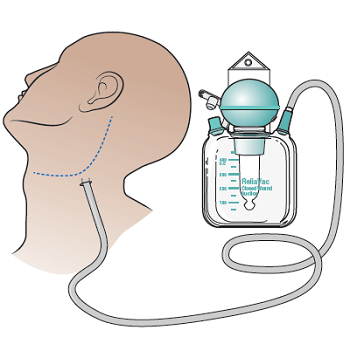
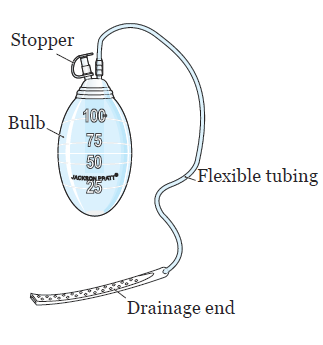
કેટલી લસિકા ગાંઠો દૂર કરવામાં આવી છે એના આધારે, તમારી ગરદનમાં ReliaVac® (આકૃતિ 2 જુઓ) અથવા Jackson-Pratt® (આકૃતિ 3 જુઓ) ડ્રેન મૂકવામાં આવશે. આ ડ્રેન તમારા ચીરાની આસપાસનું પ્રવાહી બહાર કાઢશે અને તમારી ત્વચાની નીચે પ્રવાહી એકઠું થતું અટકાવવામાં મદદ કરશે. ડ્રેનથી દુખાવો થતો નથી. તમારા આરોગ્યસંભાળ પ્રદાતાઓ એને નિયમિત રીતે ખાલી કરશે.
તમને હોસ્પિટલના રૂમમાં ખસેડવામાં આવવું
તમે કરાવેલી સર્જરીના પ્રકારના આધારે, તમારે PACUમાં આખી રાત રહેવું પડી શકે છે. તમારા PACUમાં રોકાણ પછી, સ્ટાફનો એક સભ્ય તમને હોસ્પિટલના રૂમમાં લઈ જશે.
તમારા હોસ્પિટલના રૂમમાં
સર્જરી પછી તમારે હોસ્પિટલમાં કેટલો સમય રહેવું પડશે એ તમારી રિકવરી પર આધાર રાખે છે. મોટાભાગના લોકો 3 થી 5 દિવસ સુધી હોસ્પિટલમાં રહે છે.
જ્યારે તમને હોસ્પિટલના રૂમમાં લઈ જવામાં આવશે, ત્યારે તમે એક નર્સને મળશો જે તમે હોસ્પિટલમાં હોવ ત્યારે તમારી સંભાળ રાખશે. તમે તમારા રૂમમાં પહોંચો કે તરત જ, તમારી નર્સ તમને પથારીમાંથી ઊભા થવામાં અને ખુરશી પર બેસવામાં મદદ કરશે.
જ્યારે તમે હોસ્પિટલમાં હશો, ત્યારે તમારા આરોગ્યસંભાળ પ્રદાતાઓ તમને સર્જરી પછી સાજા થવાના સમય દરમિયાન તમારી પોતાની સંભાળ કેવી રીતે રાખવી તે શીખવશે.
તમારો દુખાવો ઓછો કરવો
સર્જરી પછી તમને થોડો દુખાવો થશે. શરૂઆતમાં, તમને તમારી IV લાઇન દ્વારા દુખાવો ઓછો થવાની દવા આપવામાં આવશે. એકવાર તમે ખોરાક લેતા થઈ જાઓ, પછી તમને મોઢેથી લેવાતી દુખાવો ઓછો કરવાની દવા (ગળી શકાય તેવી દવા) આપવામાં આવશે. જો તમારી ઓરલ કેવિટીમાં પણ સર્જરી થઈ હોય અથવા ફ્રી ફ્લેપ સર્જરી થઈ હોય, તો તમે PCA (દર્દી-નિયંત્રિત પીડાનાશક)) ઉપકરણની મદદથી તમારી પીડાની દવા જાતે નિયંત્રિત કરી શકશો.
તમારા આરોગ્યસંભાળ પ્રદાતાઓ તમને વારંવાર તમારા દુખાવા વિશે પૂછશે અને જરૂર મુજબ તમને દવા આપશે. જો તમને દુખાવામાં રાહત ન થાય, તો તમારા આરોગ્યસંભાળ પ્રદાતાઓમાંથી કોઈ એકને એ વિશે જણાવો. તમારી પીડાને નિયંત્રણમાં રાખવી મહત્વપૂર્ણ છે, જેથી તમે તમારા ઇન્સેન્ટિવ સ્પાયરોમીટરનો ઉપયોગ કરી શકો અને આસપાસ હલનચલન કરી શકો. તમારી પીડાને નિયંત્રણમાં રાખવાથી તમને વધુ સારી રીતે સ્વસ્થ થવામાં મદદ મળશે.
હોસ્પિટલમાંથી રજા મળે તે પહેલાં તમને પીડાની દવા માટેનું પ્રિસ્ક્રિપ્શન આપવામાં આવશે. સંભવિત આડઅસરો વિશે અને ક્યારે પ્રિસ્ક્રિપ્શનવાળી પીડાની દવાના બદલે પ્રિસ્ક્રિપ્શન વગર મળતી પીડાની દવા લેવાનું શરૂ કરવું તે અંગે તમારા આરોગ્યસંભાળ પ્રદાતા સાથે વાત કરો.
ફરવું અને ચાલવું
ફરવાથી અને ચાલવાથી લોહી ગંઠાવાનું અને ન્યુમોનિયા (ફેફસાના ચેપ) થવાનું જોખમ ઓછું કરવામાં મદદ મળશે. તે તમને ફરીથી ગેસ છોડવામાં અને આંતરડાની નિયમિત હિલચાલ (મળત્યાગ) શરૂ કરવામાં પણ મદદ કરશે. જરૂર પડે તો તમારી નર્સ, ફિઝિકલ થેરાપિસ્ટ અથવા ઓક્યુપેશનલ થેરાપિસ્ટ તમને હલનચલન કરવામાં મદદ કરશે.
હોસ્પિટલમાં હોવ ત્યારે સુરક્ષિત રહેવા અને પડી જવાથી બચવા માટે તમે શું કરી શકો છો તે જાણવા માટે સંસાધન Call! Don't Fall! વાંચો.
તમારા ફેફસાંની કસરત કરવી
તમારા ફેફસાં સંપૂર્ણપણે ફૂલે તે માટે તેમની કસરત કરવી મહત્વપૂર્ણ છે. આ ન્યુમોનિયા અટકાવવામાં મદદ કરે છે.
- તમે જાગતા હો ત્યારે દર કલાકે ઇન્સેન્ટિવ સ્પાયરોમીટરનો 10 વખત ઉપયોગ કરો. વધુ માહિતી માટે, સંસાધન How To Use Your Incentive Spirometer વાંચો.
- ખાંસી અને ઊંડા શ્વાસ લેવાની કસરતો કરો. તમારી સંભાળ ટીમનો એક સભ્ય તે કેવી રીતે કરવો તમને શીખવશે.
ખાવું અને પીવું
તમારી સર્જરી પછીના પ્રથમ ભોજનમાં તમને માત્ર સ્પષ્ટ પ્રવાહી આપવામાં આવશે. ત્યારબાદ, તમે ધીમે ધીમે ઘન આહાર ખાવાનું શરૂ કરશો.
જો તમને તમારા આહાર વિશે કોઈ પ્રશ્નો હોય, તો ક્લિનિકલ ડાયેટિશિયન ન્યુટ્રિશનિસ્ટને મળવાની વિનંતી કરો.
તમારી ટ્યુબ અને ડ્રેનની સંભાળ લેવી
જ્યારે તમારા ReliaVac અથવા Jackson-Pratt ડ્રેનમાંથી નીકળતા પ્રવાહીનું પ્રમાણ સતત ઘટીને 24 કલાકમાં 25 થી 30 મિલિલિટર (આશરે 1 ઔંસ) કરતાં ઓછું થઈ જશે, ત્યારે તમારા આરોગ્યસંભાળ પ્રદાતા તે ડ્રેન કાઢી નાખશે. આ સામાન્ય રીતે સર્જરી પછી 3 થી 5 દિવસમાં થાય છે.
કેટલાક લોકોને ડ્રેન લગાવેલી સ્થિતિમાં જ ઘરે રજા આપવામાં આવી શકે છે. જો આવું હોય, તો હોસ્પિટલમાંથી રજા પહેલાં તમારી નર્સ તમને તેની સંભાળ કેવી રીતે રાખવી તે શીખવશે. વધુ માહિતી માટે, સંસાધનો Caring for Your ReliaVac Drain અથવા [***bXNrLW5vZGUtbGluazommbJzcDsyMDIzNCA=***] વાંચો.
જો તમારા સંભાળ રાખનાર પણ તમારા ReliaVac અથવા Jackson-Pratt ડ્રેનની સંભાળ કેવી રીતે રાખવી તે શીખી લે, તો તે મદદરૂપ થશે. જો તમારે ડ્રેન સાથે જ ઘરે જવું પડે, તો તે તમારી સંભાળ રાખવામાં તમને મદદ કરવામાં તેમના માટે વધુ સરળ બનશે.
સ્ટેપલ્સ અને ટાંકા કાઢવા માટે
જો તમે 1 અઠવાડિયા કરતાં વધુ સમય હોસ્પિટલમાં રહેશો, તો હોસ્પિટલમાંથી રજા મળે તે પહેલાં તમારા આરોગ્યસંભાળ પ્રદાતા તમારા અમુક અથવા બધા સ્ટેપલ્સ અથવા ટાંકા કાઢી નાખશે.
જો તમે 1 અઠવાડિયા કરતાં ઓછો સમય હોસ્પિટલમાં રહેશો, તો તમારા આરોગ્યસંભાળ પ્રદાતા તમારી સર્જરી પછીની પ્રથમ મુલાકાત દરમિયાન તમારા સ્ટેપલ્સ અથવા ટાંકા કાઢી નાખશે.
જો તમે Steri-Strips™ સાથે ઘરે જશો, તો તે સમય જતાં ઢીલી પડી જશે અને જાતે જ ખરી પડી જશે અથવા છૂટી જશે. જો સર્જરી પછીની તમારી પ્રથમ મુલાકાત સમયે Steri-Strips™ હજુ પણ લાગેલી હશે, તો તમારા આરોગ્યસંભાળ પ્રદાતા તે કાઢી નાખશે.
જો તમારી સર્જરી પહેલાં તમારી ગરદન પર રેડિયેશન થેરાપી આપવામાં આવી હોય, તો તમારા સ્ટેપલ્સ અથવા ટાંકા 2 થી 3 અઠવાડિયા સુધી લાગેલા રહી શકે છે.
સ્નાન કરવું
તમારી ગરદનમાંથી ડ્રેન કાઢી નાખવામાં આવ્યા પછી 24 કલાક બાદ તમે શાવર લઈ શકો છો. લગાવવામાં આવેલી પટ્ટી દૂર કરો. શાવર લેતી વખતે, શાવરના પાણીનો સીધો પ્રવાહ તમારા ચીરાના સ્થળ પર ન પડે તેનું ધ્યાન રાખો. તેના બદલે, સાબુ અને પાણી તમારા ચીરાના સ્થળ પર હળવેથી વહી જવા દો. તમારા ચીરાના સ્થળની આસપાસના ભાગને ઘસશો નહીં. શાવર લીધા પછી, સ્વચ્છ ટુવાલ વડે તે ભાગને હળવેથી થપથપાવીને સૂકવી દો.
જો તમારી ડ્રેનેજ ટ્યુબ હજુ પણ લગાવેલી હોય, તો તમારા આરોગ્યસંભાળ પ્રદાતા ડ્રેન કાઢી ના નાખે ત્યાં સુધી શાવર ન લો.
ઘરે
ઘરે અને MSK ખાતે તમારી એપોઇન્ટમેન્ટ દરમિયાન સુરક્ષિત રહેવા અને પડી જવાથી બચવા માટે તમે શું કરી શકો છો તે જાણવા માટે What You Can Do To Avoid Falling સંસાધન વાંચો.
તમારા રિકવરી ટ્રેકરને ભરવું
અમે જાણવા માંગીએ છીએ કે તમને હોસ્પિટલમાંથી ઘરે ગયા પછી કેવું લાગે છે. અમે તમારી વધુ સારી રીતે સંભાળ રાખી શકીએ એ માટે અમે તમારા MSK MyChart એકાઉન્ટ પર કેટલાક પ્રશ્નો મોકલીશું. તમને હોસ્પિટલમાંથી રજા આપ્યા પછી 10 દિવસ સુધી અમે દરરોજ આ પ્રશ્નો મોકલીશું. આ પ્રશ્નોને તમારા રિકવરી (સાજા થવાના) ટ્રેકર તરીકે ઓળખવામાં આવે છે.
દરરોજ રાત્રે ૧૨ વાગ્યા પહેલાં તમારો રિકવરી ટ્રેકર ભરો. એ ભરતા તમને 2 થી 3 મિનિટ લાગશે. તમારા જવાબોથી અમને સમજવામાં મદદ મળશે કે તમે કેવું લાગે છે અને તમને શાની જરૂર છે.
તમારા જવાબોના આધારે અમે વધુ માહિતી માટે તમારો સંપર્ક કરી કરીશું. કોઈક વાર અમે તમને તમારા સર્જનની ઓફિસમાં ફોન કરવા માટે કહીશું જો તમને કોઈ પ્રશ્ન હોય, તો તમે કોઈપણ સમયે તમારા સર્જનની ઓફિસનો સંપર્ક કરી શકો.
વધુ જાણવા માટે, Common Questions About MSK's Recovery Tracker વાંચો.
તમારા દુખાવાનું નિયંત્રણ
દરેક વ્યક્તિને પીડા અથવા અસ્વસ્થતા અલગ-અલગ સમયગાળા સુધી રહેતી હોય છે. ઘરે જાઓ ત્યારે પણ તમને થોડો દુખાવો થઈ શકે છે અને તમે કદાચ પીડાની દવા લેતા હશો. કેટલાક લોકોને 6 મહિના કે તેથી વધુ સમય સુધી ચીરાની આસપાસ દુખાવો, જકડાઈ જવું અથવા સ્નાયુઓમાં દુખાવો રહે છે. આનો અર્થ એ નથી કે કંઈક ખોટું છે.
ઘરે ગયા પછી દુખાવાને કાબૂમાં રાખવા આ માર્ગદર્શિકામાં આપેલાં સૂચનોનું પાલન કરો.
- તમારી દવાઓ ડૉક્ટરે આપેલી સલાહ પ્રમાણે અને જરૂર મુજબ લો.
- જો તમને લખી આપેલી દવાથી તમારો દુખાવાો ઓછો ના થતો હોય, તો તમારા ડૉક્ટરને કૉલ કરો.
- ડૉક્ટરે લખી આપેલી દુખાવાની દવા લેતા હો, ત્યારે વાહન ચલાવશો નહીં અથવા દારૂ પીશો નહી. કેટલીક પ્રિસ્ક્રિપ્શન મુજબ મળતી દુખાવાની દવાથી તમને ઊંઘ (ખૂબ જ ઊંઘ) આવી શકે છે. દારૂ પીવાથી વધારે ઊંઘ આવી શકે છે.
-
જેમ જેમ તમારા ટાંકા રૂઝાતા જશે, તેમ તેમ દુખાવો ઓછો થશે અને દુખાવાની દવાની ઓછી જરૂર પડશે. પ્રિસ્ક્રિપ્શન વગર મળતી દુખાવાની દવા દુખાવો અને તકલીફ ઘટાડવામાં મદદ કરશે. એસિટામિનોફેન (Tylenol®) અને આઇબુપ્રોફેન (Advil અથવા Motrin) પ્રિસ્ક્રિપ્શન વગર મળતી દુખાવાની દવાઓ છે.
- પ્રિસ્ક્રિપ્શન દ્વારા આપેલી દુખાવાની દવા બંધ કરવા તમારા ડૉોક્ટરની સલાહ લો.
- કોઈપણ દવા વધારે પ્રમાણમાં ન લો. લેબલ પર આપેલી સૂચનાઓ અથવા તમારા ડૉક્ટરે આપેલી સૂચનાઓનું પાલન કરો.
- તમે લઈ રહેલી બધી દવાઓના લેબલ ધ્યાનથી વાંચો. જો તમે એસિટામિનોફેન લઈ રહ્યા હોવ, તો એમ કરવું ખૂબ જ જરૂરી છે. એસિટામિનોફેન એવી ઘણી દવાઓમાં હોય છે, જે મેડિકલ સ્ટોર પર મળતી દવાઓમાં અને પ્રિસ્ક્રિપ્શન દ્વારા મળતી દવાઓમાંં હોય છે. એનું વધુ પ્રમાણમાં સેવન કરવાથી તમારા લિવરને નુકસાન થઈ શકે છે. તમારી સંભાળ રાખનાર ટીમના કોઈ સભ્ય સાથે વાત કર્યા વિના એસિટામિનોફેન ધરાવતી એકથી વધુ દવાઓ ન લો.
- દુખાવાની દવા તમને પહેલાં કરતા હતા એ કામો ફરી કરવા મદદ કરશે. તમારી દૈનિક પ્રવૃત્તિઓ અને કસરતો આરામથી કરી શકો એટલી માત્રામાં જ દવા લો. જેમ જેમ વધારે પ્રવૃત્તિઓ કરશો, તેમ તેમ તમને થોડો વધારે દુખાવો થઈ શકે છે.
- તમે દુખાવાની દવા ક્યારે લો છો એની નોંધ રાખો. દવા લીધા પછી 30 થી 45 મિનિટમાં એની સારી અસર થાય છે. વધારે દુખાવો થાય એની રાહ જોવા કરતાં, પહેલી વાર દુખાવો થાય ત્યારે જ દવા લઈ લેવી સારું છે.
કબજિયાત રોકવું અને એને કાબૂમાં રાખવું
કબજિયાત રોકવું અને એને કાબૂમાં કેવી રીતે રાખવું એ વિશે તમારા આરોગ્યસંભાળ પ્રદાતા સાથે વાત કરો. તમે નીચે આપેલી માર્ગદર્શિકાઓનું પણ પાલન કરી શકો છો.
- દરરોજ એક જ સમયે ટોયલેટ જવાની ટેવ પાળો. આમ કરવાથી તમારા શરીરને એ જ સમયે ટોયલેટ જવાની ટેવ પડી જશે. પરંતુ જો તમને ટોયલેટ લાગે, તો એને રોકી ન રાખશો.
- ભોજન કર્યા પછી 5 થી 15 મિનિટમાં ટોયલેટ જવાનો પ્રયત્ન કરો. નાસ્તો કર્યા પછી ટોયલેટ જવું સારું છે. કારણ કે એ સમયે મોટુ આંતરડું સૌથી વધુ સક્રિય હોય છે.
- જો શક્ય હોય, તો કસરત કરો. ચાલવું એક ઉત્તમ પ્રકારની કસરત છે, જે કબજિયાત રોકવા અને એને કાબૂમાં કરવામાં મદદ કરી શકે છે.
- જો શક્ય હોય, તો દરરોજ 8 થી 10 કપ (દરેક 8 ઔંસ) એટલે કે આશરે 2 લિટર પ્રવાહી પીવો. પાણી, ફળોના રસ (જેમ કે આલૂબુખારાના રસ), સૂપ અને મિલ્કશેક જેવા પ્રવાહી પીવાનું પસંદ કરો. કોફી અને સોડા જેવા કેફીન ધરાવતા પીણાં ઓછા પ્રમાણમાં લેવા. કેફીન તમારા શરીરમાંથી પ્રવાહીનું પ્રમાણ ઘટાડી શકે છે.
- તમારા આહારમાં ફાઇબરનું પ્રમાણ ધીમે ધીમે વધારીને દરરોજ 25 થી 35 ગ્રામ સુધી પહોંચાડો. છાલવાળા ફળો અને શાકભાજી, આખા અનાજ અને સિરિયલ્સમાં ફાઇબર હોય છે. જો તમને ઓસ્ટોમી હોય અથવા તાજેતરમાં આંતરડાની સર્જરી થઈ હોય, તો તમારા આહારમાં ફેરફાર કરતા પહેલાં તમારા આરોગ્યસંભાળ પ્રદાતાની સલાહ લો.
-
કબજિયાત દૂર કરવા માટે મેડિકલ સ્ટોરમાં મળતી દવાઓ અને ડૉક્ટરે લખી આપેલી દવાઓનો ઉપયોગ કરી શકાય છે. કબજિયાત માટે કોઈપણ દવા લેતા પહેલાં તમારા ડૉક્ટરની સલાહ લો. જો તમને ઓસ્ટોમી હોય અથવા તમારી આંતરડાની સર્જરી થઈ હોય, તો આ બાબતનું ખાસ ધ્યાન રાખવું ખૂબ જ જરૂરી છે. લેબલ પર આપેલી સૂચનાઓ અથવા તમારા ડૉક્ટરે આપેલી સૂચનાઓ પ્રમાણે કરો. કબજિયાત માટે મેડિકલ સ્ટોરમાં મળતી દવાઓ નીચે જણાવી છે:
- ડોક્યુસેટ સોડિયમ (Colace®). આ એક મળ નરમ કરનાર દવા છે (એવી દવા જે તમારી આંતરડાની ક્રિયાને કારણે નીકળતો મળ નરમ બનાવે છે) અને એનાથી બહુ ઓછી આડઅસર થાય છે. કબજિયાત રોકવા તમે એનો ઉપયોગ કરી શકો છો. એને મિનરલ ઑઇલ સાથે ન લો.
- પોલિઇથિલિન ગ્લાયકોલ (MiraLAX®). આ પેટ સાફ કરવાની દવા છે (એવી દવા જે મળ ત્યાગ થવામાં મદદ કરે છે) અને એનાથી બહુ ઓછી આડઅસરો થાય છે. તેને 8 ઔંસ (1 કપ) પ્રવાહી સાથે લો. જો તમને કબજિયાત હોય તો જ એ લો.
- સેનોકોટ (Senokot®). આ આંતરડાના સ્નાયુઓને ઉત્તેજિત કરતી દવા છે, જેનાથી પેટમાં દુખાવો થઈ શકે છે. એને રાતે સૂતા પહેલા લેવી. જો તમને કબજિયાત હોય તો જ એ લો
તમારા ચીરાની સંભાળ રાખવી
તમારા ચીરાની નીચેની ત્વચા સુન્ન થઈ જાય તે સામાન્ય છે. આવું એટલા માટે થાય છે કારણ કે સર્જરી દરમિયાન તમારી કેટલીક ચેતાઓ કપાઈ ગઈ હતી. સમય જતાં આ સુન્નપણું ધીમે ધીમે દૂર થઈ જશે.
તમારા આરોગ્યસંભાળ પ્રદાતાની ઑફિસને કૉલ કરો જો:
- તમારા ચીરાની આસપાસની ત્વચા ખૂબ જ લાલ છે.
- તમારા ચીરાની આસપાસની ત્વચા વધુ લાલ થઈ રહી છે.
- તમને પરુ જેવો સ્રાવ (જાડો અને દૂધિયા રંગનો પ્રવાહી) નીકળતો દેખાય છે.
- તમારા ચીરાના સ્થળમાંથી દુર્ગંધ આવે છે.
- તમારા ચીરાની આસપાસની ત્વચા સામાન્ય કરતાં વધુ ગરમ છે.
- તમારા ચીરાની આસપાસનો વિસ્તાર ફૂલવા લાગ્યો છે.
જો તમે તમારા ચીરામાં સ્ટેપલ્સ અથવા ટાંકા સાથે ઘરે જાઓ, તો તમારા આરોગ્યસંભાળ પ્રદાતા સર્જરી પછીની તમારી પ્રથમ મુલાકાત દરમિયાન તેને કાઢી નાખશે.
તમારા ચીરાના સ્થળની સફાઈ
તમારા ચીરાના સ્થળને સ્વચ્છ રાખવું અને તેમાં બનેલી કોઈપણ પોપડી દૂર કરવી ખૂબ જ મહત્વપૂર્ણ છે. પોપડીમાં બેક્ટેરિયા એકઠા થઈ શકે છે અને તે ચેપનું કારણ બની શકે છે. હોસ્પિટલમાંથી તમને રજા આપવામાં આવે તે પહેલાં, તમારા આરોગ્યસંભાળ પ્રદાતા તમને તમારા ચીરાના સ્થળની સંભાળ કેવી રીતે રાખવી તે શીખવશે. જો તમે Steri-Strips™ સાથે ઘરે જાઓ, તો તમારા ચીરાના સ્થળની સફાઈ કરવાની જરૂર નથી.
તમારા આરોગ્યસંભાળ પ્રદાતા તમને Bacitracin® જેવી જીવાણુનાશક મલમ વડે તમારા ચીરાના સ્થળની સફાઈ કરવાની ભલામણ કરી શકે છે. જીવાણુનાશક મલમ વડે તમારા ચીરાના સ્થળની સફાઈ કરવા માટે નીચેના પગલાં અનુસરો.
-
નીચે જણાવેલ જરૂરી સામગ્રી એકત્ર કરો:
- કોટન સ્વેબ્સ (જેમ કે Q-Tips®)
- સામાન્ય સેલાઇન
- જીવાણુનાશક મલમ
- ઓછામાં ઓછા 20 સેકન્ડ સુધી સાબુ અને પાણીથી તમારા હાથ ધોઈ લો અથવા Purell® જેવા આલ્કોહોલ આધારિત હેન્ડ સેનિટાઇઝરનો ઉપયોગ કરો.
- એક કોટન સ્વેબ લો અને તેને સામાન્ય સેલાઇનમાં બોળો.
- કોટન સ્વેબ વડે સ્ટેપલ્સ અથવા ટાંકાની આસપાસ ચીરાના સ્થળને હળવા હાથે સાફ કરો. આ ઘા પર બનેલી કોઈપણ પોપડીને ઢીલી કરવામાં મદદ કરશે.
- કોટન સ્વેબને ફેંકી દો.
- ચીરાની લાઇન સાફ કરવા માટે જેટલી વાર લાગે તેટલી વાર તાજા સ્વેબથી ઉપરના પગલાંઓનું પુનરાવર્તન કરો. યાદ રાખો કે દરેક કોટન સ્વેબને સામાન્ય સેલાઇનમાં માત્ર એક જ વાર બોળવો.દર વખતે સેલાઇનમાં બોળવા માટે હંમેશા નવો અને સ્વચ્છ કોટન સ્વેબ જ વાપરો.
- સ્વચ્છ કોટન સ્વેબની મદદથી ચીરાની રેખા પર થોડી માત્રામાં જીવાણુનાશક મલમ લગાવો
સ્નાન કરવું
- જો તમે ડ્રેનેજ ટ્યુબ સાથે ઘરે જાઓ, તો તમારા આરોગ્યસંભાળ પ્રદાતા ડ્રેન કાઢી ના નાખે ત્યાં સુધી સ્નાન કરશો નહીં. તમે શાવરને બદલે સ્પોન્જ બાથ લઈ શકો છો.
- જો તમારા શરીર પર ડ્રેનેજ ટ્યુબ ન હોય, તો તમારા ચીરાના સ્થળને સ્વચ્છ રાખવા માટે દરરોજ શાવર લો. જો તમારા ચીરાના સ્થળમાં સ્ટેપલ્સ લાગેલા હોય, તો તે ભીના થાય તો પણ કોઈ વાંધો નથી. સ્નાન કરતી વખતે સાબુનો ઉપયોગ કરો, પરંતુ તેને સીધા તમારા ચીરા પર ન લગાવો. તમારા ચીરાના સ્થળની આસપાસના ભાગને ઘસશો નહીં. શાવર લીધા પછી, સ્વચ્છ ટુવાલ વડે તે ભાગને હળવેથી થપથપાવીને સૂકવી દો.
તમારી સર્જરી પછીના પ્રથમ 4 અઠવાડિયા સુધી સ્નાન ન કરો.
ખાવું અને પીવું
જો તમારા આરોગ્યસંભાળ પ્રદાતા તમને બીજી કોઈ સૂચનાઓ ન આપે, તો તમે સર્જરી પહેલાં જે તમામ ખોરાક ખાતા હતા તે બધા ખાઈ શકો છો. પૂરતી કેલરી અને પ્રોટીન ધરાવતો સંતુલિત આહાર લેવાથી સર્જરી પછી તમને ઝડપથી સાજા થવામાં મદદ મળશે. દરેક ભોજનમાં પ્રોટીનનો સારો સ્ત્રોત (જેમ કે માંસ, માછલી અથવા ઇંડા) સામેલ કરવાનો પ્રયાસ કરો. તમારે ફળો, શાકભાજી અને આખા અનાજ પણ ખાવાનો પ્રયાસ કરવો જોઈએ.
પૂરતા પ્રમાણમાં પ્રવાહી પીવું પણ ખૂબ જ મહત્વપૂર્ણ છે. આલ્કોહોલ અથવા કેફીન ન હોય તેવા પ્રવાહી પસંદ કરો. દરરોજ 8 થી 10 ગ્લાસ (8 ઔંસ) જેટલું પ્રવાહી પીવાનો પ્રયાસ કરો.
જો તમને તમારા આહાર વિશે કોઈ પ્રશ્નો હોય, તો ક્લિનિકલ ડાયેટિશિયન ન્યુટ્રિશનિસ્ટને મળવાની વિનંતી કરો.
શારીરિક પ્રવૃત્તિ અને કસરત
તમારા ટાંકા અથવા સ્ટેપલ્સ કાઢી નાખ્યા પછી, તમારા આરોગ્યસંભાળ પ્રદાતા તમને દરરોજ કેટલીક ચોક્કસ કસરતો કરવાની સૂચના આપી શકે છે. આ તમારી સર્જરી પછી તમે તમારી ગરદન કેટલી સારી રીતે ફેરવી શકો છો અને તમારા હાથ(ઓ)ને કેટલી સારી રીતે હલાવી શકો છો તેના પર આધાર રાખશે. આ કસરતો અસરગ્રસ્ત ભાગ(ઓ)માં ફરીથી સંપૂર્ણ હલનચલનની ક્ષમતા અને શક્તિ મેળવવામાં તમને મદદ કરશે. આ કસરતો દરરોજ કરવી ખૂબ જ મહત્વપૂર્ણ છે. તમારા આરોગ્યસંભાળ પ્રદાતા તમને આ કસરતો કેવી રીતે કરવી તે બતાવશે અને સર્જરી પછીની તમારી પ્રથમ મુલાકાત દરમિયાન તેની લેખિત સૂચનાઓ પણ આપશે. વધુ માહિતી માટે, તમારી ગરદનની સર્જરી પછીની કસરતો વાંચો.
સર્જરી પછી તમારી ઊર્જા સામાન્ય કરતાં ઓછી હોવી સામાન્ય બાબત છે. સાજા થવાનો સમય દરેક વ્યક્તિ માટે અલગ-અલગ હોય છે. દરરોજ શક્ય તેટલી તમારી પ્રવૃત્તિઓ ધીમે ધીમે વધારતા જાઓ. હંમેશા પ્રવૃત્તિના સમયગાળાને આરામના સમયગાળા સાથે સંતુલિત કરો. આરામ તમારા સાજા થવાની પ્રક્રિયાનો એક મહત્વપૂર્ણ ભાગ છે.
તમારી સર્જરી પછીની મુલાકાત દરમિયાન, તમારા આરોગ્યસંભાળ પ્રદાતા તમને જણાવશે કે તમે ક્યારે તમારી સામાન્ય પ્રવૃત્તિઓ ફરી શરૂ કરી શકો છો. ત્યાં સુધી, તમારા ચીરાના સ્થળ પર દબાણ કે ખેંચાણ પડે તેવી બધી પ્રવૃત્તિઓથી દૂર રહો, જેમાં નીચેની બાબતો શામેલ છે:
- ડ્રાઇવિંગ
- 10 પાઉન્ડ (લગભગ 4.5 કિલોગ્રામ)થી વધુ વજન ઉઠાવવું.
- કઠિન પ્રવૃત્તિઓ (જેમ કે જોગિંગ અને ટેનિસ).
- લૈંગિક પ્રવૃત્તિ.
કામ પર પાછા જવું
તમારા કામ વિશે અને ફરીથી કામ શરૂ કરવું તમારા માટે ક્યારે સુરક્ષિત રહેશે તે અંગે તમારા આરોગ્યસંભાળ પ્રદાતા સાથે વાત કરો. જો તમારા કામમાં ઘણું હલનચલન કરવું પડતું હોય અથવા ભારે વસ્તુઓ ઊંચકવાની જરૂર પડતી હોય, તો ડેસ્ક પર બેસીને કામ કરતા લોકોની સરખામણીએ તમારે થોડો વધુ સમય કામથી દૂર રહેવાની જરૂર પડી શકે છે.
અનુવર્તી સંભાળ
તમારી સર્જરી પછીની તમારી પ્રથમ અનુવર્તી મુલાકાત હોસ્પિટલમાંથી તમને રજા મળ્યા પછી લગભગ 1 અઠવાડિયામાં થશે. ત્યાં સુધી, હોસ્પિટલમાંથી રજા મળતી વખતે તમને આપવામાં આવેલી તમામ સૂચનાઓનું પાલન કરવાનું સુનિશ્ચિત કરો.
તમારી સર્જરી દરમિયાન કાઢી નાખવામાં આવેલી લસિકા ગાંઠોની સર્જરી પછી પેથોલોજિસ્ટ દ્વારા તપાસ કરવામાં આવશે. તપાસના પરિણામો સામાન્ય રીતે 1 અઠવાડિયામાં તૈયાર થઈ જાય છે. પરિણામોના આધારે, તમને વધુ સારવારની જરૂર પડી શકે છે. તમારી સર્જરી પછીની પ્રથમ અનુવર્તી મુલાકાત દરમિયાન તમારા આરોગ્યસંભાળ પ્રદાતા તમારી સાથે પરિણામોની ચર્ચા કરશે.
તમારી લાગણીઓનું સંચાલન
ગંભીર બીમારી માટે સર્જરી કરાવ્યા પછી, તમને નવી અને વ્યથિત કરતી લાગણીઓ થઈ શકે છે. ઘણા લોકો કહે છે કે તેમને ક્યારેક રડવું આવતું હતું, દુઃખ, ચિંતા, ગભરાટ, ચીડિયાપણું અને ગુસ્સો અનુભવાતો હતો. તમને લાગશે કે તમે આમાંની કેટલીક લાગણીઓને નિયંત્રિત કરી શકતા નથી. જો આવું થાય, તો ભાવનાત્મક ટેકો મેળવવો એ સારો વિચાર છે. તમારા આરોગ્યસંભાળ પ્રદાતા તમને MSKના કાઉન્સેલિંગ સેન્ટરમાં મોકલી શકે છે. તમે 646-888-0200 પર ફોન કરીને પણ તેમનો સંપર્ક કરી શકો છો.
સામનો કરવાની પ્રક્રિયાનું પ્રથમ પગલું એ છે કે તમે જે અનુભવો છો તેના વિશે વાત કરો. પરિવારના સભ્યો અને મિત્રો મદદ કરી શકે છે. તમારા આરોગ્યસંભાળ પ્રદાતાઓ તમને આશ્વાસન આપી શકે છે, ટેકો આપી શકે છે અને માર્ગદર્શન આપી શકે છે. તમે, તમારા પરિવારના સભ્યો અને તમારા મિત્રો ભાવનાત્મક રીતે કેવી લાગણી અનુભવી રહ્યા છો તે અમને જણાવવું હંમેશા સારો વિચાર છે. તમારા અને તમારા પરિવાર માટે ઘણા સંસાધનો ઉપલબ્ધ છે. તમે હોસ્પિટલમાં હોવ કે ઘરે, તમારી બીમારીના ભાવનાત્મક પાસાઓનો સામનો કરવામાં તમને, તમારા પરિવારને અને તમારા મિત્રોને મદદ કરવા માટે અમે અહીં છીએ.
તમારા આરોગ્યસંભાળ પ્રદાતાને ક્યારે કૉલ કરવો
તમારા સ્વાસ્થ્ય સારવાર પ્રદાતાને કોલ કરો જો તમને:
- 100.5 °F (38 °C) અથવા તેથી વધુ તાવ.
- તમને ઠંડી સાથે ધ્રુજારી થાય છે.
- તમને શ્વાસ લેવામાં તકલીફ થઈ રહી છે.
- તમારા ચીરાની આસપાસની ત્વચા સામાન્ય કરતાં વધુ ગરમ છે.
- તમારા ચીરાના આસપાસની ત્વચા વધુ લાલ થઈ રહી છે.
- તમારા ચીરાની આસપાસનો વિસ્તાર ફૂલવા લાગ્યો છે.
- તમારા ચીરાની આસપાસની ભાગમાં વધુ સોજો આવી રહ્યો છે.
- તમારા ચીરામાંથી પ્રવાહી અથવા અન્ય સ્રાવ નીકળી રહ્યો છે.
- તમને કોઈપણ પ્રશ્નો અથવા ચિંતાઓ હોય.
સપોર્ટ સેવાઓ
આ વિભાગમાં સપોર્ટ સેવાઓની યાદી છે. આ સેવાઓ તમને સર્જરી માટે તૈયાર થવામાં અને સર્જરી પછી સાજા થવામાં મદદ કરી શકે છે.
તમે આ વિભાગ વાંચો ત્યારે તમારા ડૉક્ટરને પૂછવા માટેના પ્રશ્નો લખી રાખો.
MSK સપોર્ટ સેવાઓ
એડમિટીંગ ઓફિસ
212-639-7606
જો તમને હોસ્પિટલમાં દાખલ થવા અંગે કોઈ પ્રશ્નો હોય, જેમ કે ખાનગી રૂમની વિનંતી કરવી હોય, તો કૉલ કરો.
એનેસ્થેશિયા
212-639-6840
જો તમને એનેસ્થેશિયા (બેભાન કરવાની દવા)વિશે કોઈ પ્રશ્નો હોય, તો કૉલ કરો.
રક્ત દાન કરવાનો રૂમ
212-639-7643
જો તમનેરક્ત અથવા પ્લેટલેટ્સનું દાન કરવામાંરસ હોય, તો માહિતી માટે કૉલ કરો.
બોબ્સ્ટ ઇન્ટરનેશનલ સેન્ટર
www.msk.org/international
888-675-7722
અમે વિશ્વભરના દર્દીઓનું સ્વાગત કરીએ છીએ અને તેમની સહાય માટે ઘણી સેવાઓ આપીએ છીએ. જો તમે બીજા દેશથી આવેલા દર્દી હોય, તો તમારી સારવારની વ્યવસ્થા કરવા માટે કૉલ કરો.
કાઉન્સેલિંગ કેન્દ્ર
www.msk.org/counseling
646-888-0200
ઘણા લોકોને કાઉન્સેલિંગથી મદદ મળે છે. અમારું કાઉન્સેલિંગ સેન્ટર વ્યક્તિઓ, યુગલો, પરિવારો અને જૂથો માટે કાઉન્સેલિંગ સેવાઓ આપે છે. જો તમે બેચેની કે નિરાશા અનુભવતા હો, તો અમે તમને મદદ કરવા માટે દવા પણ લખી શકીએ છીએ. તમારી સંભાળ રાખનાર ટીમના કોઈ સભ્યની મદદ લો અથવા અપૉઇન્ટમેન્ટ લેવા માટે ઉપરના નંબર પર કૉલ કરો.
ફૂડ પેન્ટ્રી કાર્યક્રમ
646-888-8055
અમે કેન્સરની સારવાર દરમિયાન જરૂરિયાત ધરાવતા લોકોને ખોરાક પૂરો પાડીએ છીએ. તમારી સંભાળ રાખનાર ટીમના કોઈ સભ્ય સાથે વાત કરો અથવા વધુ માહિતી મેળવવા માટે ઉપર આપેલા નંબર પર કૉલ કરો.
સારવાર દરમિયાન સારું સ્વાસ્થ્ય અને સારું અનુભવવામાં મદદ મળે એવી સેવા
www.msk.org/integrativemedicine
આ સેવા તમારી નિયમિત સારવારની સાથે સાથે તમને વધુ સારી રીતે મદદ મળે એ માટે વિવિધ સેવાઓ આપે છે. ઉદાહરણ તરીકે, અમે સંગીત થેરાપી, મન અને શરીરને શાંત રાખવામાં મદદ મળે એની થેરાપી, નૃત્ય અને હલનચલન થેરાપી, યોગ તેમજ સ્પર્શ દ્વારા આપવામાં આવતી થેરાપી જેવી સેવાઓ પૂરી પાડીએ છીએ. આ સેવાઓ માટે અપૉઇન્ટમેન્ટ લેવા 646-449-1010 પર કૉલ કરો.
તમે એ સેવાના આરોગ્યસંભાળ પ્રદાતાની સલાહ લેવા અપૉઇન્ટમેન્ટ લઈ શકો. તેઓ તમારી સાથે મળીને સ્વસ્થ જીવન જીવવાની રીત અપનાવવા અને સારવારની આડઅસરોને ઓછી કરવા માટે યોજના બનાવશે. કન્સલ્ટેશન માટે અપૉઇન્ટમેન્ટ લેવા 646-608-8550 પર કૉલ કરો.
MSK લાઇબ્રેરી
library.mskcc.org
લાઇબ્રેરીના સ્ટાફ સાથે વાત કરવા તમે અમારી લાઇબ્રેરીની વેબસાઇટની મુલાકાત લઈ શકો છો અથવા [email protected]પર ઇમેઇલ કરો. તેઓ તમને કોઈ ચોક્કસ પ્રકારના કેન્સર વિશે વધુ માહિતી શોધવામાં મદદ કરી શકે છે. તમે લાઇબ્રેરીની પેશન્ટ એજ્યુકેશન રીસોર્સ ગાઇડપણ જોઈ શકો છો.
પોષણ સેવાઓ
www.msk.org/nutrition
212-639-7312
અમારી સેવા, અમારા ક્લિનિકલ ડાયેટિશિયન ન્યુટ્રિશનિસ્ટ દ્વારા પોષણ સંબંધિત સલાહ-સૂચનો આપે છે. તમારા ક્લિનિકલ ડાયેટિશિયન ન્યુટ્રિશનિસ્ટ તમારી ખાવાની ટેવો વિશે તમારી સાથે વાત કરશે. તેઓ સારવાર દરમિયાન અને પછી શું ખાવું તે અંગે પણ સલાહ આપી શકે છે. તમારી સંભાળ ટીમના સભ્યને રેફરલ માટે પૂછો અથવા એપોઇન્ટમેન્ટ લેવા માટે ઉપરના નંબર પર કૉલ કરો.
દર્દી અને સમુદાય શિક્ષણ
www.msk.org/pe
શૈક્ષણિક સાધનો, વિડિયો અને ઑનલાઇન કાર્યક્રમો શોધવા માટે અમારી દર્દી અને સમુદાય શિક્ષણ વેબસાઇટની મુલાકાત લો.
દર્દી બિલિંગ
646-227-3378
તમારી વીમા કંપનીની પૂર્વ-મંજૂરી વિશે કોઈ પ્રશ્નો હોય તો કૉલ કરો. આને પૂર્વ-મંજૂરી પણ કહેવામાં આવે છે.
પેશન્ટ રીપ્રેસેન્ટેટીવ ઓફીસ
212-639-7202
જો તમને હેલ્થ કેર પ્રોક્સી ફોર્મ વિશે કોઈ પ્રશ્નો હોય અથવા તમારી સારવાર અંગે કોઈ ચિંતા હોય, તો ફોન કરો.
સર્જરી પહેલાં, દરમિયાન અને પછી સંભાળ રાખવા માટે નર્સનો સંપર્ક
212-639-5935
જો તમારી સર્જરી દરમિયાન MSK દ્વારા કોઈપણ માહિતી જાહેર કરવા અંગે તમને પ્રશ્નો હોય, તો ફોન કરો.
ખાનગી ફરજ બજાવતી નર્સો અને સાથીઓ
646-357-9272
તમે હોસ્પિટલમાં તેમજ ઘરે તમારી સંભાળ માટે ખાનગી ફરજ પરની નર્સો અથવા દર્દી સહાયક સાથીઓની વિનંતી કરી શકો છો. વધુ માહિતી માટે ફોન કરો.
રીહેબીલીટેશન સર્વિસીસ
www.msk.org/rehabilitation
કેન્સર અને તેની સારવારથી તમારું શરીર નબળું, જકડાઈ ગયેલું અથવા કડક લાગી શકે છે. કેટલાક કારણોને લીધે લિમ્ફેડેમા (સોજો) થઈ શકે છે. અમારા ફિઝિયાટ્રિસ્ટ (પુનર્વસન દવાના ડૉક્ટરો), ઓક્યુપેશનલ થેરાપિસ્ટ (OT) અને ફિઝિકલ થેરાપિસ્ટ (PT) તમને તમારી સામાન્ય પ્રવૃત્તિઓ ફરી શરૂ કરવામાં મદદ કરી શકે છે.
- સાજા થવામાં મદદ કરતા ડૉક્ટરોતમારી હલનચલન અને રોજિંદાં કામ કરવામાં થતી તકલીફોનું નિદાન અને સારવાર કરે છે તેઓ MSKમાં અથવા તમારા ઘરની નજીકના કોઈ સ્થળે એવી સારવાર અને કસરતોની યોજના તૈયાર કરશે, જે તમને ફરીથી રોજિંદાં કામ સરળતાથી કરવામાં મદદ કરશે. વધુ માહિતી માટે 646-888-1929 પર રીહેબિલિટેશન મેડિસિન (ફિઝિયાટ્રી) વિભાગને ફોન કરો.
- જો તમને તમારી સામાન્ય દૈનિક પ્રવૃત્તિઓ કરવામાં તકલીફ પડતી હોય, તો OT મદદ કરી શકે છે. ઉદાહરણ તરીકે, તેઓ દૈનિક કાર્યોને સરળ બનાવવા માટે સાધનોની ભલામણ કરી શકે છે. PT તમને શક્તિ અને લવચીકતા વધારવામાં મદદ કરવા માટે કસરતો શીખવી શકે છે. વધુ જાણવા માટે 646-888-1900 પર રિહેબિલિટેશન થેરાપીને કૉલ કરો.
કેન્સર પછીના જીવન માટે સંસાધનો (RLAC) કાર્યક્રમ
646-888-8106
MSK ખાતે, તમારી સારવાર પૂરી થયા પછી પણ તમારી સંભાળ પૂરી થતી નથી. RLAC કાર્યક્રમએવા દર્દીઓ અને તેમના પરિવારજનો માટે છે જેમની સારવાર પૂર્ણ થઈ ગઈ છે.
આ પ્રોગ્રામમાં ઘણી સેવાઓ છે. અમે સારવાર પછીના જીવન પર સેમિનાર, વર્કશોપ, સહાયક જૂથો અને કાઉન્સેલિંગ ઑફર કરીએ છીએ. અમે વીમા અને રોજગારના પ્રશ્નોમાં પણ મદદ કરી શકીએ છીએ.
જાતીય સ્વાસ્થ્ય કાર્યક્રમો
કેન્સર અને કેન્સરની સારવાર તમારા જાતીય સ્વાસ્થ્ય, પ્રજનન ક્ષમતા અથવા બંનેને અસર કરી શકે છે. MSK ના જાતીય સ્વાસ્થ્ય કાર્યક્રમો તમારી સારવાર પહેલાં, સારવાર દરમિયાન અથવા સારવાર પછી તમને મદદ કરી શકે છે.
- અમારો ફીમેલ સેક્સ્યુઅલ મેડિસીન એન્ડ વીમેન્સ હેલ્થ પ્રોગ્રામસ્ત્રીઓના જાતીય સ્વાસ્થ્ય જેમ કે, અકાળે મેનોપોઝ (માસિક કાયમ માટે વહેલું બંધ થઈ જવું) અથવા ગર્ભધારણ કરવામાં થતી મુશ્કેલી જેવી સમસ્યાઓમાં મદદ કરી શકે છે. વધુ માહિતી માટે તમારી MSK કેર ટીમના સભ્યને રેફરલ માટે પૂછો અથવા 646-888-5076 પર કૉલ કરો.
- અમારો મેલ સેક્સ્યુઅલ એન્ડ રીપ્રોડક્ટીવ મેડિસીન પ્રોગ્રામ સ્તંભન જાળવી રાખવામાં થતી મુશ્કેલી (ઇરેક્ટાઇલ ડિસફંક્શન-ED) જેવી જાતીય સ્વાસ્થ્ય સંબંધિત સમસ્યાઓમાં મદદ કરી શકે છે. વધુ માહિતી માટે તમારી સંભાળ ટીમના સભ્યને રેફરલ માટે પૂછો અથવા 646-888-6024 પર કૉલ કરો.
સામાજિક કાર્ય
www.msk.org/socialwork
212-639-7020
સામાજિક કાર્યકરો કેન્સર ધરાવતા લોકો અને તેમના પરિવારજનો તથા મિત્રો દ્વારા સામાન્ય રીતે અનુભવાતી સમસ્યાઓનો સામનો કરવામાં મદદ કરે છે. તેઓ તમારી સારવાર દરમિયાન વ્યક્તિગત કાઉન્સેલિંગ અને સહાય જૂથોની સેવાઓ આપે છે. તેઓ તમને બાળકો અને પરિવારના બીજા સભ્યો સાથે સારી રીતે વાતચીત કરવામાં મદદ કરી શકે છે.
અમારા સામાજિક કાર્યકરો તમને મદદરૂપ સંસ્થાઓ અને કાર્યક્રમો માટે સંપર્ક કરવામાં પણ મદદ કરી શકે છે. જો તમને તમારા બિલ ચૂકવવામાં મુશ્કેલી પડી રહી હોય, તો તેમની પાસે નાણાકીય સહાયના ઉપલબ્ધ સ્ત્રોતો વિશે પણ માહિતી છે. વધુ માહિતી માટે ઉપર આપેલા નંબર પર ફોન કરો.
આધ્યાત્મિક સંભાળ
212-639-5982
અમારા આધ્યાત્મિક સલાહકારો (ચેપ્લેન) તમારી વાત સાંભળવા, પરિવારના સભ્યોને સહાય આપવા અને પ્રાર્થના કરવા માટે ઉપલબ્ધ છે. તેઓ તમારા માટે સ્થાનિક ધાર્મિક આગેવાનો અથવા આસ્થા આધારિત સમૂહોનો સંપર્ક કરી શકે છે અથવા માત્ર તમને સાંત્વના આપતા સાથી અને આધ્યાત્મિક સહારા તરીકે તમારી સાથે રહી શકે છે. કોઈપણ વ્યક્તિ આધ્યાત્મિક સહાયમાટે વિનંતી કરી શકે છે. એ માટે તમારો કોઈપણ ધર્મ સાથે સંબંધ (ધાર્મિક જોડાણ) હોવો જરૂરી નથી.
MSKનું સર્વધર્મ પ્રાર્થના સ્થળ મેમોરિયલ હોસ્પિટલના મુખ્ય લોબી નજીક આવેલું છે. એ દિવસના 24 કલાક ખુલ્લું રહે છે. જો તમને કોઈ ઈમરજન્સી હોય, તો 212-639-2000 પર ફોન કરો. ફરજ પરના ચેપ્લેન સાથે વાત કરાવવા વિનંતી કરો.
તમાકુ છોડાવવાનો કાર્યક્રમ
www.msk.org/tobacco
212-610-0507
જો તમે ધૂમ્રપાન છોડવા માંગતા હો, તો MSK પાસે એવા નિષ્ણાતો છે જે તમને મદદ કરી શકે છે. વધુ માહિતી માટે ફોન કરો.
ઑનલાઇન કાર્યક્રમો
www.msk.org/vp
અમે દર્દીઓ અને તેમની સંભાળ રાખનારાઓ માટે ઑનલાઇન શિક્ષણ અને સહાય આપીએ છીએ. આ લાઇવ સેશન છે જ્યાં તમે વાત કરી શકો છો અથવા ફક્ત સાંભળી શકો છો. તમે તમારા નિદાન, સારવાર દરમિયાન શું અપેક્ષા રાખવી અને કેન્સરની સંભાળ માટે કેવી રીતે તૈયારી કરવી તે વિશે શીખી શકો છો.
સેશન ખાનગી, મફત અને નિષ્ણાતો દ્વારા સંચાલિત છે. ઑનલાઇન કાર્યક્રમો વિશે વધુ જાણવા અથવા નોંધણી કરાવવા માટે અમારી વેબસાઇટની મુલાકાત લો.
બાહ્ય સપોર્ટ સેવાઓ
દિવ્યાંગો માટે વાહનવ્યવહાર સેવા
web.mta.info/nyct/paratran/guide.htm
877-337-2017
ન્યૂ યોર્ક શહેરમાં, MTA દિવ્યાંગ લોકોને ખાસ સેવા આપે છે. એ સેવામાં તમને ઘરેથી બેસાડીને તમારે જ્યાં જવું છે ત્યાં લઈ જશે અને ઘરે પાછા મૂકી જશે અથવા તમારી સાથે બીજા મસાફરો પણ હશે, જેઓને તમે જ્યાં જાઓ છો ત્યાં જવું છે.આ સેવા એવા લોકો માટે છે, જેઓ જાહેર બસ અથવા સબવેનો ઉપયોગ કરી શકતા નથી.
એર ચેરિટી નેટવર્ક
www.aircharitynetwork.org
877-621-7177
સારવાર કેન્દ્રો સુધી મુસાફરીની સુવિધા પૂરી પાડે છે.
અમેરિકન કેન્સર સોસાયટી (ACS)
www.cancer.org
800-ACS-2345 (800-227-2345)
કેન્સરની સારવાર દરમિયાન દર્દીઓ અને તેમની સંભાળ રાખનારાઓ માટે રહેવાની મફત સુવિધા પૂરા પાડે છે, સાથે સાથે અલગ અલગ માહિતી અને સેવાઓ આપે છે.
કેન્સર એન્ડ કેરિયર્સ
www.cancerandcareers.org
646-929-8032
કેન્સર ધરાવતા કર્મચારીઓ માટે શિક્ષણ, ઉપયોગી સાધનો અને કાર્યક્રમો પૂરા પાડે છે.
કેન્સરકેર
www.cancercare.org
800-813-4673
275 સેવન્થ એવન્યુ (વેસ્ટમાં 25મી અને 26મી સ્ટ્રીટ વચ્ચે)
ન્યૂ યોર્ક,, NY 10001
કાઉન્સેલિંગ, સહાય જૂથો, શૈક્ષણિક વર્કશોપ, પ્રકાશનો અને નાણાકીય મદદ આપે છે.
કેન્સર સપોર્ટ કમ્યુનિટી
www.cancersupportcommunity.org
કેન્સરથી પીડાતા લોકો માટે સહાય અને શિક્ષણ આપે છે.
કેરગિવર એક્શન નેટવર્ક
www.caregiveraction.org
800-896-3650
લાંબા સમયથી બીમાર કે દિવ્યાંગ સગાં-વહાલાંની સંભાળ રાખતા લોકો માટે શિક્ષણ અને મદદ આપે છે.
કોર્પોરેટ એન્જલ નેટવર્ક
www.corpangelnetwork.org
866-328-1313
કોર્પોરેટ જેટ વિમાનોમાં ખાલી રહેલી બેઠકોનો ઉપયોગ કરીને આખા દેશમાં સારવાર માટે મફત મુસાફરીની સુવિધા આપે છે.
ગુડ ડેઝ
www.mygooddays.org
877-968-7233
સારવાર દરમિયાન પોતે ચૂકવવા પડતા પૈસા માટે નાણાકીય મદદ પૂરી પાળે છે. દર્દીઓ પાસે તબીબી વીમો હોવો જોઈએ, તેમની આવક નક્કી કરેલા માપદંડ પ્રમાણે હોવી જોઈએ અને તેમને ગુડ ડેઝ દ્વારા મંજૂર કરવામાં આવેલી દવાઓ લખી આપી હોવી જોઈએ.
હેલ્થવેલ ફાઉન્ડેશન
www.healthwellfoundation.org
800-675-8416
ચોક્કસ દવાઓ અને સારવાર માટે પોતે ચૂકવવા પડતા પૈસા, આરોગ્ય વીમાના પ્રીમિયમ અને વીમો શરૂ થાય એ પહેલાં ચૂકવવામાં આવતા પૈસા માટે નાણાકીય મદદ આપે છે.
જો’ઝ હાઉસ
www.joeshouse.org
877-563-7468
કેન્સર ધરાવતા લોકો અને તેમના પરિવારજનો માટે સારવાર કેન્દ્રોની નજીક રહેવાની જગ્યાઓની યાદી પૂરી પાડે છે.
LGBT કેન્સર પ્રોજેક્ટ
www.lgbtcancer.com
LGBT સમુદાય માટે સહાય અને તેઓના પક્ષમાં રજુઆત કરવા મદદ કરે છે, જેમાં ઑનલાઇન સહાય જૂથો અને LGBT સમુદાયના લોકોને પણ સેવા આપતા ક્લિનિકલ ટ્રાયલ્સની માહિતીનો પણ સમાવેશ થાય છે.
લાઈવસ્ટ્રોંગ ફર્ટિલિટી
www.livestrong.org/fertility
855-744-7777
જે કેન્સરના દર્દીઓ અને કેન્સરમાંથી સાજા થયેલા લોકોની તબીબી સારવારને કારણે વંધ્યત્વનું જોખમ હોય છે, તેઓને પ્રજનન સંબંધિત માહિતી અને સહાય પૂરી પાડે છે.
લુક ગુડ ફીલ બેટર કાર્યક્રમ
www.lookgoodfeelbetter.org
800-395-LOOK (800-395-5665)
આ કાર્યક્રમમાં એવા વર્કશોપ આપવામાં આવે છે, જેમાં તમે તમારા દેખાવ વિશે સારું અનુભવો એવી બાબતો શીખી શકો છો. વધુ માહિતી મેળવવા અથવા વર્કશોપ માટે નોંધણી કરાવવા, ઉપર આપેલા નંબર પર ફોન કરો અથવા કાર્યક્રમની વેબસાઇટની મુલાકાત લો.
નેશનલ કેન્સર ઇન્સ્ટિટ્યૂટ
www.cancer.gov
800-4-CANCER (800-422-6237)
નેશનલ કાઉન્સિલ ઑન એજિંગ (NCOA)
www.benefitscheckup.org
વૃદ્ધ વયના લોકો માટે માહિતી અને ઉપયોગી સાધનો અથવા મદદ પૂરી પાડે છે. BenefitsCheckUp® એ મફત ઑનલાઇન ટુલ છે, જે તમને પ્રિસ્ક્રિપ્શન કરેલી દવાઓ માટે મદદ આપતી યોજનાઓ વિશે માહિતી આપે છે, જેમાં Medicareના Extra Help કાર્યક્રમનો પણ સમાવેશ થાય છે.
નેશનલ LGBT કેન્સર નેટવર્ક
www.cancer-network.org
LGBT કેન્સર સર્વાઇવર્સ (કેન્સરમાંથી સાજા થયેલા લોકો) અને કેન્સરના જોખમ ધરાવતા લોકો માટે શિક્ષણ અને તાલીમ આપે છે તેમજ તેઓના પક્ષમાં રજુઆત કરે છે.
નીડી મેડ્સ
www.needymeds.org
બ્રાન્ડ નામની અને જેનરિક દવાઓ માટે ઉપલબ્ધ પેશન્ટ અસિસ્ટન્સ પ્રોગ્રામ્સની યાદી આપે છે.
NYRx
www.health.ny.gov/health_care/medicaid/program/pharmacy.htm
ન્યૂ યોર્ક રાજ્યમાં સરકારી નોકરી કરતા કર્મચારીઓ અને નિવૃત્ત કર્મચારીઓને પ્રિસ્ક્રિપ્શન કરેલી દવાઓ માટે મદદ આપે છે.
પેશન્ટ ઍક્સેસ નેટવર્ક (PAN) ફાઉન્ડેશન
www.panfoundation.org
866-316-7263
વીમો ધરાવતા દર્દીઓને પોતે ચૂકવવા પડતા પૈસા માટે મદદ પૂરી પાડે છે.
પેશન્ટ એડવોકેટ ફાઉન્ડેશન
www.patientadvocate.org
800-532-5274
આ સંસ્થા સારવાર મેળવવામાં મદદ, આર્થિક સહાય, આરોગ્ય વીમા સંબંધિત સહાય, સારવાર દરમિયાન નોકરી જાળવી રાખવામાં મદદ તેમજ જેઓનો વીમો સારવારના તમામ જરૂરી ખર્ચને પૂરતો આવરી લેતો નથી તેવા લોકો માટે દેશવ્યાપી સહાય સેવાઓની ડિરેક્ટરી સુધી પહોંચવા મદદ કરે છે.
રેડ ડોર કમ્યુનિટી(અગાઉ Gilda’s Club તરીકે ઓળખાતી હતી)
www.reddoorcommunity.org
212-647-9700
કેન્સર સાથે જીવન જીવી રહેલા લોકોને નેટવર્કિંગ, વર્કશોપ્સ, વ્યાખ્યાનો અને સામાજિક પ્રવૃત્તિઓ દ્વારા સામાજિક અને ભાવનાત્મક સહાય મળે તેવી જગ્યા.
RxHope
www.rxhope.com
877-267-0517
લોકોને તેઓ ખરીદી શકતા ન હોય અથવા જેનો ખર્ચ ઉઠાવવામાં મુશ્કેલી પડતી હોય તેવી દવાઓ મેળવવામાં સહાય પ્રદાન કરે છે.
ટ્રાયેજ કેન્સર
www.triagecancer.org
કેન્સરના દર્દીઓ અને તેમની સંભાળ રાખનારાઓ માટે કાનૂની, તબીબી અને નાણાકીય માહિતી તેમજ ઉપયોગી સાધનોની મદદ આપે છે.
માથા અને ગરદનના કેન્સર માટેની સહાય સેવાઓ
મોઢા અને માથા-ગરદનના કેન્સર ધરાવતા લોકો માટે સહાય (SPOHNC)
www.spohnc.org
800-377-0928
મોઢા અને માથા-ગરદનના કેન્સર ધરાવતા લોકોને માહિતી અને સહાય પૂરી પાડે છે.
આરોગ્ય સંબંધિત શૈક્ષણિક માહિતી
આ વિભાગમાં આ માર્ગદર્શિકામાં જણાવેલી શૈક્ષણિક સાધનોની યાદી આપવામાં આવી છે. એ તમને તમારી સર્જરી માટે તૈયારી કરવામાં અને સર્જરી પછી સાજા થવામાં મદદ કરશે.
આ વાંચતી વખતે, તમારા આરોગ્યસંભાળ પ્રદાતાને પૂછવા માટેના પ્રશ્નો લખી રાખો.
Learn about our Health Information Policy.